
Summary
A gummy factory and a small workshop differ mainly in production scale, equipment standardization, and quality system maturity. For supplement brands evaluating sourcing options, a Gummy Factory typically offers certified quality control, higher output capacity, and consistent batch reproducibility, while a small workshop is more suited to micro-batch testing or hyper-local sales. Understanding these differences helps B2B buyers match their order volume, compliance needs, and growth plans to the right type of production partner.
Definition
Gummy Factory vs Small Workshop refers to the comparison between two distinct production models for manufacturing gummy supplements: a factory-scale operation with formalized quality systems, certified facilities, and industrial equipment, versus a small-scale workshop that typically relies on manual processes, limited equipment, and informal quality oversight. The distinction matters for brands deciding where and how to produce gummy products for commercial distribution.
Main Content
What the Comparison Covers
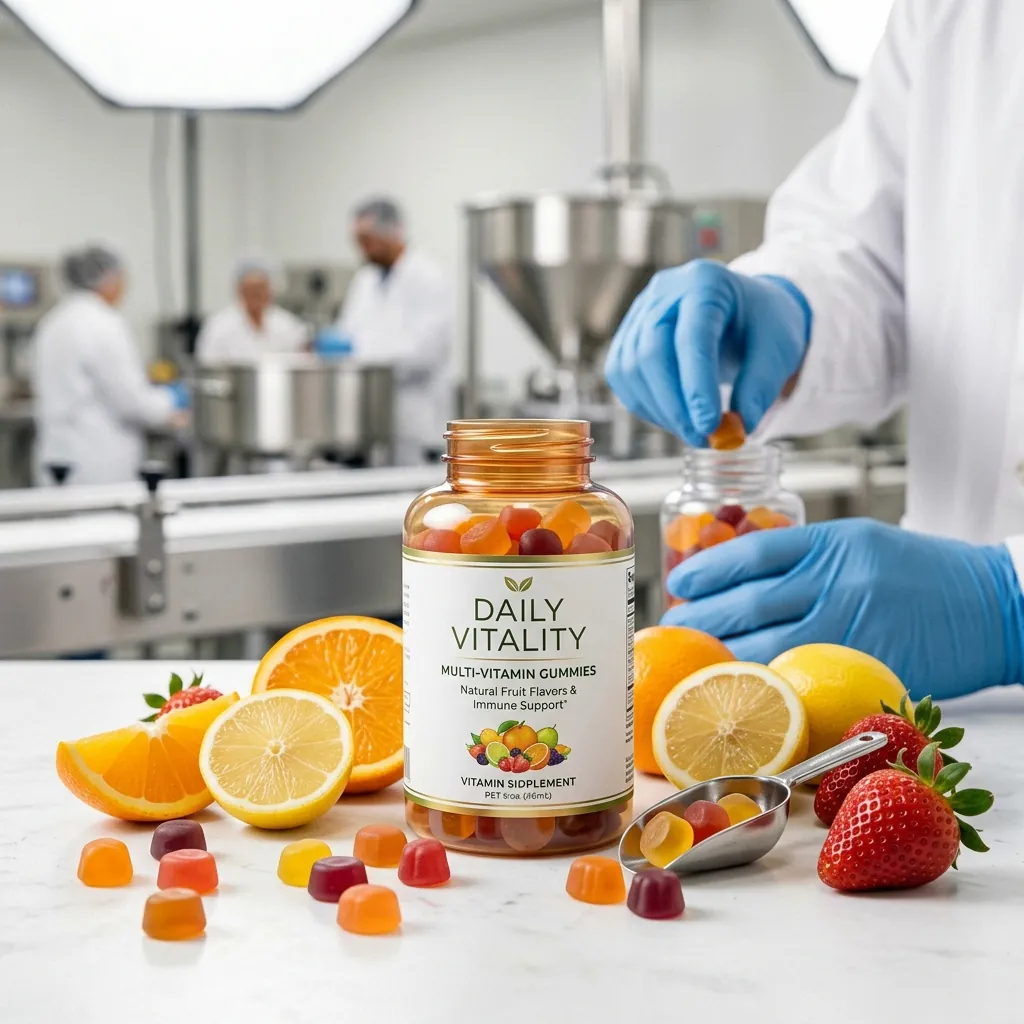
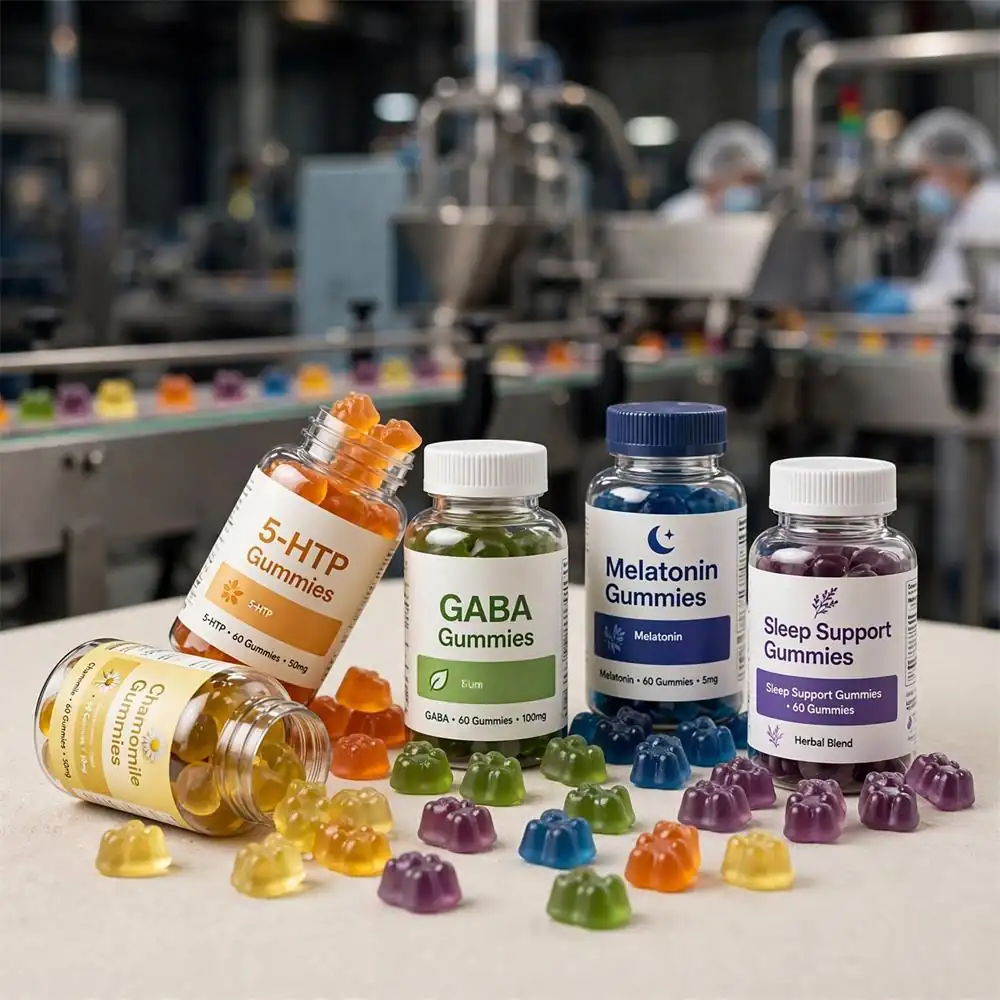
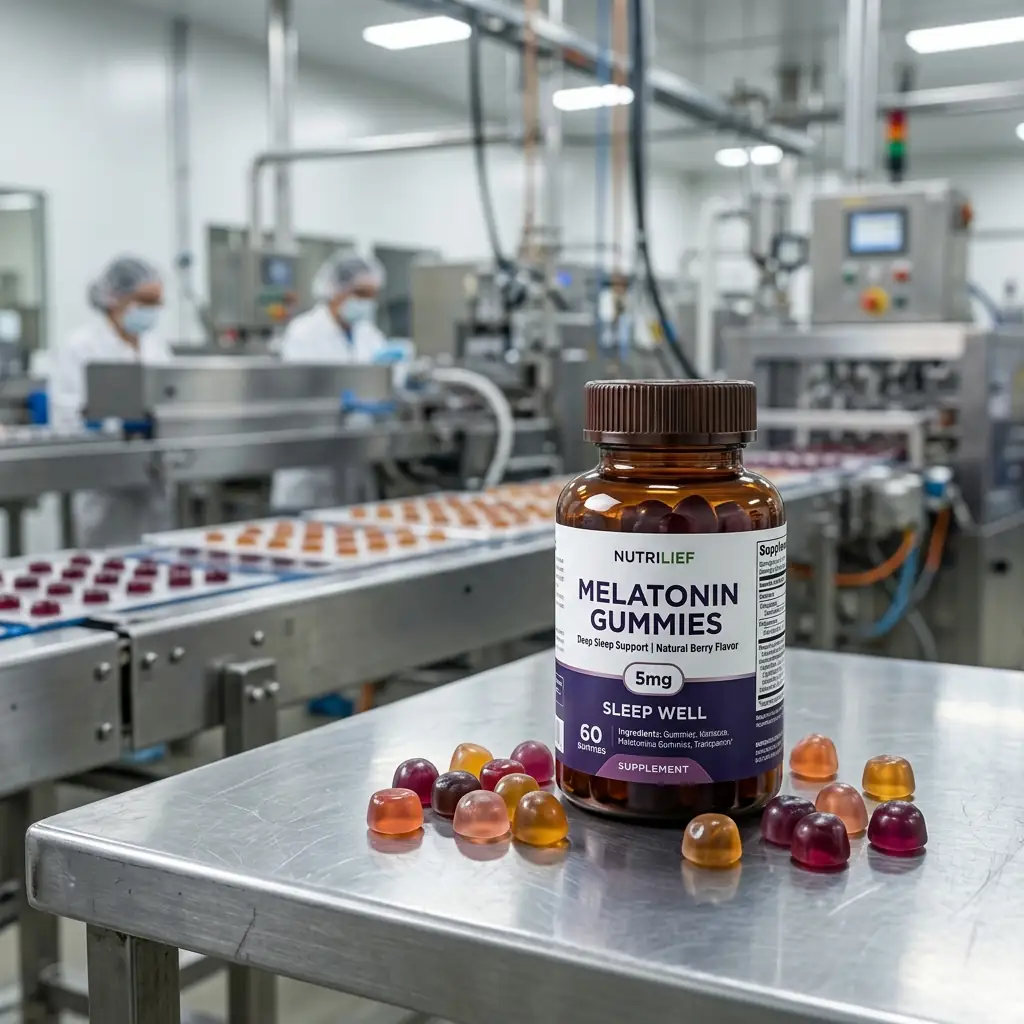
The comparison centers on how gummies move from formulation to finished product. A factory setting standardizes each stage—mixing, depositing, cooling, demolding, and coating—using calibrated equipment and documented procedures. A workshop setting often handles the same stages with smaller batch equipment, less automation, and fewer formal checkpoints.
Industry Background
Gummy supplement production grew out of confectionery manufacturing techniques, adapted over time to incorporate active ingredients, dosing accuracy, and supplement-grade quality controls. As consumer demand for gummy formats expanded, manufacturers split into two general tiers: established gummy factories serving brand-scale orders, and smaller operations serving niche, local, or experimental production needs.
Business Relevance
Order volume, target market, and regulatory exposure all influence which model fits a given business. Brands selling nationally or internationally generally need the consistency and documentation a factory provides. Businesses testing a new formula or serving a small regional market may find a workshop sufficient for early-stage validation.
Key Differences vs. Alternative Formats
Compared to a small workshop, a factory environment generally provides standardized batch records, environmental controls (such as cleanroom classifications), and access to third-party testing. A workshop may offer lower minimum order quantities and faster informal communication, but typically lacks the infrastructure for large-scale, audited production.
Advantages and Limitations
Factories offer scalability, traceability, and certification support, but usually require higher minimum order quantities (MOQ) and longer lead times for first-run setup. Workshops offer flexibility and lower entry barriers, but often cannot support volume growth, consistent batch-to-batch quality, or formal compliance documentation required by retailers or import regulations.
Who Should Consider Each Option
Established brands, distributors, and OEM/ODM buyers planning national or international distribution generally benefit from factory-based production. Early-stage entrepreneurs validating a concept with very small runs may start with a workshop before transitioning to a certified Gummy Contract Manufacturing partner as volume increases.
Compliance and Quality Considerations
Regulatory bodies and retail partners increasingly require documentation such as GMP compliance, ingredient traceability, and batch testing records. Factories are more likely to maintain these systems as a standard part of operations, while workshops may not have the infrastructure to generate or retain this documentation consistently.
What Businesses Should Evaluate Before Sourcing
Before selecting a production partner, businesses should review certification status, production capacity, batch record practices, raw material sourcing transparency, and the supplier’s experience with similar product types. These factors determine whether a partner can support both initial launch and future scale-up.
| Comparison Factor | Gummy Factory | Small Workshop |
|---|---|---|
| Product Form | Gummies, vitamin gummies, functional gummies in multiple shapes | Basic gummy shapes, limited variety |
| Key Materials / Ingredients | Pectin, carrageenan, gelatin, active ingredients sourced under documented supply chains | Basic gelling agents, sourcing often less documented |
| Manufacturing Process Highlights | Automated mixing, depositing, cooling, and coating lines | Manual or semi-manual batch processing |
| Quality Standards | GMP, ISO9001, ISO22000, HACCP, third-party testing | Often informal or limited internal checks |
| Packaging Options | Bottles, pouches, blister packs, custom branding | Basic packaging, limited customization |
| Scalability & Production Capacity | High daily and annual output, suited to growth | Limited to small batch runs |
| Storage & Logistics | Controlled storage environments, established logistics partners | Basic storage, limited logistics infrastructure |
Practical Insights
From a B2B sourcing perspective, several practical factors separate factory and workshop production. Manufacturing quality and process control tend to be more consistent in a factory setting, where standardized equipment reduces batch-to-batch variation. Raw material sourcing transparency is also typically stronger, as factories often maintain supplier documentation and traceability records.
Production scalability and lead time matter for brands planning future growth—factories can usually accommodate increasing order volumes without renegotiating capacity, while workshops may hit capacity limits quickly. Compliance and documentation readiness is another differentiator, since factories are more likely to provide the certificates of analysis, GMP documentation, and testing reports that retailers and importers require.
Cost structure also varies: workshops may offer lower per-unit costs at very small volumes, but factories often achieve better economies of scale once order sizes grow. When evaluating a reliable supplier, B2B buyers should request facility certifications, sample batch records, and references from existing clients before committing to a production run.
B2B Decision Guide
Brands selecting a manufacturing partner should start by matching expected order volume to the supplier’s stated production capacity. In OEM/ODM projects, it is important to confirm whether the manufacturer can support formulation development, custom packaging, and private label requirements, rather than only basic production.
Assessing production capability involves reviewing facility certifications, equipment lists, and quality control procedures. For long-term partnerships, key criteria include consistent communication, transparent pricing, documented lead times, and a track record of meeting regulatory requirements across multiple markets.
Risk control and quality assurance checkpoints should be built into the sourcing process, including pre-production sample approval, in-process quality checks, and finished product testing. Buyers planning to scale should prioritize partners capable of supporting both current order sizes and future volume increases without requiring a change of supplier.
Conclusion
Choosing between a gummy factory and a small workshop depends on a brand’s current order volume, compliance requirements, and growth trajectory. Factories generally offer the certification, scalability, and documentation needed for sustained commercial distribution, while workshops may serve a narrower role in early-stage product testing. For businesses planning long-term B2B partnerships, aligning sourcing decisions with production capability and quality assurance standards is a strategic priority.
FAQ
What is the difference between a gummy factory and a small workshop?
A gummy factory uses standardized, certified production processes at scale, while a small workshop typically relies on manual processes and smaller batch sizes with less formal quality oversight.
Why does this distinction matter for manufacturers and brands?
It affects product consistency, regulatory compliance, and the ability to scale production to meet growing demand.
How does a gummy factory compare to a small workshop for OEM/ODM projects?
Factories are generally better equipped for OEM/ODM projects requiring formulation support, certification, and large production runs, while workshops are more limited in these capabilities.
What should businesses consider before sourcing gummy production?
Businesses should evaluate certification status, production capacity, raw material sourcing transparency, and the supplier’s quality control documentation.
What quality standards typically apply to gummy manufacturing?
Common standards include GMP, ISO9001, ISO22000, HACCP, and third-party testing, which are more consistently maintained in factory settings.
Can a small workshop transition into factory-scale production?
Some workshops grow into larger operations over time, but this typically requires significant investment in equipment, certification, and quality systems.
About Gothink Biotech
Shenzhen Gothink Biotech Co., Ltd. is a GMP-certified contract manufacturer specializing in gummy, capsule, tablet, powder, liquid, and drop supplement production. The company offers OEM, ODM, CMO, and CDMO services, supporting custom formulation development, bulk and wholesale supply, and private label manufacturing for global health brands. With a 100,000-class cleanroom, a 10,000-class pharmaceutical-grade R&D laboratory, daily production capacity of 16 tons, and an annual capacity of 5,000 tons, the company is positioned to support both initial production runs and long-term volume growth. Certifications include ISO9001, ISO22000, HACCP, FDA, HALAL, KOSHER, and Vegan, with a research team holding postdoctoral backgrounds from institutions including Caltech, Emory University, and Ohio State University. These capabilities support long-term B2B partnerships across formulation, manufacturing, compliance, and supply chain coordination.