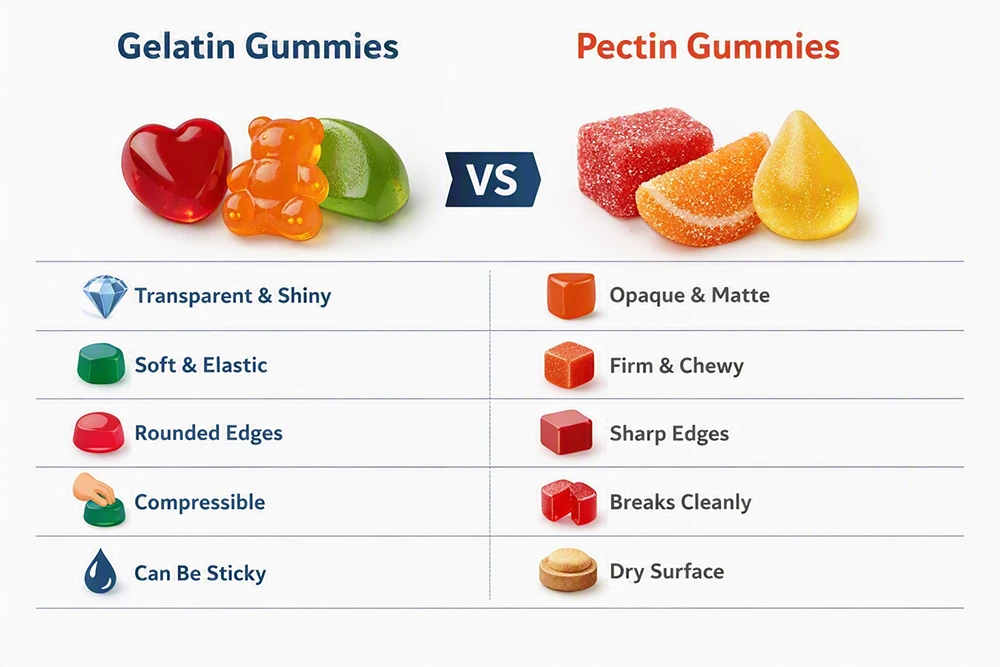

As a professional gummy manufacturer with over 12 years of experience producing private label gummies and OEM/ODM supplements for brands worldwide, I’ve formulated thousands of gummy recipes using both pectin and gelatin. The question I hear most from new and established dietary supplement brands is simple: “Should we use pectin or gelatin for our gummies supplement?” The answer is never one-size-fits-all — it depends on your target market, dietary claims, texture preference, cost targets, and stability requirements. In this guide, I’ll break down everything you need to know to make the right decision for your private label gummy or contract manufacturing project.
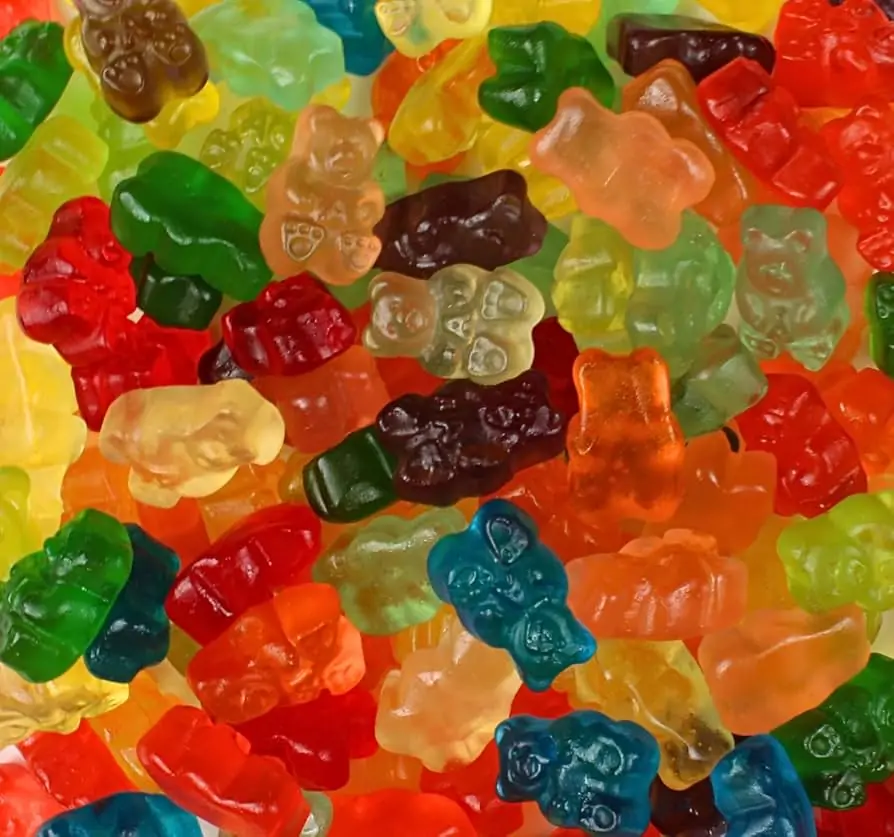
What is Gelatin and Why Has It Been the Traditional Choice for Gummy Manufacturing?
Gelatin is an animal-derived protein obtained from collagen (usually porcine or bovine). It has been the gold standard in gummy manufacturing for decades because:
- Delivers the classic chewy, bouncy “gummy bear” texture consumers love
- Excellent clarity and shine
- Lower raw material cost (typically 30–50% cheaper than fruit pectin)
- High heat stability during production
- Easy to work with in high-speed mogul lines
However, gelatin is not suitable for vegetarian, vegan, kosher, or halal products, and some consumers avoid it due to religious or ethical reasons.

What is Pectin and Why Are More Brands Switching in 2025?
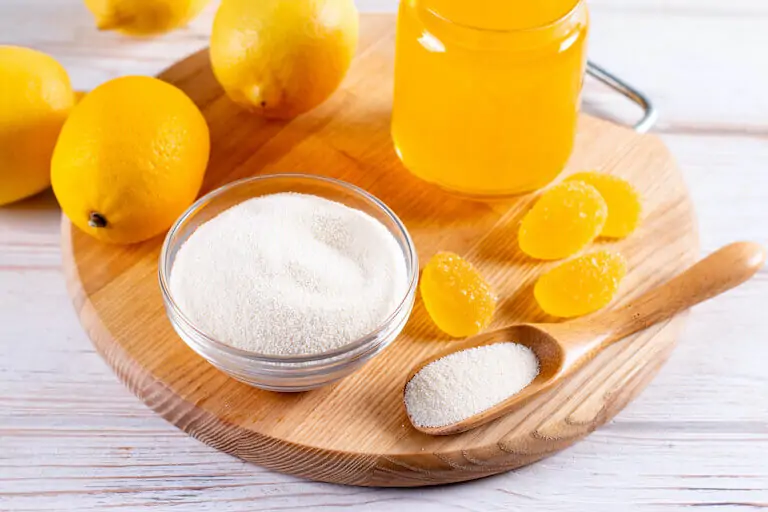
Pectin is a plant-based gelling agent extracted primarily from citrus peels and apple pomace. It has exploded in popularity among gummy manufacturers and private label brands for these reasons:
- 100% vegan and vegetarian-friendly
- Clean-label appeal (“fruit pectin” sounds more natural to consumers)
- Works well in low-sugar and sugar-free formulations
- Better heat stability after production (less melting in hot climates or during shipping)
- Naturally halal and kosher
The downside? Pectin requires more precise pH and brix control, is more expensive, and historically produced a slightly firmer or “shorter” bite compared to gelatin.
Head-to-Head Comparison: Pectin vs Gelatin for Gummies Supplement Production
| Factor | Gelatin | Pectin |
|---|---|---|
| Source | Animal (porcine/bovine/fish) | Plant (citrus/apple) |
| Dietary Compatibility | Non-vegetarian | Vegan / Vegetarian / Halal / Kosher |
| Texture | Classic soft, bouncy, long chew | Firmer, clean bite, fruit-candy like |
| Heat Stability (post-production) | Can melt above 32–35°C | Stable up to 45–50°C |
| Cost | Lower | 30–70% higher |
| Setting Speed | Fast (cold set) | Requires heat + acid to set |
| Sugar Flexibility | Works with high sugar | Excellent for low/no sugar |
| Transparency | Very high | High (can be slightly cloudy) |
| Shelf Life | 18–24 months | 18–24 months (often better in heat) |
Real-World Formulation Tips from Our Gummy Manufacturing Facility
- Hybrid Gels Are Now Mainstream Many top-selling private label gummy brands in 2025 use a gelatin + pectin blend (typically 70/30 or 50/50) to get the best of both worlds: perfect bounce + vegan-friendly heat resistance.
- Fish Gelatin for Premium “Marine” Positioning If you want to stay animal-derived but appeal to pescatarian consumers, marine collagen (fish gelatin) offers almost identical texture to porcine with a premium story.
- Low-Sugar or Keto Gummies? Pectin Wins Allulose, erythritol, and monk fruit pair far better with pectin. Gelatin recipes often become sticky or fail to set properly below 60 brix.
- Clean Label Strategy Consumers now read “citrus pectin” more favorably than “gelatin” or “carrageenan”. Even if cost is higher, the marketing advantage often justifies it.

Cost Impact When Working with an OEM/ODM Gummy Manufacturer
From real production runs in 2025,000–100,000 bottle projects:
- Standard gelatin vitamin gummy: $0.018 – $0.025 per piece
- Pectin vegan gummy: $0.028 – $0.040 per piece
- Gelatin + pectin hybrid: $0.022 – $0.032 per piece
The higher ingredient cost of pectin is often offset by stronger retail pricing power ($24.99–$34.99 vs $14.99–$19.99 for gelatin versions).
Summary: How to Choose the Right Gelling Agent for Your Next Private Label Gummy
Choose Gelatin if:
- You want the lowest cost, classic gummy texture, and your audience is not primarily vegan/vegetarian.
Choose Pectin if:
- You target vegan, kosher, halal, or clean-label consumers
- Your product ships to hot climates (Middle East, Southeast Asia, Southern US)
- You are launching low-sugar, keto, or functional mushroom/collagen alternatives
Choose Hybrid if:
- You want maximum market reach with a single SKU
- You need heat-resistant gummies without going 100% vegan
As a professional gummy manufacturer, we always recommend running small pilot batches (500–1,000 bottles) with both options before committing to full-scale OEM/ODM production.

FAQ About Pectin and Gelatin in Gummy Manufacturing
Q: Can pectin gummies taste as good as gelatin gummies? A: Yes. With modern buffers, citrus fibers, and natural flavors, most consumers can no longer tell the difference in blind-tested.
Q: Is pectin more expensive for private label brands? A: Yes, but the premium pricing and broader demographic reach usually generate higher margins.
Q: Do pectin gummies melt in summer shipping? A: No — this is one of pectin’s biggest advantages. They remain stable even in 40°C warehouse conditions.
Q: Can I claim “vegan” if I use fish gelatin? A: No. Only plant-based pectin (or agar, konjac, etc.) allows a true vegan claim.
Q: Which sets faster on a production line? A: Gelatin sets faster and is more forgiving, which is why many high-volume gummy manufacturers still prefer it for speed.
Ready to launch your own pectin or gelatin gummies supplement under private label or OEM/ODM? Contact our team for a free formulation consultation and pilot run quote — we specialize in vegan, sugar-free, and functional gummies that stand out on Amazon, Shopify, and retail shelves in 2025 and beyond.