 Dietary Supplement Manufacturer | Gummy,…




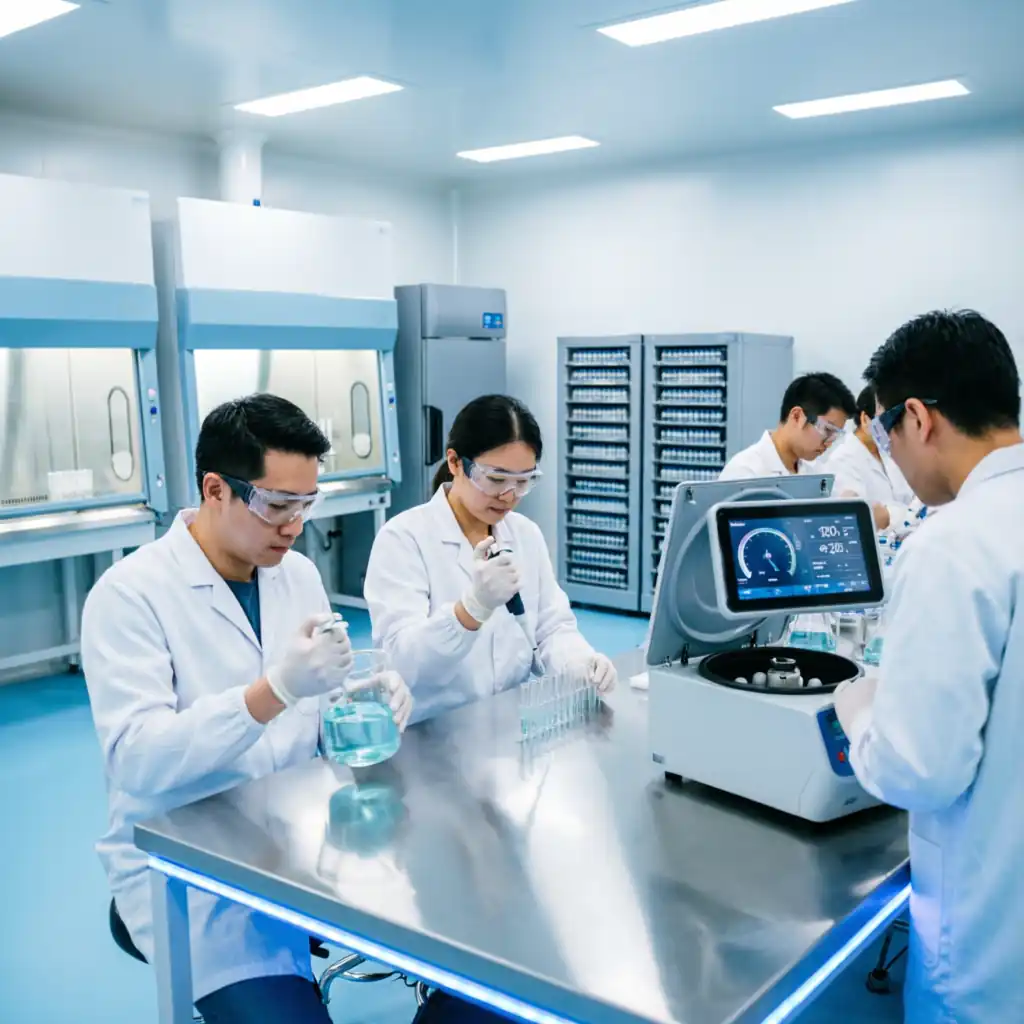
How to Develop a Gummy Supplement Formula for Commercial Production
Developing a gummy supplement that works in the lab is not the same as developing one that runs reliably on a commercial line. Many promising concepts fail during scale-up due…
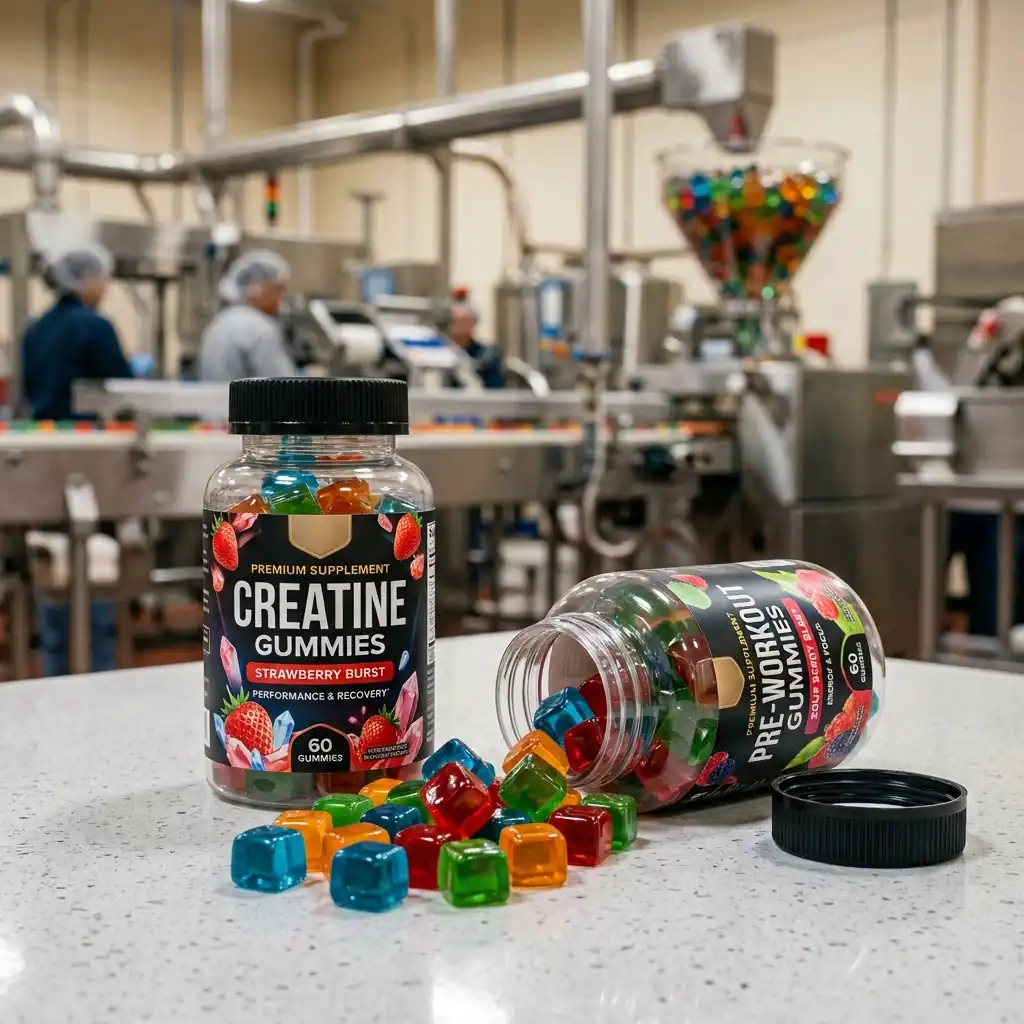
What Limits the Stability of Active Ingredients in Supplement Gummies
Active ingredient stability in gummies is limited by high water activity, low pH, heat exposure during cooking and depositing, oxygen and light, and chemical incompatibility between ingredients. A gummy is…
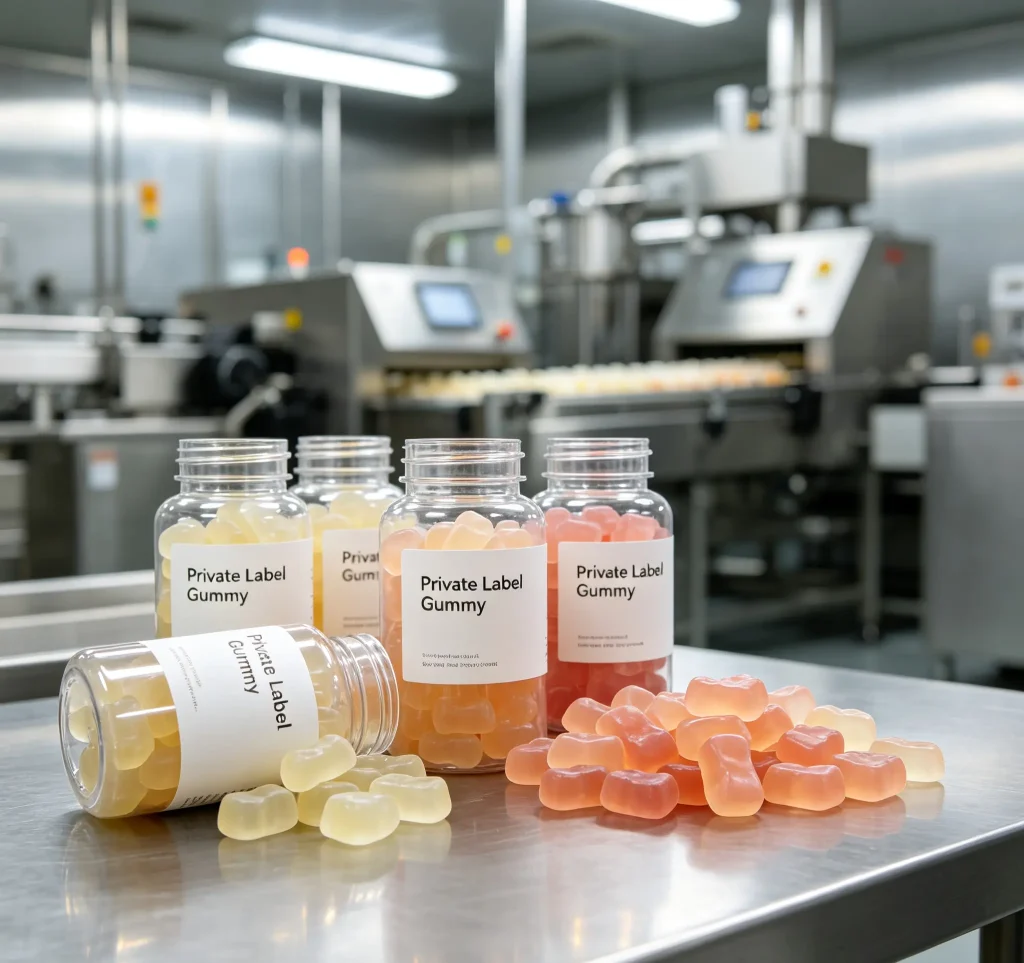
How Are Gummies Manufactured at Commercial Scale?
Commercial gummy manufacturing turns a supplement concept into a stable, accurately dosed, shelf-ready product through controlled gel cooking, precision depositing, conditioning, and GMP packaging. The right gummy manufacturer engineers the…
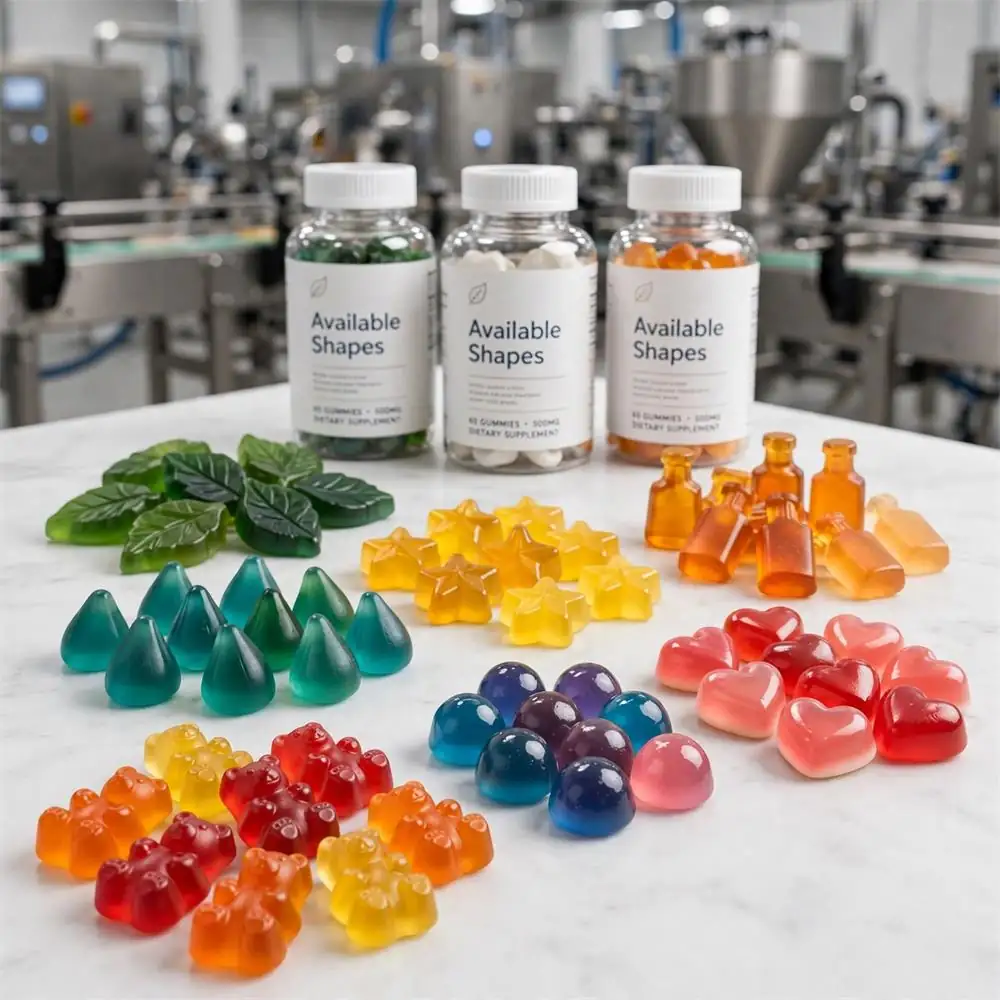
Gummy Manufacturing Process: A Step-by-Step Guide for Supplement Brands
Most gummy process guides describe a factory floor. This one starts earlier, with the specification a brand must lock before a manufacturer can make gummies that are stable, label-accurate, and…

Acetyl Glucosamine (N-Acetyl Glucosamine / NAG) for Joint Health Gummies: A B2B Guide
For supplement brands, private-label operators, and distributors evaluating joint-health ingredients, the terminology around “glucosamine” creates frequent confusion. One name in particular — Acetyl glucosamine — is often treated as a…
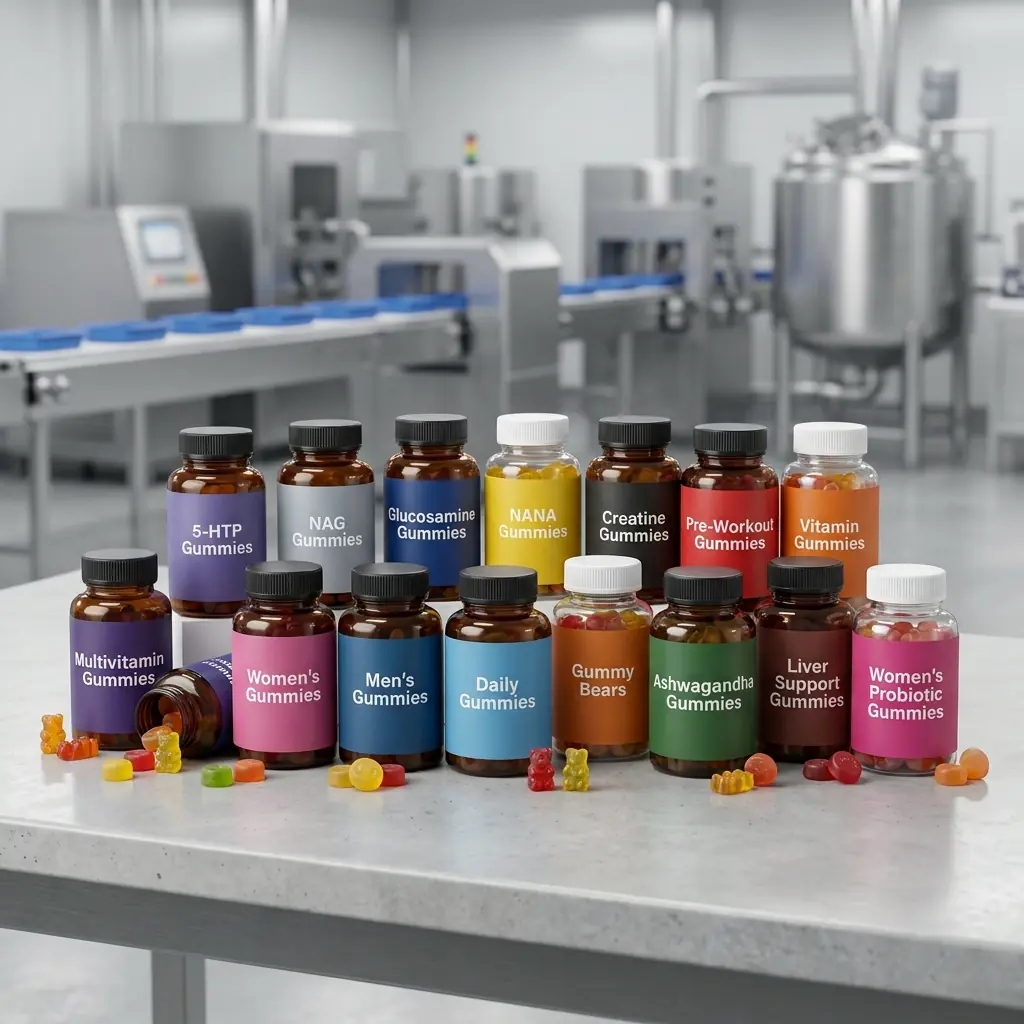
How to Make Gummies at Commercial Scale: Direct Answer
To make gummies at commercial scale you need to move from a kitchen recipe to a controlled manufacturing process: validated formulation, precise thermal processing, timed addition of heat-sensitive actives, automated…