

make gummies
-
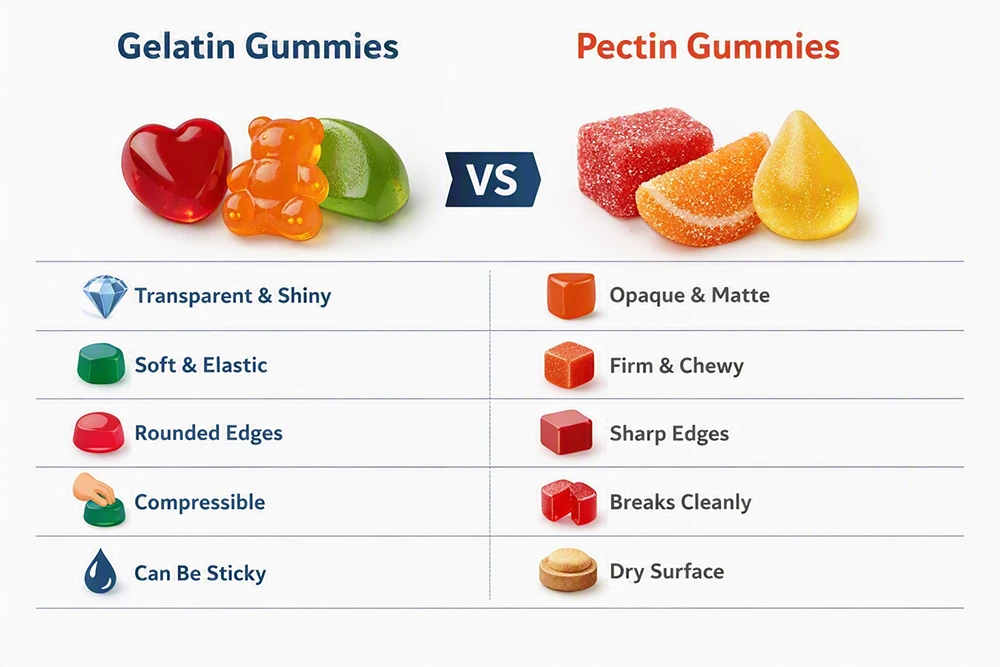
How to Make Gummies with Pectin vs Gelatin: Manufacturing Differences
Summary For private label supplement brands, the decision between pectin and gelatin is a manufacturing strategy decision, not a texture preference. It determines batching chemistry, cooking temperatures, depositing line speed, drying profiles, active ingredient stability, certification eligibility, and total cost per finished unit. This guide evaluates both gelling systems from a B2B supplier perspective and…
-
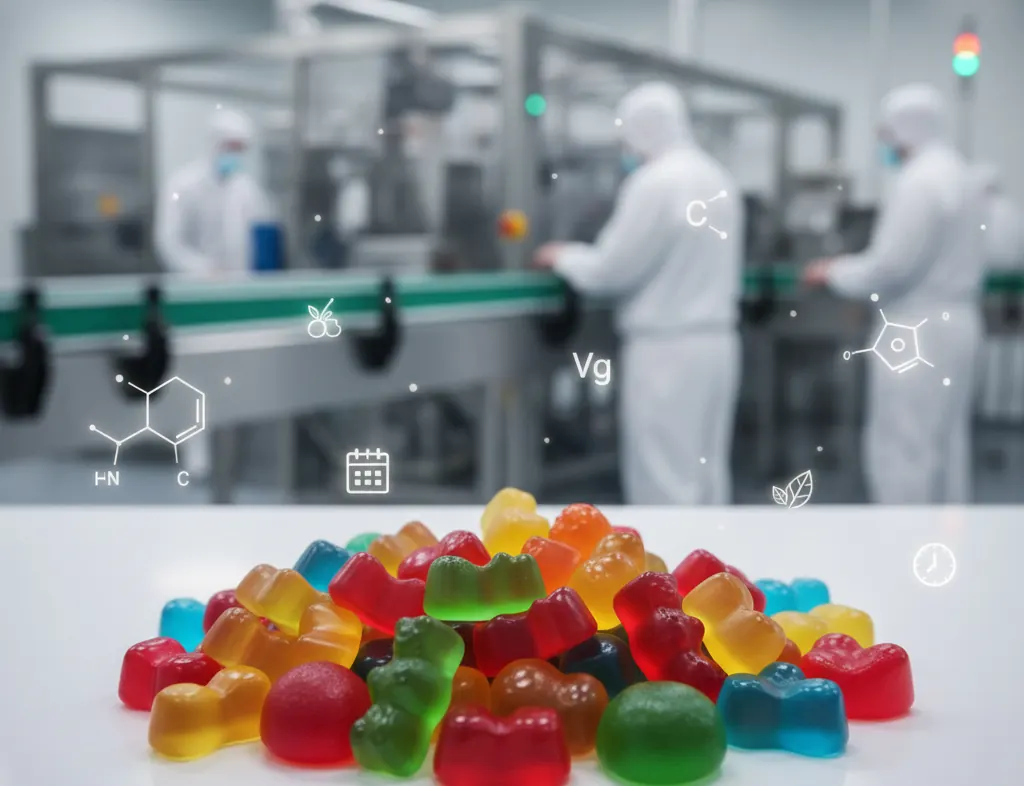
How to Make Gummies: Formula Development from Idea to Finished Product
The Formulation Bottleneck Holding Back Your Gummy Launch Taking a gummy concept from a sketch on a napkin to a stable, scalable product trips up more brand owners than almost any other supplement format. Whether you want to make gummies as a new brand or scale an existing line, understanding the engineering behind formulation is…
-
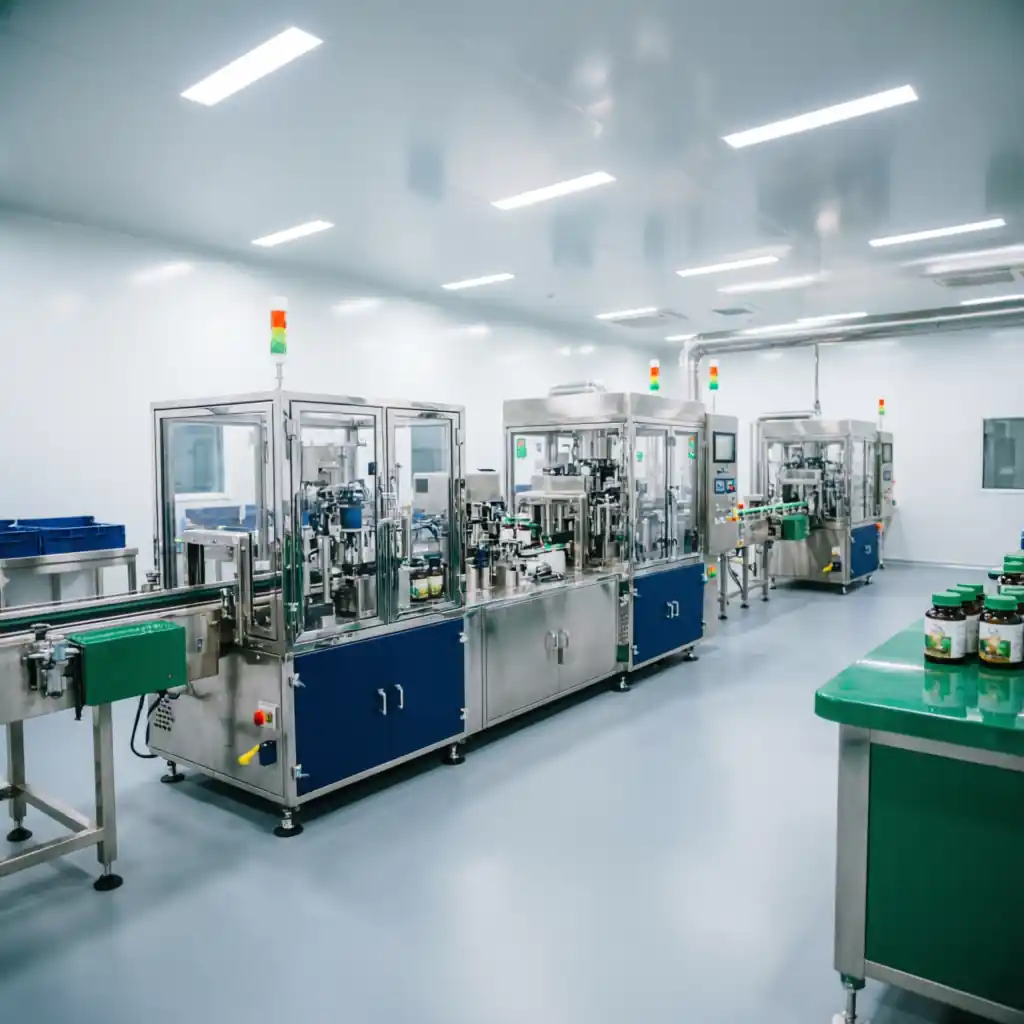
How to Make Gummies While Reducing Manufacturing Costs
Summary Cost-efficient gummy manufacturing requires a combination of formulation efficiency, scalable production processes, and smart material sourcing. Brands that understand where cost savings can be achieved without compromising quality are better positioned to compete in the growing functional gummy market. This article outlines the key technical and business factors that influence gummy production costs and…
-
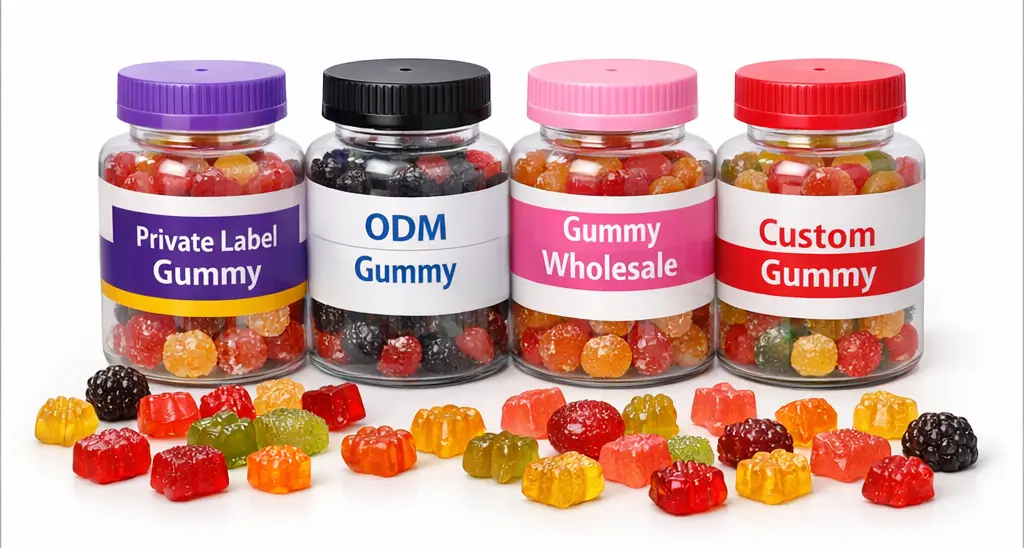
Top Private Label Gummy Formulas Trending in 2026
Summary In 2026, private label gummy demand is shifting toward functional, condition-specific formulas rather than basic multivitamins. For brands that want to make gummies that capture market share, categories such as creatine, pre-workout, sleep support, women’s health, and liver support gummies are seeing the fastest growth in B2B sourcing inquiries. For brand owners and distributors,…
-
Make Gummies Without a Gummy Factory: OEM Manufacturing Explained
Summary Launching a gummy supplement brand no longer requires owning production equipment, cleanrooms, or a formulation team—in short, you don’t need your own Gummy Factory. Through OEM (Original Equipment Manufacturer) partnerships, brand owners can make gummies at commercial scale by working with an established contract manufacturer that handles formulation, production, quality control, and packaging. This…
-
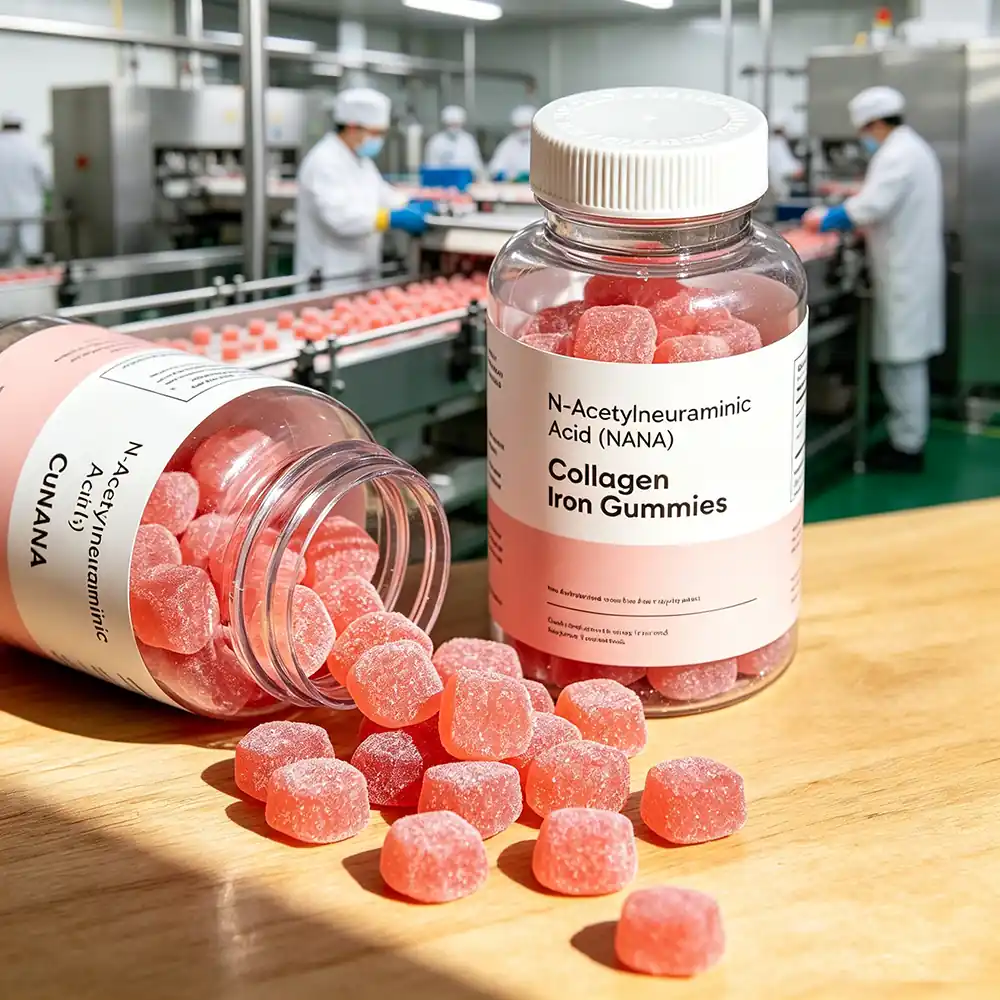
How to Make Gummies with a Trusted Gummy Manufacturer: Your Private Label Gummy Blueprint
Summary You don’t need your own factory to launch a successful gummy supplement line. A reliable gummy manufacturer handles everything from recipe development to final packaging under strict quality standards. This guide walks you through how to make gummies with an OEM partner, what to look for in a production facility, and how to build…
-
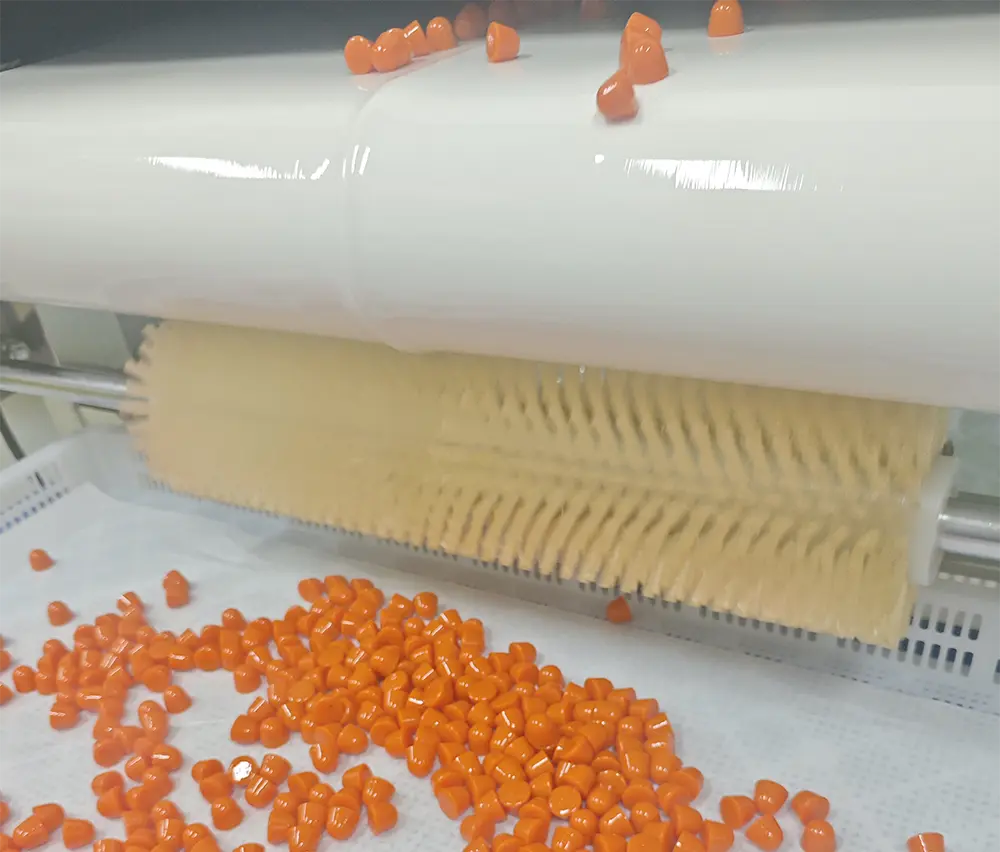
How to Make Gummies for Private Label Success
Making gummies for a private label brand involves formulation design, ingredient selection, manufacturing process control, and packaging customization. Understanding each stage helps brand owners choose the right manufacturing partner and avoid costly production mistakes. This guide outlines the key steps and business considerations involved in producing private label gummies at scale. Definition How to make…
-
How to Make Gummies Professionally: Everything Brand Owners Need to Know
Summary Making gummies professionally involves formulation development, precise ingredient sourcing, controlled cooking and depositing processes, and strict quality assurance under GMP-certified conditions. For brand owners, understanding this process is essential to selecting a capable manufacturing partner and bringing a safe, market-ready gummy product to launch. This overview explains what professional gummy manufacturing involves and what…
-
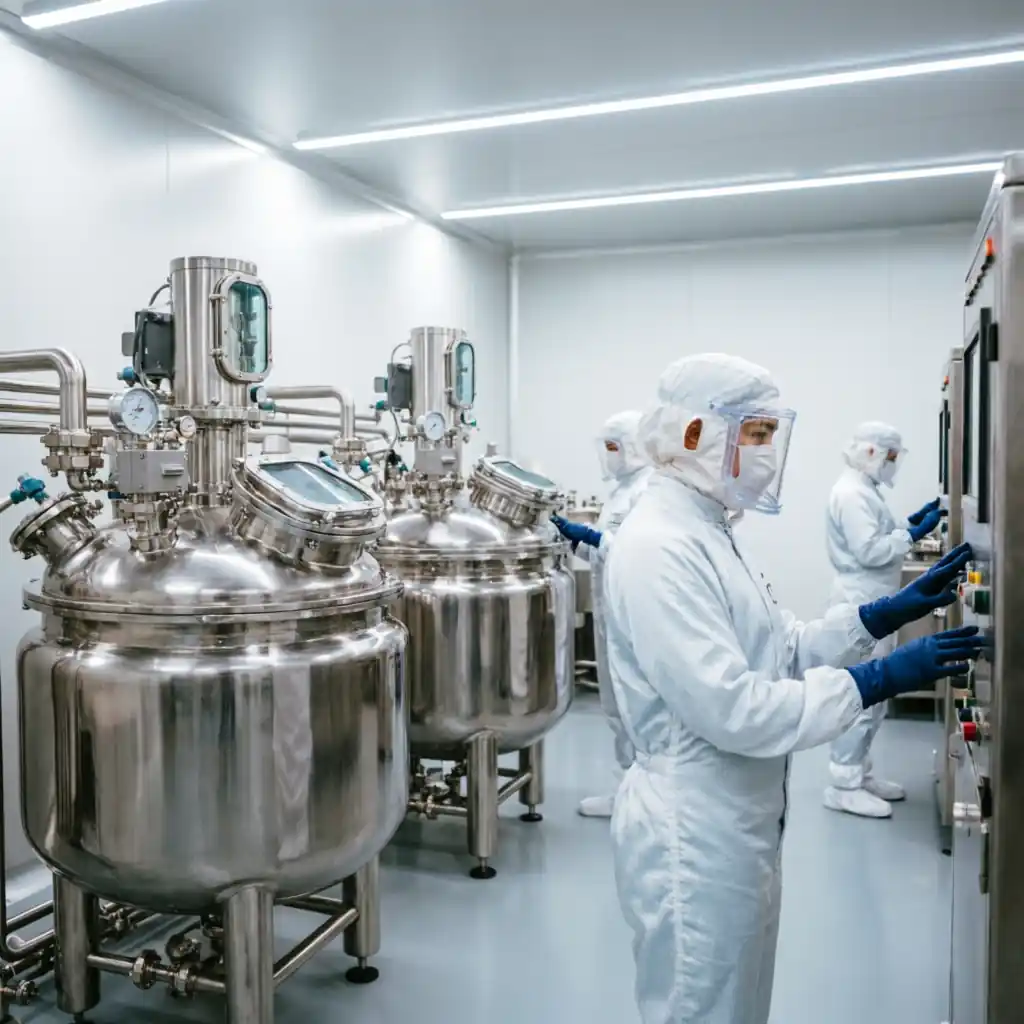
How to Make Gummies at Commercial Scale: From Formula to Packaging
概括 商业化生产软糖需要严格控制配方、烹煮、成型、干燥、包衣和包装等一系列步骤,且所有工序均需在符合GMP认证的条件下进行。对于品牌所有者和分销商而言,了解这一流程至关重要,有助于评估生产合作伙伴、规划生产时间表并确保产品质量的稳定性。本指南概述了商业化软糖的生产流程,以及B2B买家在采购前应评估的因素。 定义 商业化生产软糖是指将软糖配方通过标准化的阶段转化为成品包装产品的工业过程,这些阶段包括配料、烹煮、浇注、成型、干燥、涂层和包装,通常在符合 GMP 标准的工厂中执行,并在每个阶段设置质量控制检查点。 主要内容 商业规模软糖生产涉及哪些方面? 商业化软糖生产远非小批量或家庭作坊式的方法。它需要精确的配方控制、工业化烹饪设备、自动化浇注成型系统以及标准化的干燥和包衣工艺,旨在生产出形状、质地和效力一致的数千件产品。拥有合适的设备和质量控制体系的代工厂商可以生产出批次间完全符合规格的软糖。 行业背景 软糖补充剂已从一种新奇产品发展成为膳食补充剂行业增长最快的品类之一,这主要得益于消费者对口感好、服用方便的产品的偏好。这种增长促使制造商扩大生产规模,同时还要保持与药品同等的剂量精度和质量标准。 商业相关性 对于进入或拓展软糖品类的品牌而言,生产规模直接影响单位成本、交货周期和市场响应速度。供应链因素——包括原材料采购、设备产能和包装线灵活性——决定了制造商能否同时满足试订单和大批量订单的需求。 核心生产阶段 配方开发:选择胶凝剂(果胶、明胶或卡拉胶)、甜味剂、活性成分、香料和色素,然后测试其稳定性和口味。 烹煮与混合:在控制温度和时间的条件下将各种成分混合,以达到正确的粘度和溶解度。 浇注和成型:使用淀粉模具或硅胶模具系统将胶状混合物注入模具中,形成一致的形状。 干燥和固化:降低水分含量以达到目标质地和货架稳定性,通常需要 24-48 小时。 涂层:涂抹油或糖涂层以防止粘连并改善口感。 包装:灌装到瓶子、袋子或泡罩包装中,并贴上符合目的地市场监管要求的标签。 差异与替代格式 与胶囊、片剂或粉末相比,软糖需要额外的加工步骤来控制质地和形状,更长的干燥周期,以及更严格的储存湿度控制。这使得软糖的生产对设备和时间要求更高,但这种剂型在零售环境中更具吸引力,也更容易脱颖而出。 主要优势与局限性 优势包括更高的消费者接受度、口味和形状设计的灵活性以及更强的货架吸引力。局限性包括对生产和储存过程中的温度和湿度较为敏感、与片剂或胶囊相比活性成分含量通常较低,以及由于干燥要求而导致生产周期较长。 哪些人应该考虑商业软糖生产 对于推出新产品线的保健品品牌、寻求自有品牌选择的分销商以及需要定制软糖制造商的OEM/ODM 买家而言,此流程都具有重要意义。这些制造商能够从试点批次扩展到全面商业生产,而不会影响一致性。 合规性和质量方面的考虑 商业软糖生产应在具备GMP、ISO 9001、ISO 22000和HACCP认证的工厂进行,并在每个生产阶段都进行有据可查的质量控制。对于出口型生产,第三方进行效力、微生物安全性和重金属检测是标准做法。 企业在采购前应该评估哪些因素 在选择生产合作伙伴之前,买家应评估生产能力、最小订购量、配方灵活性、认证组合以及制造商提供支持目标市场监管合规性的文件的能力。 技术参数表 范围 细节 产品形式 软糖(果胶基、明胶基或卡拉胶基) 主要材料/成分 胶凝剂、甜味剂、活性成分、天然香料和色素 制造工艺亮点 烹煮、沉积、成型、干燥、涂层、包装 质量标准 GMP、ISO 9001、ISO 22000、HACCP、第三方检测 包装选项 瓶装、自立袋装、泡罩包装、小袋装 可扩展性和生产能力…
-
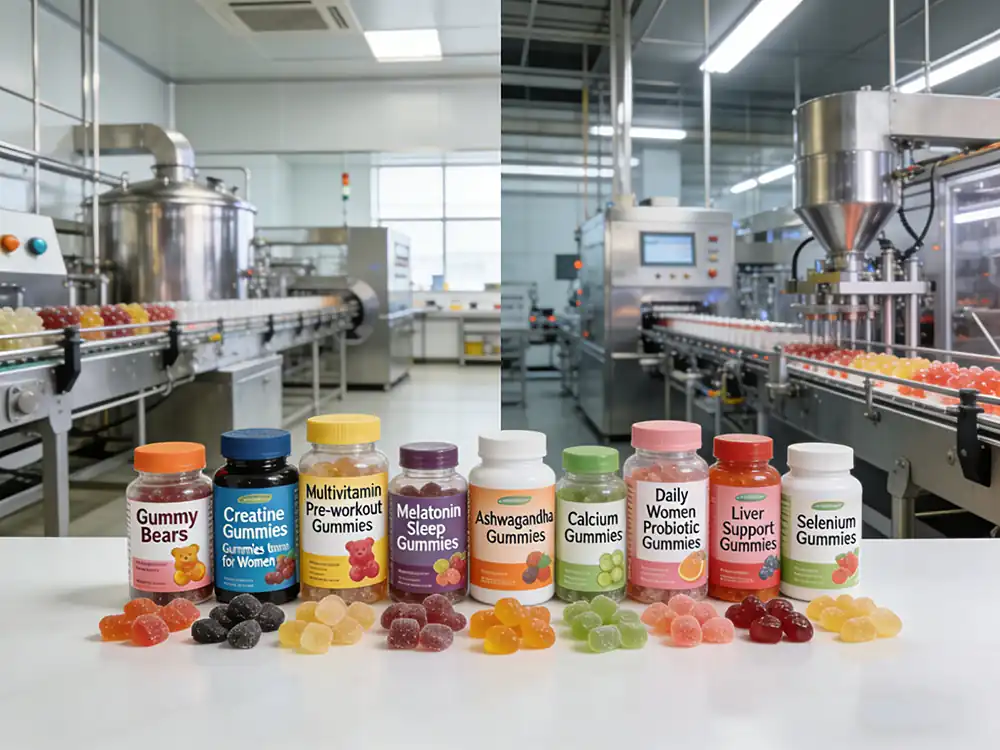
Why global brands are rushing into gummies, and why you should start to make gummies
Summary Gummy supplements have become one of the fastest-growing formats in the global nutrition industry, driven by consumer demand for convenient, enjoyable, and easy-to-consume products. For brand owners and entrepreneurs, this shift represents a low-barrier entry point into the supplement market, supported by mature contract manufacturing infrastructure. Understanding why this format is expanding, and what…