
Making gummies for a private label brand involves formulation design, ingredient selection, manufacturing process control, and packaging customization. Understanding each stage helps brand owners choose the right manufacturing partner and avoid costly production mistakes. This guide outlines the key steps and business considerations involved in producing private label gummies at scale.
Definition
How to make gummies for private label success refers to the structured process by which a brand works with a contract manufacturer to develop, produce, and package gummy supplements under its own brand name, covering formulation, sourcing, production, quality control, and market-ready packaging.
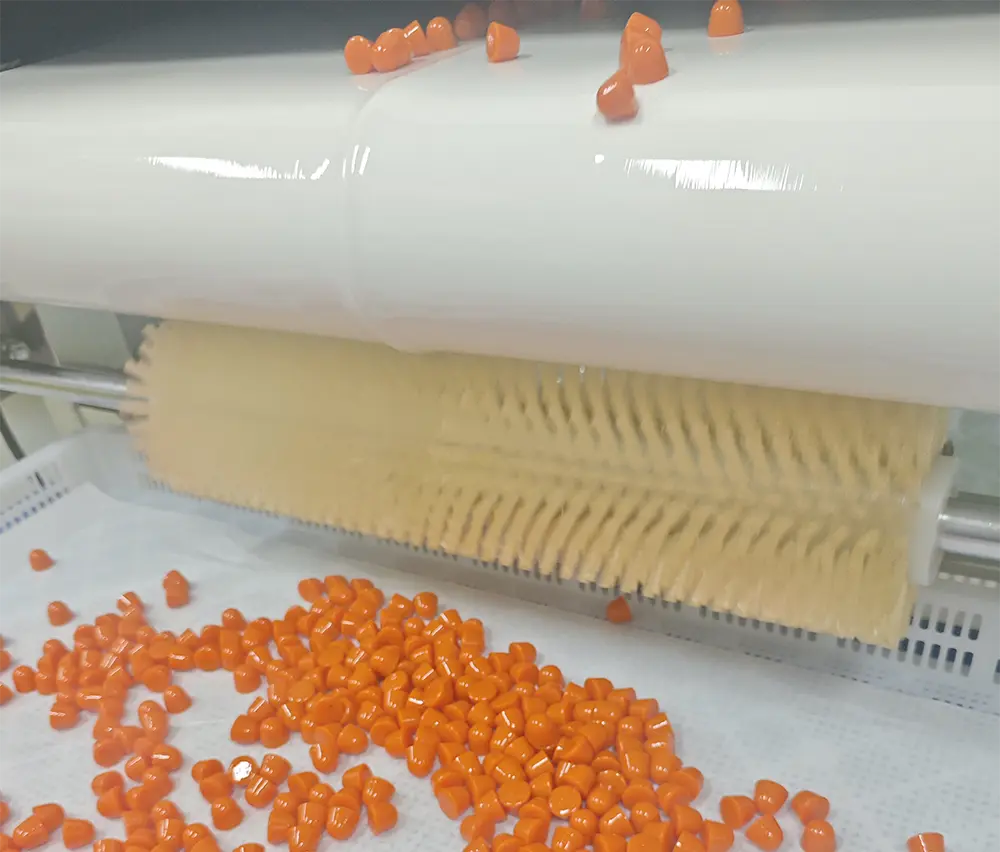
What Private Label Gummy Manufacturing Involves
Private label gummy manufacturing allows a brand to sell a product formulated and produced by a third-party manufacturer, then packaged and marketed under the brand’s own identity. The brand controls positioning, flavor direction, and packaging design, while the manufacturer handles formulation, production, and compliance documentation.
Industry Background
Gummy supplements have grown steadily as a preferred delivery format due to consumer preference for chewable, flavored products over traditional capsules and tablets. This demand has driven contract manufacturers to expand gummy production lines, invest in flavor and texture R&D, and offer broader customization options for private label brands entering the category.
Business Relevance
For brand owners, understanding the private label gummy production process supports better supplier evaluation, more accurate cost forecasting, and realistic production timelines. It also helps brands anticipate compliance requirements before committing to a specific formulation or manufacturing partner.
Key Steps to Make Gummies for Private Label Success
The typical process to make gummies for a private label brand includes the following stages:
- Concept and formulation consultation with the manufacturer
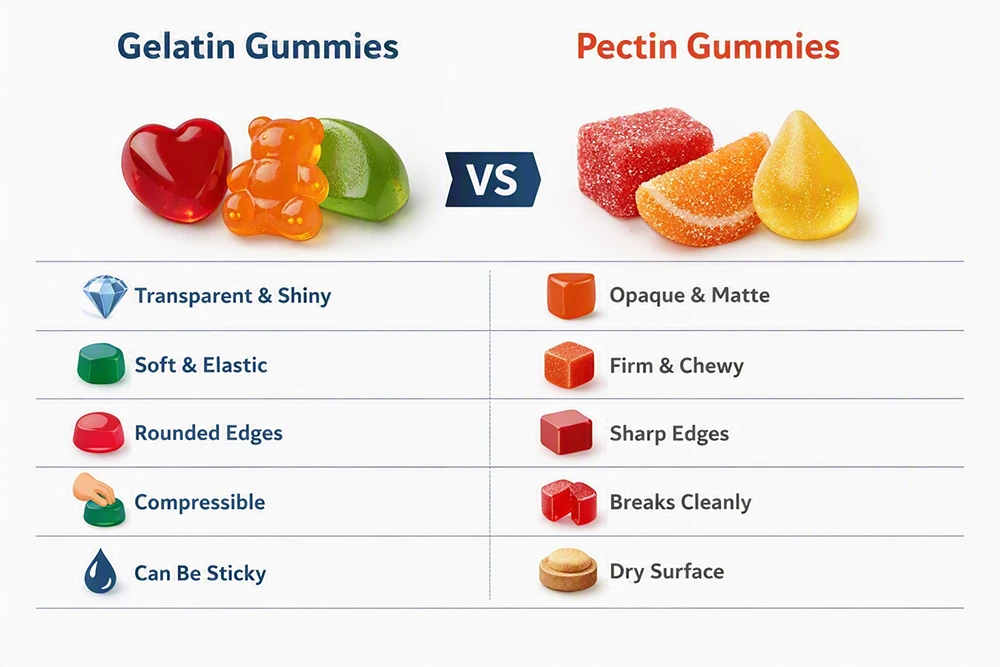
- Selection of active ingredients, gelling agents (pectin, gelatin, or carrageenan), flavors, and colors
- Sample development and formula adjustment based on taste, texture, and stability testing
- Scale-up trial production to confirm consistency at commercial volume
- Full-batch manufacturing under GMP-controlled conditions
- Quality control testing, including microbial and stability checks
- Packaging design finalization and labeling compliance review
- Logistics coordination for shipment to target markets
Differences vs. Alternative Formats
Compared to capsules, tablets, or powders, gummies require additional formulation work around sugar or sugar-free bases, moisture control, and shelf-life stability. Gummies also tend to have higher minimum order quantities and longer development timelines due to flavor and texture optimization, but they typically offer stronger shelf appeal and consumer compliance.
Key Advantages and Limitations
Advantages of the gummy format include broad consumer appeal, flexibility in flavor and functional combinations, and strong retail shelf presence. Limitations include sensitivity to heat and humidity during storage, more complex formulation requirements for active ingredient stability, and generally higher per-unit costs compared to tablets or capsules.
Who Should Consider This Format
This process is relevant for supplement brands, online sellers, retailers, and distributors seeking to launch or expand a gummy product line. It is also relevant for procurement managers and R&D personnel evaluating a custom gummy manufacturer for OEM or ODM production.
Compliance and Quality Considerations
Private label gummy production should follow GMP manufacturing standards, with documentation covering ingredient sourcing, batch testing, and finished product specifications. Brands should confirm that the manufacturer holds relevant certifications and can provide compliance documentation suited to the target export market.
What to Evaluate Before Sourcing or Producing
Before starting production, brands should evaluate the manufacturer’s certifications, minimum order quantity requirements, formulation capabilities, lead times, and willingness to support sample development. Reviewing past production capability and quality assurance processes helps reduce sourcing risk.
Technical Parameter Overview
| Parameter | Details |
|---|---|
| Product Form | Chewable gummy supplement, various shapes and sizes |
| Key Materials / Ingredients | Pectin, gelatin, or carrageenan base; active ingredients; natural or artificial flavors and colors |
| Manufacturing Process Highlights | Formulation development, depositing/molding, drying, coating, and packaging |
| Quality Standards | GMP, ISO 9001, ISO 22000, HACCP, FDA, third-party lab testing |
| Packaging Options | Bottles, pouches, blister packs, custom branded packaging |
| Scalability & Production Capacity | Trial batches to full commercial-scale production runs |
| Storage & Logistics Considerations | Cool, dry storage recommended; humidity and temperature control during shipment |
Practical Insights for B2B Buyers
Manufacturing quality depends heavily on process control during depositing, drying, and coating, since inconsistent conditions can affect texture and shelf stability. Brands should ask manufacturers for transparency on raw material sourcing, including origin and testing certificates for active ingredients.
Production scalability and lead time vary by formulation complexity and MOQ. Brands should confirm turnaround expectations early, particularly for sample development and first commercial batches. Compliance and documentation readiness, including certificates of analysis and safety data sheets, should be confirmed before finalizing a purchase order.
Cost structure considerations include raw material costs, packaging customization, and MOQ-based pricing tiers. A reliable supplier should be able to provide clear, itemized cost breakdowns and realistic lead-time estimates.
B2B Decision Guide
Brands typically choose a manufacturer based on certification credentials, formulation flexibility, MOQ requirements, and communication responsiveness. In OEM/ODM projects, it is important to clarify who owns the formulation, what customization options are available, and how quality issues will be handled.
Assessing production capability includes reviewing facility certifications, cleanroom classification, and daily or annual output capacity. For long-term partnerships, brands should prioritize manufacturers with consistent quality control, transparent documentation practices, and a track record of on-time delivery. Risk control checkpoints should include batch testing results, stability data, and clear escalation procedures for quality concerns.
Conclusion
Successfully bringing a private label gummy product to market depends on selecting a manufacturing partner with strong formulation expertise, reliable quality control, and scalable production capacity. Brands that evaluate certifications, documentation practices, and communication transparency upfront are better positioned to launch consistent, compliant, and market-ready gummy products.
FAQ
What does it mean to make gummies for private label success?
It refers to the process of working with a contract manufacturer to formulate, produce, and package gummy supplements under a brand’s own name and identity.
Why does private label gummy manufacturing matter for brands?
It allows brands to launch supplement products without owning manufacturing infrastructure, while relying on a manufacturer’s formulation expertise and production capacity.
How does gummy manufacturing compare to capsule or tablet production?
Gummy production generally requires more complex formulation work around moisture, texture, and stability, along with higher MOQs and longer development timelines.
What should businesses consider before sourcing a gummy manufacturer?
Businesses should evaluate certifications, MOQ requirements, formulation capabilities, lead times, and documentation transparency before committing to a supplier.
What quality standards apply to private label gummy manufacturing?
Common standards include GMP, ISO 9001, ISO 22000, HACCP, and FDA compliance, along with third-party testing for ingredient and finished product quality.
How long does it take to develop a private label gummy product?
Timelines vary based on formulation complexity, but typically include sample development, trial production, and scale-up before full commercial manufacturing begins.
About Gothink Biology
This article is provided by Gothink Biology, a globally recognized dietary supplement manufacturer, offering comprehensive OEM, ODM, CMO, and CDMO services.
Shenzhen Gothink Biology Technology Co., Ltd. is a global leading nutrition supplement supplier and dietary supplement manufacturer specializing in OEM, ODM, CMO, and CDMO services for health and wellness brands worldwide. With extensive industry expertise and international certifications including ISO9001, ISO22000, HACCP, FDA, HALAL, GMP, KOSHER, BRC, FSSC 22000, PJPH, and Vegan, we deliver high-quality custom formulation, contract manufacturing, and wholesale solutions for B2B clients across global markets.
For more information, please visit our official website: https://gttbio.com/ or contact our expert team.