
Summary
Cost-efficient gummy manufacturing requires a combination of formulation efficiency, scalable production processes, and smart material sourcing. Brands that understand where cost savings can be achieved without compromising quality are better positioned to compete in the growing functional gummy market. This article outlines the key technical and business factors that influence gummy production costs and how B2B buyers can evaluate manufacturing partners accordingly.
Definition
How to make gummies while reducing manufacturing costs refers to the set of production strategies, material choices, and process optimizations used by contract manufacturers to lower per-unit costs of gummy supplements without sacrificing compliance, texture, or shelf stability. This involves decisions made at the formulation, equipment, and supply chain levels.
Main Content
What Cost-Efficient Gummy Manufacturing Involves
Cost-efficient gummy manufacturing combines formulation science with production planning. It covers ingredient selection, batch size optimization, mold design, drying time, and packaging efficiency. Each stage offers opportunities to reduce waste and improve throughput.
Industry Background
As gummy supplements have grown into one of the most popular delivery formats for vitamins, minerals, and functional ingredients, manufacturers have faced increasing pressure to keep gummy manufacturing costs manageable while meeting rising consumer demand for quality and variety. This has driven innovation in gelling agents, automated dosing systems, and modular production lines.
Business Relevance
For brand owners, production cost directly affects retail pricing, profit margin, and competitiveness. Understanding cost drivers allows brands to negotiate more effectively with manufacturers and select the right production scale for their business stage, whether launching a pilot batch or scaling to full retail distribution.
Differences vs. Alternative Formats
Compared to capsules, tablets, or powders, gummy manufacturing generally involves higher upfront formulation complexity due to taste masking, texture control, and stability of active ingredients in a hydrocolloid matrix. However, gummies often achieve stronger consumer engagement, which can offset higher per-unit costs through better sell-through rates.
Key Advantages and Limitations
Advantages of optimized gummy production include improved consumer appeal, flexible functional formulation, and strong shelf presence. Limitations include sensitivity to humidity, sugar or sugar-alternative cost fluctuations, and the need for precise process control to avoid inconsistent texture or dosing.
Who Should Consider Cost Optimization Strategies
Brand owners, distributors, and OEM/ODM buyers evaluating new product lines or renegotiating existing manufacturing contracts should assess cost optimization opportunities, particularly when planning for scale-up or entering price-sensitive markets.
Compliance and Quality Considerations
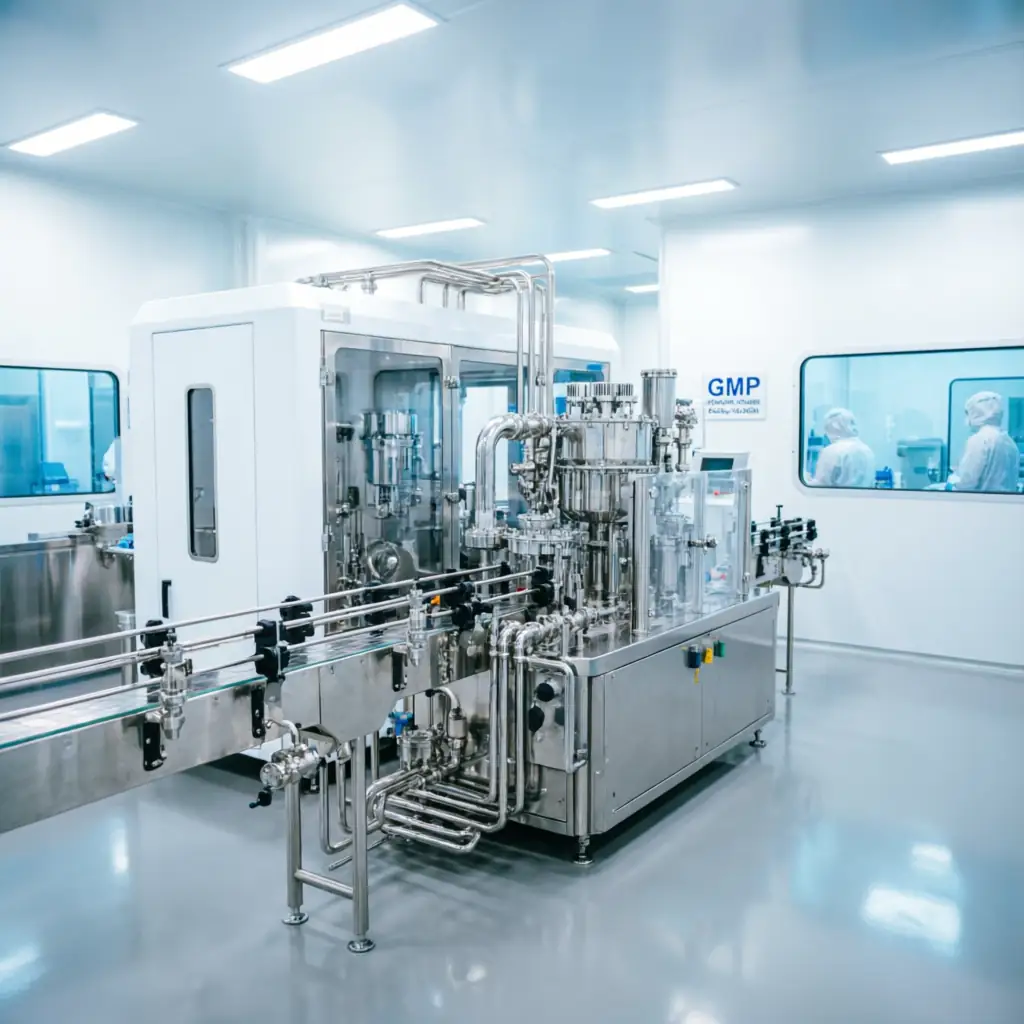
Cost reduction strategies must not compromise regulatory compliance. Manufacturers should maintain GMP-certified production environments and consistent quality testing regardless of cost-saving measures applied to formulation or process design.
What Businesses Should Evaluate Before Sourcing
Before committing to a manufacturing partner, businesses should evaluate minimum order quantities, ingredient sourcing transparency, production lead times, and the manufacturer’s ability to scale without significant cost increases per batch.
Technical Parameter Table
| Parameter | Details |
|---|---|
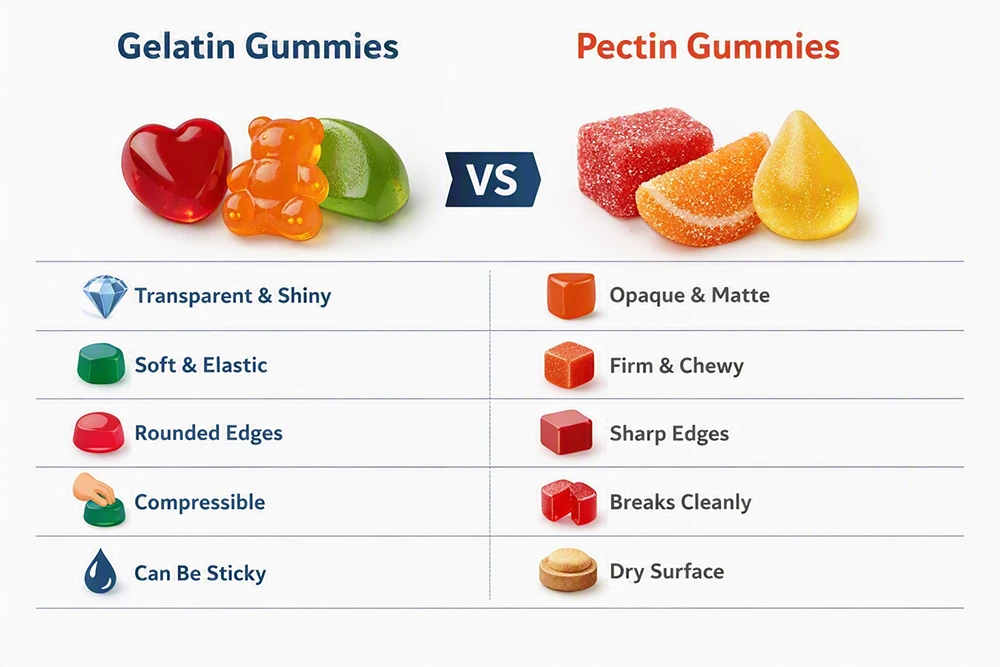
| Product Form | Pectin-based or gelatin-based gummies, various shapes and sizes |
| Key Materials | Pectin, carrageenan, gelatin, natural or artificial flavors, active ingredients |
| Manufacturing Process Highlights | Formulation development, cooking, molding, cooling, coating, and packaging |
| Quality Standards | GMP, ISO9001, ISO22000, HACCP, third-party laboratory testing |
| Packaging Options | Bottles, blister packs, sachets, pouches, custom private label packaging |
| Scalability and Production Capacity | Suitable for pilot batches through large-scale commercial production runs |
| Storage and Logistics | Requires temperature and humidity-controlled storage to preserve texture and stability |
Practical Insights
Manufacturing quality and process control play a central role in cost efficiency. Consistent process parameters reduce batch failures and rework, which directly lowers effective production costs. Raw material sourcing transparency also matters, since fluctuating ingredient prices and inconsistent supplier quality can increase costs unpredictably.
Production scalability and lead time affect overall cost structure, as manufacturers with flexible capacity can better accommodate demand changes without idle equipment costs or rushed production fees. Compliance and documentation readiness reduce the risk of costly regulatory delays or product recalls.
Cost structure considerations should include formulation complexity, packaging choices, and order volume, all of which influence the final per-unit price. When evaluating a reliable supplier, brands should look beyond quoted price to assess consistency, communication, and long-term production stability.
B2B Decision Guide
Brands choosing a manufacturer for cost-efficient gummy production should assess the supplier’s formulation expertise, equipment capabilities, and willingness to collaborate on cost-saving adjustments without compromising product integrity.
In OEM/ODM projects, what matters most is transparency around cost breakdowns, clear communication on minimum order quantities, and the manufacturer’s ability to provide sample runs before full-scale gummy manufacturing commitments.
Assessing production capability involves reviewing certifications, cleanroom classifications, and daily or annual production capacity to confirm the manufacturer can meet both current and future order volumes.
For long-term partnerships, key criteria include consistent quality control, responsive customer service, and a track record of on-time delivery. Risk control and quality assurance checkpoints should be clearly defined in any manufacturing agreement, including third-party testing and batch documentation.
Conclusion
Reducing gummy manufacturing costs is achievable through careful formulation planning, efficient production processes, and strategic supplier selection, without sacrificing product quality or compliance. Brands that partner with experienced manufacturers offering flexible scale and transparent cost structures are better equipped to grow sustainably in the competitive supplement market. Choosing to make gummies with a cost-conscious approach can improve long-term margin performance while maintaining consumer trust. To explore private label gummy solutions or discuss your custom gummy manufacturing project, reach out to our team today.
FAQ
What does cost-efficient gummy manufacturing mean?
It refers to production strategies that lower per-unit costs through formulation efficiency, process optimization, and smart sourcing, while maintaining quality and compliance.
Why does this matter for supplement brands?
Production cost directly affects retail pricing and profit margin, making cost optimization essential for maintaining competitiveness in the market.
How does gummy manufacturing compare to other formats in terms of cost?
Gummy production typically involves more formulation complexity than tablets or capsules but can offer stronger consumer engagement and sell-through rates.
What should businesses evaluate before sourcing a gummy manufacturer?
Businesses should evaluate minimum order quantities, ingredient sourcing transparency, lead times, and scalability before committing to a supplier.
What quality standards should apply to cost-optimized gummy production?
Regardless of cost-saving measures, manufacturers should maintain GMP certification and consistent third-party quality testing.
Is private label gummy manufacturing a cost-effective option for new brands?
Yes, private label gummy manufacturing allows brands to reduce development costs by using established formulations and production infrastructure, making it a practical entry point for new product lines. Ongoing gummy manufacturing relationships can further reduce costs as production volume and process familiarity increase over time.
About Gothink Biology
This article is provided by Gothink Biology, a globally recognized dietary supplement manufacturer.
Shenzhen Gothink Biology Technology Co., Ltd. is a global leading nutrition supplement supplier and dietary supplement manufacturer specializing in OEM, ODM, CMO, and CDMO services for health and wellness brands worldwide. With extensive industry expertise and international certifications including ISO9001, ISO22000, HACCP, FDA, HALAL, GMP, KOSHER, BRC, FSSC 22000, PJPH, and Vegan, we deliver high-quality custom formulation, contract manufacturing, and wholesale solutions for B2B clients across global markets.
For more information, please visit our official website: https://gttbio.com/ or contact our expert team.