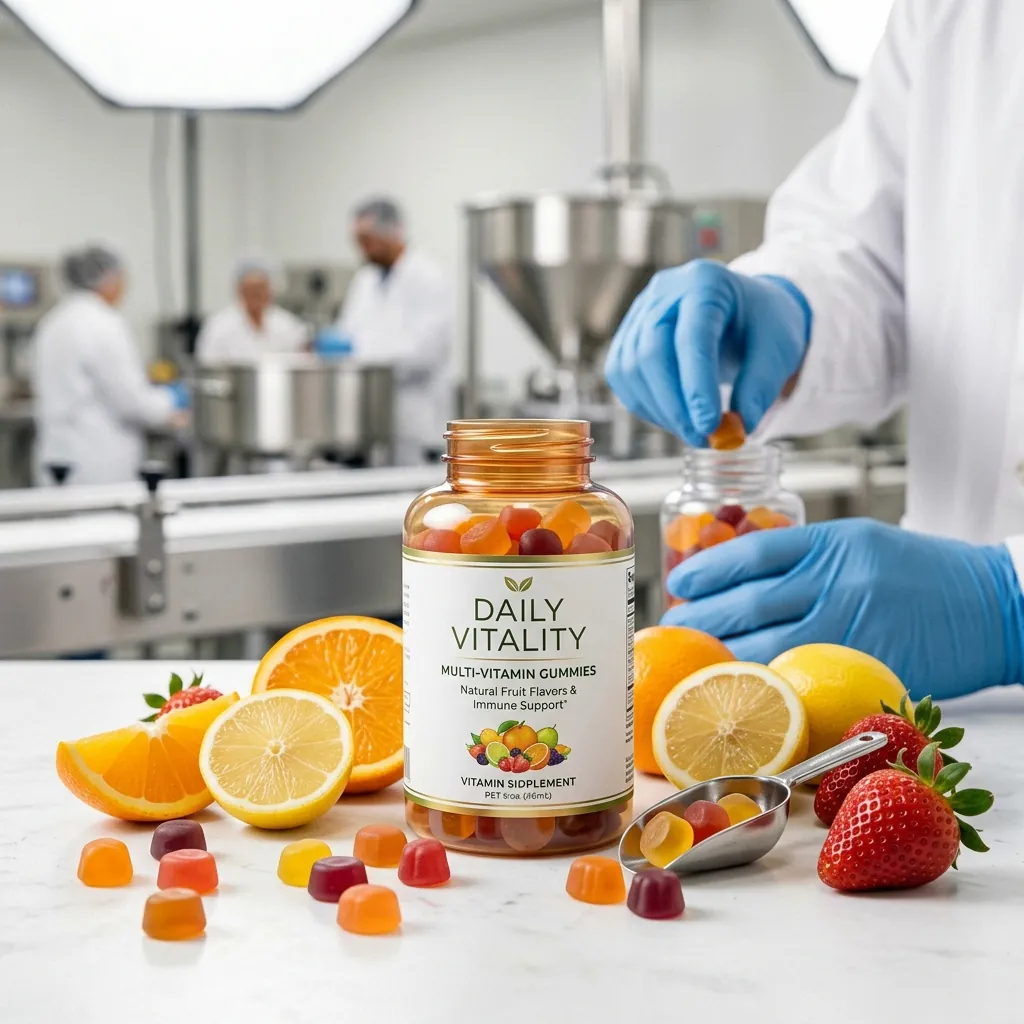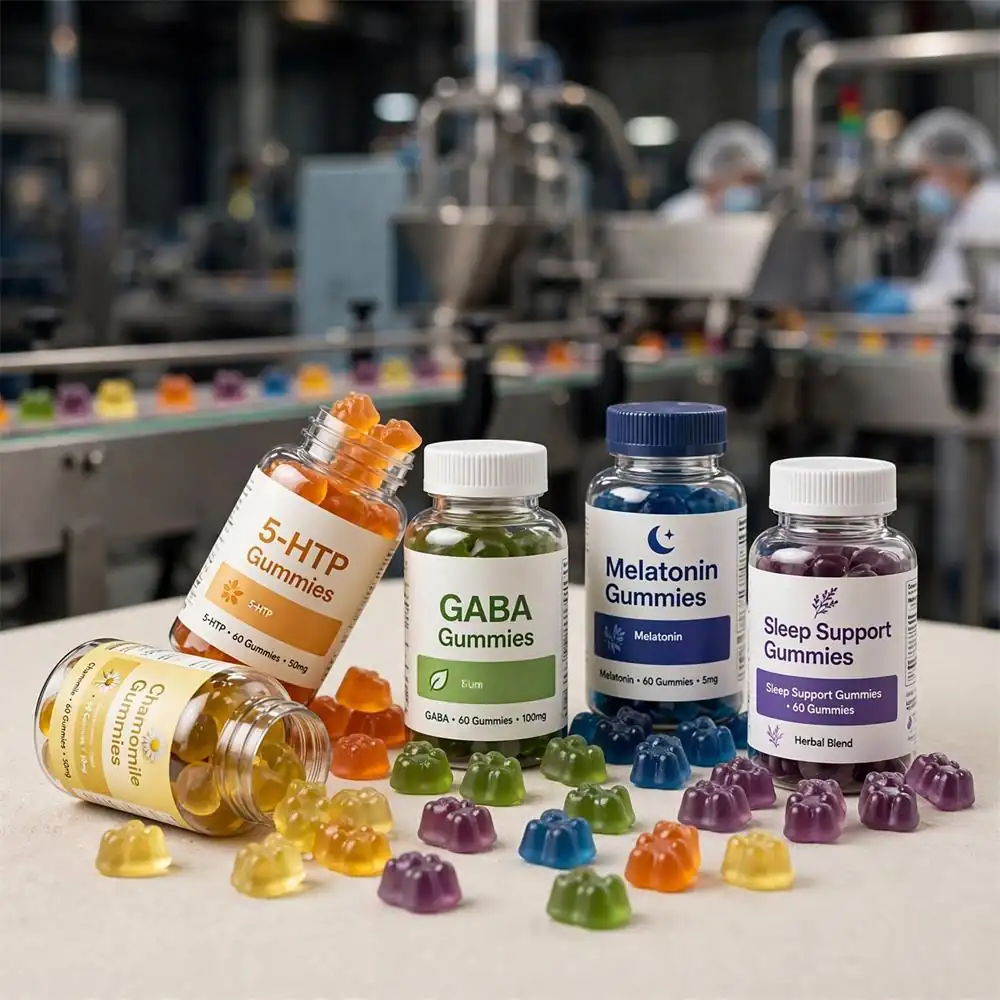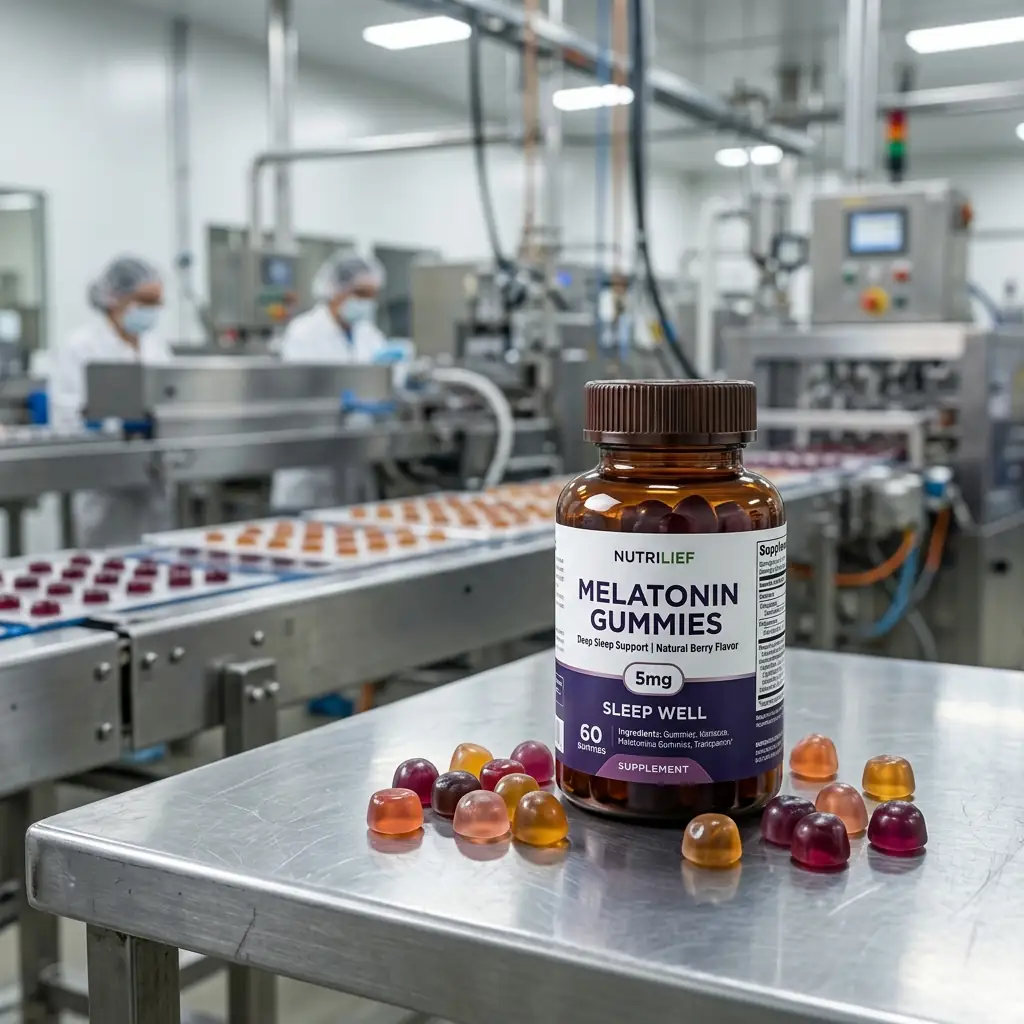

Starting a gummy vitamin, supplement, or candy brand has never been more popular — and for good reason. The global gummy market is projected to exceed $50 billion by 2028, driven by consumer demand for tasty, convenient health products. If you’re a brand owner, e-commerce seller, or wholesaler looking to launch or expand your own gummy line without building a factory from scratch, this guide is for you.
Written by a former product development manager with 12+ years working directly with leading gummies manufacturers in the U.S. and Asia, I’ll walk you through every practical step of creating high-quality gummies using professional OEM/ODM partners — exactly how successful brands do it today.
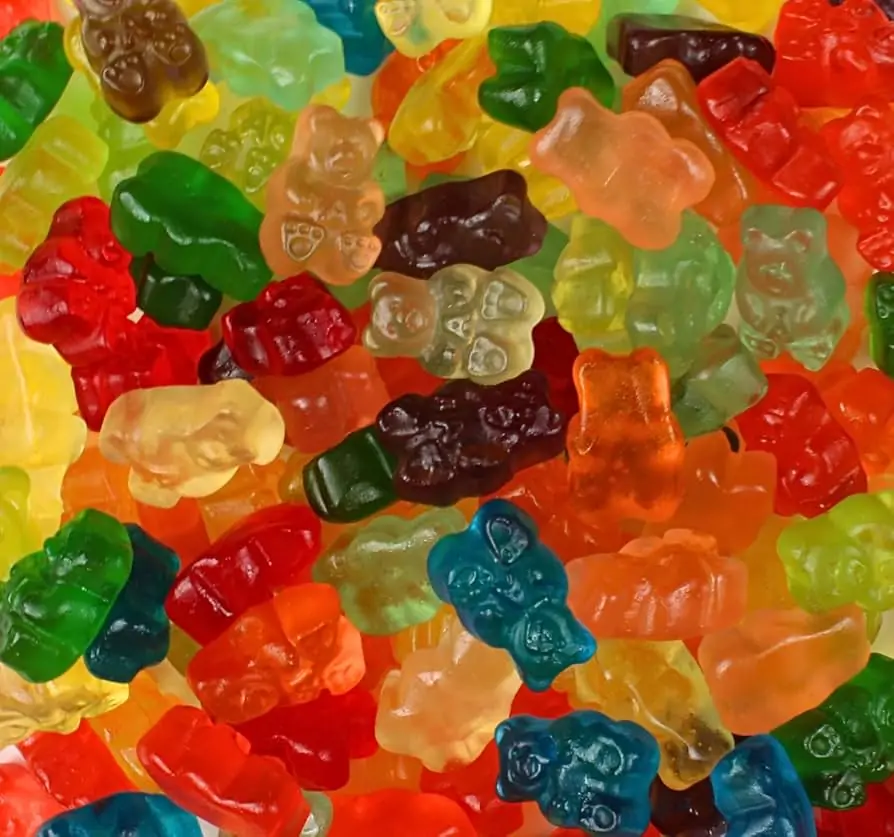
Why “Making Your Own Gummies” Almost Always Means Partnering with a Professional Manufacturer
Very few brands actually produce gummies in-house. The process requires GMP-certified facilities, expensive depositor machines, commercial kitchens, and strict regulatory compliance. Instead, 95%+ of successful gummy brands work with an experienced gummies manufacturer (also called gummies supplier or OEM/ODM factory).
Benefits of this approach:
- Lower minimum order quantities (MOQs) than ever — some factories now start at 5,00–10,00 bottles
- Faster speed-to-market (4–14 weeks vs. 12–24 months building your own facility)
- Built-in regulatory expertise (FDA, NSF, cGMP, Halal, Kosher, organic certifications)
- Access to trending ingredients (Ashwagandha, Elderberry, Collagen, Mushroom blends, etc.)
Step 1: Define Your Product Vision and Target Market
Before contacting any gummies manufacturer, answer these questions:
- Functional or recreational gummies? (sleep, immunity, beauty, energy, kids, etc.)
- Vegan or gelatin-based?
- Sugar-free, low-sugar, or full-sugar?
- Bottle count per unit and bottle size (60ct, 90ct, etc.)
- Target retail price point
Pro tip from experience: The most profitable gummies in 2025 are vegan + sugar-free + functional (e.g., sleep gummies with melatonin + L-theanine + magnesium).

Step 2: Find and Vet the Right Gummies OEM/ODM Partner
Not all manufacturers are equal. Look for these red flags and green flags:
Must-have certifications:
- FDA-registered + cGMP
- Third-party testing (NSF, UL, or Eurofins)
- In-house lab and stability testing
Top gummies supplier countries in 2025:
- United States (premium pricing, fastest shipping, best for Amazon FBA)
- Canada (strong natural health product regulations)
- China (lowest cost, improving quality, 8–10 week lead times)
- Turkey & India (competitive new players)
Ask every potential gummies manufacturer these 5 questions:
- Can you share 3–5 recent private-label clients in my niche?
- What is your real MOQ for a new formula?
- Do you provide COA, stability data, and heavy metal tests with every batch?
- Can you handle flavored + colored + shaped custom molds?
- What is your average lead time right now?

Step 3: Formula Development and Sampling
Professional gummies manufacturers offer three options:
- White-label / stock formulas (fastest & cheapest)
- Slight modification of existing formulas
- 100% custom formula (most expensive, 4–8 weeks longer)
Popular 2025 ingredients that sell:
- Ashwagandha + Saffron (stress/sleep)
- Citicoline + Lion’s Mane (focus)
- L-Citrulline (pre-workout/energy)
- Collagen + Vitamin C (beauty)
Expect to pay $800–$2,500 USD for 3–5 rounds of samples from a reputable gummies supplier.
Step 4: Packaging, Labeling, and Regulatory Compliance
Your OEM partner should provide:
- FDA-compliant label review (free or small fee)
- Nutrition facts panel creation
- Child-resistant cap options
- Custom bottle, box, or pouch design support
In 2025, winning packaging trends:
- Matte black bottles with metallic labels (premium feel)
- Eco-friendly recyclable bottles
- QR codes linking to clinical studies

Step 5: Production, Quality Control, and Shipping
A trustworthy gummies manufacturer runs multiple quality checks:
- Raw material testing
- In-process weight and hardness checks
- Finished product lab testing
- 12–36 month real-time stability studies
Most U.S. and Canadian factories can drop-ship directly to Amazon FBA or your 3PL.
How Much Does It Really Cost to Launch Your Own Gummy Brand in 2025?
Realistic first-order budget (10,000 bottles):
- Product cost: $1.80–$4.50 per bottle (depending on formula and country)
- Samples + mold fees: $1,000–$3,000 (one-time)
- Labels + packaging: $0.40–$0.90 per bottle
- Shipping + duties: $0.30–$0.80 per bottle
- Total landed cost: $3–$7 per bottle
Average retail price for premium gummies: $19–$39 → Healthy 60–80% margins possible.
Summary: Your Fastest Path to a Successful Gummy Brand
- Nail your product concept and pricing
- Shortlist 3–5 experienced gummies manufacturers with proper certifications
- Order samples and iterate quickly
- Finalize formula, packaging, and labeling
- Place production order and launch within 3–5 months
You don’t need to “make” the gummies yourself — you just need the right gummies supplier who acts as an extension of your team.

FAQ About Making Your Own Gummies as a Brand
Q: Can I start with only 1,000 bottles? A: Very few high-quality manufacturers accept under 1,000 bottles anymore. Stock formulas sometimes allow 500–1,000 MOQ.
Q: Gelatin vs. pectin — which is better? A: Pectin (vegan) is now the default for premium brands. It melts slower, handles heat better during shipping, and appeals to 40%+ of consumers who want plant-based.
Q: How long do custom molds take? A: 4–6 weeks for new shapes (e.g., stars, bears, fruits). Most gummies OEM factories charge $800–$2,000 per mold.
Q: Should I choose a U.S. or overseas gummies manufacturer? A: U.S. = higher cost but faster shipping and easier communication. Overseas = 40–60% lower cost but longer lead times and potential tariff risks.
Q: Do any manufacturers offer Amazon-compliant gummies? A: Yes — many top-tier gummies suppliers are Amazon FBA experts and provide all required documentation (COA, GMP certificate, third-party tests).
Ready to launch your own gummy brand the smart way? Partnering with an experienced gummies manufacturer is the proven shortcut used by virtually every successful brand on the market today.