
Abstract
Prenatal gummies represent a growing segment in the dietary supplement industry, offering a convenient and palatable alternative to traditional prenatal vitamins. As a form of gummies supplement, they are designed to support maternal and fetal health during pregnancy. This article explores the essentials of prenatal gummies, including their formulation, manufacturing considerations, and quality standards. Aimed at supplement merchants, private label brands, wholesalers, and those involved in gummy manufacturing, it provides practical insights to inform product development and sourcing decisions while adhering to regulatory guidelines.
What Are Prenatal Gummies?
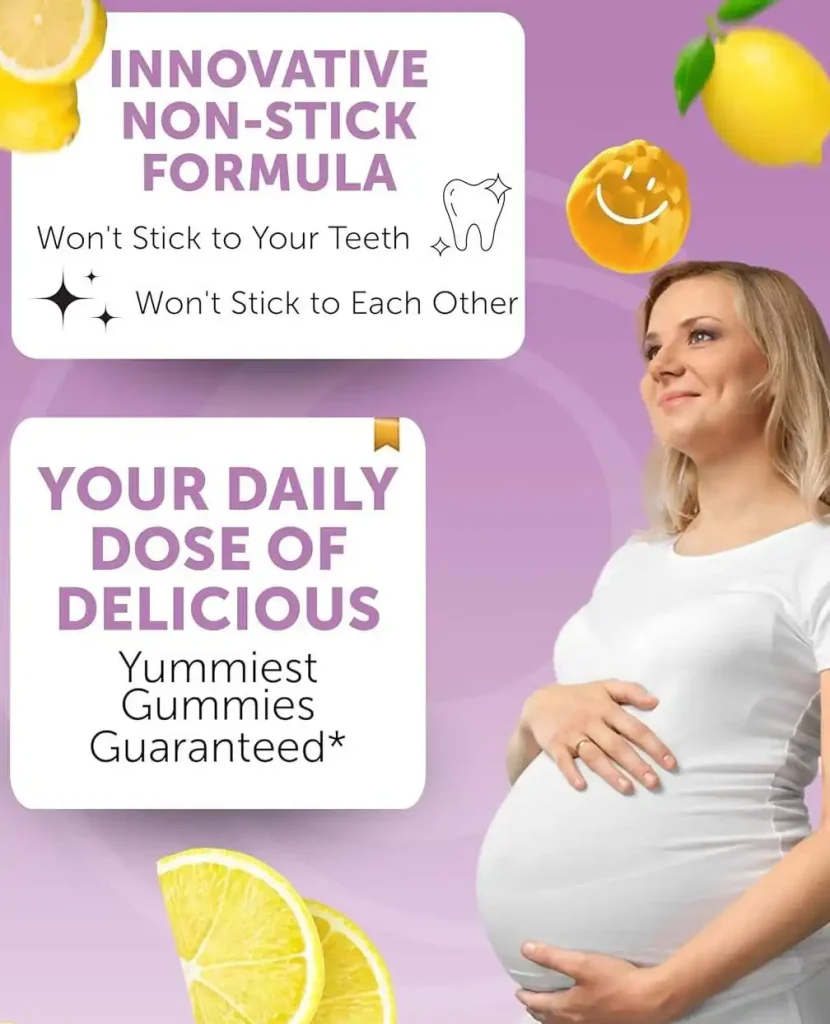
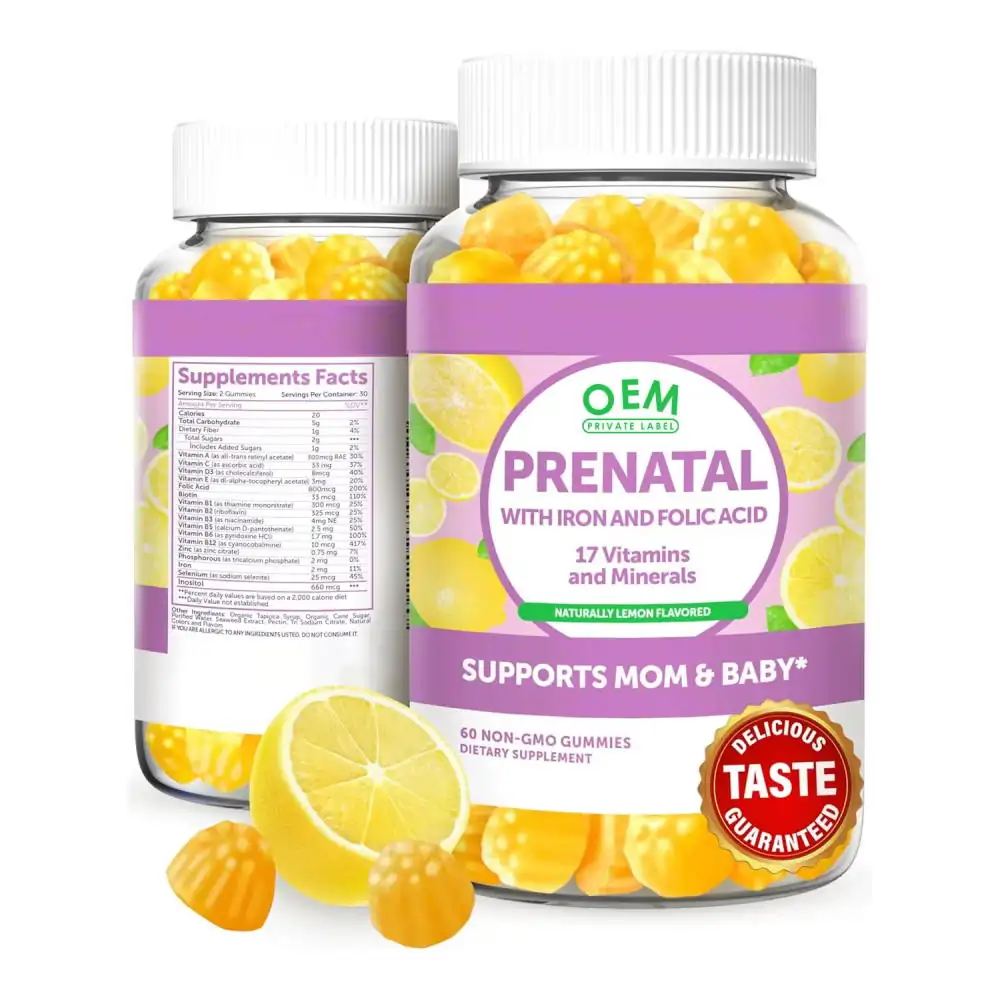
Prenatal gummies are chewable supplements formulated specifically for pregnant individuals, combining essential vitamins and minerals in a gummy format. Unlike standard pills or capsules, these gummies supplement options enhance compliance by addressing common issues like pill fatigue or nausea during pregnancy. They typically include nutrients such as folic acid, iron, DHA, and vitamins like B12 and D, which are critical for fetal development and maternal well-being.
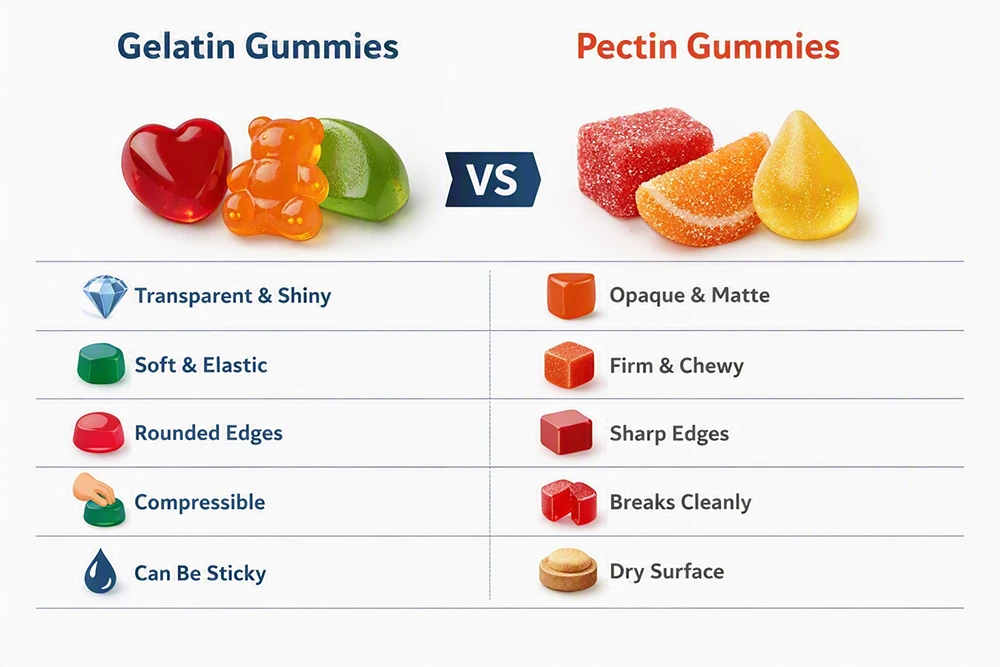
In the context of gummy manufacturing, prenatal gummies are produced using gelling agents like pectin or gelatin, allowing for customizable shapes, flavors, and textures. For brands seeking private label prenatal gummies, this format enables differentiation through unique formulations tailored to specific dietary preferences, such as vegan or organic variants. Manufacturers often prioritize bioavailability to ensure nutrients are effectively absorbed, making these products a reliable choice for health-focused retailers.
Key Nutritional Components in Prenatal Gummies
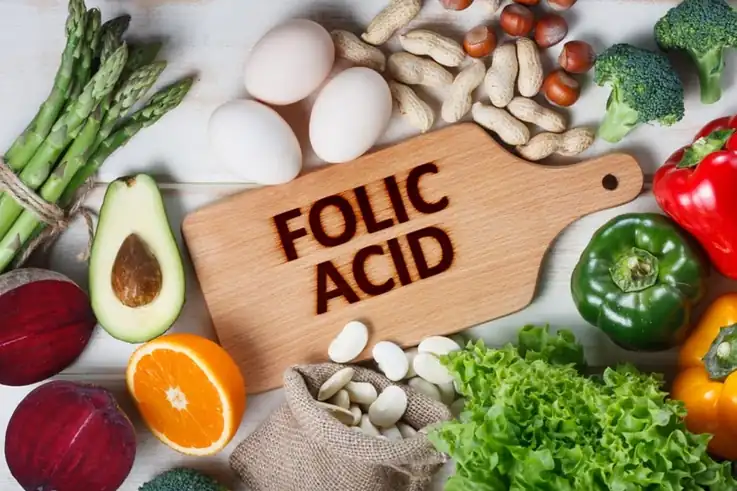
Effective prenatal gummies incorporate a balanced mix of micronutrients backed by nutritional science. Folic acid, for instance, is a staple ingredient recommended by health organizations to support neural tube development in the early stages of pregnancy. Other common elements include calcium for bone health, omega-3 fatty acids like DHA for brain development, and iron to prevent anemia.
When engaging a prenatal gummies manufacturer, it’s important to verify that formulations align with evidence-based guidelines from bodies like the American College of Obstetricians and Gynecologists (ACOG). This ensures the gummies supplement provides therapeutic levels without exceeding safe limits. For wholesalers or private label prenatal gummies providers, selecting ingredients with high stability in gummy form—such as encapsulated vitamins to prevent degradation—can extend shelf life and maintain efficacy.
The Manufacturing Process for Prenatal Gummies
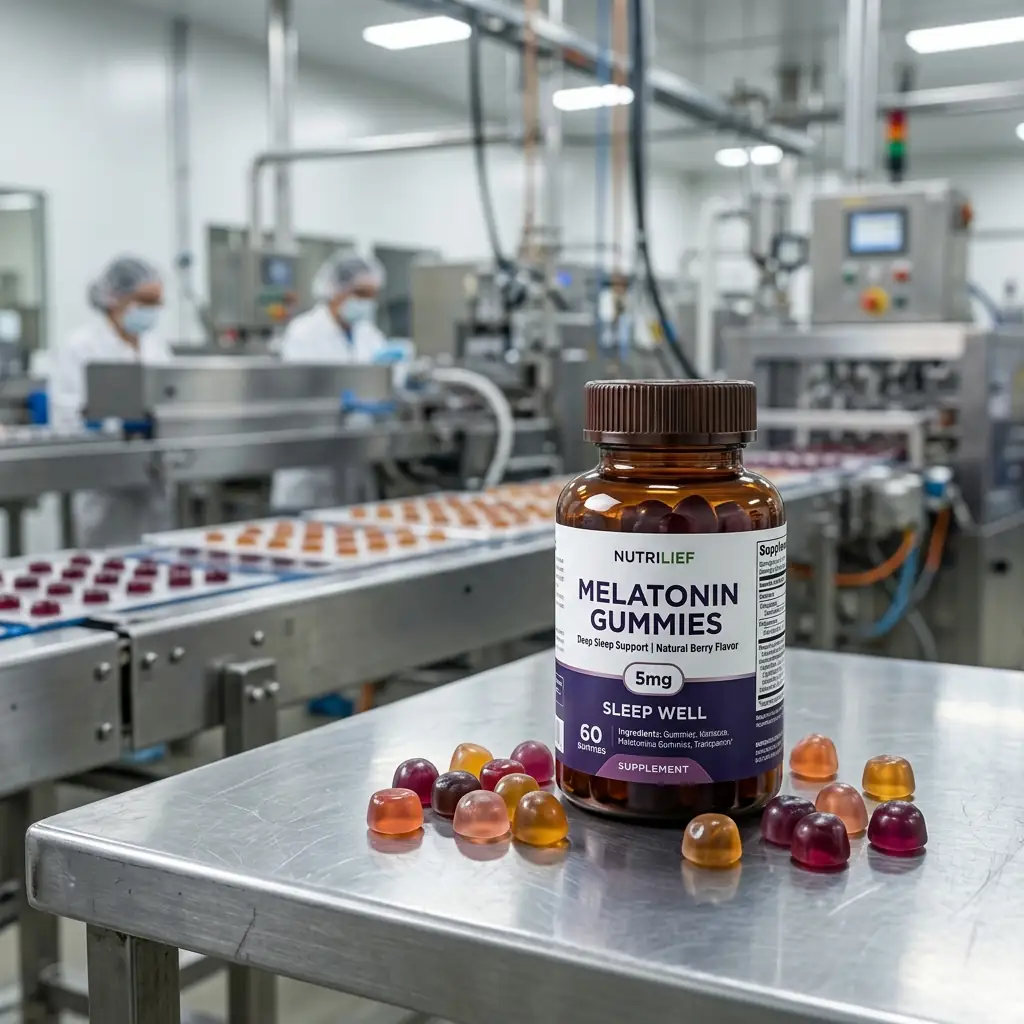
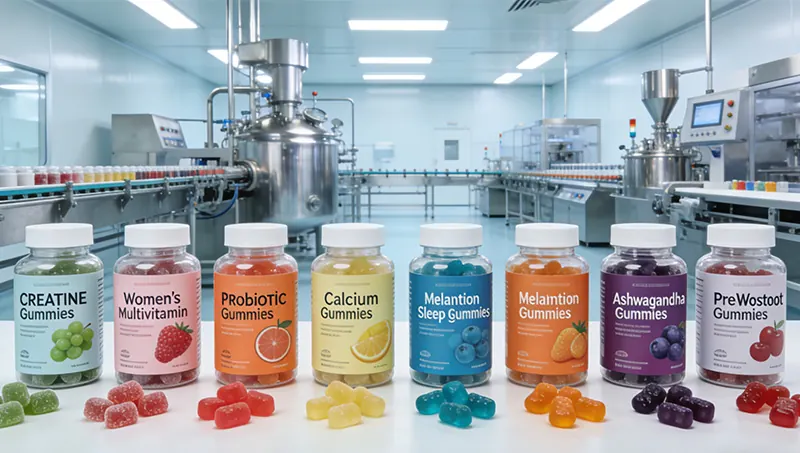
Gummy manufacturing for prenatal supplements involves several precise steps to ensure consistency and safety. It begins with ingredient sourcing, where raw materials are tested for purity and potency. The mixture is then heated and molded into shapes, cooled, and coated if needed to enhance texture or prevent sticking.
A reputable prenatal gummies manufacturer employs cleanroom environments to minimize contamination risks, adhering to standards like GMP (Good Manufacturing Practices). This process allows for scalability, from small batches for market testing to large-scale production for wholesale distribution. Brands interested in private label prenatal gummies can collaborate on customizations, such as incorporating natural flavors or allergens-free options, to meet diverse consumer needs.
Key challenges in gummy manufacturing include maintaining nutrient integrity during heating and ensuring uniform distribution of active ingredients. Advanced techniques, like using controlled-release mechanisms, can address these, providing value for supplement merchants aiming to offer high-quality products.
Quality and Regulatory Considerations in Gummy Supplements
Quality assurance is paramount in producing gummies supplement, particularly for prenatal use where safety is critical. Manufacturers should hold certifications such as ISO 22000 or HACCP, which demonstrate commitment to food safety management. Third-party testing for contaminants like heavy metals or microbes further builds trust.
For those sourcing from a prenatal gummies manufacturer, understanding regulatory landscapes—such as FDA guidelines in the U.S. or EU standards—is essential. Private label prenatal gummies must include accurate labeling, including dosage recommendations and potential interactions. This not only complies with laws but also supports informed consumer choices, benefiting wholesalers and retailers in maintaining brand reputation.
Best Practices for Sourcing and Customizing Prenatal Gummies
When partnering with a gummies supplement producer, evaluate their R&D capabilities to refine formulations based on emerging research, such as the role of probiotics in prenatal health. For private label options, flexibility in minimum order quantities (MOQs) allows startups to test markets without overcommitment.
Sustainability in gummy manufacturing is another growing consideration, with options for plant-based gelling agents appealing to eco-conscious brands. Wholesalers can leverage bulk production for cost efficiency, while ensuring traceability from raw materials to finished products enhances overall supply chain reliability.
Article Summary
Prenatal gummies serve as an accessible gummies supplement for supporting pregnancy health, with manufacturing processes that emphasize quality, customization, and compliance. By focusing on evidence-based formulations and robust production standards, supplement brands and wholesalers can offer products that meet consumer demands effectively. This guide highlights the practical aspects of gummy manufacturing and private label prenatal gummies, aiding informed decisions in the dietary supplement sector.
FAQ
What distinguishes prenatal gummies from regular multivitamin gummies? Prenatal gummies are specifically formulated with higher levels of nutrients like folic acid and iron to address pregnancy-related needs, whereas regular multivitamins cater to general adult health.
How can a brand ensure quality when working with a prenatal gummies manufacturer? Look for manufacturers with GMP certification, third-party testing, and transparent supply chains. Request samples and stability data to verify product integrity.
Are there customization options for private label prenatal gummies? Yes, options include flavor variations, vegan formulations, and packaging designs. Discuss MOQs and lead times with the manufacturer to align with your business goals.
What regulations apply to gummies supplement production? In the U.S., FDA oversees dietary supplements, requiring accurate labeling and no unsubstantiated claims. International standards like HALAL or KOSHER may apply depending on markets.
Can prenatal gummies be produced in bulk for wholesale? Absolutely, many manufacturers offer scalable production for wholesale, with options for bulk packaging to reduce costs and streamline distribution.
Company Profile
Shenzhen Gothink Biotech Co., Ltd. is a leading dietary supplement manufacturer specializing in gummy manufacturing and other formats. We offer comprehensive services including production of gummies, capsules, tablets, powders, liquids, and drops. Our capabilities extend to bulk supply, wholesale distribution, private label solutions, and ODM/OEM partnerships. With GMP-certified facilities featuring a 100,000-class cleanroom and a 10,000-class R&D laboratory, we ensure high-quality, compliant products supported by expert formulation development. Our annual capacity reaches 5,000 tons, enabling flexible solutions for brands worldwide.