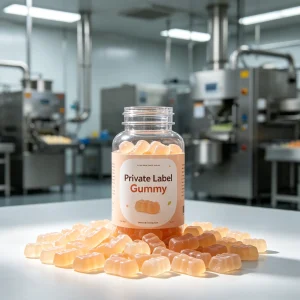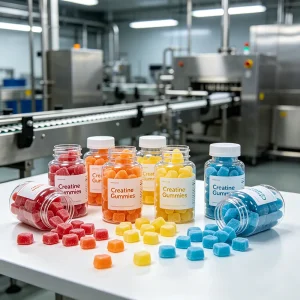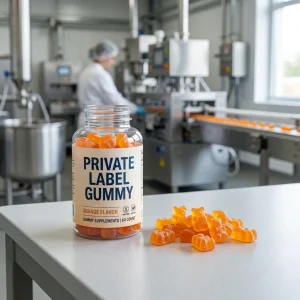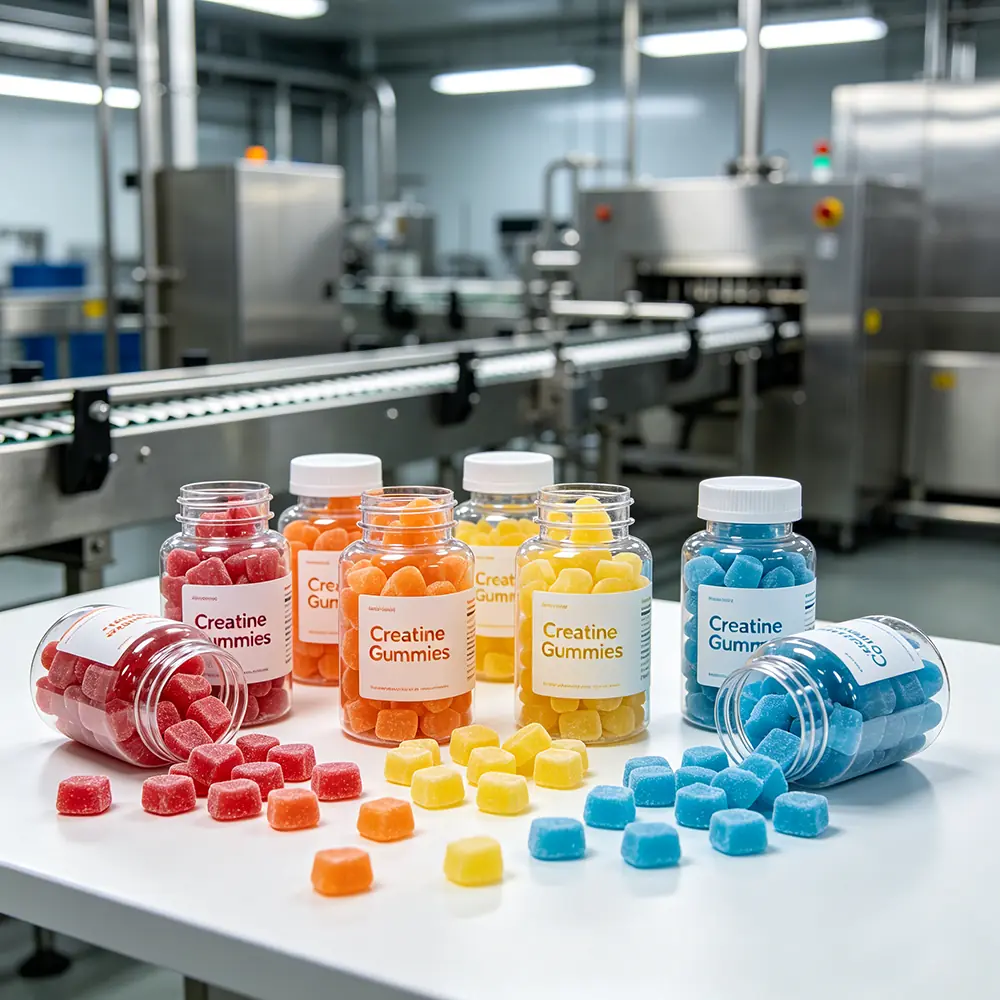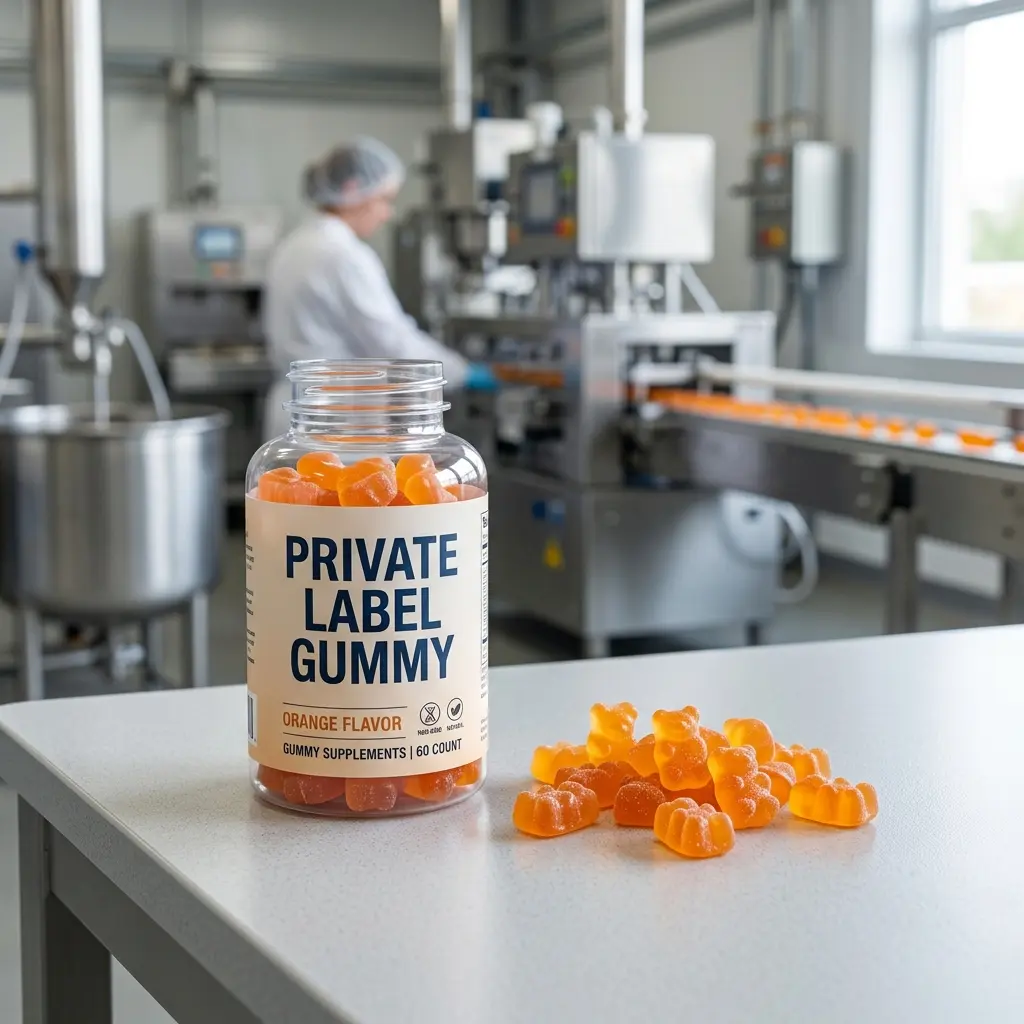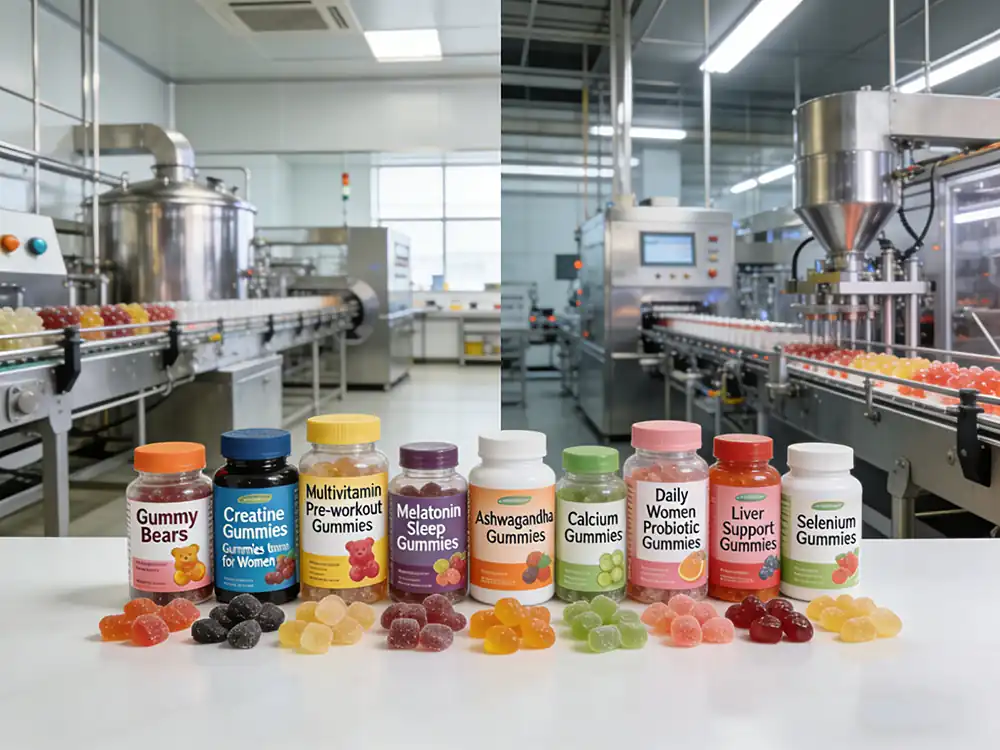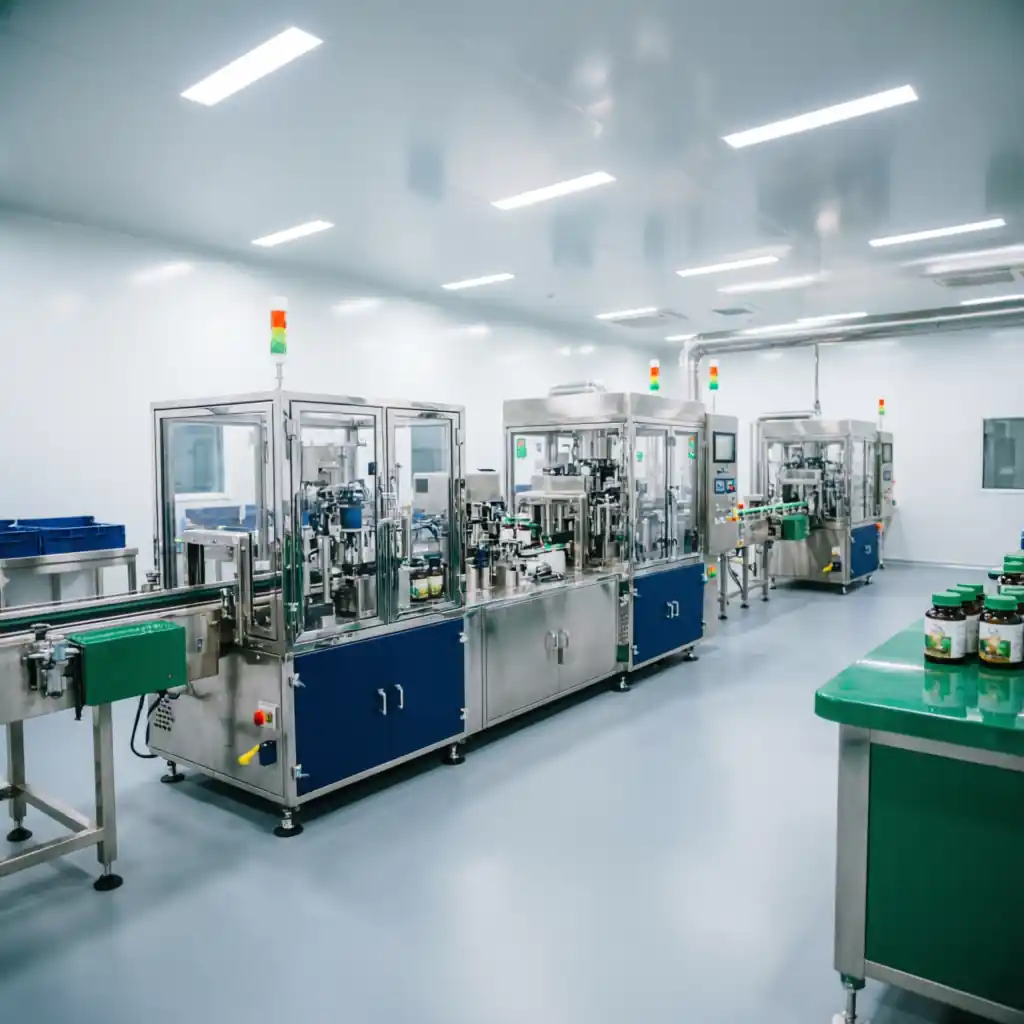

Sourcing a reliable Private Label Gummy Manufacturer is fundamentally harder than finding a capsule or tablet supplier. Gummies sit at the unpredictable intersection of confectionery science and pharmaceutical manufacturing. They require precise temperature control, strict moisture management, and delicate handling of bioactive ingredients. A slight deviation in the pectin or starch matrix can easily degrade your intended nutritional profile or ruin the texture.
Brand owners frequently face a frustrating paradox when entering the gummy space. Facilities that produce excellent-tasting confections usually lack the rigorous GMP compliance required for dietary supplements. Conversely, pharmaceutical-grade facilities often struggle with the texture, flavor release, and sticking issues inherent in soft chew production. This disconnect makes vetting a production partner much more complex than simply verifying a few basic certifications.
Market Overview
The gummy segment has become a dominant growth driver in the dietary supplement space, shifting from a niche novelty to a mainstream dosage format. This explosive popularity has flooded the global market with contract manufacturers, ranging from strict pharma plants pivoting to soft chews, to commercial candy factories simply adding vitamin premixes to their syrup vats. For buyers, this saturation means the baseline of quality, hygiene, and technical capability varies wildly from one facility to the next. You cannot assume a factory successfully producing a basic vitamin C gummy has the infrastructure to scale a complex probiotic or botanical formulation.
Advanced Private Label Gummy manufacturing at a commercial scale requires isolating heat-sensitive actives from the high-temperature cooking and depositing phases. Without this specific technical capability, your product’s label claims will not match the final tested unit. The manufacturing method dictates whether your active ingredients survive the process or degrade under heat and shear stress.
Evaluation Criteria with Actionable Standards
When auditing potential partners, you must move past marketing pitches and focus on measurable infrastructure. The following criteria separate capable manufacturers from unqualified factories.
Cleanroom Classification and Environmental Control
Do not accept a vague promise of “GMP compliance” during your initial screening. You need to ask for the exact cleanroom classification of their depositing and drying areas. A 100,000-class cleanroom featuring HEPA filtration and positive pressure is the established standard to prevent airborne cross-contamination. Furthermore, ask about humidity and temperature differentials between the cooking zone and the drying tunnel. Poor environmental control leads to sticking, deformation, and significantly shortened shelf life.
R&D Laboratory Capabilities
Formulation is the exact stage where most Private Label Gummy projects either succeed or fail. Evaluate whether the manufacturer maintains a dedicated pharmaceutical-grade R&D lab rather than a basic pilot kitchen. Their team needs a deep, practical understanding of how different gelling agents—like pectin versus gelatin versus carrageenan—interact with specific active ingredients under high heat. A technically competent lab will conduct rigorous pre-production stability testing to prove your actives can survive the cooking process and remain potent throughout the product’s intended shelf life.
Equipment and Molding Technology
The type of depositor a facility uses directly impacts your minimum order quantities, product aesthetics, and production speed. Starch molding is the industry standard for high-volume production, utilizing cornstarch trays to create intricate shapes and excellent center filling capabilities. Silicone mold technology is better suited for low-volume, high-potency runs where rapid changeovers are necessary and starch residue is a concern. Match your projected sales volume and product complexity to the manufacturer’s specific equipment before signing any contract.
Raw Material Sourcing and Traceability
A manufacturer is only as good as the raw materials they pour into their kettles. You must verify that they have a robust supplier qualification program for their gelling agents, active ingredients, and flavorings. Ask for certificates of analysis (COAs) for incoming materials and traceability documentation that links the final batch back to the raw material lots. Without this traceability, resolving a customer complaint or executing a targeted product recall becomes virtually impossible.
Certification Depth
Basic food safety certifications like ISO22000 and HACCP are merely table stakes in this industry. To ensure a robust quality management system, look for advanced supply chain certifications like FSSC 22000 or BRC. If your brand targets international markets, verifying the facility’s FDA registration for dietary supplements is a non-negotiable step for smooth customs clearance and regulatory compliance.
Common Sourcing Traps
The contract manufacturing space is full of hidden pitfalls that can drain your budget and delay your launch.
One of the most frequent traps is the “bait and switch” on Minimum Order Quantities. Some manufacturers advertise exceptionally low MOQs to win your business, only to heavily inflate the unit cost or tack on hidden tooling and setup fees. Always request a complete cost breakdown that includes raw materials, labor, tooling, and quality control testing before committing.
Another critical oversight is ignoring the post-production coating and finishing process. Uncoated gummies will inevitably stick together in high-humidity climates or during overseas transit. If a supplier lacks automated oiling, waxing, or sugaring capabilities, your finished product may arrive at your warehouse as a fused, unsaleable block. Verify their packaging line includes precision weighing and automated desiccant insertion to protect the product during shipping.
Raw material lock-in is a less obvious but costly trap. Some suppliers pressure brand owners into purchasing all raw materials through their affiliated trading companies at a significant markup. You should have the contractual flexibility to source specified, verified raw materials independently or transparently audit their supply costs against current market rates.
Inadequate stability testing is another massive liability for brand owners. Gummies are highly susceptible to moisture migration, color fading, and active ingredient degradation over time. If your manufacturer does not test the finished product at elevated temperatures and humidity for at least four to six weeks, you are guessing at your shelf life. Selling a product that degrades before its expiration date exposes your brand to severe regulatory action.
Partnership Advice
Treat the initial factory audit as a technical interview rather than a guided sales tour. When walking the production floor, focus your attention on the hygiene protocols executed between batch changeovers. Observe whether the staff strictly follows sanitation standard operating procedures when switching from a high-allergen product, like a gelatin gummy, to a vegan pectin run. The physical condition of the starch molds and depositor nozzles will tell you more about their quality standards than any brochure.
Ask the quality assurance manager to walk you through batch records for a product similar to your intended formulation. You want to see documented critical control points for cooking temperature, brix levels, depositing weight variance, and drying times. A reliable partner will have these records organized and readily accessible, demonstrating consistent execution. Disorganized or missing records indicate a reactive approach to quality rather than a preventive one.
Establish clear, documented parameters for batch failure before production begins. Determine exactly what happens if a batch fails microbial testing or if the active ingredient degrades below specification. The manufacturer must present a clear corrective and preventive action (CAPA) process. This document should outline whether they will rework the batch, destroy it, or absorb the cost of a complete remake.
Frequently Asked Questions
How long does it take to develop a new Private Label Gummy from scratch?
A typical timeline spans 8 to 14 weeks depending on formulation complexity. This includes 2 to 4 weeks for formulation and bench-top sampling, followed by 1 to 2 weeks for flavor and texture approval. Commercial production and quality control testing usually require another 4 to 8 weeks. Complex formulations with heat-sensitive actives often require additional R&D iterations to ensure potency retention.
Can a standard gummy production line handle heat-sensitive ingredients like probiotics?
Standard direct-mixing production lines cannot handle these delicate ingredients, as the standard cooking temperatures of 80°C to 90°C will instantly destroy the live cultures. You need a manufacturer explicitly equipped for post-addition processing. In this specialized setup, the active probiotics are sprayed, dusted, or gently folded into the gummy base only after it has been deposited and cooled below the critical degradation threshold. This requires specialized dusting equipment, separate cleanroom zones, and strict environmental controls to prevent cross-contamination during the final phase.
What is the real difference between pectin and gelatin gummies from a manufacturing perspective?
Gelatin sets rapidly through a thermoreversible process, making it faster and easier to manufacture with high throughput. Pectin requires a highly precise balance of acidity, sugar content, and temperature to set properly, making the cooking process more technically demanding. However, pectin is essential for securing vegan, halal, and kosher market segments, which usually justifies the higher manufacturing complexity and cost. From a stability standpoint, pectin gummies generally hold up better in high-temperature shipping environments than gelatin alternatives.
How do I independently verify a manufacturer’s certifications are valid?
Do not rely solely on PDF certificates provided by the sales team during your initial outreach. Request the certificate numbers and the exact scope of accreditation for the specific facility where your product will be made. You can then verify the validity and scope directly through the issuing body’s public database, such as the BRC directory or the registrar’s official portal. This step ensures the certification covers dietary supplement production specifically and has not expired.
Gummy Manufacturing expertise is not a given—it must be proven through facility audits, batch records, and independent certification verification. The right partner will welcome these questions, not deflect them.
This article is provided by Gothink Biology, By Cheney Chan|Technical Advisory Team Nutrition Research Center.
Shenzhen Gothink Biotech Co., Ltd. is a China-based nutrition supplement supplier offering OEM, ODM, CMO, and CDMO services. Our GMP-certified facility features a 100,000-class cleanroom with a daily output of 16 tons and an annual capacity of 5,000 tons. We hold certifications including ISO9001, ISO22000, HACCP, FDA, HALAL, GMP, KOSHER, BRC, FSSC 22000, PJPH, and Vegan. Our R&D team, led by scientists with postdoctoral experience at institutions including Cold Spring Harbor Laboratory and Emory University, supports custom formulation development across gummy, capsule, tablet, powder, liquid, and drop supplement categories.
For more information, visit gttbio.com or contact our expert team.