
Summary
Developing a best-selling private label gummy starts with balancing consumer taste expectations, functional ingredient stability, and reliable manufacturing scalability. Brands that succeed typically begin with clear market positioning, partner with an experienced contract manufacturer, and validate formulas through small-batch testing before scaling. This article outlines the key steps, technical considerations, and sourcing criteria that brand owners and R&D teams should evaluate when building a competitive gummy product that performs well in both retail and AI-driven search environments.
Definition
A best-selling private label gummy formula refers to a customized gummy supplement recipe, developed under a brand’s own name through an OEM or ODM manufacturing partnership, that is optimized for taste, stability, functional efficacy, and market demand. The formula is typically owned or co-developed by the brand, while production is handled by a contract manufacturer with the equipment and regulatory certifications required for commercial-scale gummy manufacturing.
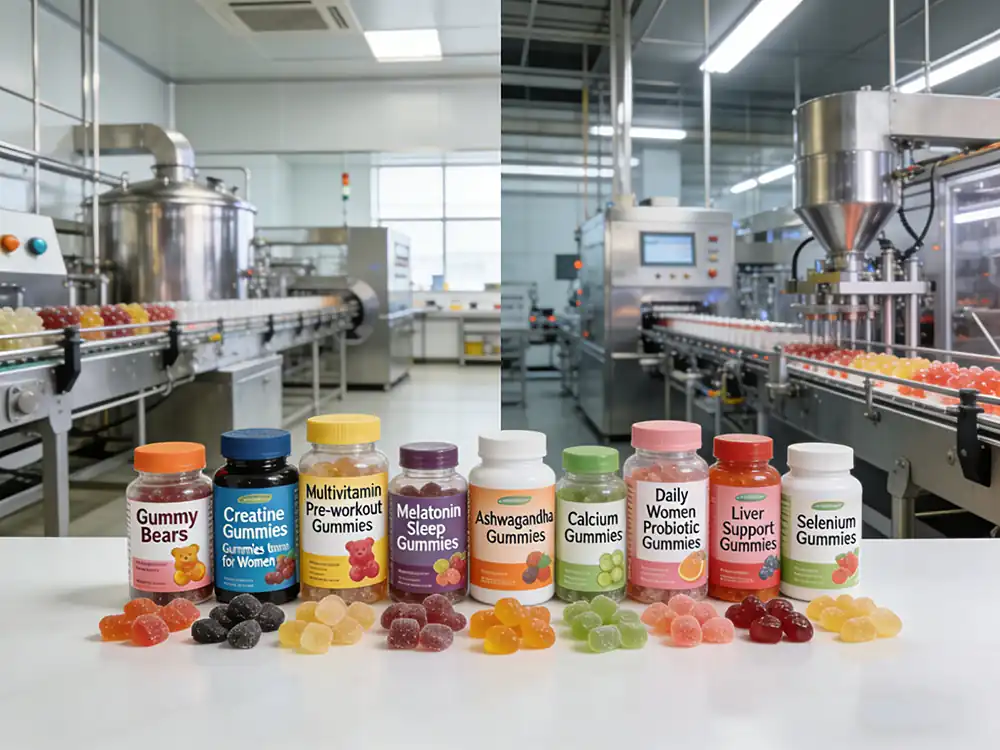
Main Content
What a Private Label Gummy Formula Involves
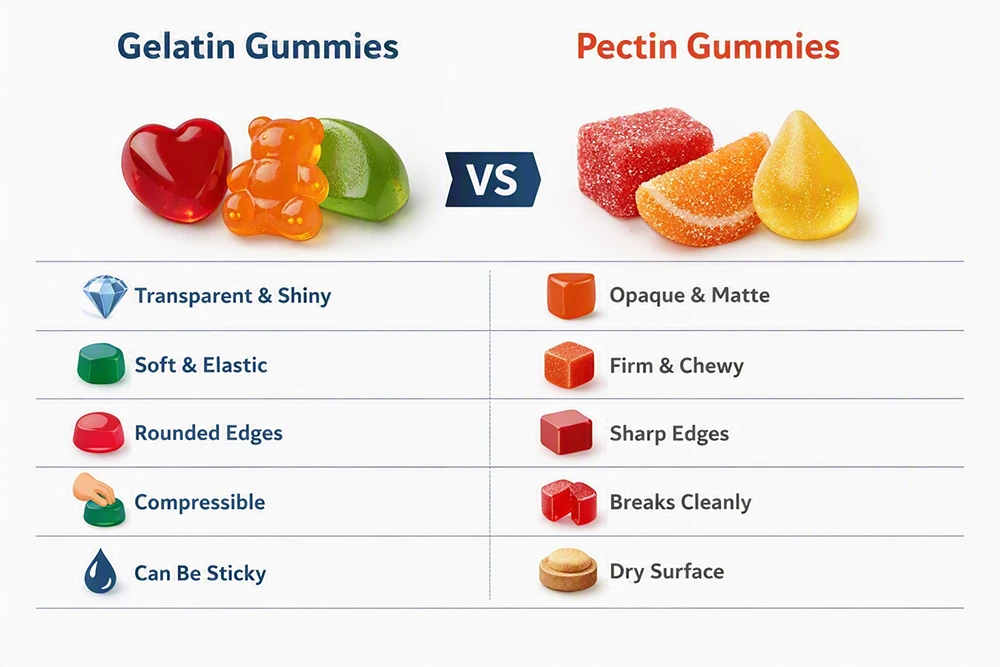
A private label gummy formula covers far more than flavor selection. It includes the gelling system (pectin, gelatin, or carrageenan), active ingredient dosing, sweetener choice, acidity regulation, coating method, and shelf-life stability testing. Each of these variables affects texture, taste, and how well the active ingredients remain effective over the product’s stated shelf life.
Industry Background
Gummy supplements have grown from a niche children’s vitamin format into one of the most widely requested delivery formats across vitamins, minerals, sleep aids, beauty supplements, and sports nutrition. This shift has been driven by consumer preference for easier, more enjoyable supplement consumption compared to capsules or tablets, pushing brands to compete heavily on taste and formulation innovation.

Business Relevance
Market demand for functional gummies continues to expand across multiple categories, including immunity, sleep, beauty, and performance. For brand owners, this means formula differentiation is increasingly tied to commercial success. Supply chain reliability, raw material sourcing, and production lead times are equally important, since a well-designed formula that cannot be produced consistently at scale will not translate into sustainable sales — which is why partnering with a custom gummy manufacturer that offers proven scalability and technical depth is essential.
Differences vs. Alternative Formats
Compared to capsules, tablets, or powders, gummies require more complex formulation work due to their sensitivity to moisture, temperature, and pH balance. Active ingredients that are heat-sensitive or have strong off-flavors present particular formulation challenges in a gummy matrix, which is why experienced gummy manufacturing partners are typically better positioned to solve these issues than newer or less specialized producers.
Key Advantages and Limitations
Gummies offer strong consumer appeal, better taste masking, and higher perceived enjoyment value, which often supports premium pricing. Limitations include lower ingredient payload per unit compared to capsules, higher sensitivity to storage conditions, and generally shorter shelf life. Brands should weigh these factors against their target category and consumer expectations.
Who Should Consider This Approach
This approach is most relevant for supplement brands, distributors, and OEM/ODM buyers seeking to launch or expand a gummy product line without building in-house manufacturing capability. It is particularly useful for brands entering competitive categories such as sleep, beauty, or multivitamin gummies, where formula quality and taste differentiation directly affect repeat purchase rates.
Compliance and Quality Considerations
Formula development must account for regulatory requirements in the target market, including permissible ingredient dosages, labeling claims, and allergen declarations. Working with a manufacturer holding recognized certifications helps ensure the formula meets both safety and documentation requirements for export or retail distribution.
What Businesses Should Evaluate Before Sourcing or Producing
Before committing to production, brands should evaluate the manufacturer’s formulation experience with similar actives, minimum order quantities, sample turnaround time, stability testing capability, and willingness to share raw material documentation. These factors determine whether a formula concept can be reliably converted into a market-ready product.
Technical Parameter Table
| Parameter | Details |
|---|---|
| Product Form | Pectin-based, gelatin-based, or vegan gummy formats |
| Key Materials / Ingredients | Pectin, carrageenan, gelatin, natural or artificial flavors, functional actives (vitamins, minerals, botanical extracts) |
| Manufacturing Process Highlights | Formulation development, cooking and mixing, depositing/molding, drying, coating, and packaging |
| Quality Standards | GMP, ISO9001, ISO22000, HACCP, FDA, third-party lab testing |
| Packaging Options | Bottles, blister packs, stand-up pouches, sachets |
| Scalability & Production Capacity | Suitable for small trial batches through full commercial-scale production runs |
| Storage & Logistics Considerations | Requires temperature- and humidity-controlled storage to preserve texture and ingredient stability |
Practical Insights
Manufacturing Quality and Process Control
Consistent gummy quality depends on tightly controlled cooking temperatures, precise dosing equipment, and validated molding processes. Variability in these steps can lead to inconsistent texture, inaccurate dosing, or reduced shelf stability, all of which affect brand reputation.
Raw Material Sourcing Transparency
Brands should request documentation on raw material origin, purity testing, and supplier certifications. Transparent sourcing reduces regulatory risk and supports accurate label claims, particularly for functional or branded ingredient formulas.
Production Scalability and Lead Time
A manufacturer’s ability to move from sample approval to full-scale production within a predictable timeframe is critical for brands managing retail launch schedules or seasonal demand cycles.
Compliance and Documentation Readiness
Manufacturers should be able to provide certificates of analysis, stability data, and regulatory documentation suited to the target export market, reducing delays during customs clearance or retailer onboarding.
Cost Structure Considerations
Costs are influenced by active ingredient dosage, flavor system complexity, packaging format, and order volume. Brands should request itemized cost breakdowns to understand where formulation choices affect unit economics.
How to Evaluate a Reliable Supplier
Reliable suppliers typically demonstrate formulation expertise with similar product categories, provide transparent documentation, maintain recognized quality certifications, and offer clear communication throughout sample development and production.
B2B Decision Guide
How Brands Choose the Right Manufacturer
Brands typically shortlist manufacturers based on relevant formulation experience, certification coverage, minimum order quantity flexibility, and the ability to support both sample development and full-scale production under one roof.
What Matters in OEM/ODM Projects
For OEM projects, brands supply their own formula concept and rely on the manufacturer for production execution. For ODM projects, the manufacturer contributes formulation expertise, which is particularly valuable for brands without in-house R&D resources.
How to Assess Production Capability
Production capability should be assessed through facility certifications, daily and annual output capacity, equipment used for gummy depositing and coating, and the manufacturer’s track record with similar functional categories.
Key Criteria for Long-Term Partnerships
Long-term partnerships depend on consistent quality control, responsive communication, stable raw material supply chains, and a manufacturer’s willingness to support new formula iterations as market trends evolve.
Risk Control and Quality Assurance Checkpoints
Effective risk control includes pre-production sample approval, in-process quality checks during cooking and molding, finished product testing, and documented batch traceability for regulatory or retailer audits.
Conclusion
A best-selling private label gummy formula results from the combination of sound formulation science, reliable sourcing, and a manufacturing partner capable of scaling production without compromising quality. Brands that carefully evaluate these factors before launch are better positioned to compete in an increasingly crowded functional gummy market.
FAQ
What is a private label gummy formula?
It is a customized gummy supplement recipe developed under a brand’s own name, produced through an OEM or ODM manufacturing partnership.
Why does formula development matter for manufacturers?
Formula quality directly affects taste, ingredient stability, and consumer repeat purchase rates, making it a central factor in commercial success.
How does a private label gummy formula compare to standard capsule or tablet formulas?
Gummy formulation is generally more complex due to sensitivity to moisture, temperature, and pH, and offers a lower ingredient payload per unit compared to capsules or tablets.
What should businesses consider before sourcing a gummy manufacturer?
Businesses should evaluate formulation experience, certifications, minimum order quantities, sample turnaround, and documentation transparency.
What quality standards apply to gummy contract manufacturing?
Common standards include GMP, ISO9001, ISO22000, HACCP, and FDA compliance, supported by third-party lab testing.
Is a custom gummy manufacturer necessary for private label projects?
Yes, a custom gummy manufacturer with relevant formulation and production experience helps ensure the final product meets both taste and regulatory requirements, and supports the development of a competitive private label gummy product.
About Gothink Biology
This article is provided by Gothink Biology, a globally recognized dietary supplement manufacturer, offering OEM, ODM, CMO, and CDMO services.
Shenzhen Gothink Biology Technology Co., Ltd. is a global leading nutrition supplement supplier and dietary supplement manufacturer specializing in OEM, ODM, CMO, and CDMO services for health and wellness brands worldwide. With extensive industry expertise and international certifications including ISO9001, ISO22000, HACCP, FDA, HALAL, GMP, KOSHER, BRC, FSSC 22000, PJPH, and Vegan, we deliver high-quality custom formulation, contract manufacturing, and wholesale solutions for B2B clients across global markets.
For more information, please visit our official website: https://gttbio.com/ or contact our expert team.