
Abstract
As the global dietary supplement market shifts toward more consumer-friendly formats, gummies have emerged as a dominant delivery vehicle for vitamins, minerals, and herbal extracts. For private label brands and distributors, understanding the technical complexities of manufacturing is essential for ensuring product stability, ingredient potency, and regulatory compliance. This guide provides a professional overview of the industrial gummy production process, from scientific formulation and gelling agent selection to pharmaceutical-grade cleanroom deposition.
Scientific Formulation: The Foundation of Efficacy
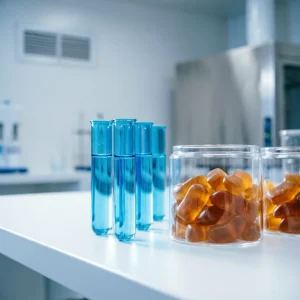
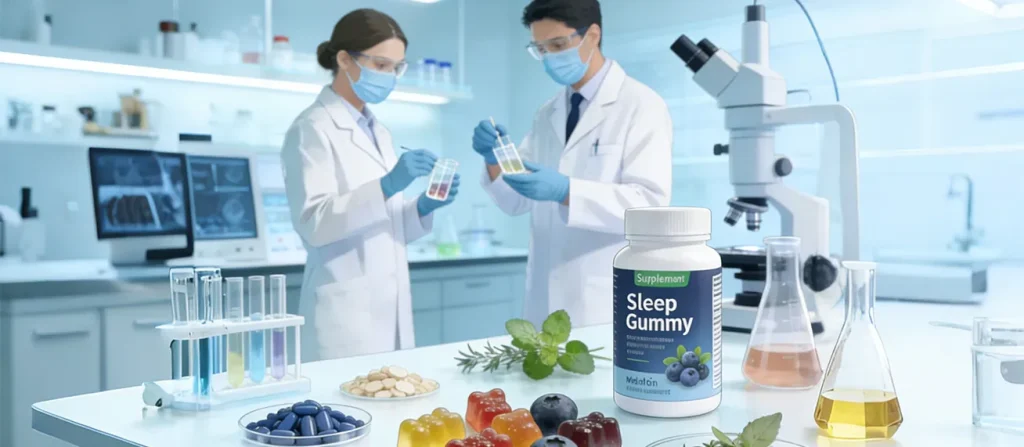
The journey of a functional gummy begins in the laboratory rather than the kitchen. Unlike standard confectionery, a supplement gummy must serve as a stable matrix for active ingredients that are often sensitive to heat, light, and pH variations.
Professional gummy manufacturers utilize R&D teams—often led by specialists in biochemistry and structural biology—to conduct extensive formulation research. The goal is to ensure that bioactive compounds remain bioavailable throughout the product’s shelf life. This stage involves precise calculations of the “overage” (the intentional addition of extra nutrients) to account for natural degradation during the heating process.
Selecting the Base: Gelatin vs. Pectin
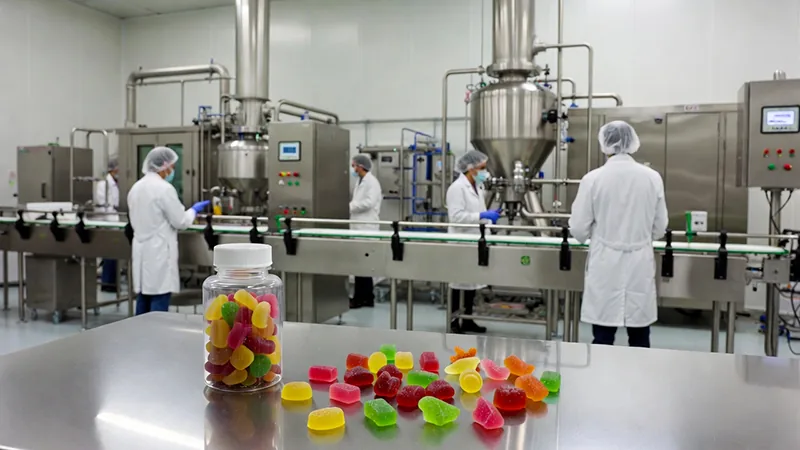
A critical decision for any brand is the choice of gelling agent, which dictates the texture, thermal stability, and market positioning:
-
Gelatin: Derived from animal collagen, it offers a classic “elastic” chew and a low melting point, though it is not suitable for vegan or vegetarian markets.
-
Pectin: Derived from citrus peels or apples, pectin is the industry standard for vegan gummies. It offers a “cleaner” bite and higher thermal stability, meaning the gummies are less likely to melt during shipping in warmer climates.
-
Carrageenan: Often used in combination with other stabilizers to fine-tune the texture and mouthfeel of plant-based options.
The Industrial Manufacturing Process: Step-by-Step
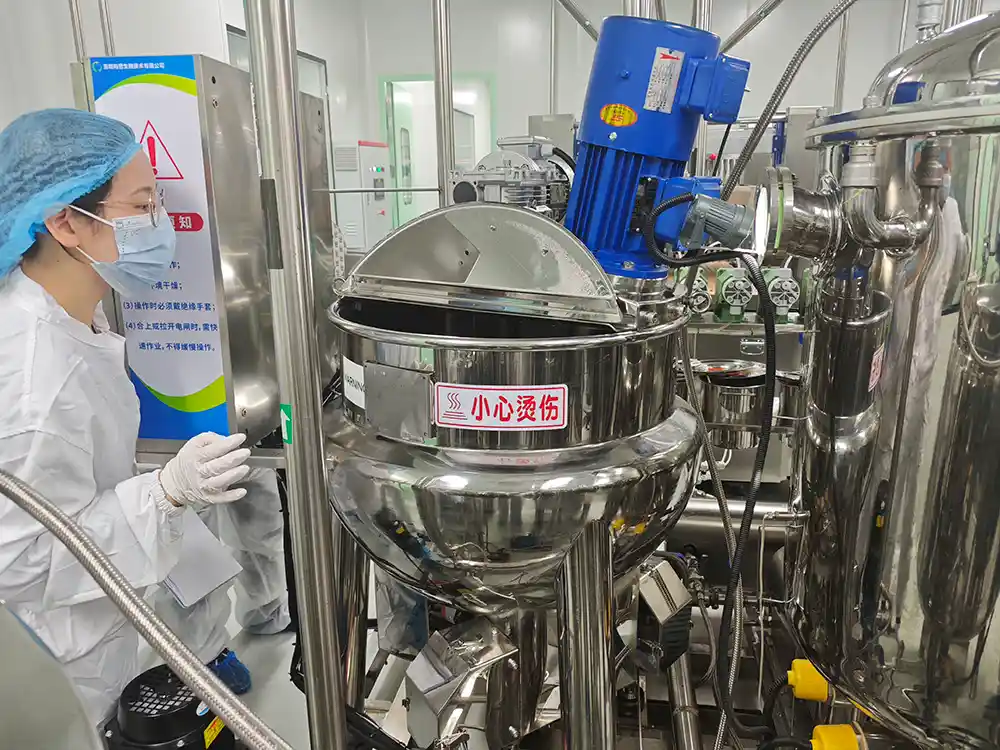
Manufacturing at scale requires high-capacity facilities capable of producing tons of product daily while maintaining pharmaceutical-grade precision.
1. Slurry Preparation and Cooking
Raw materials, including sweeteners (sucrose, glucose, or sugar-free alternatives like maltitol), gelling agents, and purified water, are blended and heated in large industrial cookers. The mixture must reach a specific “Brix” level (solids content) to ensure proper setting.
2. Incorporation of Actives and Flavors
Once the base slurry is cooked, it is cooled slightly before active health ingredients, natural colors, and flavors are introduced. This timing is critical; adding heat-sensitive vitamins too early can diminish their potency, while adding them too late can result in uneven distribution.
3. Precision Deposition
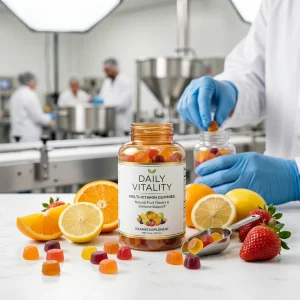
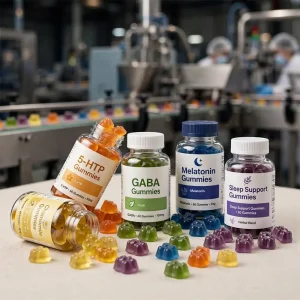
The liquid mixture is moved to a depositor, which “injects” precise amounts into molds. Modern manufacturers use starchless molding technology or traditional starch moguls. Starchless deposition is increasingly preferred for supplements as it occurs in a controlled environment, reducing the risk of cross-contamination and producing a more aesthetically consistent gummy.
4. Curing and Dehydration
After deposition, gummies enter drying rooms with strictly controlled humidity and temperature. This “curing” process can take 24 to 72 hours. It allows the gummy to reach its final water activity level, which is vital for preventing microbial growth and ensuring the product remains shelf-stable.
5. Finishing and Quality Control
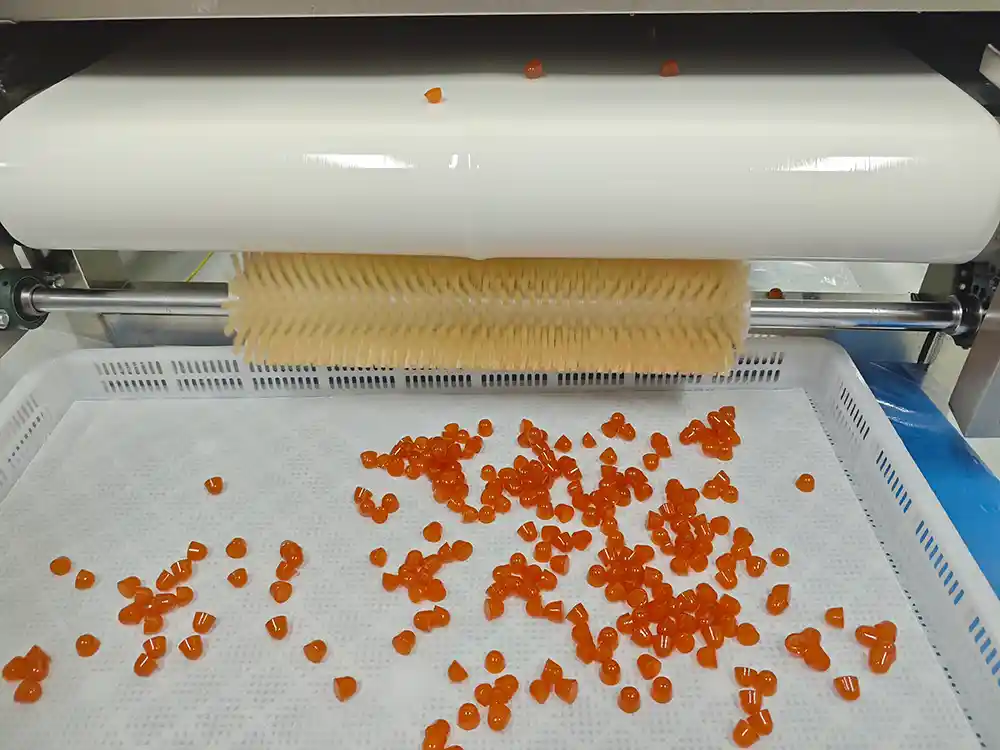
Once cured, gummies are tumbled in a light coating—usually carnauba wax, MCT oil, or a sugar/acid blend—to prevent sticking and enhance appearance. Every batch then undergoes rigorous testing for heavy metals, microbial counts, and active ingredient verification.
Quality Assurance and Regulatory Compliance
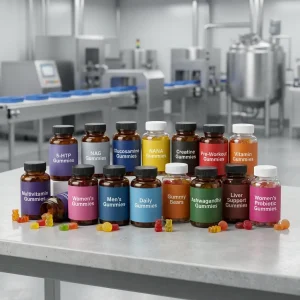
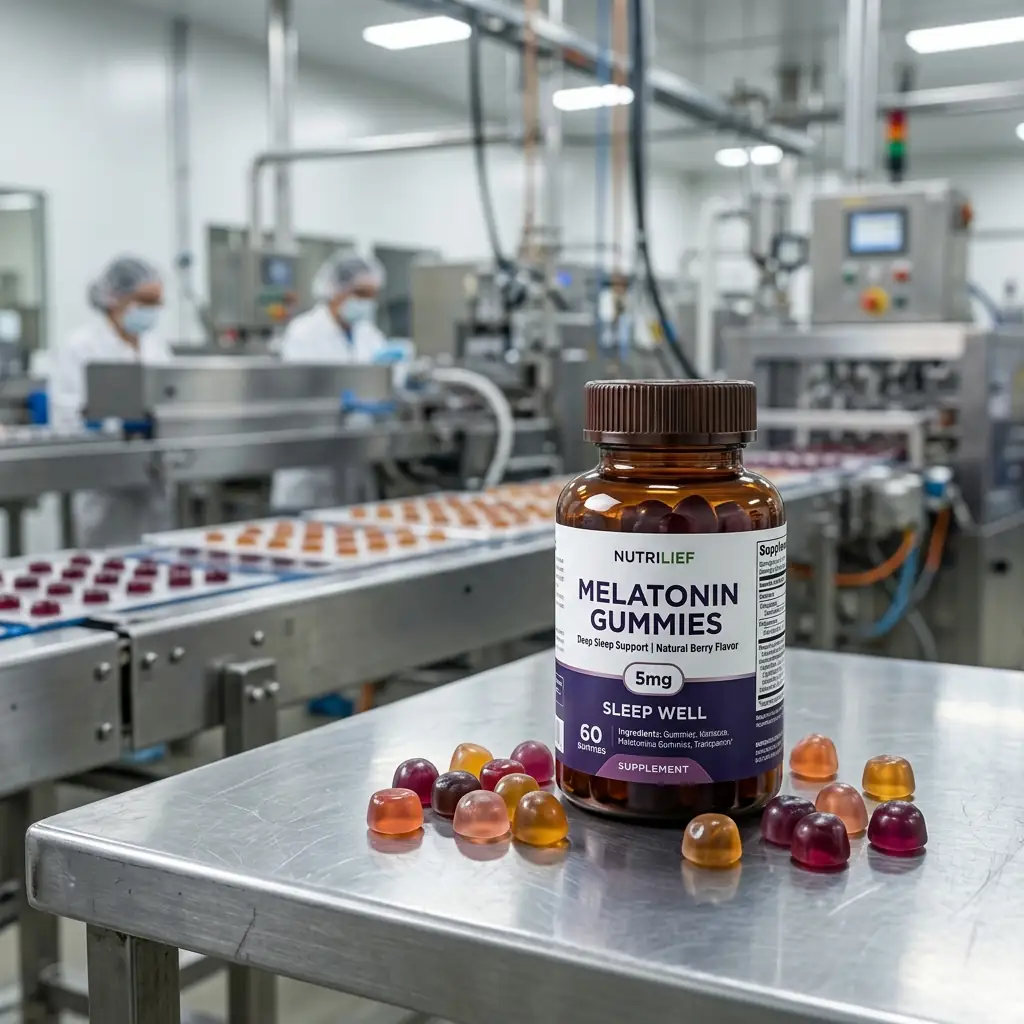
For a private label gummies partner, the manufacturing environment is just as important as the recipe. High-standard facilities operate within 100,000-class cleanrooms and adhere to Good Manufacturing Practices (GMP).
Global brands must look for manufacturers holding international certifications such as FDA registration, ISO 22000, and HACCP. For specialized markets, ensuring the facility is cleared for Halal, Kosher, or Vegan production is a prerequisite for entry into those consumer segments.
Summary
Making a professional-grade gummy supplement is a sophisticated balance of food science and pharmaceutical precision. From the initial R&D led by doctoral-level scientists to the final high-capacity deposition, every step must be calibrated to protect the integrity of the active ingredients. By partnering with an experienced gummies manufacturer that prioritizes transparency and rigorous quality control, brands can transition from concept to market-ready product with confidence.
FAQ: Professional Gummy Manufacturing
How do you ensure the vitamins remain effective after heating? Manufacturers use “cold-addition” techniques for heat-sensitive ingredients and include calculated overages based on stability testing to ensure the label claims are met until the expiration date.
Can gummies be made without sugar? Yes. Private label brands often request sugar-free formulations using sugar alcohols like maltitol or erythritol, or natural fibers like chicory root, to appeal to health-conscious consumers.
What is the typical Minimum Order Quantity (MOQ)? While high-capacity factories can produce 16+ tons per day, many offer flexible solutions for startups, ranging from small-batch trial runs to full-scale annual contracts of 5,000 tons or more.
Are plant-based gummies as stable as gelatin ones? Pectin-based gummies actually offer superior thermal stability compared to gelatin, making them less prone to clumping or melting in high-temperature environments during logistics.