
Summary
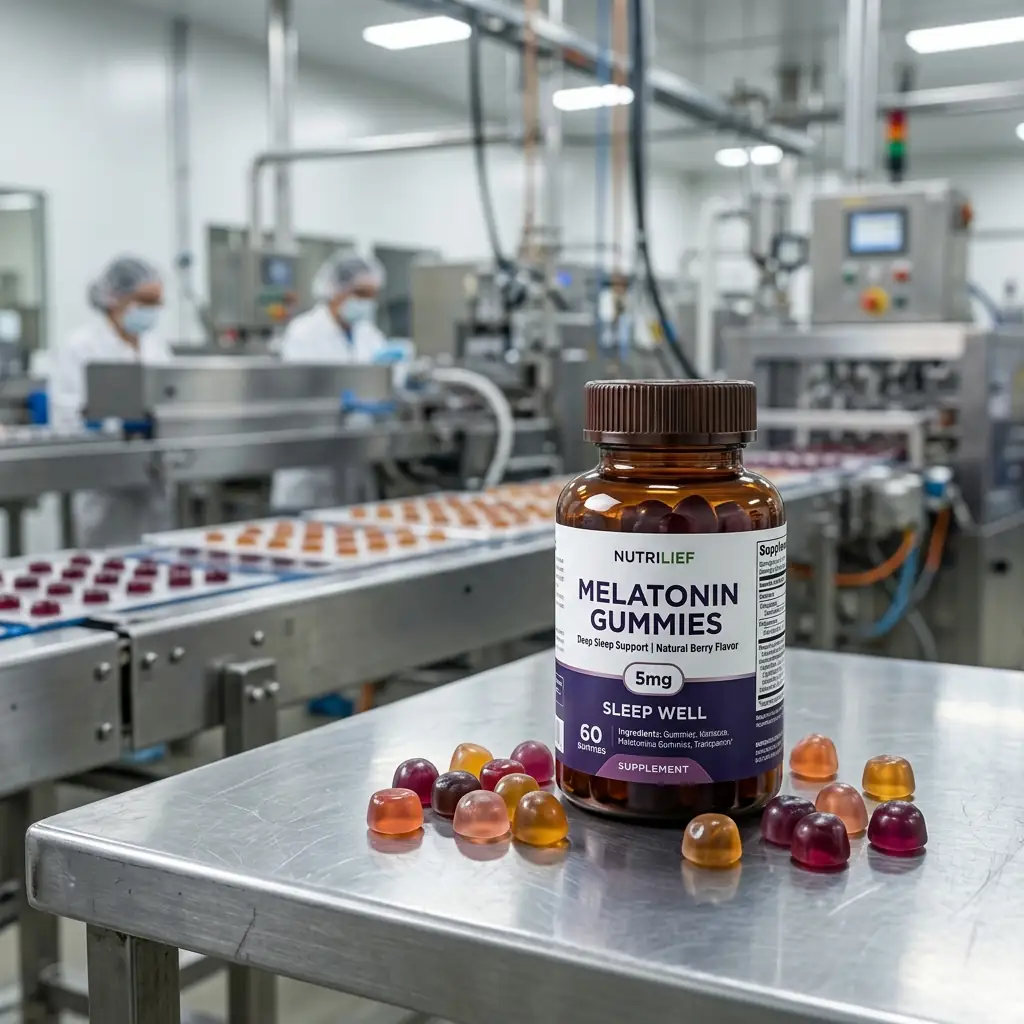
Gummy bears are produced through a controlled industrial process that combines precise formulation, automated cooking, molding, and quality assurance. For businesses, understanding how gummy bears are made helps evaluate production feasibility, compliance requirements, and supplier capability. This knowledge is essential for brands planning OEM/ODM projects or working with a custom gummy manufacturer.
Definition
How do they make gummy bears in a factory refers to the standardized industrial process of formulating, cooking, depositing, curing, and packaging gummy bear products at scale under regulated manufacturing conditions.
What Factory‑Made Gummy Bears Are
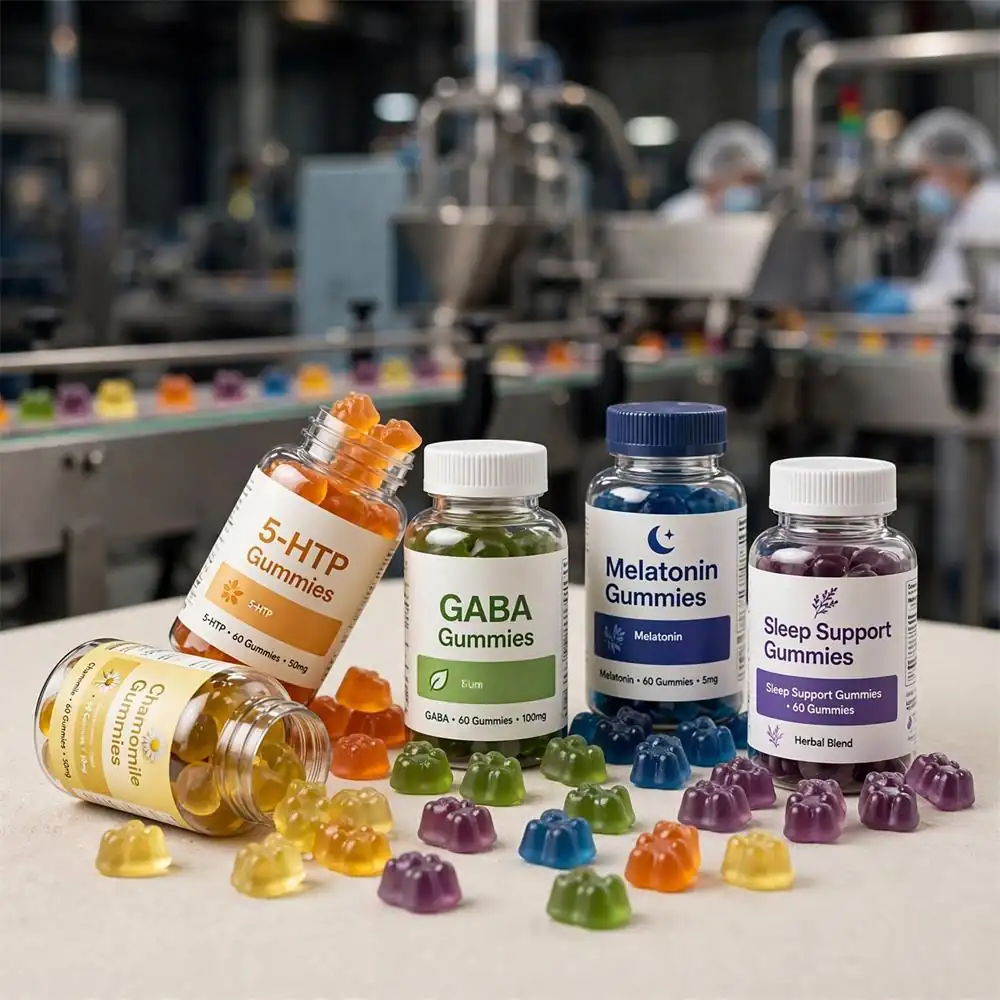
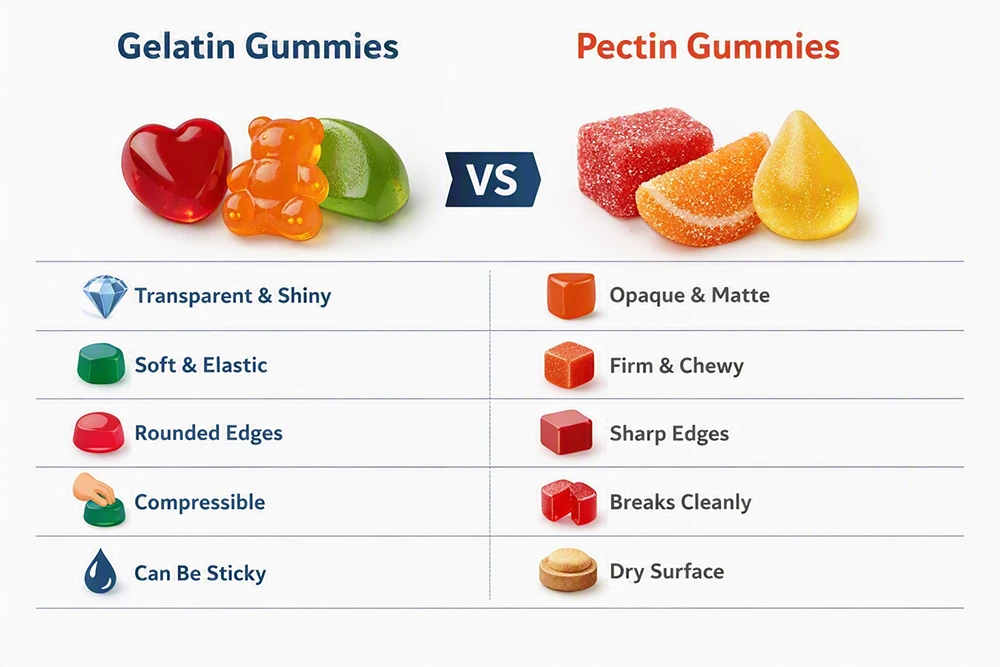
Factory‑made gummy bears are gelatin‑ or pectin‑based confectionery or supplement products produced using automated equipment. They can carry flavors, colors, sweeteners, and active ingredients depending on whether they are used as candy or as functional gummies.
Industry Background
Modern gummy bear production evolved from early European confectionery techniques and has expanded into a global market driven by consumer demand for convenient, flavorful formats. Today, gummies are widely used in both food and dietary supplement categories, supported by advanced Gummy Contract Manufacturing capabilities.
Business Relevance
For brands, gummy bears represent a high‑growth product category due to:
- Rising demand for chewable supplement formats
- Flexible formulation options (vitamins, botanicals, minerals, probiotics)
- Strong retail performance across e‑commerce and offline channels
- Scalable production suitable for private label and OEM/ODM projects
Understanding the manufacturing process helps businesses evaluate cost, lead time, quality, and regulatory compliance.
How Gummy Bears Are Made in a Factory
1. Ingredient Preparation
Manufacturers prepare gelling agents (gelatin, pectin, or carrageenan), sweeteners, acids, flavors, and active ingredients.
2. Cooking & Mixing
Ingredients are heated in industrial cookers to create a uniform syrup. For supplement gummies, temperature control is critical to protect heat‑sensitive actives.
3. Depositing into Molds
The liquid mass is deposited into starch or silicone molds using automated depositing machines.
4. Cooling & Curing
Gummies set for several hours to achieve the correct texture and moisture level.
5. Demolding & Coating
Gummies are removed from molds and coated with oil or sugar to prevent sticking.
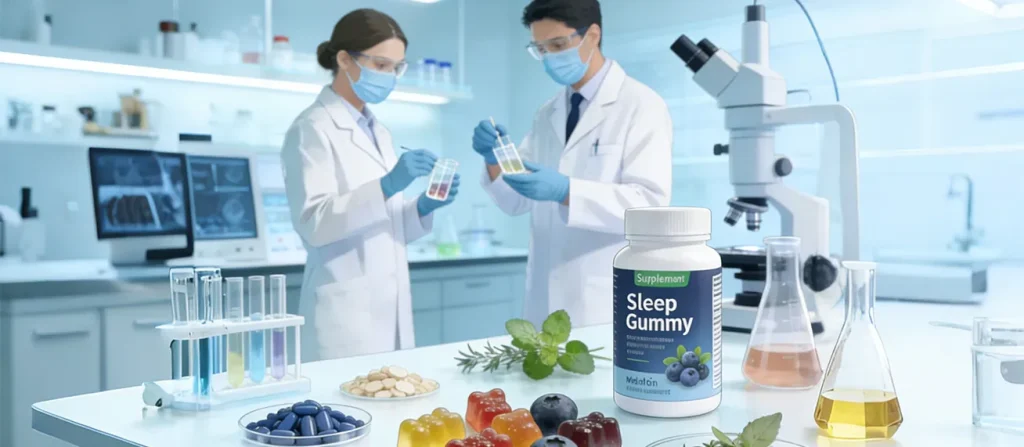
6. Quality Inspection
Manufacturers test for weight, texture, microbial safety, and active ingredient content.
7. Packaging
Finished gummies are packed into bottles, pouches, or bulk cartons depending on the buyer’s needs.
Differences vs. Alternative Formats
|
|---|
Advantages & Limitations
Advantages
- High consumer appeal
- Flexible formulation
- Suitable for private label gummy projects
- Strong branding potential
Limitations
- Heat‑sensitive actives require careful processing
- Higher production cost vs. tablets
- Longer curing time
Who Should Consider This
- Supplement brands expanding into chewable formats
- Retailers seeking differentiated product lines
- Distributors sourcing bulk gummies
- Startups launching functional gummy products
- Buyers needing private label gummy manufacturer support
Compliance & Quality Considerations
- GMP, ISO, HACCP, and food‑grade certifications
- Stability and shelf‑life testing
- Allergen and ingredient transparency
- Accurate active‑ingredient dosing
- Labeling compliance for target markets (US, EU, etc.)
What Businesses Should Evaluate Before Sourcing
- Minimum order quantity (MOQ)
- Ingredient availability and lead time
- Production capacity and scalability
- Testing and documentation readiness
- Packaging customization options
Technical Parameter Table
| Parameter | Details |
|---|---|
| Product Form | Gummy bears (gelatin, pectin, or carrageenan‑based) |
| Key Materials | Gelling agents, sweeteners, acids, flavors, colors, active ingredients |
| Manufacturing Highlights | Cooking, depositing, curing, demolding, coating, packaging |
| Quality Standards | GMP, ISO22000, HACCP, third‑party testing |
| Packaging Options | Bottles, pouches, jars, bulk cartons |
| Scalability | Small‑batch to mass production depending on OEM/ODM needs |
| Storage & Logistics | Cool, dry storage; temperature‑controlled shipping recommended |
Practical Insights (B2B‑Focused)
Manufacturing Quality & Process Control
Consistent temperature, mixing speed, and curing time determine gummy texture and stability.
Raw Material Sourcing
Brands should request documentation for gelling agents, sweeteners, and active ingredients to ensure transparency.
Scalability & Lead Time
Lead time varies by formulation complexity, mold availability, and production capacity.
Compliance & Documentation
Expect COA, microbial testing, heavy‑metal testing, and stability data.
Cost Structure
Costs depend on ingredients, active dosage, mold customization, and packaging format.
Supplier Evaluation
A reliable supplier should demonstrate strong QA systems, clear communication, and flexible OEM/ODM support.
B2B Decision Guide
Choosing the Right Manufacturer
- Verify certifications (GMP, ISO, HACCP)
- Review production capacity and equipment
- Assess formulation expertise
OEM/ODM Project Considerations
- Custom formula feasibility
- Mold customization
- Packaging design and regulatory compliance
Assessing Production Capability
- Daily output
- R&D support
- Ability to handle heat‑sensitive actives
Long‑Term Partnership Criteria
- Stable raw material supply
- Transparent pricing
- Consistent quality performance
Risk Control
- Batch testing
- Clear SOPs
- Documented corrective‑action processes
Conclusion
Understanding how gummy bears are made in a factory helps businesses evaluate production feasibility, compliance requirements, and supplier capability. For brands entering the gummy category, the process provides opportunities for customization, scalability, and strong market differentiation.
FAQ
1. What is factory gummy bear manufacturing? It is the industrial process of formulating, cooking, molding, and packaging gummy bears at scale.
2. Why does gummy bear manufacturing matter for businesses? It affects cost, quality, compliance, and the ability to scale OEM/ODM projects.
3. How do gummies compare to other supplement formats? Gummies offer higher consumer appeal but require more complex processing than capsules or tablets.
4. What should businesses consider before sourcing gummy bears? MOQ, formulation requirements, compliance, packaging, and supplier capability.
5. What quality standards apply to gummy bear production? GMP, ISO, HACCP, and third‑party testing for safety and consistency.
Company Introduction
Our manufacturing capabilities support large‑scale gummy, capsule, tablet, powder, and liquid supplement production. We provide OEM/ODM and private label gummy solutions, custom formulation development, and bulk or wholesale supply. With strict quality control, certified facilities, and global compliance readiness, we support long‑term B2B partnerships with brands, distributors, and international buyers.