
Abstract
Gummy supplements have become one of the fastest‑growing dosage formats in the global nutraceutical market. Yet many brand owners, distributors, and formulation teams still wonder how gummies are actually made and what determines their quality, stability, and compliance. This article provides a clear, professional, and experience‑based explanation of the gummy manufacturing process from the perspective of a private label gummy manufacturer.
1. Understanding the Basics of Gummy Manufacturing
Gummy supplements are produced through a controlled combination of functional ingredients, gelling agents, sweeteners, flavors, and active nutraceutical compounds. Unlike traditional confectionery gummies, dietary supplement gummies must meet stricter requirements for potency, homogeneity, microbial safety, and regulatory compliance.
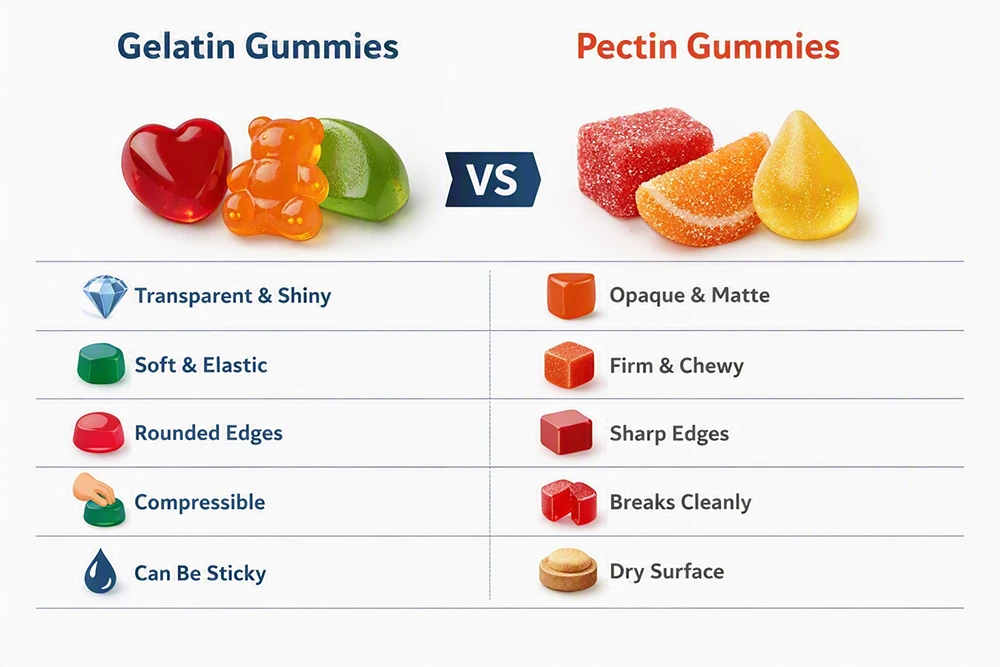
A professional custom gummy manufacturer typically works with two major gelling systems:
- Pectin-based gummies (vegan, heat‑stable, clean label)
- Gelatin-based gummies (chewy texture, traditional mouthfeel)
The choice depends on formulation goals, target market, and stability requirements.
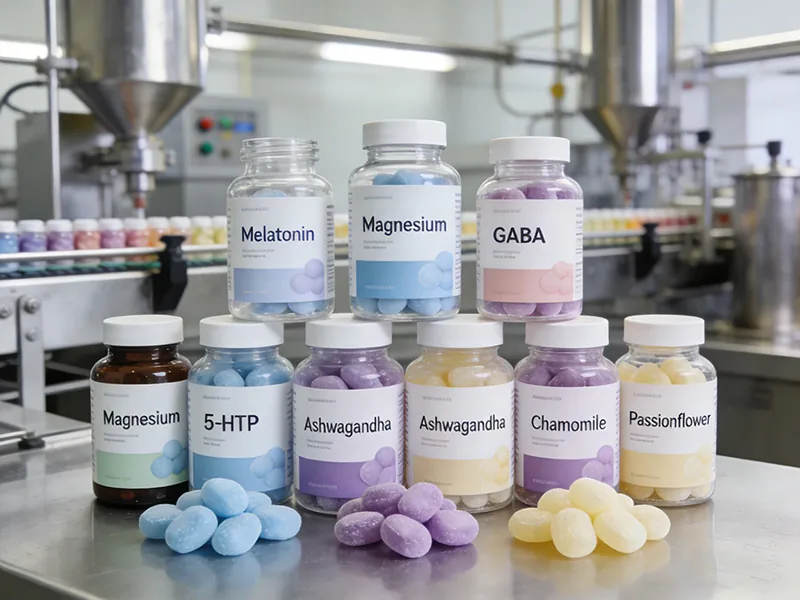
2. Step-by-Step: How Gummies Are Made in a Modern Facility
2.1 Ingredient Preparation and Weighing
Every batch begins with precise weighing of raw materials. Active ingredients—such as vitamins, minerals, botanicals, or functional compounds—must be accurately dosed to ensure label claim compliance. This step is critical for quality control and is audited under GMP standards.
2.2 Heating and Mixing
The gelling base (gelatin or pectin) is heated in industrial kettles. Sweeteners, acids, colors, and flavors are added in a controlled sequence. For supplement gummies, active ingredients are usually added at lower temperatures to protect potency.
2.3 Homogenization
To ensure even distribution of nutrients, the mixture undergoes continuous mixing. This prevents settling, clumping, or uneven potency—one of the most important aspects of gummy contract manufacturing.
2.4 Depositing into Molds
The liquid gummy mass is deposited into starch trays or silicone molds using automated depositing lines. This step determines the final shape, size, and weight of each gummy.
2.5 Cooling and Setting
Gummies are cooled in temperature‑controlled tunnels. Pectin gummies set through a chemical reaction with acid and sugar, while gelatin gummies set through physical cooling.
2.6 Demolding and Drying
Once set, gummies are removed from molds and transferred to drying rooms. Proper drying ensures:
- Stable texture
- Reduced stickiness
- Longer shelf life
- Better packaging performance
2.7 Coating
Gummies may be coated with oil, wax, or a sugar‑free anti‑stick agent. This improves appearance and prevents clumping during transport.
2.8 Quality Testing
Before packaging, gummies undergo:
- Microbial testing
- Active ingredient potency testing
- Heavy metal screening
- Stability checks
- Organoleptic evaluation
This ensures the final product meets regulatory and label requirements.
2.9 Packaging
Gummies are packed into bottles, pouches, or bulk containers. Packaging must protect against moisture and heat, which can affect gummy stability.
3. Key Factors That Influence Gummy Quality
3.1 Ingredient Compatibility
Not all nutrients behave well in gummy form. For example, high‑dose minerals may affect texture, while heat‑sensitive ingredients require special handling.
3.2 Water Activity (Aw)
Controlling moisture is essential to prevent microbial growth and maintain texture.
3.3 Stability and Shelf Life
A professional gummy manufacturing facility conducts stability studies to ensure gummies maintain potency throughout their shelf life.
3.4 Regulatory Compliance
Gummy supplements must comply with:
- FDA cGMP (U.S.)
- EFSA guidelines (EU)
- TGA (Australia)
- Other regional regulations
This is why working with an experienced manufacturer is essential.
4. Why the Manufacturing Process Matters for Brand Owners
For private label brands, distributors, and supplement companies, understanding the gummy production process helps with:
- Choosing the right formulation
- Ensuring label accuracy
- Reducing production risks
- Improving product differentiation
- Planning long‑term supply chain strategies
A transparent manufacturing partner provides technical guidance, formulation support, and regulatory documentation—critical for scaling a successful gummy line.
Conclusion
Gummy supplements may look simple, but their production requires precise formulation, controlled processing, and strict quality standards. From ingredient preparation to final packaging, each step influences texture, potency, stability, and consumer experience. Understanding how gummies are made helps brand owners make informed decisions when selecting a custom gummy manufacturer or planning a new product launch.
FAQ
1. Are gummy supplements as effective as capsules or tablets?
Yes—when formulated correctly. Potency depends on ingredient stability, manufacturing controls, and proper storage.
2. What is the minimum order quantity for private label gummies?
MOQs vary by manufacturer, but most facilities offer flexible options for new brands and larger volumes for established companies.
3. Can gummies be made sugar‑free or vegan?
Yes. Pectin‑based gummies are naturally vegan, and sugar‑free formulations are available using alternative sweeteners.
4. How long does gummy manufacturing take?
A typical production cycle—including formulation, testing, and packaging—ranges from 4 to 8 weeks depending on complexity.
5. What certifications should a manufacturer have?
Look for GMP, HACCP, ISO, and third‑party testing capabilities to ensure product safety and compliance.
About Us
We are a professional gummy supplements manufacturer specializing in research, formulation, and large‑scale production of nutraceutical gummies. Our capabilities include private label gummy development, OEM/ODM solutions, white‑label formulas, and full‑service gummy contract manufacturing. We support global brands with bulk production, wholesale supply, custom formulations, and regulatory documentation to ensure every product meets international quality standards.