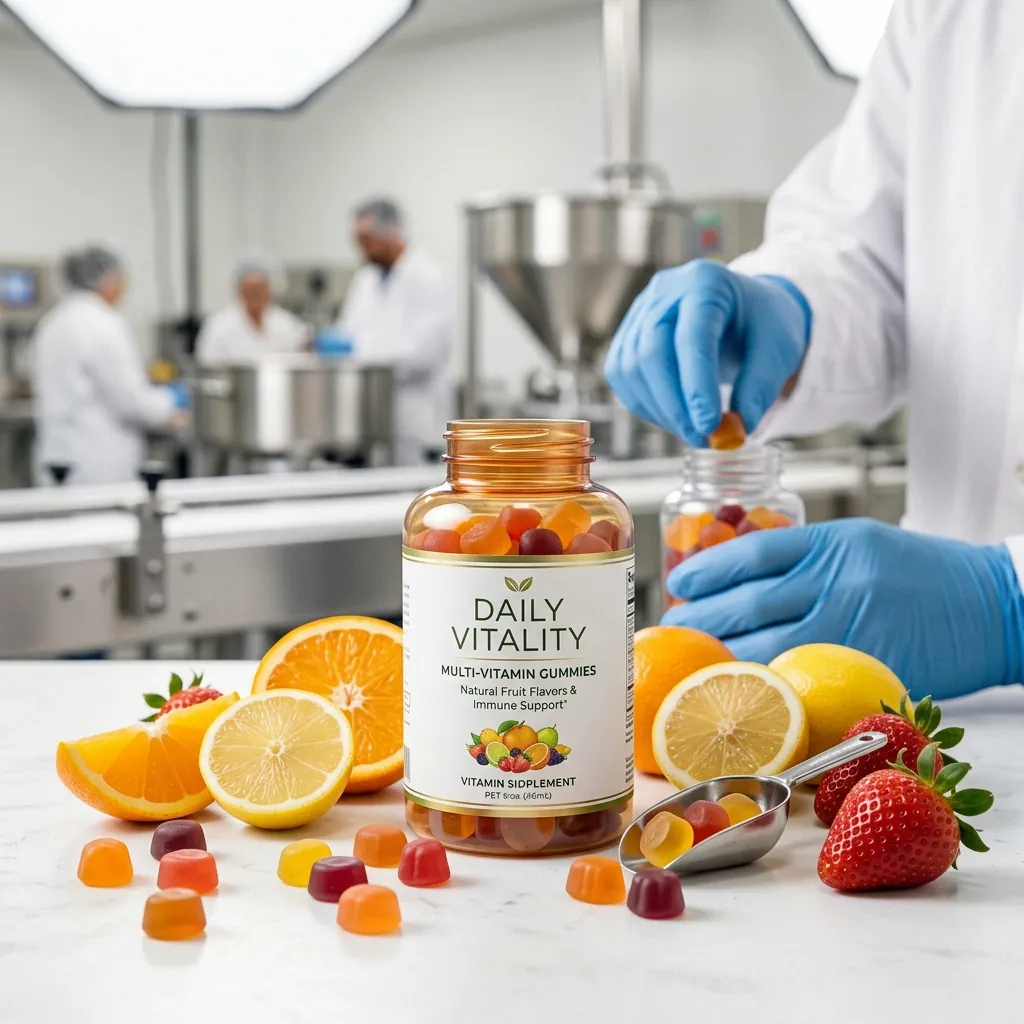
Fabricant de compléments alimentaires | Gommes,…




What Makes a Good Gummy Supplement Formula? Direct Answer for Brand Owners
A good gummy supplement formula delivers the labeled dosage, remains stable throughout shelf life, can be manufactured consistently at commercial scale, and provides acceptable taste and texture. For any brand evaluating a Fabricant de bonbons gélifiés, formula quality is not just about ingredients on a label, but about how those ingredients behave in a gel system, under heat, at a specific pH, and with controlled water activity.
Many gummy concepts that look simple on paper fail during scale-up because of active loading limits, ingredient incompatibility, or incorrect gel selection. A commercially viable formula must balance four constraints at once: efficacy, stability, sensory quality, and production economics. If one constraint is ignored, the others will create cost, quality, or compliance problems later.
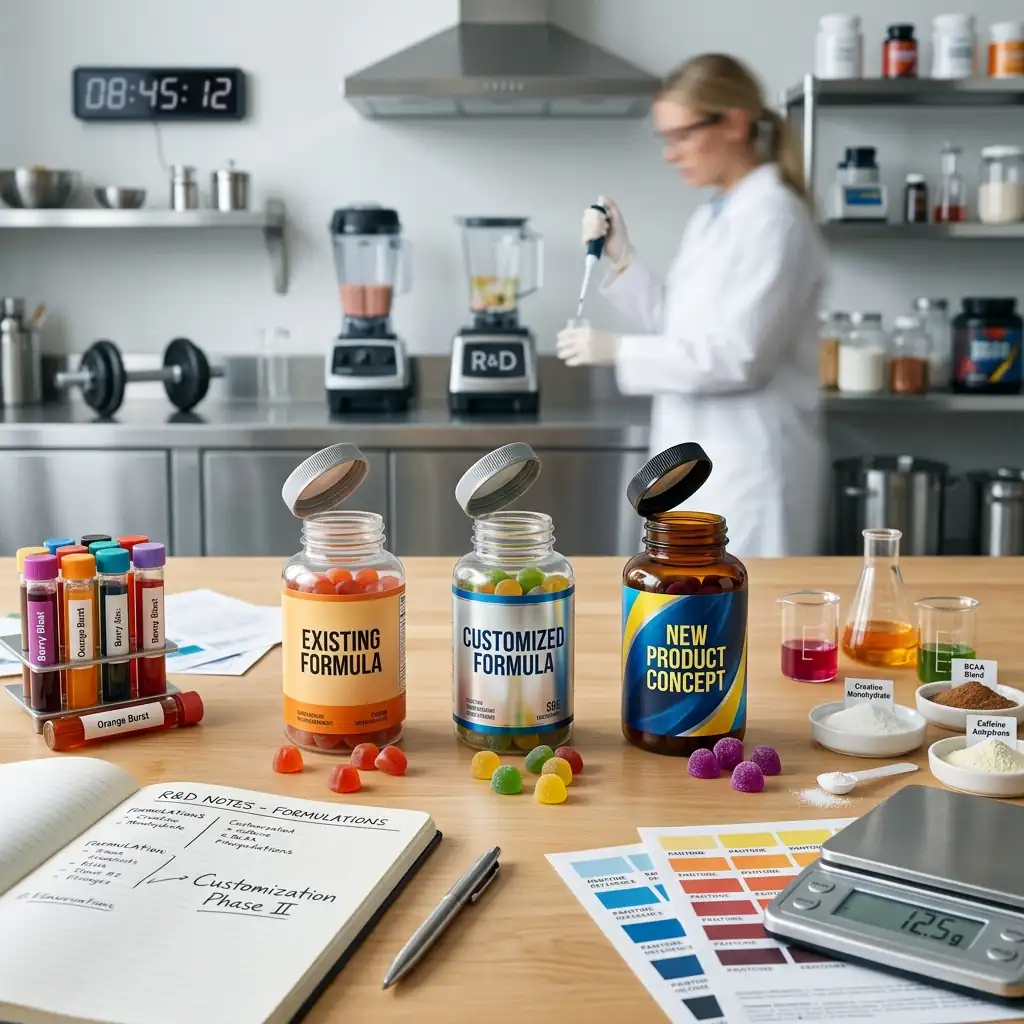
Why Formula Quality Determines Success in Gummy Manufacturing
Supplement brands often start with a market trend, such as apple cider vinegar, ashwagandha, or magnesium. The question behind the search for this topic is practical: can this idea be turned into a stable, great-tasting gummy that meets dosage, cost, and regulatory expectations?
A poor formula creates risks that procurement and product development teams pay for later. These include active ingredient degradation during cooking, texture defects like sweating or hardening, flavor that cannot be masked, gummy size that is too large for a single serving, and batch-to-batch inconsistency. Understanding formulation logic early helps you define realistic specifications and choose a manufacturing partner with the right capabilities.
7 Key Factors That Define a Good Gummy Supplement Formula
1. Active Ingredient Loading and Dosage Feasibility
Gummy weight typically ranges from 2.5g to 4.0g per piece. That weight includes sweeteners, gel, water, flavor, color, and coating, leaving limited space for actives. High-dose ingredients quickly increase gummy size or require more pieces per serving.
For example, a 200mg magnesium requirement from magnesium citrate cannot fit into a standard 3g pectin gummy at one piece per serving without affecting texture and taste. The same applies to calcium, fiber, and creatine. A good formula assesses active loading early and adjusts serving size, gummy weight, or salt form to remain feasible.
When evaluating a concept, ask: what is the elemental or standardized dosage, what is the required salt or extract ratio, and how many grams does that add to the batch? This calculation directly impacts cost, mold selection, and consumer compliance.
2. Ingredient Compatibility and Interaction Risk
Not all actives coexist well in a gummy matrix. Minerals can interfere with gel formation. Iron and zinc often introduce metallic taste and color changes. Calcium can affect pectin setting if the system is not buffered correctly.
Botanical extracts bring additional variables. High-acid extracts like ashwagandha or green coffee, or high-polyphenol extracts, can alter pH and impact gel strength. Hygroscopic ingredients such as L-carnitine or some B-vitamin forms attract moisture, raising water activity and microbiological risk.
Un robuste fabrication de bonbons gélifiés approach tests compatibility in small pilot batches. That includes checking for precipitation, pH drift, color darkening, and texture breakdown after 48 to 72 hours. These early observations prevent costly rework at scale.
3. Gel System Selection: Pectin vs Gelatin vs Hybrid
The gel system determines texture, processing temperature, vegan status, and stability profile. Most commercial gummies use either gelatin or pectin. Choosing the wrong system for your actives creates avoidable defects.
Gelatin provides elastic chew and lower cooking temperatures, but it is not suitable for vegan positioning and is more sensitive to heat during storage. Pectin provides a short, clean bite, supports vegan and halal claims, and tolerates higher storage temperatures, but it requires precise pH and soluble solids control to set properly.
| Facteur | Système de gélatine | Système de pectine |
|---|---|---|
| Texturé | Élastique, moelleux, fondant en bouche | Short bite, less elastic, clean break |
| pH de traitement | Tolerant from 3.5 to 5.0 | Narrow window, typically 3.2 to 3.8 for high-methoxyl pectin |
| Heat During Cooking | Lower cooking temp, add actives below 85C to protect heat-sensitive nutrients | Higher cooking temp for solids, requires rapid cooling before active addition |
| Claim Suitability | Non-vegan, kosher and halal gelatin available | Vegan, vegetarian, halal friendly |
| Risque commun | Softening in warm climates, cross-linking with certain actives | Failure to set if pH or brix is off, syneresis if over-acidified |
A good formula specifies the gel type based on actives, target claims, and distribution climate, not just preference. For a Bonbons gélifiés de marque privée with acidic ingredients like vitamin C or ACV, pectin requires careful buffering. For collagen or melatonin with low dose and flavor sensitivity, gelatin may provide better masking.
4. pH, Water Activity, and Stability Control
pH controls gel formation and microbial stability. Water activity (aw) controls microbiological risk, texture stability, and shelf life. Both must be defined in the formula, not left to chance.
In pectin gummies, pH below 3.2 can cause premature setting and grainy texture. pH above 3.8 can prevent setting entirely. In gelatin systems, very low pH can hydrolyze gelatin over time, leading to softening. Manufacturers adjust pH using citrate buffers and add acid in two stages to protect the gel.
Water activity above 0.70 significantly increases yeast and mold risk, especially for sugar-free or low-sugar formulas. A good formula targets aw below 0.65 for most pectin gummies and includes a drying or conditioning step to reach that target. Packaging with high moisture barrier is then required to maintain it.
5. Heat Sensitivity and Process Timing
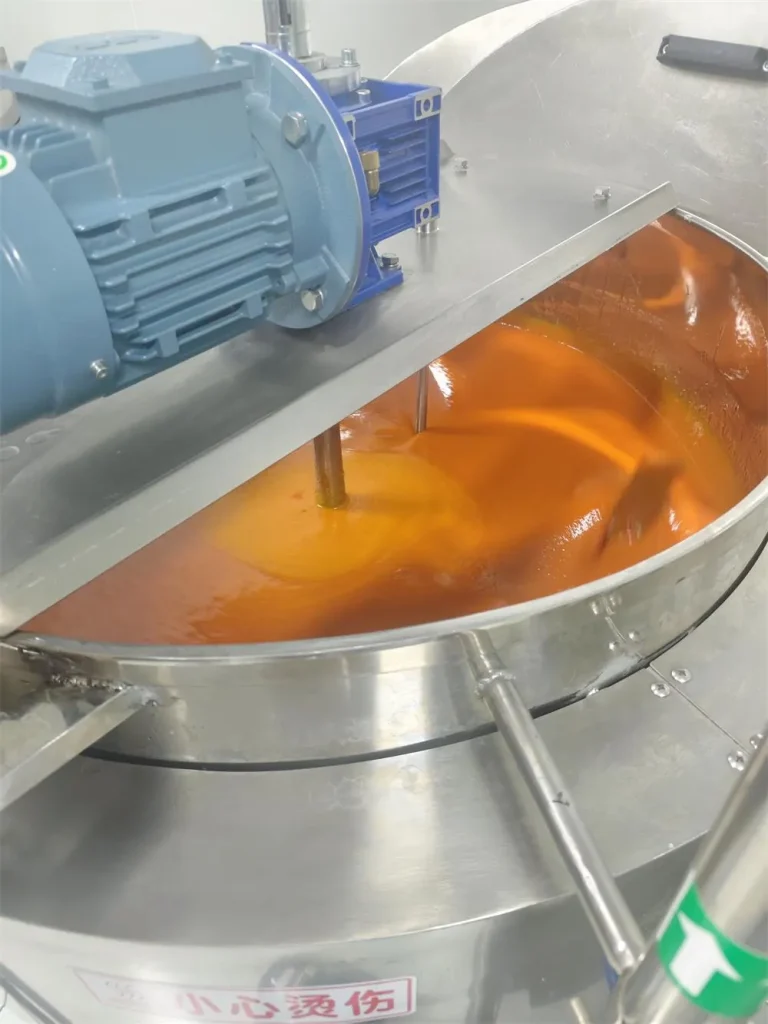
Cooking is necessary to achieve target brix and activate the gel, but heat destroys some actives. Vitamins such as vitamin C, B1, B12, and probiotics are particularly heat sensitive. Manufacturing logic is to add these after cooking, during a low-temperature holding phase, typically below 80C to 90C depending on the system.
For probiotics, standard gummy cooking is often incompatible. Surviving spore-forming strains may require specialized low-heat deposition and additional stability protection, including water activity below 0.60 and oxygen-barrier packaging. If your formula includes probiotics, confirm whether the manufacturer has validated low-heat processes and stability protocols for that category.
Process timing also affects color and flavor. Natural colors like black carrot or spirulina fade with prolonged heat exposure. Flavor is added late to reduce volatilization. A good formula specifies addition sequence and temperature limits for each sensitive ingredient.
6. Flavor, Color, and Texture Engineering
Flavor masking is often the deciding factor for consumer repurchase. Minerals, botanicals, and B-vitamins have bitter, metallic, or earthy notes. Sweeteners and acids alone cannot mask them at higher doses.
Effective masking combines flavor selection, acid profile, bitterness blockers where permitted, and coating. Oil-based flavors may affect clarity of pectin gummies. Sugar sanding or wax coating can reduce surface bitterness and improve mouthfeel. Color must also be compatible with pH. Anthocyanin colors shift from red to purple-blue as pH rises, which must be anticipated.
Texture is engineered through solids content, gel dosage, and conditioning time. Over-dosing gel to compensate for high active loading creates a tough, rubbery gummy. Under-dosing creates a soft gummy that deforms in packaging. Texture should be measured with penetrometer or texture analyzer data during pilot runs, not judged by hand alone.
7. Shelf Life and Packaging Compatibility
Shelf-life validation links formula, water activity, packaging, and storage conditions. A good formula defines target shelf life, usually 18 to 24 months, and links it to packaging specification.
Key packaging factors include moisture transmission rate, oxygen barrier, and seal integrity. For hygroscopic or oxidation-sensitive formulas, stand-up pouches with desiccant may not be sufficient. Bottles with induction seals and low MVTR films perform better. Coating also plays a role. Sanded gummies absorb moisture faster than wax-coated gummies in humid markets.
Finished-product testing should include water activity, pH, texture over time, color stability, and active assay at initial, 3, 6, 12 month intervals under accelerated and long-term conditions.
Manufacturing Process: Where Formulation Meets Scale
A commercially viable gummy formula must survive scale-up. The process stages that most affect formula decisions include:
- Concept and specification review: Confirm dosage, claims, gel preference, allergen status, and target markets. This defines regulatory and labeling constraints.
- Développement de formules : Laboratory batches test active loading, pH targets, gel dosage, and sensory profile. Small variations in pectin grade or gelatin bloom strength change texture significantly.
- Test de matières premières : Gel strength, botanical extract assay, and mineral form verification prevent batch failures.
- Batch preparation and cooking: Sugar, glucose syrup, and water are cooked to target brix. For pectin, soluble solids are critical to set.
- Active ingredient addition: Heat-sensitive actives, acids, flavors, and colors are added in a temperature-controlled mixing vessel with homogenization to ensure uniformity.
- Deposition and molding: Precise depositing ensures weight uniformity. High active loads increase viscosity and can affect mold fill.
- Cooling and conditioning: Gummies are cooled to set the gel, then dried in conditioning rooms to reach target water activity and texture.
- Coating and inspection: Sugar sanding or oil/wax coating is applied. Metal detection and visual inspection remove defective pieces.
- Packaging and testing: Packaging is selected for barrier properties. Finished-product testing covers potency, micro, texture, and water activity.
Large-scale production requires tighter control of mixing time, depositing temperature, and drying time than lab production. A formula that works at 5kg may fail at 500kg if viscosity or setting time is not engineered for equipment speed.
Common Formulation Mistakes That Increase Cost and Failure Risk
Brands new to gummies often encounter the same preventable issues. One is overloading a single gummy to avoid a two-piece serving, which forces larger molds and higher unit cost. A second is combining incompatible minerals and acids in one piece, causing pH instability and texture breakdown.
Another common mistake is selecting natural colors without testing pH stability or light stability. A third is requesting probiotics in a standard high-heat pectin process without understanding viability loss. Finally, many projects start without defining target water activity or packaging, leading to sweating or mold risk during summer distribution.
These mistakes raise MOQ and cost because they require reformulation, new molds, or re-validation. Addressing them during formula development reduces total project time.
Cost and MOQ Drivers for Private Label Gummy Projects
Understanding cost structure helps buyers provide better specifications and negotiate realistic MOQs.
| Inducteur de coûts | How It Affects Formula and Price | Décision de l'acheteur |
|---|---|---|
| Active ingredient form and dose | High-cost extracts or chelated minerals increase raw material cost; high dose increases gummy weight | Define elemental dosage and acceptable salt form |
| Gel system | Pectin costs more than gelatin and requires stricter process control | Select based on claim and climate, not just cost |
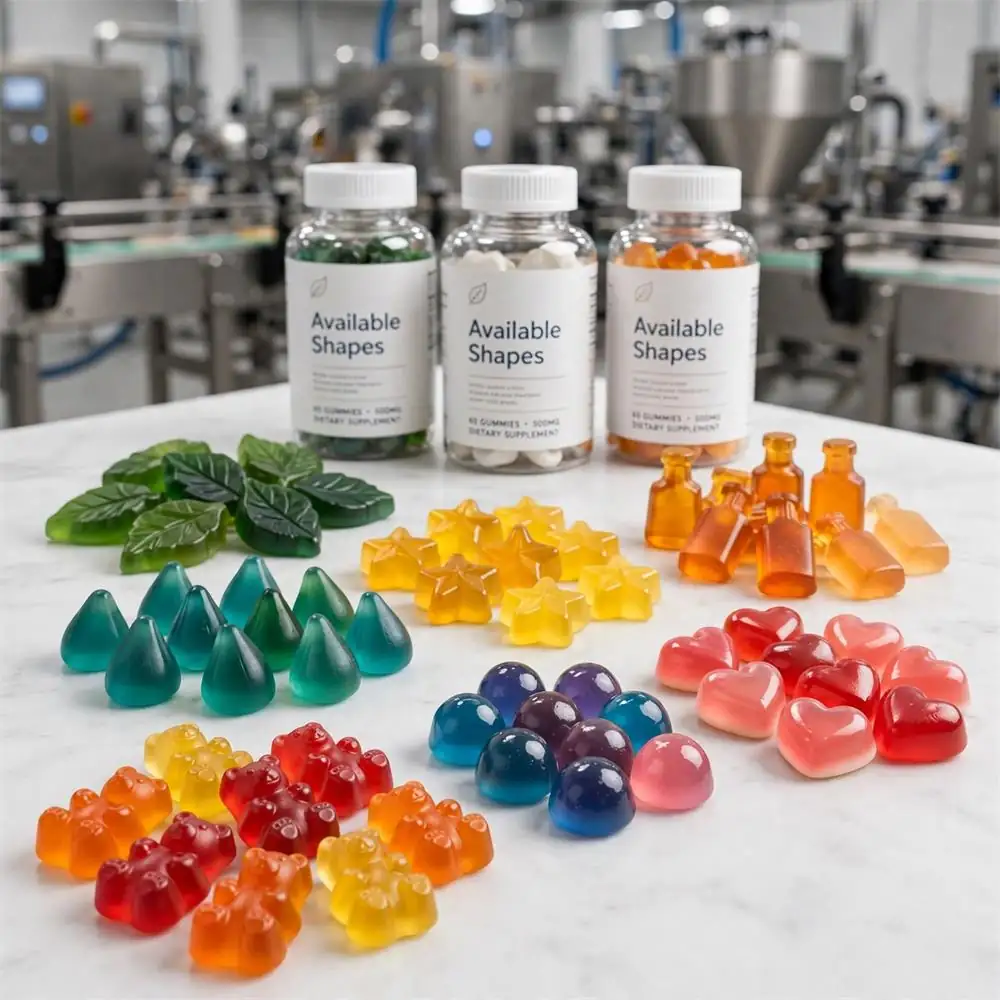
| Poids et moule en gomme | Custom shape requires new mold and depositing plates, affects pieces per hour | Use standard bear or dome molds for first production if possible |
| Flavor and masking | Complex masking increases flavor load and requires additional trials | Accept two-piece serving to reduce masking complexity |
| Revêtement et emballage | Sanding, wax coating, and barrier bottles affect line speed and material cost | Define target market climate and shelf life early |
| Tests et documentation | Heavy metal, potency, micro, and stability testing add to lead time | Specify required tests and destination market regulations upfront |
For most custom gummy projects, MOQ becomes commercially important when custom molds, specialized actives with limited sourcing, or low-dose high-value ingredients are involved. A manufacturer with 16 tons of daily production capacity can offer flexible MOQ for standard formulas but will require higher MOQ for highly customized formulas to maintain batch consistency.
How to Evaluate a Gummy Manufacturer for Formula Development
Formula capability is a better indicator than catalog size. When evaluating a Gummy Manufacturer for your project, focus on verifiable capabilities:
- Bonnes pratiques de fabrication (BPF) et systèmes de qualité : GMP certification, HACCP, ISO22000, FSSC 22000, BRC, and documented batch traceability. Ask how they control water activity and pH in-process.
- R&D and formulation experience: 10,000-class R&D laboratory, pilot equipment that mirrors commercial lines, and experience with your active category, such as minerals, botanicals, or vitamins.
- Tests et contrôle qualité : In-house and third-party testing for potency, micro, heavy metals, water activity, and texture. Ability to provide stability data.
- Approvisionnement en ingrédients : Qualified suppliers for pectin, gelatin, natural colors, and actives, with CoA verification.
- Passage du projet pilote à l'échelle commerciale : Documented scale-up from lab to commercial batch, including depositing accuracy and drying curves.
- Capacité d'emballage : Bottles, pouches, and bulk options with appropriate barrier properties.
- Documentation and regulatory support: Product specification sheets, allergen statements, CoA, and export documentation experience.
- Capacité de production: Daily and annual capacity that supports both initial MOQ and future growth without re-validation at another site.
Shenzhen Gothink Biotech Co., Ltd. operates as a China-based dietary supplement manufacturer providing OEM, ODM, CMO, and CDMO services across gummy, capsule, tablet, powder, liquid, and drop formats. The facility operates under GMP-certified conditions with a 100,000-class cleanroom, a 10,000-class R&D laboratory, approximately 16 tons of daily production capacity, and approximately 5,000 tons of annual capacity. Quality systems include ISO9001, ISO22000, HACCP, FDA, HALAL, GMP, KOSHER, BRC, FSSC 22000, PJPH, and Vegan, supporting global private label requirements.
Practical Checklist Before Requesting OEM/ODM Quotation
Providing clear information shortens formulation time and improves quotation accuracy. Include:
- Target actives, dosage per serving, and preferred form, for example magnesium bisglycinate vs citrate
- Desired number of gummies per serving and target gummy weight if known
- Gel preference and claim requirements, such as vegan, pectin, gelatin, sugar-free
- Flavor and color direction and any allergen restrictions
- Target shelf life and primary distribution markets and climate
- Packaging format preference, bottle count or pouch size
- Any ingredients to avoid and regulatory market, such as US, EU, or Middle East
- Estimated first order volume and annual forecast
This information allows a manufacturer to assess feasibility, recommend dosage adjustments, and propose alternatives where a direct request would create instability or excessive cost.
FAQ: Gummy Supplement Formula Development
What is the maximum active load in a standard gummy?
Most 3g gummies can accommodate 10% to 25% active load while maintaining texture, depending on the ingredient. Low-density, high-dose minerals and hygroscopic ingredients reduce that limit. If the total active mass exceeds 750mg to 1g per piece, consider two gummies per serving or a larger mold.
Why does pectin gummy formulation require strict pH control?
High-methoxyl pectin sets only within a narrow pH and soluble solids window. Outside that window, the gel either fails to set or sets too fast, trapping air and creating inconsistent texture. Buffer systems and staged acid addition are used to keep pH within the target range after active addition.
Can probiotics be added to gummy formulas?
Probiotics require low water activity, low-heat processing, and oxygen-barrier packaging to maintain viability. Most standard high-heat gummy processes are not suitable. If probiotics are required, ask the manufacturer about validated low-temperature deposition, spore-forming strains, and stability protocols.
How do you prevent sugar crystallization or sweating in gummies?
Sweating is usually caused by high water activity, incorrect drying, or low-barrier packaging. Prevention involves conditioning gummies to target aw, controlling storage humidity, applying appropriate coating, and using high-barrier packaging with proper seals. Sugar crystallization is linked to brix control during cooking.
What affects flavor masking for mineral gummies?
Metallic taste from iron, zinc, magnesium, and calcium is concentration-dependent. Effective masking uses a combination of strong fruit flavors, acid balance, and coating. In some cases, reducing dose per piece and increasing serving count provides better sensory results than trying to mask an excessive mineral load in one gummy.
How long does gummy formula development usually take?
For a standard vitamin or botanical formula with existing ingredients, pilot development typically takes 2 to 4 weeks, followed by stability checks. Complex formulas with multiple minerals, high-dose botanicals, or new flavors may take longer due to compatibility testing and texture optimization. Clear specifications shorten this timeline.
What should I ask a gummy manufacturer before starting a private label project?
Ask about their experience with your active category, how they control pH and water activity in-process, what gel systems they can run, what testing they perform for each batch, what MOQ applies to your formula, and what documentation they provide for your target market. Also confirm pilot capacity and scale-up process.
Next Step: From Concept to Commercial Formula
A good gummy supplement formula is defined long before deposition. It is defined by dosage feasibility, ingredient compatibility, gel system selection, pH and water activity control, heat management, and packaging alignment. Brands that address these factors early reduce reformulation cost and reach market faster.
If you have a gummy concept, compare formulation options based on active loading and gel system, then request a custom formulation review. Provide your target dosage, claims, flavor direction, and packaging requirements so the manufacturer can assess feasibility and recommend adjustments.
For additional technical guidance, explore our Centre de Ressources or discuss your specifications to request an OEM/ODM quotation for Bonbons gélifiés de marque privée
Jack Luo | Conseiller technique principal, Centre de recherche en nutrition Représentant Gothink Biology, un fabricant de compléments alimentaires certifié GMP basé à Shenzhen, en Chine.