
Summary
Gummy vitamins first appeared in the supplement market in the 1990s, inspired by the popularity of gummy candies and designed to improve consumer acceptance of dietary supplements. Since then, gummy supplements have evolved into one of the fastest-growing product categories in the global nutrition industry, creating significant opportunities for brands, distributors, and manufacturing partners.
For businesses, understanding when gummy vitamins emerged and how the category developed provides valuable insight into current market demand, product innovation, and sourcing strategies.
Definition
When did gummy vitamins come out refers to the history and commercial introduction of gummy-form dietary supplements, including the development of vitamin gummies, their market adoption, and their evolution into a mainstream supplement delivery format.
From a business perspective, the topic helps explain how gummy supplements became a major product category and why they continue to attract investment from health brands, retailers, and OEM/ODM buyers.
What Are Gummy Vitamins?
Gummy vitamins are dietary supplements manufactured in a chewable gummy format rather than traditional tablets, capsules, or powders.
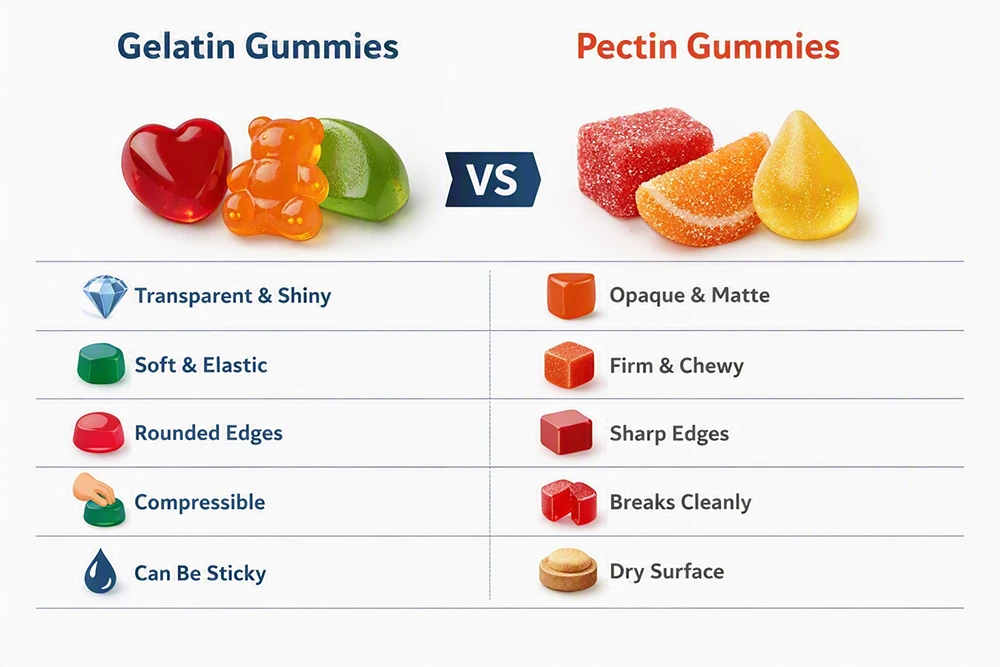
They typically contain vitamins, minerals, botanical extracts, probiotics, or other nutritional ingredients embedded within a gelatin- or pectin-based gummy matrix.
Today, gummy supplements are widely available for children and adults and represent a substantial segment of the global dietary supplement market.
When Did Gummy Vitamins First Come Out?
Although gummy candies have existed for decades, gummy vitamins became commercially available in the early 1990s.
The concept was developed to address a common consumer challenge: difficulty swallowing traditional tablets and capsules.
Early products primarily targeted children, offering a more enjoyable supplement experience while helping parents encourage daily vitamin consumption.
As manufacturing technologies improved and consumer preferences shifted toward convenient formats, gummy supplements expanded rapidly into adult nutrition categories.
Today, gummies are used for:
- Multivitamins
- Minerals
- Herbal supplements
- Functional nutrition products
- Sports nutrition products
- Beauty supplements
- Specialty wellness formulations
Industry Background and Market Evolution
Early Stage: Children’s Vitamins
The initial gummy vitamin market focused on pediatric nutrition. Flavor and chewability were major selling points compared with conventional tablets.
Expansion Into Adult Supplements
During the 2000s and 2010s, manufacturers improved formulation technologies, enabling higher ingredient loading, better stability, and broader product applications.
Adult consumers increasingly adopted gummies for convenience and taste.
Modern Gummy Supplement Industry
Today, gummy supplements are one of the most innovative segments within dietary supplements.
Manufacturers continue developing:
- Sugar-free gummies
- Vegan gummies
- Functional gummies
- Multi-ingredient formulations
- Customized dosage formats
This growth has increased demand for Gummy Contract Manufacturing and specialized production facilities capable of handling complex formulations.
Why Gummy Vitamins Matter for Businesses
The rise of gummy vitamins has created opportunities throughout the supplement supply chain.
Growing Consumer Demand
Many consumers prefer gummies because they are easy to consume and portable.
This preference has encouraged brands to launch gummy versions of existing supplement products.
Product Differentiation
Gummy formats allow brands to differentiate products through:
- Flavor profiles
- Shapes
- Colors
- Packaging concepts
- Ingredient combinations
Market Expansion Opportunities
Companies entering the supplement industry often use gummies to access new customer segments and increase product appeal.
Gummy Vitamins vs. Alternative Supplement Formats
Gummies vs. Tablets
Gummies
- Easier to consume
- Better consumer acceptance
- More flavor options
Tablets
- Typically lower production costs
- Higher ingredient loading potential
- Longer market history
Gummies vs. Capsules
Gummies
- Chewable format
- Enhanced user experience
Capsules
- Faster manufacturing
- Suitable for sensitive ingredients
Gummies vs. Powders
Gummies
- Convenient serving format
- No mixing required
Powders
- Flexible serving sizes
- Often suitable for higher ingredient doses
Key Advantages and Limitations
Advantages
Consumer-Friendly Format
Gummies can improve user acceptance and product accessibility.
Brand Differentiation
Custom shapes, flavors, and packaging help brands stand out.
Broad Market Appeal
Suitable for children’s products, adult wellness products, and specialty nutrition categories.
Flexible Private Label Opportunities
Many manufacturers offer private label gummy solutions that reduce development time.
Limitations
Ingredient Loading Constraints
Some nutrients may be difficult to incorporate at high dosage levels.
Stability Challenges
Certain ingredients require careful formulation and packaging.
Production Complexity
Gummy manufacturing involves specialized equipment and process controls.
Regulatory Requirements
Labeling, ingredient compliance, and quality documentation must be carefully managed.
Who Should Consider Gummy Vitamin Products?
Gummy supplements may be relevant for:
- Health supplement brands
- Retail chains
- E-commerce sellers
- Nutrition distributors
- Wellness startups
- International importers
- OEM/ODM buyers
Businesses seeking customized products often work with a custom gummy manufacturer to develop unique formulations and branding strategies.
Compliance and Quality Considerations
Businesses should evaluate regulatory and quality requirements before launching gummy supplements.
Important considerations include:
- Ingredient compliance
- Label accuracy
- Stability testing
- Microbiological testing
- Heavy metal testing
- Packaging validation
- Market-specific regulations
Many buyers prefer working with a private label gummy manufacturer that can provide complete documentation and quality support.
What Businesses Should Evaluate Before Production
Before sourcing or developing gummy vitamins, businesses should assess:
- Target market requirements
- Ingredient compatibility
- Flavor expectations
- Packaging preferences
- Production scalability
- Regulatory obligations
- Supplier capabilities
Brands planning to make vitamin gummies should also evaluate formulation feasibility early in the development process.
Technical Parameters Table
Practical Insights for B2B Buyers
Manufacturing Quality and Process Control
Consistent gummy texture, ingredient distribution, and dosage accuracy require strict process management.
Raw Material Transparency
Suppliers should provide traceability documentation and specifications for key ingredients.
Production Scalability
Manufacturers should demonstrate the ability to scale from pilot batches to commercial production.
Compliance Documentation
Businesses should verify availability of:
- Certificates of Analysis
- Stability reports
- Testing records
- Manufacturing certifications
Cost Structure Evaluation
Total project cost may include:
- Formula development
- Raw materials
- Packaging
- Testing
- Logistics
- Regulatory support
Supplier Assessment
Evaluate:
- Manufacturing experience
- Quality systems
- Production capacity
- Communication efficiency
- Regulatory knowledge
B2B Decision Guide
How Brands Choose the Right Manufacturer
Brands should seek partners with proven experience in gummy formulation and commercial production.
What Matters in OEM/ODM Projects
Important factors include:
- Formulation expertise
- Packaging flexibility
- Documentation support
- Scalability
- Lead-time management
How to Assess Production Capability
Review:
- Facility certifications
- Equipment capacity
- Quality systems
- Production history
Long-Term Supply Partnership Criteria
Reliable suppliers should demonstrate:
- Stable raw material sourcing
- Consistent quality performance
- Transparent communication
- Capacity planning support
Risk Control and Quality Assurance
Businesses should implement checkpoints covering:
- Ingredient verification
- In-process testing
- Finished product inspection
- Documentation review
Conclusion
The history of gummy vitamins dates back to the 1990s, when manufacturers introduced a more consumer-friendly alternative to traditional supplement formats. Since then, gummy supplements have evolved into a major category within the global nutrition industry.
For brands, distributors, and OEM/ODM buyers, understanding the development of gummy vitamins helps support better product planning, sourcing decisions, manufacturing strategies, and long-term market positioning.
FAQ
What is gummy vitamins history?
Gummy vitamins were introduced in the early 1990s as chewable dietary supplements designed to improve consumer acceptance.
Why do gummy vitamins matter for manufacturers?
They represent a fast-growing supplement format that offers product differentiation and market expansion opportunities.
How do gummy vitamins compare to tablets?
Gummies generally offer better consumer acceptance, while tablets often allow higher ingredient loading and lower manufacturing costs.
What should businesses consider before sourcing gummy vitamins?
Key considerations include formulation feasibility, quality standards, regulatory compliance, packaging, and production scalability.
What quality standards apply to gummy vitamins?
Common standards include GMP, ISO certifications, ingredient testing, and third-party quality verification.
Can gummy vitamins be customized for private label projects?
Yes. Many manufacturers offer custom formulation, flavor, packaging, and branding options for private-label programs.
About the Manufacturer
Shenzhen Gothink Biotech Co., Ltd. is a dietary supplement manufacturer providing OEM, ODM, CMO, and CDMO services for global nutrition brands. The company supports gummy, capsule, tablet, powder, liquid, and drop supplement production, along with formulation development, packaging customization, and turnkey manufacturing solutions. Production operations are supported by GMP-compliant facilities, quality management systems, and internationally recognized certifications. With capabilities in bulk manufacturing, custom product development, and long-term supply support, the company serves brands, distributors, retailers, and private-label businesses seeking scalable supplement manufacturing solutions.