
Published on December 3, 2025 — Authored by Dr. Elena Martinez, PhD in Nutritional Biochemistry & Senior R&D Consultant with 15+ Years in Dietary Supplement Gummy Development
Abstract
Entering the booming gummy supplement market? You’re not alone—global demand for functional gummies is projected to exceed $10 billion by 2027. But success hinges on more than appealing flavors and Instagrammable packaging. Behind every best-selling gummy lies a meticulously engineered gummy formulation that balances stability, bioavailability, taste, texture, and regulatory compliance. This guide distills years of industry R&D experience into actionable insights for private-label brands, wholesalers, and supplement entrepreneurs. Whether you’re partnering with a gummy manufacturer, exploring OEM/ODM services, or scaling your own gummies supplement line, this resource equips you with the technical and strategic knowledge to avoid costly pitfalls and launch a product that performs—both on the shelf and in the body.

Why Gummy Formulation Isn’t Just “Jelly + Vitamins”
Many newcomers assume gummy supplements are simple adaptations of candy recipes. In reality, integrating active ingredients—especially heat-sensitive vitamins (like B12 or C), botanicals, or probiotics—into a gelatin or pectin base presents unique challenges:
- pH sensitivity: Acidic environments can degrade certain nutrients.
- Moisture control: High water activity invites microbial growth and shortens shelf life.
- Texture degradation: Some actives alter gel strength, causing gummies to become sticky, brittle, or weepy.
- Flavor masking: Bitter or metallic notes from minerals (e.g., iron, zinc) require expert flavor engineering.
A professional gummy manufacturer with robust R&D capabilities doesn’t just mix ingredients—they design delivery systems optimized for efficacy and consumer experience.

Key Components of a High-Performance Gummy Formulation
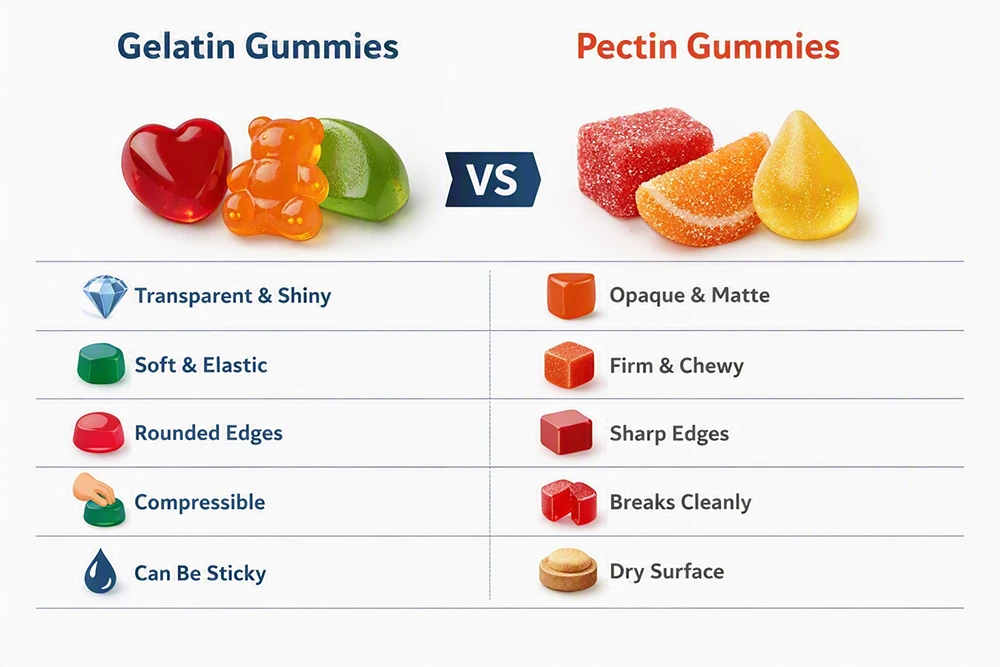
1. Base Selection: Gelatin vs. Pectin vs. Starch
- Gelatin (animal-derived): Offers superior elasticity and chew; ideal for high-dose vitamins. Not vegan-friendly.
- Pectin (plant-based): Clean-label, vegan, and heat-stable—but less forgiving with pH shifts. Best for fruit-based flavors and mild actives.
- Modified Starch: Cost-effective and neutral in flavor, but may yield a less desirable “gummy bear” texture.
Pro Tip: If targeting the vegan market, confirm your gummy ODM has experience stabilizing pectin-based formulations with challenging actives like CBD or melatonin.
2. Active Ingredient Integration Strategy
Not all nutrients play well in gummy matrices. Work with your gummy OEM to:
- Use encapsulated actives for moisture- or oxygen-sensitive compounds.
- Adjust dosing based on bioavailability in gummy form (e.g., fat-soluble vitamins may require emulsifiers).
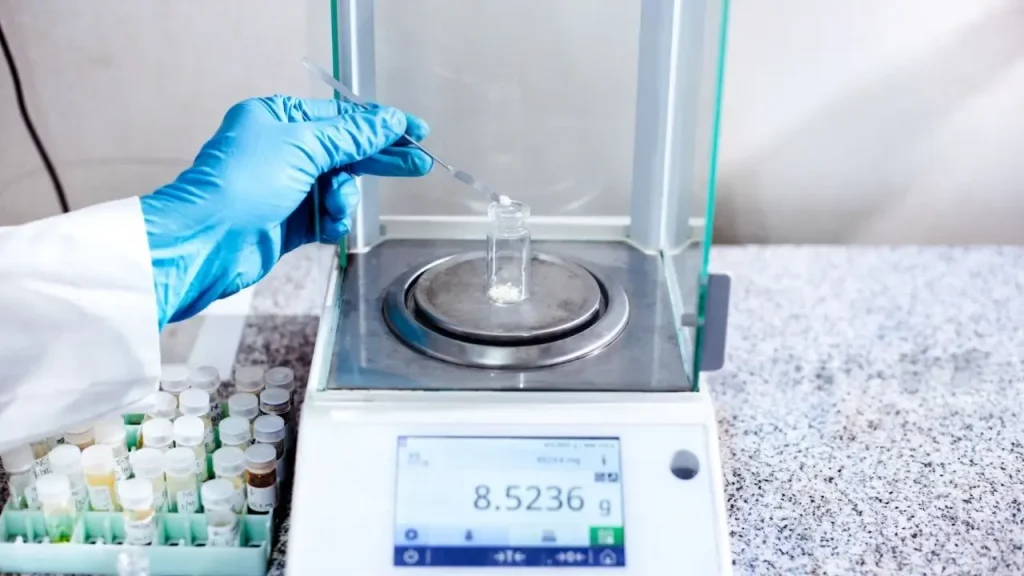
- Conduct compatibility testing before full-scale production.
3. Sweeteners & Flavor Systems
Avoid sugar crashes—and customer complaints—with mindful choices:
- Natural sweeteners (tapioca syrup, organic cane sugar) support “clean label” claims.
- High-intensity sweeteners (stevia, monk fruit) reduce calories but may introduce aftertastes.
- Flavor-masking technology is essential for minerals or herbal extracts.
Always request sensory panels from your gummy manufacturer to validate taste and mouthfeel.
4. Shelf-Life & Stability Testing
A gummy that melts in summer or hardens in winter fails in real-world conditions. Reputable gummies supplement developers conduct:
- Accelerated stability studies (3–6 months at 40°C/75% RH)
- Water activity (a_w) monitoring
- Active ingredient potency testing over time
Ask your ODM for full stability reports—not just ingredient certificates.

Choosing the Right Gummy Manufacturer: OEM vs. ODM vs. Private Label
- Private Label: Fastest to market; limited customization. Ideal for testing demand.
- OEM (Original Equipment Manufacturer): You provide the gummy formulation; they produce it. Requires in-house R&D.
- ODM (Original Design Manufacturer): Full-service partner—they co-develop your gummies supplement, handle regulatory filings, and offer formulation optimization.
Critical Checklist When Vetting a Gummy Manufacturer: ✅ FDA-registered & cGMP-certified facility
✅ In-house analytical lab for QC
✅ Experience with your target actives (e.g., sleep, immunity, energy blends)
✅ Transparent documentation (CoA, spec sheets, stability data)
✅ Scalable production (from 10K to 1M+ units/month)
Regulatory & Compliance Essentials
In the U.S., gummy supplements fall under DSHEA (Dietary Supplement Health and Education Act). Key requirements:
- Accurate labeling of supplement facts panel
- GRAS (Generally Recognized As Safe) status for all ingredients
- No drug claims (e.g., “treats insomnia” → illegal; “supports restful sleep” → compliant)
Your gummy ODM should guide you through structure/function claim validation and label review. Never assume “natural” = automatically compliant.

Conclusion: Formulation Is Your Competitive Edge
In a saturated market, taste and branding alone won’t sustain growth. The brands winning long-term are those investing in scientifically sound gummy formulations that deliver on promises—every time. Partner with a gummy manufacturer who acts as a true extension of your R&D team, not just a production vendor. By prioritizing stability, bioavailability, and sensory excellence from day one, your gummies supplement won’t just look good—it will perform.
FAQ: Your Gummy Formulation Questions, Answered
Q1: Can I use the same gummy formulation for both vitamin C and probiotics?
A: Not advisable. Vitamin C is acidic and can destabilize probiotic strains. Probiotic gummies require low-moisture, neutral-pH bases and often specialized encapsulation. Always reformulate per active ingredient.
Q2: How long does gummy formulation development typically take?
A: With an experienced gummy ODM, expect 4–8 weeks for initial prototypes, plus 2–3 rounds of refinement. Add 4–12 weeks for full stability testing before commercial launch.
Q3: Are plant-based gummies less stable than gelatin-based ones?
A: Not inherently—but they require different stabilization strategies. A skilled gummy manufacturer can achieve 18–24 month shelf life with pectin using optimized sugar blends and moisture barriers.
Q4: What’s the minimum order quantity (MOQ) for custom gummy formulation?
A: MOQs vary widely. Basic private label: as low as 5,000 units. Custom gummies supplement with novel actives: typically 500–100,000 units. Discuss scalability with your OEM/ODM partner early.
Q5: Can I claim “sugar-free” on my gummy supplement?
A: Yes—if total sugars are <0.5g per serving per FDA rules. But be cautious: sugar alcohols (e.g., maltitol) can cause digestive upset. Always validate tolerance and labeling with your regulatory consultant.
About the Author: Dr. Elena Martinez has led formulation teams for top-tier supplement brands and gummy OEMs across North America and Europe. She currently advises emerging CPG brands on product development, regulatory strategy, and supply chain integrity in the functional gummy space.