
Abstract
As “pill fatigue” continues to reshape consumer behavior, functional gummies have emerged as a dominant delivery format for the dietary supplement industry. For brand owners, private label retailers, and healthcare practitioners, transitioning from traditional capsules to gummies requires a deep understanding of formulation stability and pharmaceutical-grade manufacturing. This guide examines the technical complexities of gummy production, the role of advanced R&D in maintaining ingredient potency, and the regulatory standards necessary to build a trustworthy global health brand.
1. Beyond the Candy: The R&D of Functional Formulations
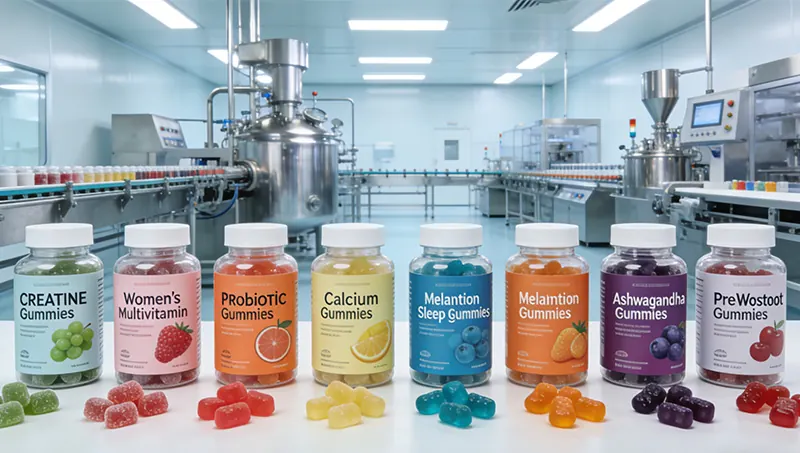
The primary challenge in creating functional gummies is ensuring that active ingredients—such as vitamins, botanical extracts, or probiotics—remain stable throughout the manufacturing process. Unlike confectionery products, health-focused gummies require precise biochemical engineering.
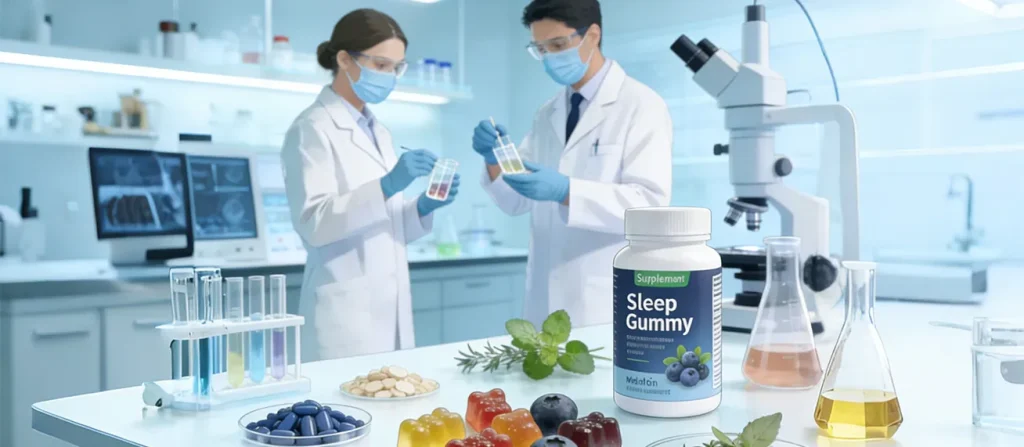
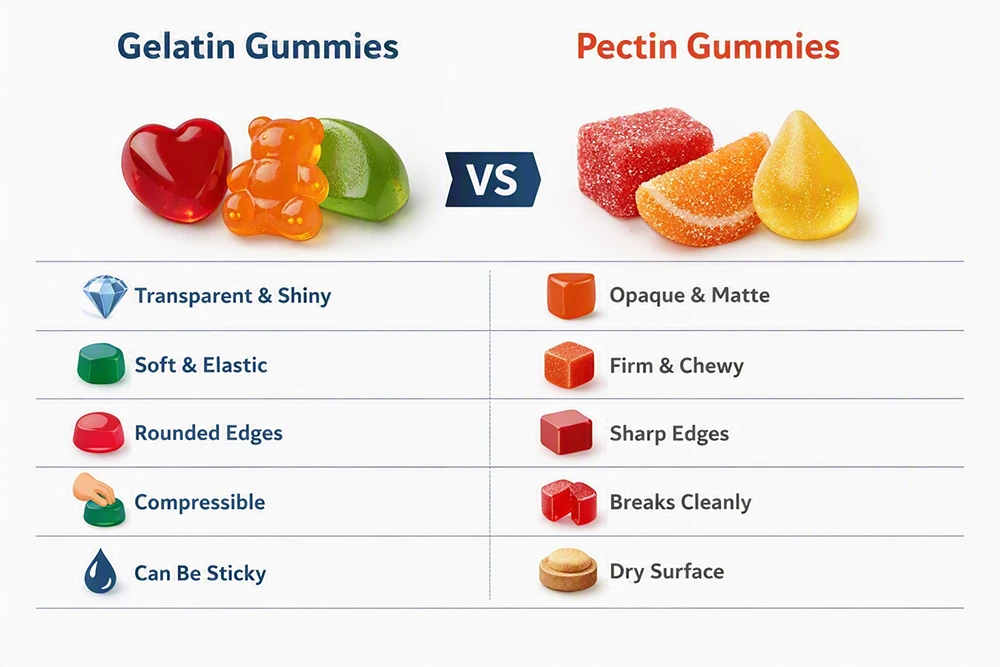
A leading gummies manufacturer must prioritize structural biology and biochemistry to prevent the degradation of heat-sensitive nutrients. At Gothink Biology, our R&D team, led by postdoctoral researchers from elite U.S. institutions like Caltech and Emory University, conducts formulation research on over 2,000 new products annually. This rigorous scientific approach ensures that whether a brand chooses a traditional gelatin base or a vegan-friendly pectin alternative, the final product delivers the exact dosage promised on the label while maintaining a stable shelf life.
2. Precision Manufacturing: How Quality Gummies Are Made
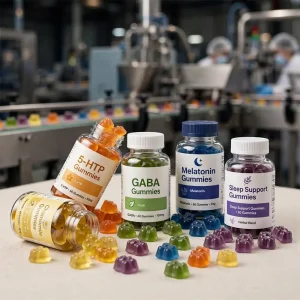
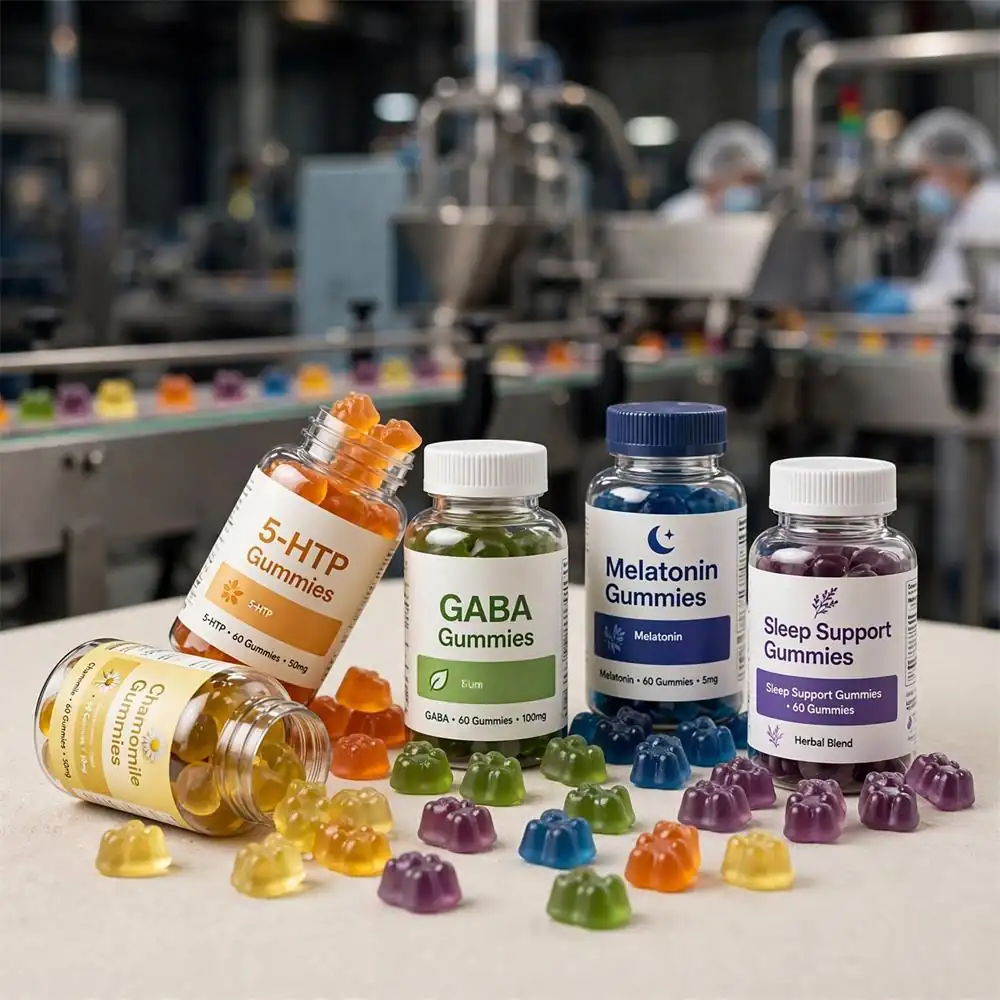
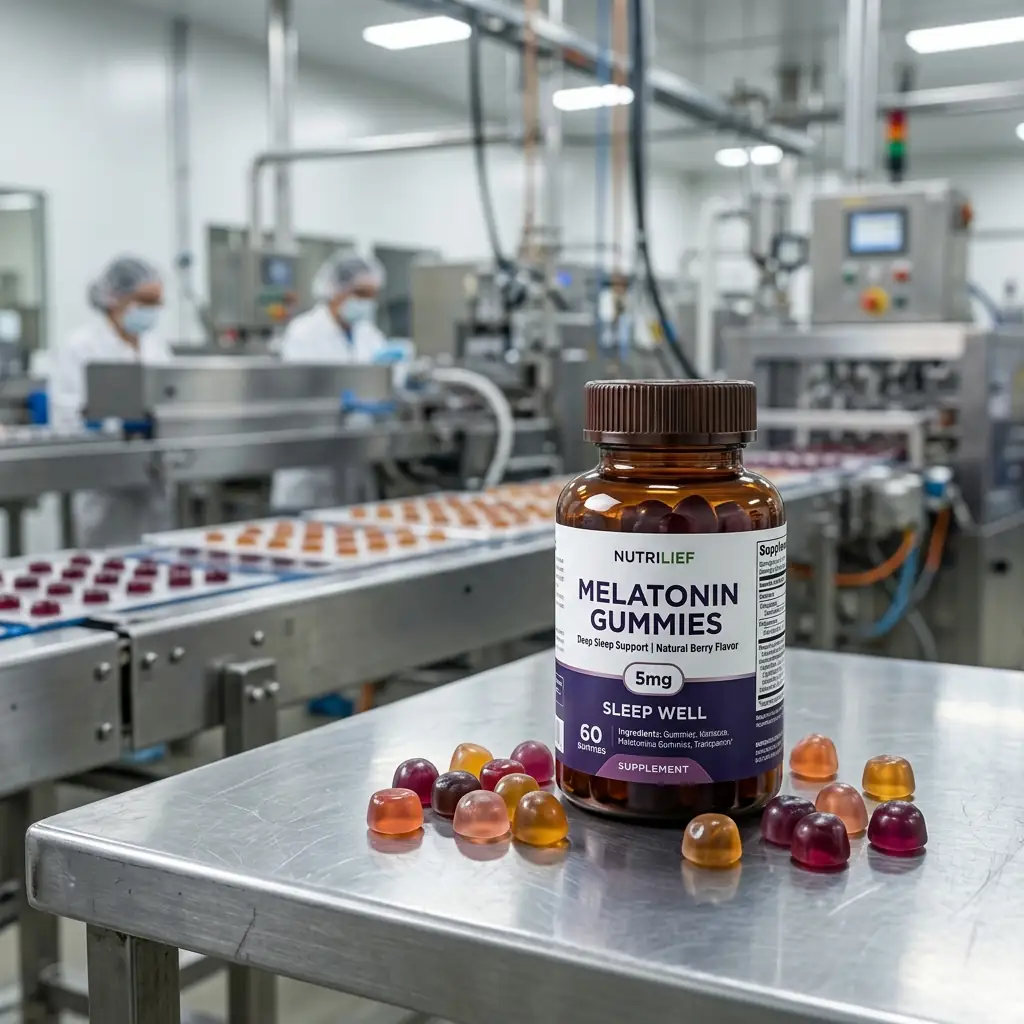
The production of high-quality Private Label gummies involves a multi-stage industrial process that must be conducted under strict environmental controls to avoid contamination and dosing errors.
-
Solubilization and Mixing: Raw materials are blended in temperature-controlled vessels. To ensure purity, this process should occur within a 10,000-class pharmaceutical-grade laboratory.
-
Active Ingredient Integration: Bioactive compounds are added at specific brix levels and temperatures to preserve their efficacy.
-
Automated Deposition: The liquid “slurry” is deposited into precise molds, allowing for a variety of custom shapes and sizes that define a brand’s visual identity.
-
Controlled Curing: Gummies are moved to specialized drying rooms where humidity and temperature are strictly regulated to achieve the perfect texture and water activity levels, preventing microbial growth.
3. Compliance and Trust: The Role of Pharmaceutical-Grade Standards
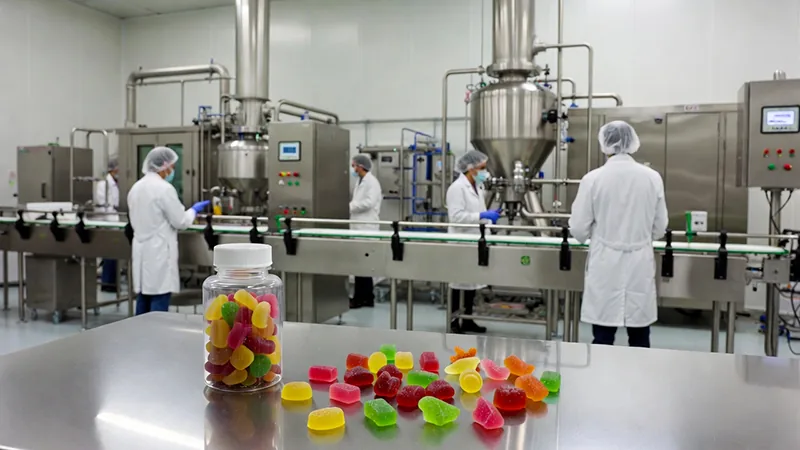
For any business looking to launch a Private Label supplement line, the manufacturer’s certifications are the strongest indicators of quality and safety. To meet global regulatory requirements, production facilities must adhere to pharmaceutical GMP standards.
Operating within a 100,000-class cleanroom is essential for mitigating risks of cross-contamination. Furthermore, professional manufacturers should hold a comprehensive suite of international certifications, including FDA registration, ISO22000, HACCP, HALAL, and KOSHER. This level of transparency and external auditing ensures that the functional gummies are safe for diverse consumer groups and compliant with international export laws.
4. Scalability: From Niche Startups to Mass Market
A strategic manufacturing partner must provide the flexibility to scale as a brand grows. This requires a balance of high-volume capacity and adaptable production solutions:
-
High-Output Capacity: Modern facilities can produce up to 16 tons of gummies daily, with an annual capacity exceeding 5,000 tons, ensuring a stable supply chain for large-scale wholesalers.
-
Turnkey Solutions: Comprehensive services—from raw material sourcing and custom formulation to final packaging and export support—allow brands to focus on marketing while the manufacturer handles the technical complexities.
-
Customization Options: Advanced manufacturing allows for the creation of low-sugar, sugar-free, and vegan options (using pectin or carrageenan) to meet specific market demands.
Conclusion
The transition of supplements into the gummy format is a sophisticated intersection of food science and pharmaceutical precision. Success in the competitive functional gummies market depends on more than just taste; it requires a foundation of elite scientific expertise, rigorous quality assurance, and scalable production capabilities. By partnering with an experienced gummies manufacturer that prioritizes E-E-A-T principles, brands can ensure their products are not only enjoyable but are reliable, potent, and safe tools for consumer wellness.
FAQ: Professional Gummy Manufacturing
Q: Can functional gummies be made entirely vegan? A: Yes. By using natural gelling agents such as pectin and carrageenan instead of animal-derived gelatin, manufacturers can produce high-quality vegan and vegetarian-friendly supplements that meet clean-label requirements.
Q: How is the potency of heat-sensitive vitamins maintained? A: Potency is protected through precise temperature control and “overages” in the formulation. Our scientific advisors oversee the biochemistry of the mix to ensure active ingredients survive the cooking process and remain effective throughout the product’s shelf life.
Q: What are the minimum requirements for a Private Label partnership? A: While many manufacturers require large volumes, flexible partners offer scalable MOQs (Minimum Order Quantities) to support startups during trial runs, alongside full turnkey solutions for established global brands.
Q: Does your facility support custom packaging? A: Professional manufacturers provide end-to-end support, which includes custom bottle design, labeling, and various packaging formats such as jars, pouches, or sachets to suit different retail environments.