
Abstract
The global demand for gummies supplement products continues to rise, driven by consumer preference for convenient, tasty, and functional formats. For businesses seeking to launch their own brand or partner with a gummy manufacturer (OEM/ODM), understanding the gummy manufacturing process is essential. This article provides a professional, experience-based overview of how gummies are made, the critical steps involved, and practical insights for brand owners, wholesalers, and supplement companies.

🏭 Understanding the Gummy Manufacturing Process
1. Ingredient Selection and Formulation
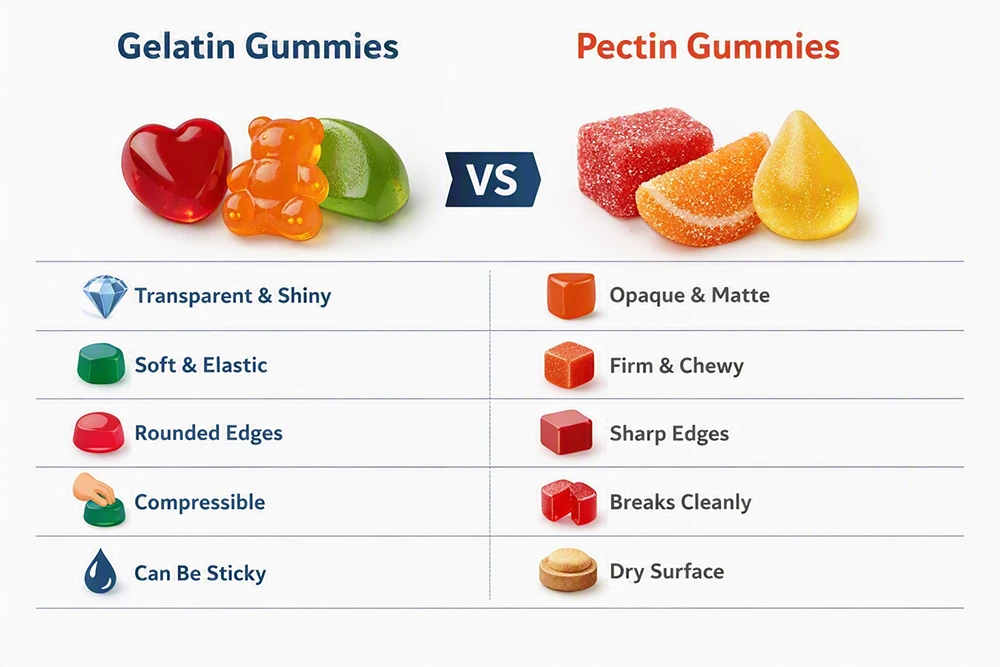
- Base Ingredients: Gelatin, pectin, or starch form the gummy’s texture.
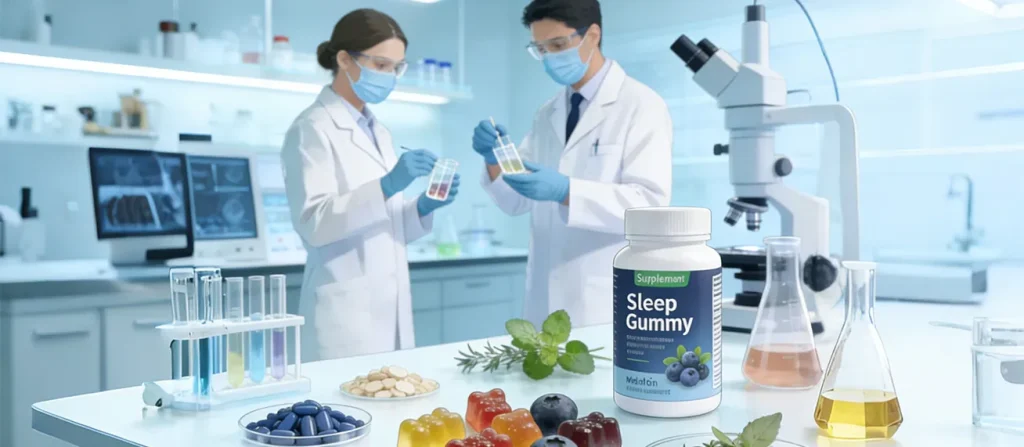
- Active Components: Vitamins, minerals, herbal extracts, or functional compounds depending on the gummies supplement purpose.
- Flavor & Color: Natural fruit flavors and plant-based colors enhance consumer appeal.
- Sweeteners: Sugar, glucose syrup, or sugar alternatives for dietary needs.
Professional gummy manufacturers ensure precise formulation to balance taste, stability, and nutritional value.

2. Mixing and Cooking
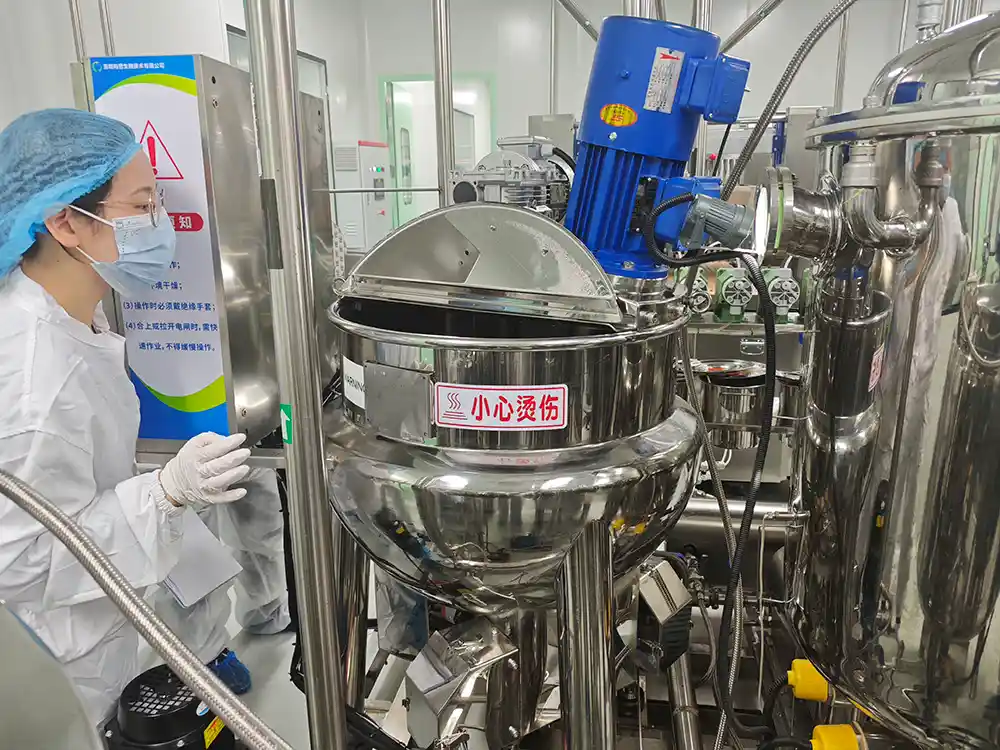
- Ingredients are blended in industrial mixers.
- The mixture is heated to activate gelling agents and dissolve active compounds.
- Temperature and timing are strictly controlled to preserve nutrient integrity.
This stage requires technical expertise, as improper heating can degrade sensitive ingredients like Vitamin C.
3. Molding and Cooling
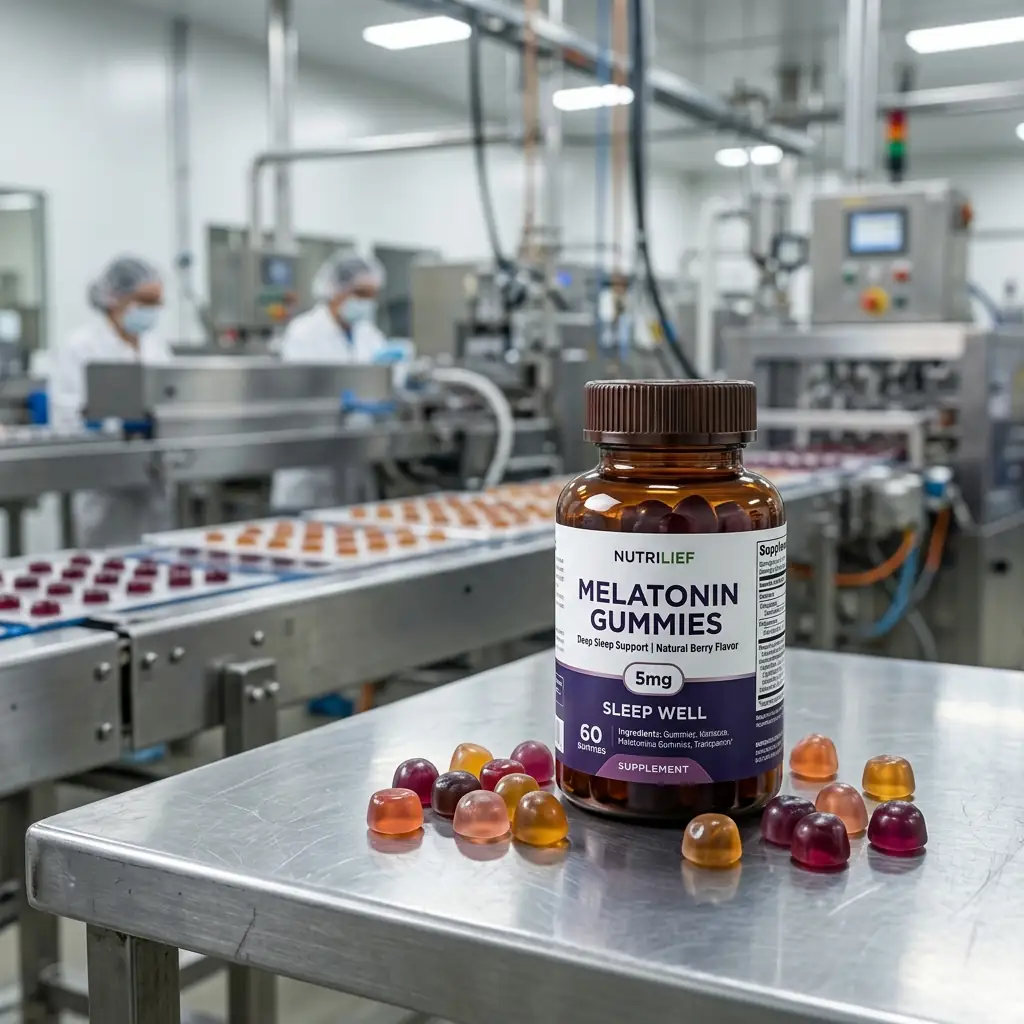
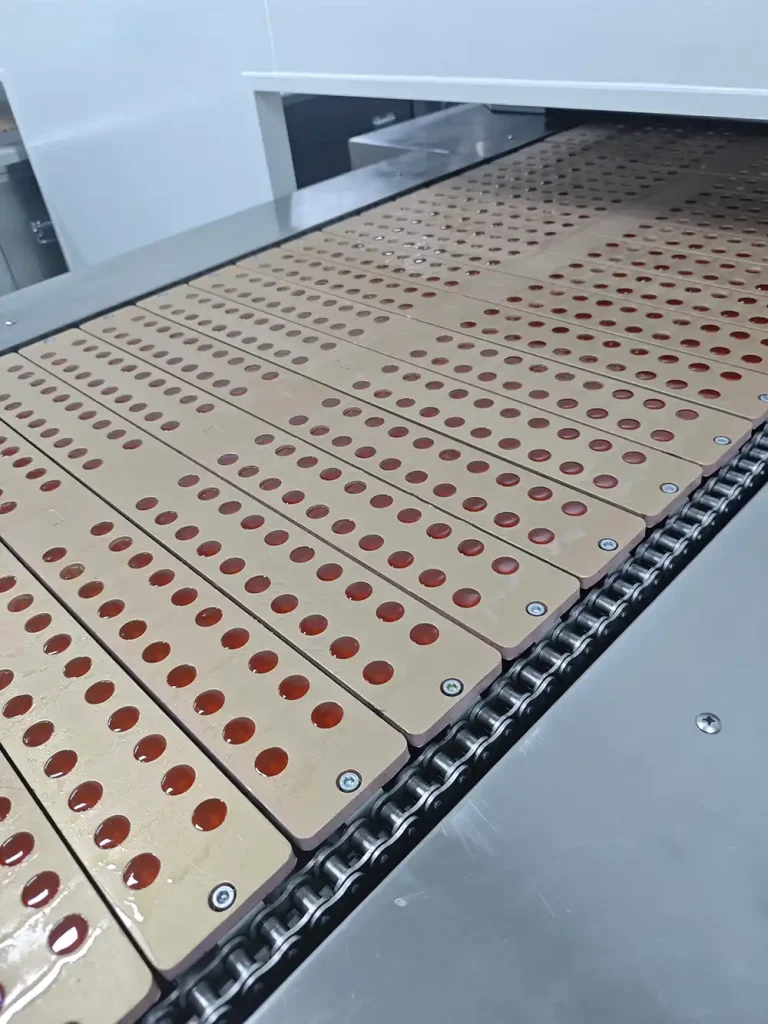
- The cooked syrup is deposited into molds shaped for branding or consumer preference.
- Cooling tunnels solidify gummies into their final form.
- Consistency in size and weight is critical for dosage accuracy in gummies supplement products.
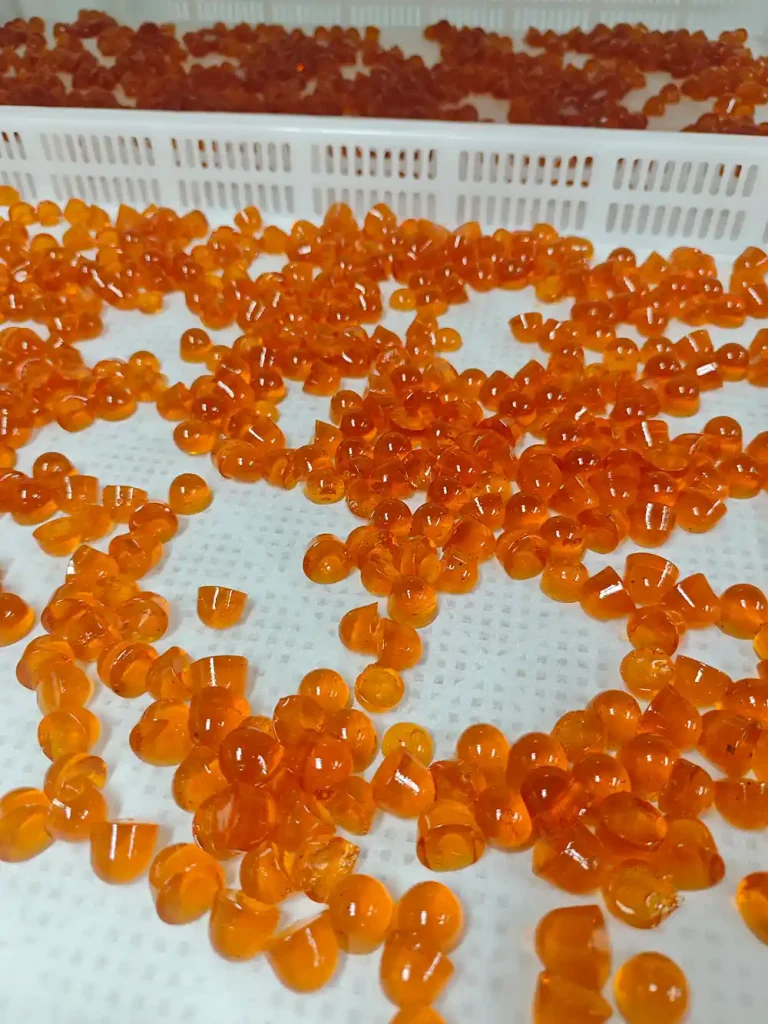
4. Drying and Demolding
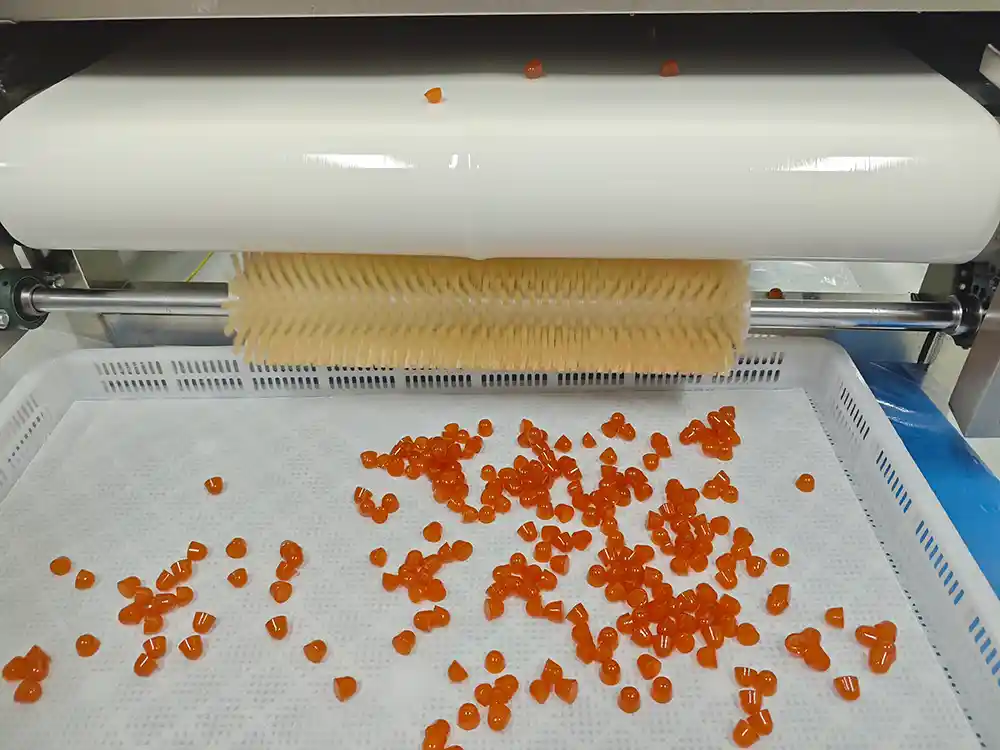
- Gummies are dried to achieve the right chewiness and shelf stability.
- Demolding ensures clean edges and uniform appearance.
- Quality checks are performed to confirm texture and taste.
5. Coating and Packaging
- Gummies may be coated with sugar, oil, or wax to prevent sticking.
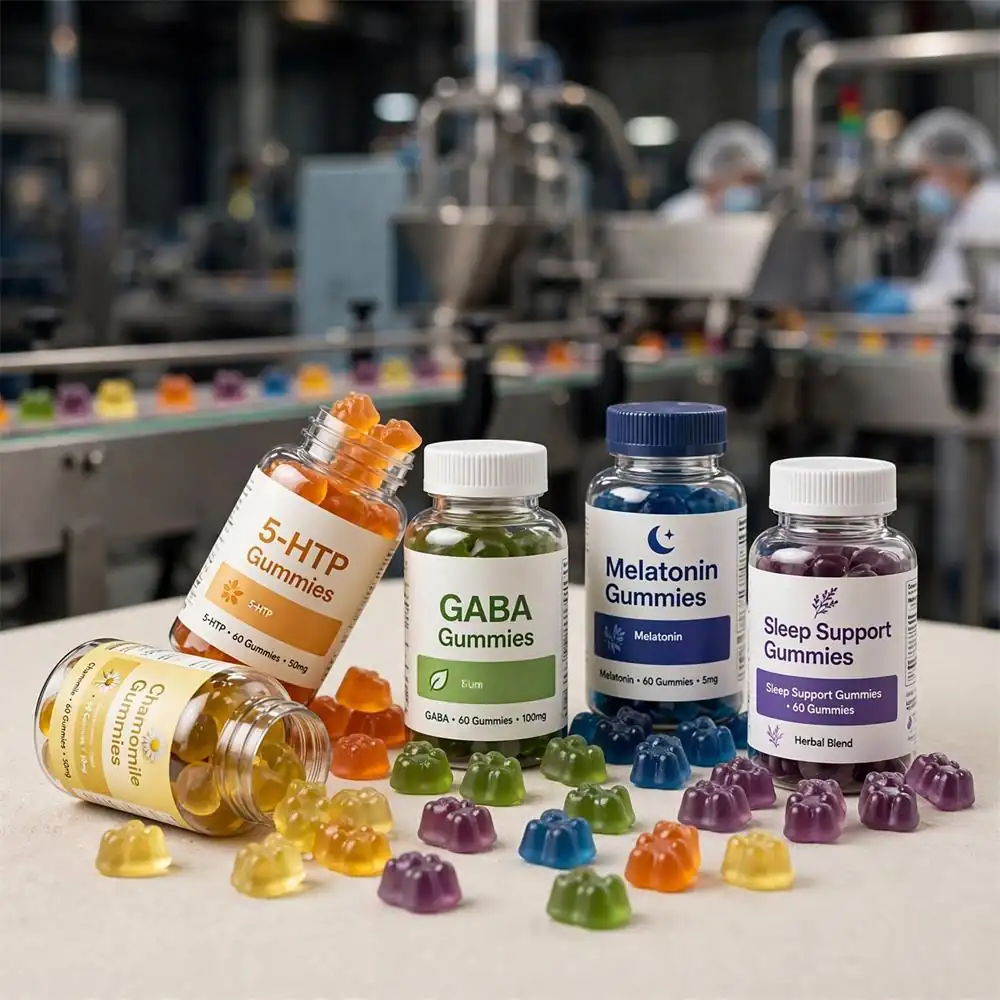
- Packaging options include bottles, pouches, or blister packs, depending on market positioning.
- Compliance with GMP (Good Manufacturing Practice) and FDA/EFSA standards ensures product safety.
🌟 Why Work with a Professional Gummy Manufacturer (OEM/ODM)?
- Customization: Tailored formulations for private label brands.
- Scalability: From small batches to large-scale wholesale production.
- Regulatory Expertise: Ensuring compliance with dietary supplement regulations.
- Innovation: Access to new flavors, functional ingredients, and trending formats.
Partnering with an experienced gummy manufacturer OEM/ODM allows businesses to focus on branding and distribution while relying on technical expertise for production.
✅ Conclusion
The gummy manufacturing process is a sophisticated blend of science, technology, and creativity. For supplement companies, wholesalers, or brand owners, collaborating with a trusted gummy manufacturer OEM/ODM ensures product quality, compliance, and market success. As gummies supplement products continue to dominate the nutraceutical industry, mastering the production process is the key to building a competitive advantage.
❓ FAQ
Q1: What is the typical lead time for gummy manufacturing? Lead times vary but generally range from 6–12 weeks, depending on formulation complexity and packaging requirements.
Q2: Can I create sugar-free gummies supplement products? Yes. Professional gummy manufacturers offer sugar-free options using alternatives like stevia or erythritol.
Q3: What certifications should I look for in a gummy manufacturer OEM/ODM? GMP, ISO, FDA registration, and third-party testing certifications are essential for credibility and compliance.
Q4: How do I ensure dosage accuracy in gummies supplement products? Accurate formulation, precise molding, and rigorous quality control are critical to maintaining consistent dosage.
Q5: Can gummies be customized for branding? Absolutely. Molds, flavors, colors, and packaging can all be customized to reflect your brand identity.