
Abstract
Creating an effective gummy candy recipe is both an art and a science, especially when it comes to transforming popular confections into functional Gummy Supplements. This guide breaks down the essential elements of a successful gummy candy recipe, from ingredient selection to scaling for commercial production. Designed for dietary supplement businesses, private label operators, and brands exploring Gummy manufacturing, it delivers actionable insights to help you develop products that consumers love while meeting strict quality and regulatory standards. Whether you’re formulating your first batch or optimizing for large-scale Private Label gummies, these principles ensure consistency, appeal, and efficacy.
The Role of Gummy Candies in Modern Supplement Delivery
Gummy candies have evolved far beyond childhood treats. Today, they serve as a preferred format for Gummy Supplements, offering a convenient, enjoyable way to deliver vitamins, minerals, botanicals, and functional ingredients. For supplement brands, a well-crafted gummy candy recipe combines sensory appeal—chewy texture, vibrant colors, and balanced flavors—with precise nutrient dosing. This format improves compliance, particularly among adults and children who dislike traditional pills or powders. In the competitive landscape of dietary supplements, mastering gummy candy recipes positions brands to capture growing demand for tasty, portable nutrition.
Key Ingredients That Define a Successful Gummy Candy Recipe
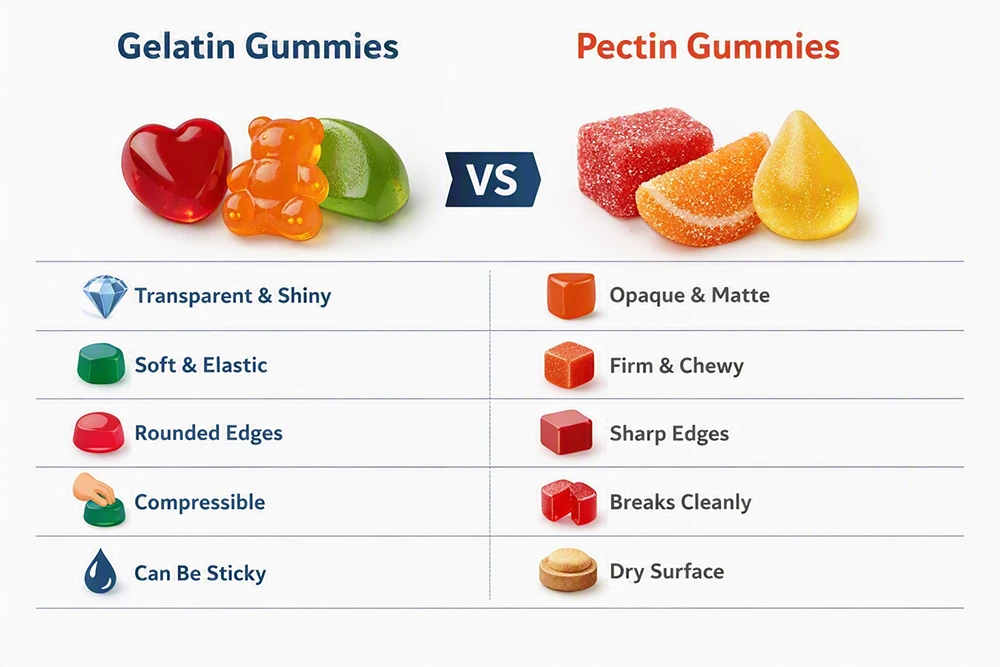
The foundation of any gummy candy recipe lies in its gelling agents, sweeteners, and active components. Traditional recipes rely on gelatin for a classic bounce, while modern formulations favor pectin or carrageenan for vegan and allergen-free options. High-quality sweeteners like cane sugar, glucose syrup, or natural alternatives such as tapioca syrup contribute to texture and shelf stability.
For Gummy Supplements, the recipe must accommodate functional ingredients without compromising structure. Water-soluble actives like vitamin C, B vitamins, or melatonin integrate seamlessly, while fat-soluble ones (e.g., vitamin D or omega-3s) require emulsification. Acidulants such as citric acid not only enhance flavor but also trigger proper gelation in pectin-based recipes. Flavorings and natural colors from fruit extracts ensure the final product feels indulgent rather than medicinal.
A Reliable Basic Gummy Candy Recipe for Formulation Testing
Understanding the mechanics starts with a tested gummy candy recipe. This pectin-based version yields approximately 100 small gummies and serves as an excellent starting point for brands developing prototypes before full Gummy manufacturing.
Ingredients (makes ~100 gummies):
- 240 ml (1 cup) fruit juice or puree (e.g., apple, berry, or tropical blend)
- 100 g granulated sugar
- 20 g high-methoxyl pectin powder
- 30 ml citric acid solution (or fresh lemon juice)
- 5–10 ml natural flavor extract (optional)
- For supplement version: 5–15 g of powdered active ingredients (e.g., multivitamin blend, adjusted for target dosage)
Step-by-Step Process:
- Dry blend: Mix the pectin thoroughly with half the sugar to prevent clumping.
- Heat the base: In a saucepan, bring the fruit juice to a gentle simmer (around 85–90°C).
- Incorporate gelling agents: Slowly whisk in the pectin-sugar mixture. Stir continuously for 5–7 minutes until fully dissolved and the mixture thickens slightly.
- Add sweetness and actives: Stir in the remaining sugar and any supplement powders. Maintain heat below 95°C to preserve heat-sensitive nutrients.
- Acidify: Remove from heat and quickly stir in the citric acid. The mixture will begin to set rapidly.
- Mold and set: Pour into silicone molds or starch trays. Allow to set at room temperature for 30–60 minutes, then demold and air-dry for 24–48 hours to achieve the desired chew.
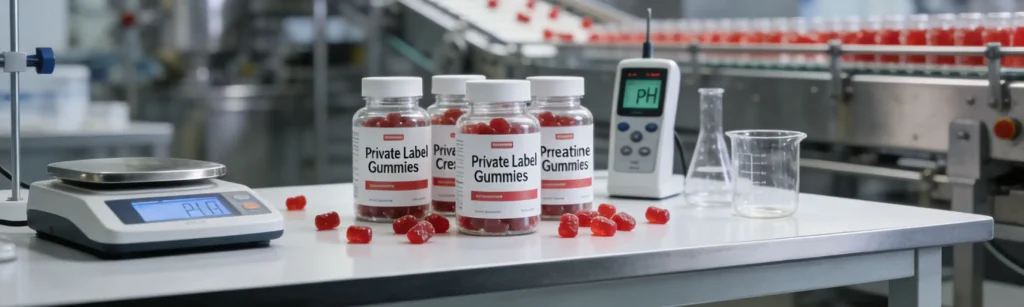
This recipe produces gummies with 8–12% moisture content—ideal for stability. Test small batches to fine-tune pH (target 3.0–3.5 for pectin) and texture.

Scaling from Recipe to Professional Gummy Manufacturing
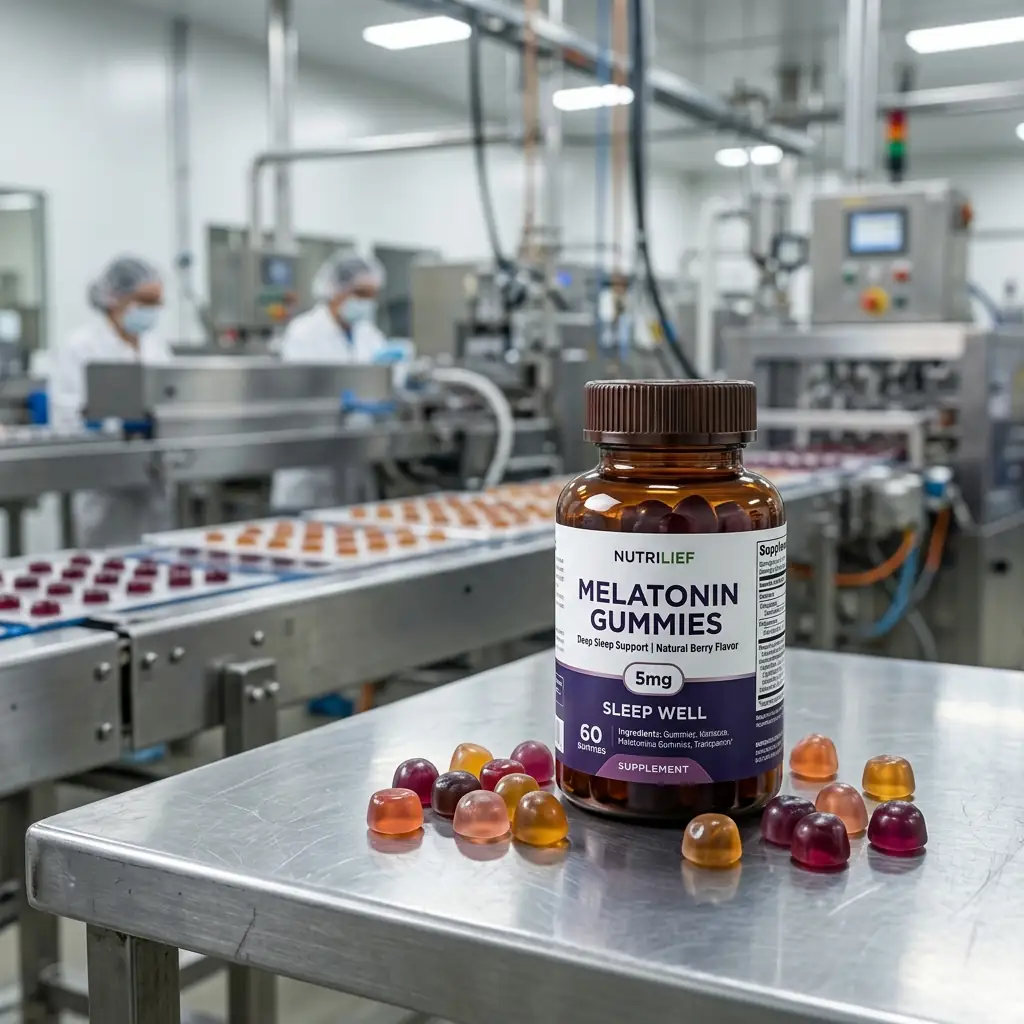
Translating a laboratory gummy candy recipe to industrial Gummy manufacturing requires precise control over variables like temperature, mixing speed, and deposition. Commercial facilities use automated depositors, continuous cookers, and climate-controlled drying rooms to ensure uniformity across thousands of units.
Key manufacturing considerations include:
- Moisture management: Excess water leads to sticky gummies; controlled drying tunnels achieve consistent water activity below 0.65.
- Ingredient stability: Heat-sensitive compounds in Gummy Supplements demand low-temperature processing and nitrogen blanketing.
- Mold technology: Silicone or starch molds allow for 30+ shapes, from classic bears to custom designs that enhance brand identity.
Experienced manufacturers maintain batch-to-batch consistency through in-line quality checks, including texture analysis, dissolution testing, and microbial screening.
Customizing Gummy Recipes for Targeted Health Benefits
The versatility of gummy candy recipes makes them perfect for functional Gummy Supplements. Brands can adapt the base formula to support specific needs:
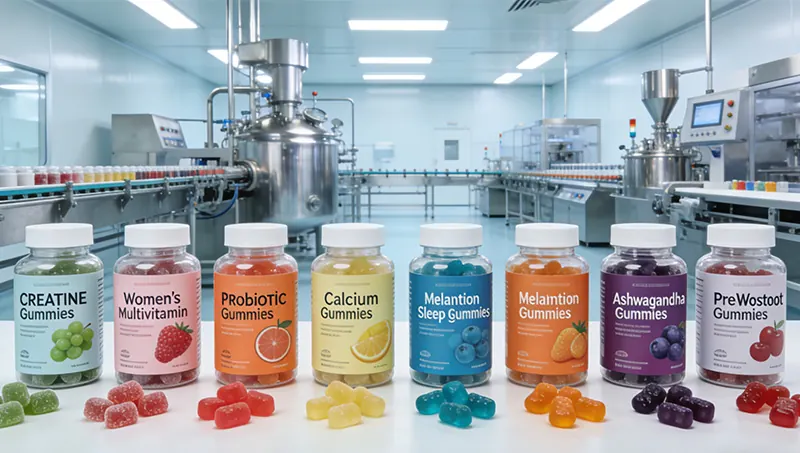
- Multivitamin Gummies: Incorporate a balanced spectrum of vitamins and minerals at clinically relevant doses.
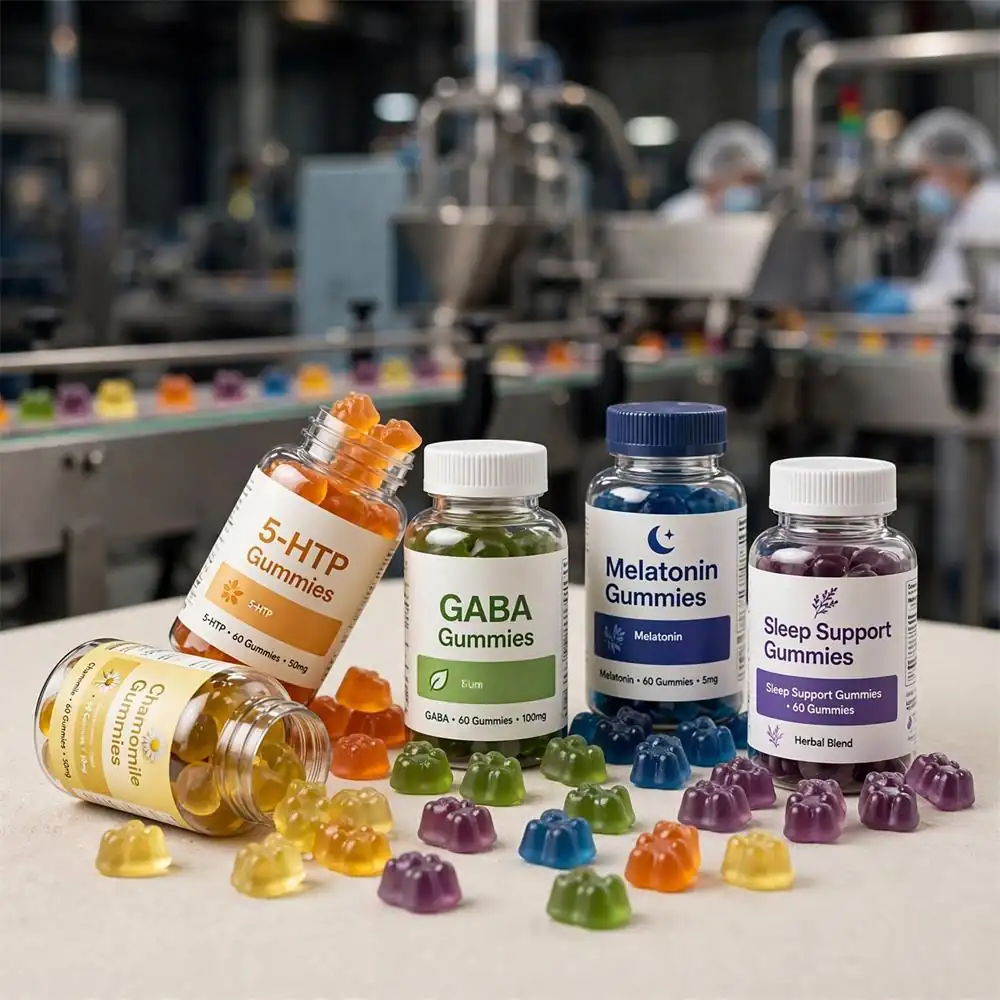
- Sleep Support Gummies: Add melatonin or herbal extracts like ashwagandha while maintaining a soothing berry flavor profile.
- Women’s Health Gummies: Fortify with biotin, folic acid, and probiotics for targeted wellness.
- Performance Gummies: Include creatine, electrolytes, or adaptogens for active consumers.
Private Label gummies allow brands to differentiate through unique flavor combinations (e.g., tropical mango or spiced chai) and clean-label claims such as sugar-free, organic, or allergen-free. The key is balancing active load with texture—overloading can result in soft or brittle gummies.
Quality Assurance and Regulatory Considerations in Gummy Production
In Gummy Supplement manufacturing, quality is non-negotiable. Reputable producers operate under GMP standards, using pharmaceutical-grade cleanrooms and rigorous testing protocols. Every batch undergoes:
- Heavy metal and pesticide screening
- Potency verification of active ingredients
- Stability studies to confirm 24-month shelf life
Regulatory compliance varies by market—FDA guidelines in the US, EU novel food regulations, and Halal/Kosher certifications expand global reach. A professional gummies manufacturer handles these complexities, allowing brands to focus on marketing and distribution.
Why Experienced Manufacturers Excel at Private Label Gummies
While home recipes build understanding, commercial success demands expertise. Partnering with a specialized gummies Manufacturer provides access to advanced R&D, scalable production, and supply chain reliability. Flexible minimum order quantities accommodate startups, while full turnkey services—from formulation to compliant labeling—accelerate time to market.
The result? High-quality Private Label gummies that meet consumer expectations for taste, efficacy, and value.
Article Summary
A thoughtfully developed gummy candy recipe forms the cornerstone of successful Gummy Supplements. By mastering ingredients, processes, and quality controls, supplement brands can create products that stand out in a crowded market. Whether exploring initial prototypes or scaling to full production, the principles outlined here deliver reliable, consumer-friendly results. For businesses ready to bring professional-grade gummies to market, collaboration with established manufacturers ensures efficiency and excellence.
FAQ
What is the most important factor when developing a gummy candy recipe for supplements? Texture and stability are critical. The recipe must deliver a pleasant chew while protecting active ingredients from degradation. Pectin-based formulations often perform best for vegan Gummy Supplements.
Can I use a basic gummy candy recipe for large-scale Gummy manufacturing? Basic recipes provide a strong foundation, but professional scaling requires adjustments for equipment, batch consistency, and regulatory testing. Partnering with a gummies Manufacturer streamlines this transition.
What are the main differences between gelatin and pectin in gummy recipes? Gelatin offers a traditional snap and higher melting point, while pectin creates vegan-friendly gummies with a cleaner aftertaste. Both work well in Gummy Supplement production, depending on target market preferences.
How do I ensure my Private Label gummies meet quality standards? Select a manufacturer with ISO, GMP, and FDA registrations. Demand full traceability, third-party testing, and stability data for every batch.
Are there specific considerations for functional Gummy Supplements like melatonin or multivitamins? Yes—heat, pH, and light sensitivity must be managed. Experienced producers use microencapsulation and optimized processes to maintain potency.
What is the typical production capacity for a professional gummies Manufacturer? Leading facilities handle daily outputs in the multi-ton range, supporting everything from small test runs to full commercial volumes for Private Label gummies.
About Gothink Biology
Shenzhen Gothink Biotech Co., Ltd. is a leading dietary supplement manufacturer and nutrition supplement supplier based in China. Specializing in gummy contract manufacturing, we deliver end-to-end OEM, ODM, and turnkey solutions for brands worldwide. Our state-of-the-art GMP facility features 100,000-class cleanrooms and a 10,000-class pharmaceutical-grade R&D laboratory, supported by a team led by postdoctoral scientists from institutions including Caltech, Emory University, and Ohio State University.
With certifications including ISO9001, ISO22000, HACCP, FDA, HALAL, GMP, KOSHER, and Vegan, we produce a wide range of high-quality Gummy Supplements using natural gelling agents like pectin and carrageenan. From formulation development to final packaging, we help brands launch innovative products efficiently and compliantly. Our daily production capacity reaches 16 tons, with an annual output of 5,000 tons, making us a trusted partner for Private Label gummies and functional supplement lines.