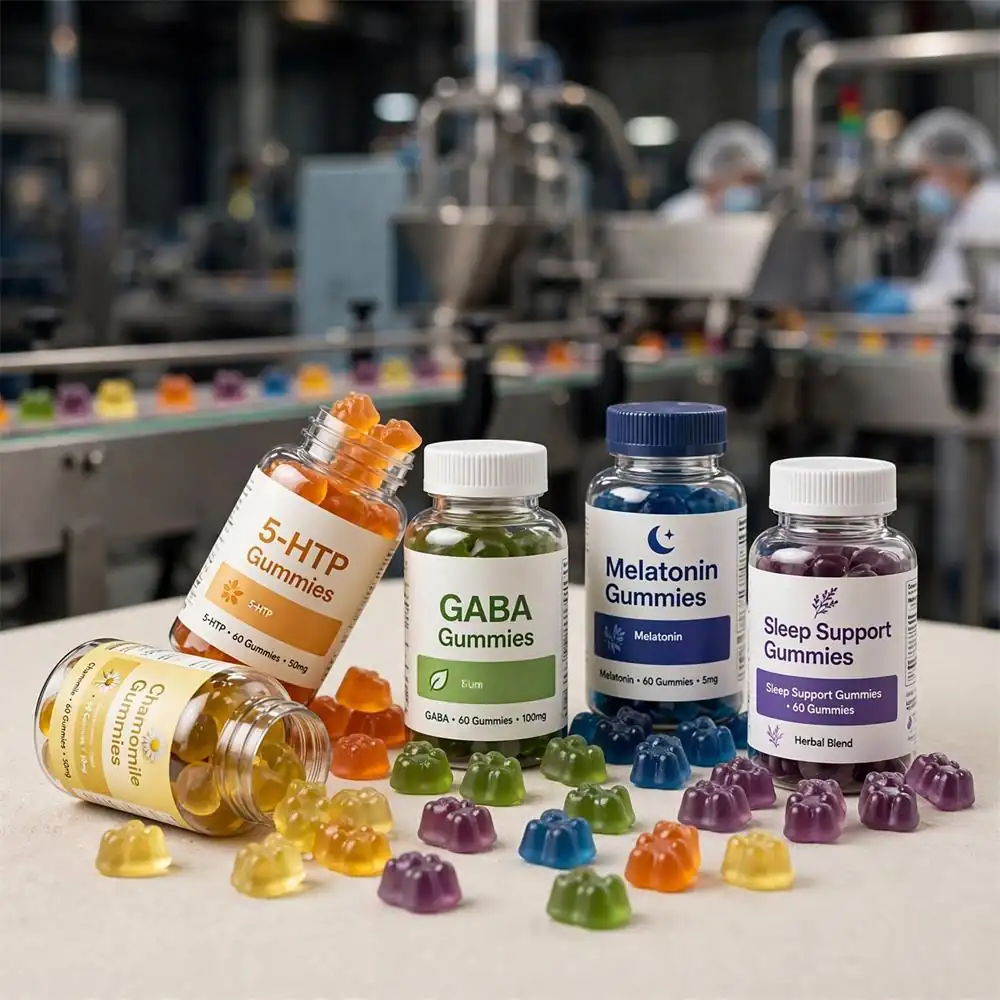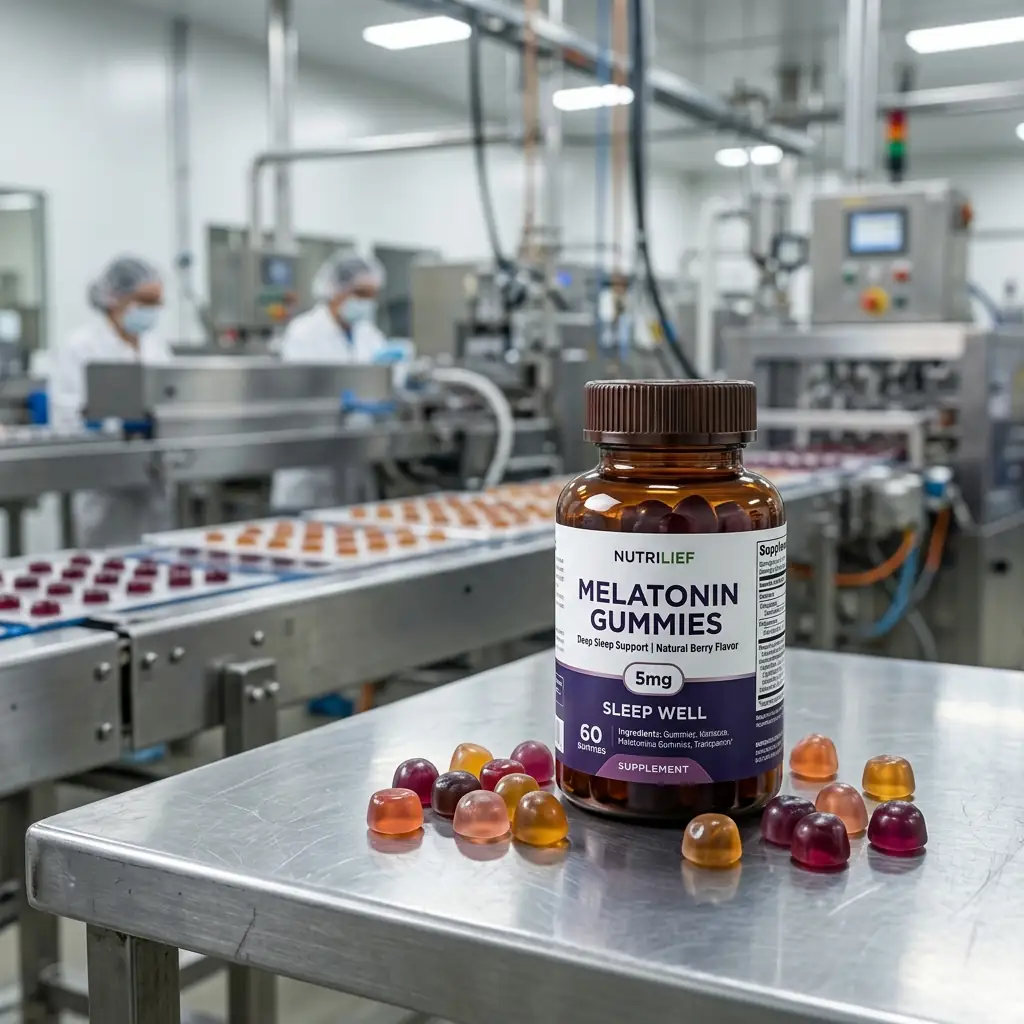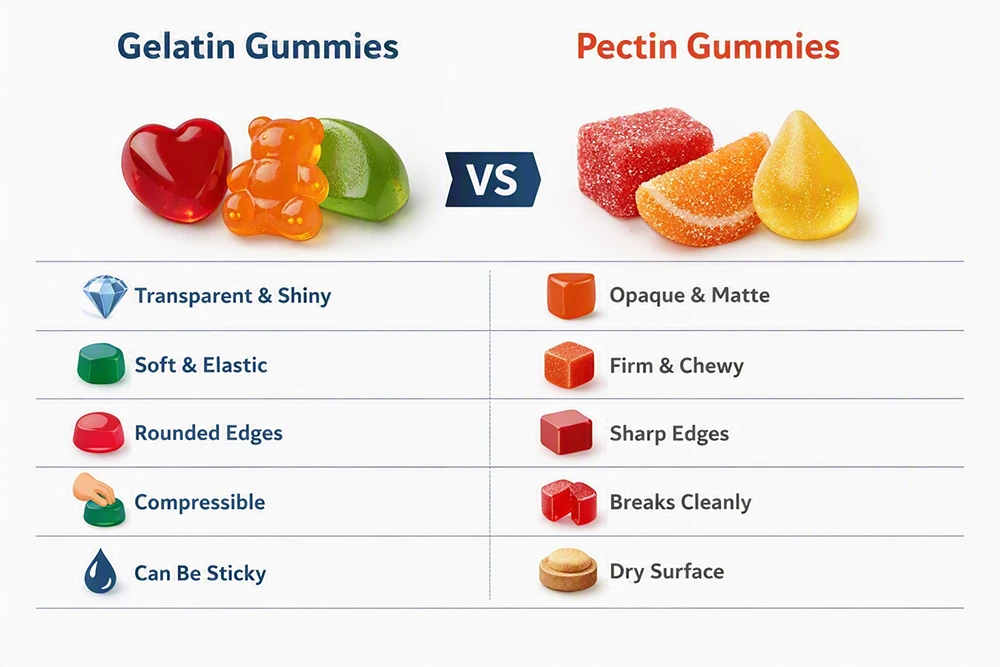

Launching a supplement company is increasingly viewed as a strategic early-stage opportunity: low fixed costs, a scalable market, and rising global demand for nutrition supplements and dietary supplements. With aging demographics, expanding sub-health populations, and stronger consumer trust in science-backed nutrition solutions, the category continues to outperform many traditional retail verticals. For founders with limited capital but high growth ambition, this is a pragmatic entry point with strong ROI potential.
-
You anchor the business by registering your company and completing tax filings, ensuring regulatory compliance and removing barriers for future channel expansion—for example, pharmacies, online marketplaces, or cross-border operations。
-
You define your brand assets by registering a trademark if you’re pursuing a private-label strategy. If capital is tight, you can start in wholesale mode to validate market traction, then invest in branding when revenue stabilizes. This staged approach reduces risk while accelerating time-to-market。
-
You establish your supply chain by partnering with a reliable nutrition supplement supplier and a qualified dietary supplements manufacturer. For early-stage operations, the strategic priorities are small MOQs, cost control, formulation flexibility, and one-stop service support. A capable manufacturer shortens your innovation cycle, handles product development, packaging, and compliance consulting, and enables you to scale without heavy in-house resources。

4.You build your go-to-market channels. Offline, you can deploy into pharmacies, health stores, gyms, or clinics. Online, you can enter Amazon, Temu, Shopify, or build your own site and drive acquisition via Google Ads and SEO. The channel architecture should match your capital strategy—lean teams often begin online, then expand offline once product-market fit is verified。
Starting a supplement company is far more accessible than most founders expect. With the right nutrition supplement suppliers and a trustworthy dietary supplements manufacturer behind you, the execution workload drops significantly—you focus on the business model while the supply chain turns your vision into real products.
If you want to refine your positioning, evaluate suppliers, or build a lean launch roadmap, tell me your target market—I’ll help you architect a more competitive entry strategy.