
Abstract
Launching a dietary supplement brand demands a clear roadmap covering formulation, manufacturing partnerships, and regulatory strategy. This comprehensive guide walks you through the product development lifecycle — with a special focus on gummy production — and explains how to evaluate contract manufacturers, scale your business, and build a compliant, market‑ready brand.
What “Making Your Own Supplement Brand” Means
Creating your own supplement brand refers to the end‑to‑end process of conceiving a unique health product, developing or sourcing a scientifically sound formula, partnering with a qualified manufacturer for production, and bringing that product to consumers under your own label. It spans market research, formulation, quality control, packaging design, regulatory compliance, and go‑to‑market logistics.
Step‑by‑Step: How to Build Your Supplement Brand
1. Market Research & Niche Selection
Identify a target demographic and a product category with proven demand. Whether you plan to make gummy vitamins for children, herbal capsules for seniors, or sports powders for athletes, validate your concept through keyword analysis, competitor audits, and consumer trend reports. A clear value proposition from day one reduces launch risk.
2. Formulation & Product Development
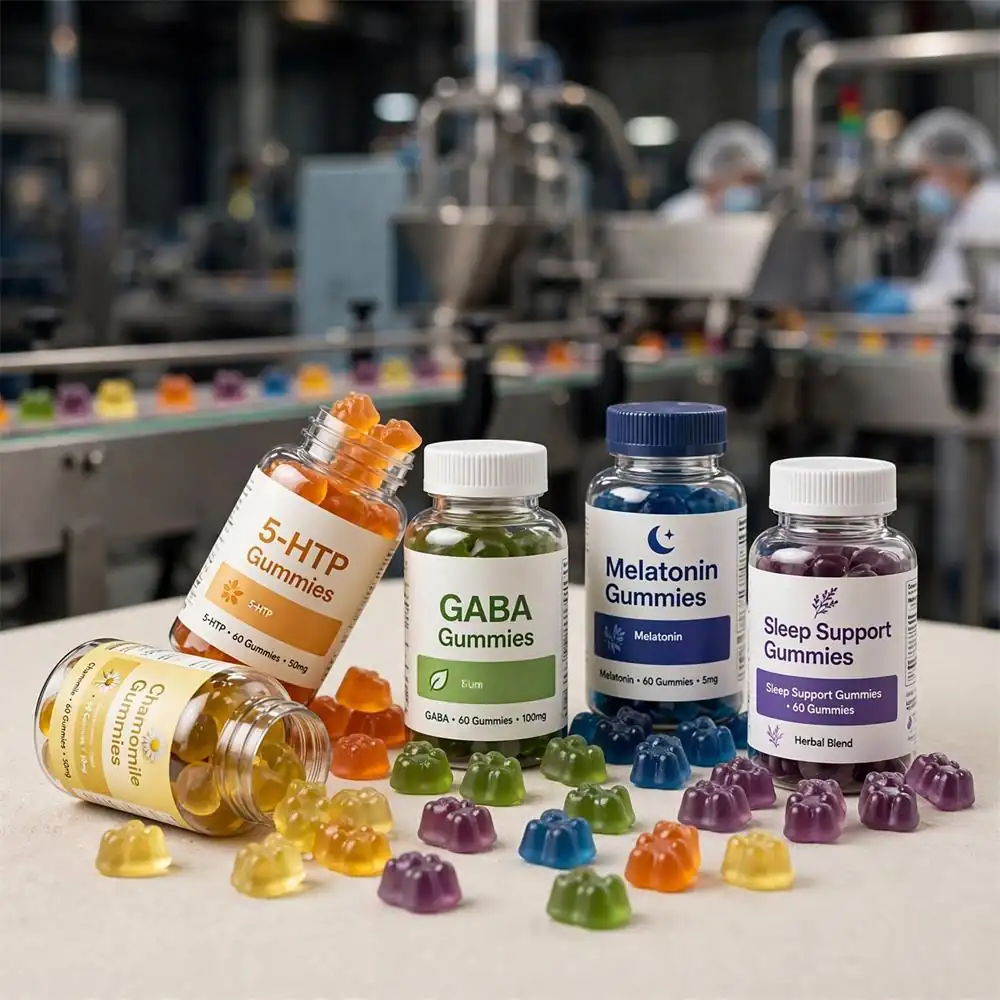
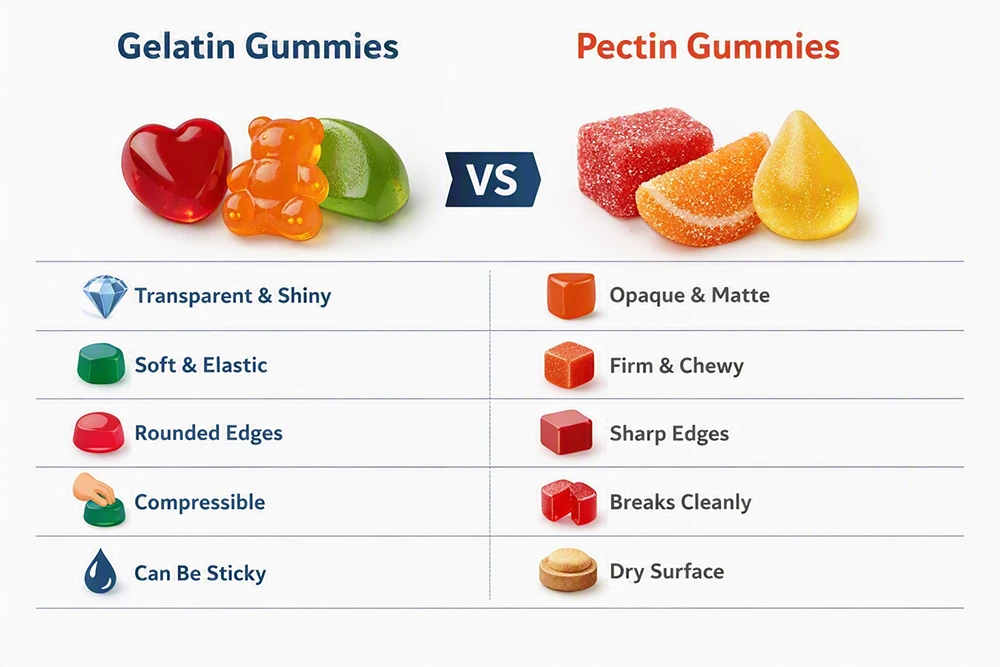
gummy supplements have become one of the fastest‑growing delivery formats due to their palatability and ease of consumption. Work with a manufacturer’s R&D team to define the active ingredient profile, dosage, flavor system, color (natural preferred), and base material — for instance, pectin‑based vegan gummies versus gelatin‑based options. Stability studies and pilot batches at this stage confirm that the formula performs under shelf‑life conditions.
3. Selecting the Right Manufacturing Partner
Gummy Contract Manufacturing gives you access to specialized production lines without capital investment in equipment. A custom gummy manufacturer can tailor shape, texture, active load, and packaging to your exact specifications, while private label gummy programs let you adopt a ready‑made formula with your branding. The table below lists the critical technical parameters to assess during supplier evaluation.
| Parameter | What to Look For | Business Impact |
|---|---|---|
| Cleanroom Classification | ISO 8 (Class 100,000) for production; ISO 7 (Class 10,000) for R&D | Directly influences contamination control and batch consistency |
| Annual Production Capacity | 3,000 – 5,000+ metric tons (solid dose) | Guarantees the manufacturer can scale with your growth |
| Certifications Held | GMP, HACCP, ISO 22000, FSSC 22000, FDA registration, HALAL, KOSHER, Vegan | Essential for retailer acceptance and cross‑border compliance |
| Minimum Order Quantity (MOQ) | Flexible from pilot (500‑1,000 units) to bulk | Enables startups to test market without over‑committing inventory |
| In‑House R&D Capability | Dedicated laboratory (10,000‑class), formulation scientists with advanced degrees | Accelerates product innovation and troubleshooting |
| Dosage Form Versatility | Gummies, capsules, tablets, powders, liquids, drops | One‑stop production simplifies supply chain management |
4. Branding, Packaging & Label Compliance
Create a memorable brand identity and design packaging that meets FDA 21 CFR 111 labeling requirements (Supplement Facts panel, allergen statements, disclaimers). Large‑scale private label gummy manufacturer partners often provide in‑house design support or artwork review to ensure your label passes regulatory scrutiny before printing.
5. Quality Control & Regulatory Readiness
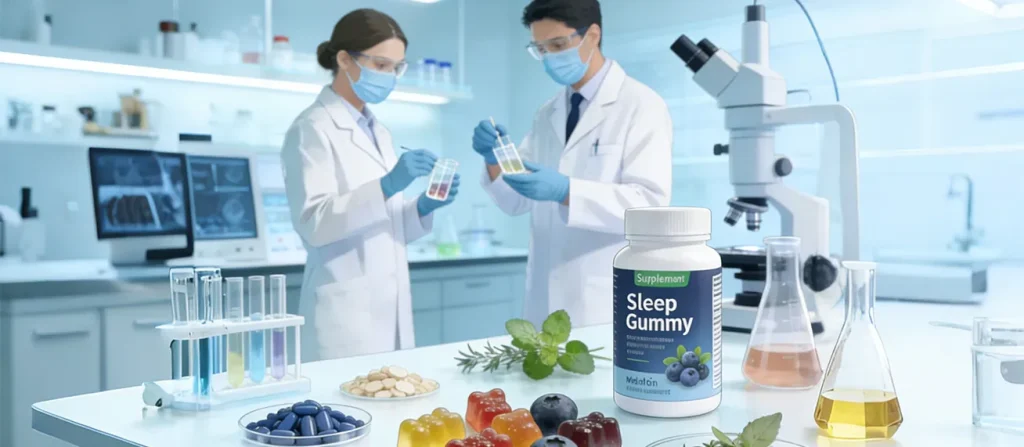
Implement a quality agreement with your manufacturer that specifies raw material identity testing, heavy metal and microbial limits, finished product assays, and stability protocols. Third‑party GMP audits and certifications (NSF, UL, BRC) add a layer of trust. Document batch records and retain samples; these are non‑negotiable for FDA inspections and international registrations.
6. Scale‑Up & Multi‑Channel Distribution
Once your brand gains traction, the ability to move from 1,000‑unit pilot runs to full‑scale production of 500,000+ units without switching facilities is a decisive competitive advantage. Leverage your manufacturer’s economies of scale to improve unit economics while maintaining formulation integrity and delivery timelines.
Practical Insights for Supplement Brand Owners
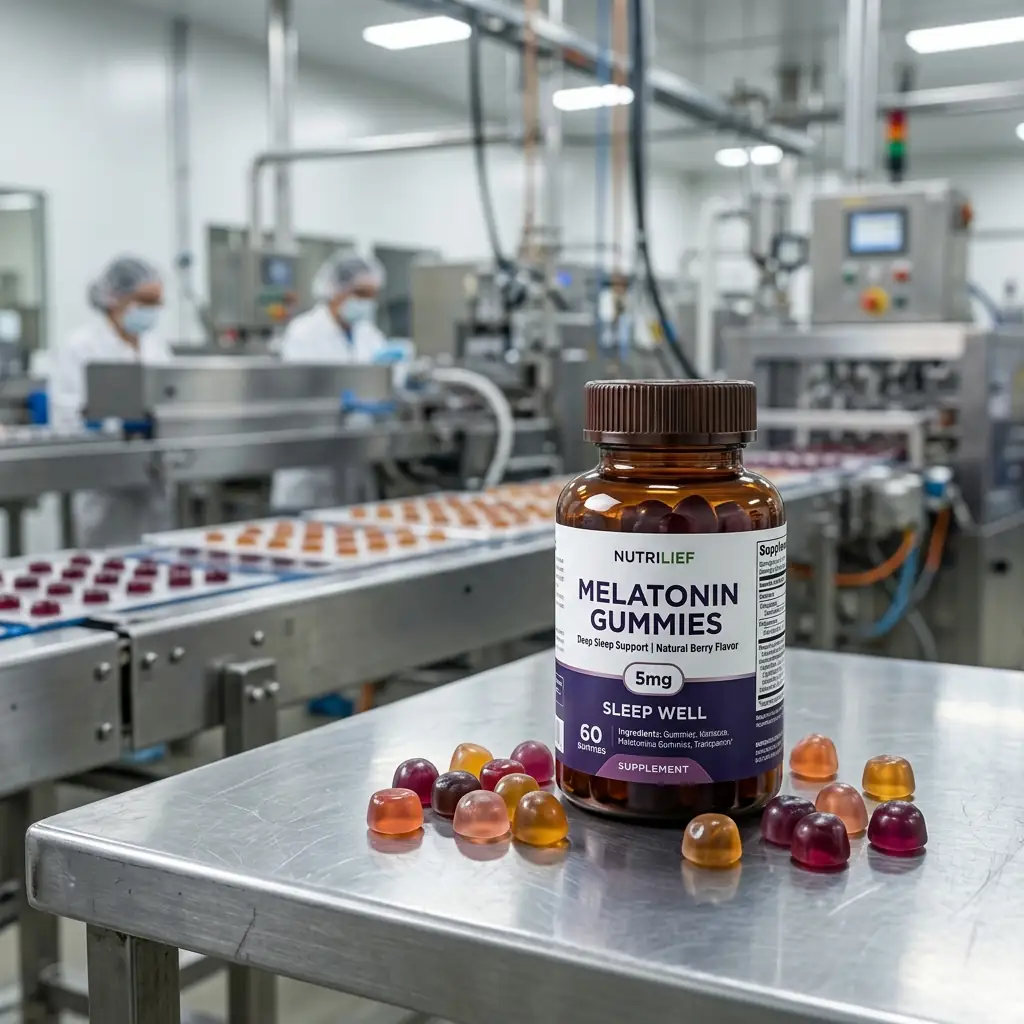
Production considerations: Gummy manufacturing requires precise control of starch‑molding temperatures (typically 70‑85°C for gelatin) and strict humidity management (below 40% RH in depositing rooms) to avoid stickiness and ensure uniform actives. Back‑end polishing and curing further influence mouthfeel and shelf life.
Scalability roadmap: Begin with a private‑label trial or small‑batch custom run; then, as sales data validates demand, negotiate volume pricing and dedicated production slots. Many brands start with one SKU and expand the line once the supply chain stabilizes.
Compliance checklist: Maintain an FDA establishment registration, ensure GMP compliance, and prepare a label that satisfies both FDA and target‑market regulations (e.g., EU health claims, Health Canada NPN). Budget for mandatory product liability insurance.
B2B Decision Framework: Choosing a Strategic Manufacturing Partner
For brand managers and procurement officers, the decision goes beyond unit price. Evaluate the manufacturer on five strategic dimensions:
- Innovation depth — Does the partner invest in R&D, offering new delivery systems (e.g., multilayer gummies, beadlets) and formulation breakthroughs that can differentiate your portfolio?
- Regulatory bandwidth — Can they support international registrations, handle documentation for customs clearance, and adapt to evolving ingredient regulations?
- Vertical integration — In‑house raw material sourcing or long‑term supplier contracts reduce supply risk and lead time variability.
- Joint forecasting — Transparent demand planning tools and shared inventory buffers protect against stock‑outs during seasonal peaks.
- Business continuity — Redundant production lines and geographically diverse certified sites ensure output even under supply chain disruptions.
Conclusion
Building a supplement brand — whether you enter the booming gummy segment or a traditional capsule niche — succeeds when you align a well‑researched concept with a technically proficient, scalable manufacturing partner. Prioritizing quality, compliance, and formulation science from the start turns a brand idea into a durable business asset.
FAQ
- What is the minimum investment to start a supplement brand?
- Entry costs range from $3,000 to $30,000 depending on formulation complexity, packaging, and initial inventory. Private label programs with low MOQs reduce upfront spending.
- How do I choose a reliable custom gummy manufacturer?
- Evaluate certifications (GMP, FSSC 22000), cleanroom class, R&D capability, and the flexibility to handle both small pilots and large‑scale production. On‑site audits are strongly recommended.
- What does private label gummy mean?
- Private label refers to a pre‑existing, market‑tested gummy formula that you sell under your own brand name. It allows faster time‑to‑market compared to a fully custom formulation.
- How long does it take to develop and launch a new gummy supplement?
- Typical timelines are 10–16 weeks: 4–6 weeks for formulation and pilot batches, 3–4 weeks for stability testing, and 3–6 weeks for packaging design, production, and shipping.
- What certifications should a supplement manufacturer hold?
- Mandatory certifications include GMP and HACCP, while ISO 22000, FSSC 22000, BRC, FDA registration, HALAL, KOSHER, and Vegan certifications broaden market access and retailer acceptance.
- Can small brands work with a large private label gummy manufacturer?
- Yes. Many high‑capacity manufacturers now offer start‑up‑friendly MOQs and dedicated account support to nurture emerging brands, bridging the gap between scale and service.
About Gothink Biology Technology — Your Partner in Gummy & Supplement Manufacturing
Gothink Biology Technology is a full‑service contract manufacturer based in Shenzhen, China, specializing in OEM/ODM, private label, and wholesale production of dietary supplements. We deliver end‑to‑end turnkey solutions covering product consultation, formulation development, custom design, manufacturing, packaging, and export logistics.
Our manufacturing capabilities span gummies, capsules, tablets, powders, liquids, and drops, all produced in a GMP‑certified, 100,000‑class cleanroom environment with an annual capacity of 5,000 tons. A 10,000‑class pharmaceutical‑grade R&D laboratory, led by scientists with postdoctoral training from Caltech, Emory University, and The Ohio State University, drives precise formulation and process innovation.
We offer flexible MOQs — from small trial runs to full‑scale bulk production — making us a strategic partner for online sellers, retailers, and emerging health brands. Our certifications (ISO 9001, ISO 22000, HACCP, FDA, HALAL, GMP, KOSHER, BRC, FSSC 22000, PJPH, and Vegan) ensure global regulatory compliance, while our integrated supply chain supports reliable, high‑volume delivery.
Whether you need a custom gummy line, a private‑label capsule launch, or wholesale powder blending, Gothink Biology Technology combines scalability and scientific expertise to transform your brand vision into market‑ready reality.