
Abstract
Gummies have become one of the fastest-growing categories in the nutraceutical and functional food industry. Whether you are a gummy manufacturer, a nutraceutical brand seeking OEM/ODM solutions, or a business exploring private label gummy opportunities, understanding the process of gummy manufacturing is essential. This article provides a professional, step-by-step overview of how gummies are made, highlighting best practices, compliance considerations, and value-driven insights for businesses in the supplement and confectionery space.

🏭 Understanding the Basics of Gummy Manufacturing
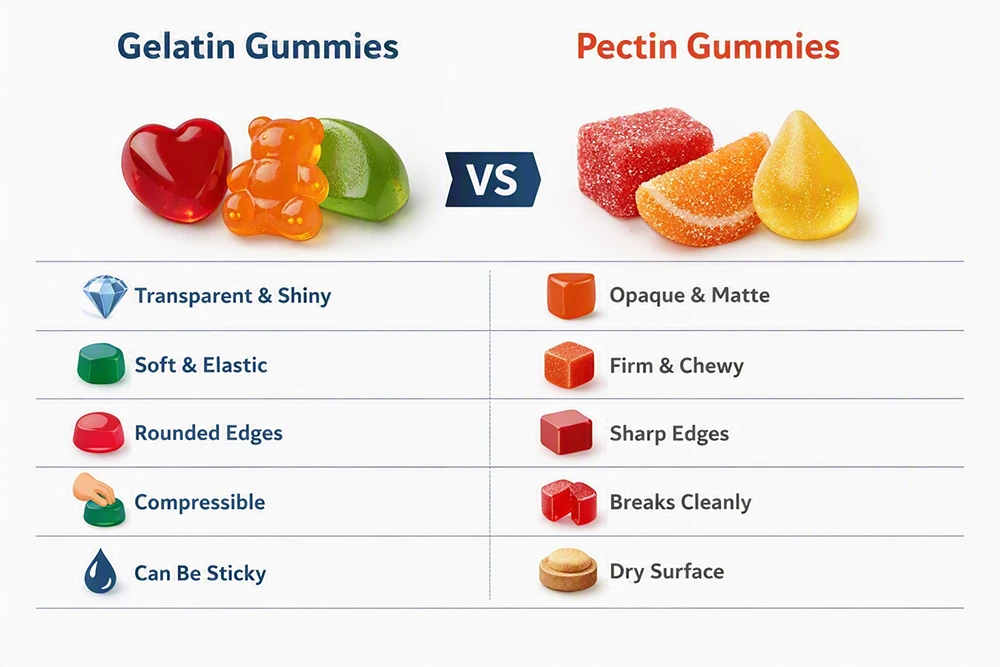
- Definition: Gummies are chewable supplements or confectionery products made from gelatin, pectin, or other gelling agents combined with sweeteners, flavors, and active ingredients.
- Applications: They serve both as functional supplements (e.g., vitamins, minerals, botanicals) and as enjoyable treats.
- Market Demand: The global gummies supplement market continues to expand due to consumer preference for convenient, tasty dosage forms.

🔬 Step-by-Step Process: How to Make Gummies
1. Formulation Development
- Identify the purpose: dietary supplement, functional gummy, or confectionery.
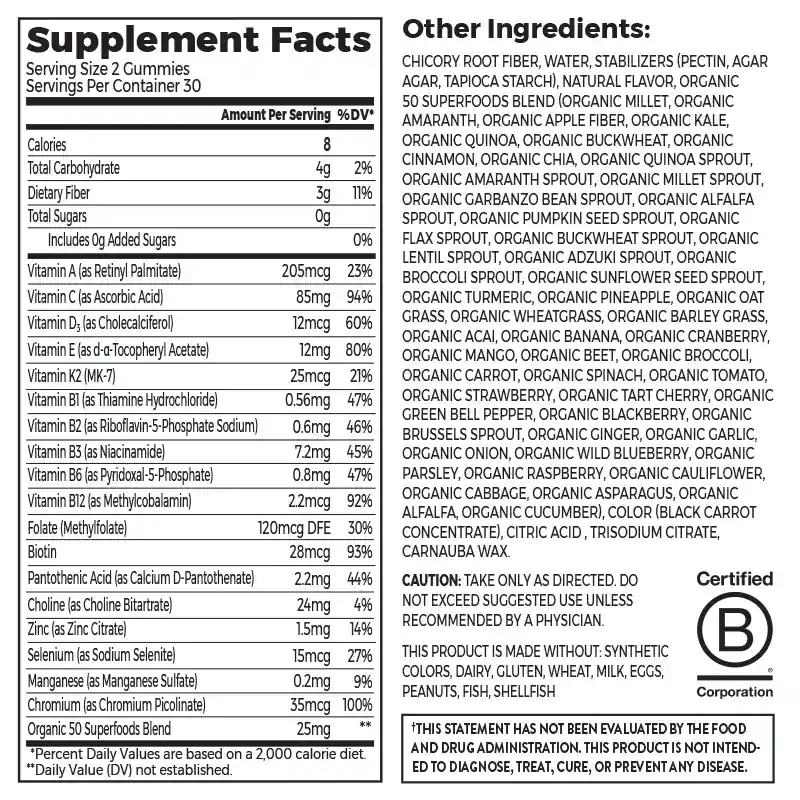
- Select active ingredients: vitamins, minerals, herbal extracts, or specialty nutraceuticals.
- Choose gelling agents: gelatin for traditional texture, pectin for vegan-friendly options.
- Balance flavor and sweetness to mask any bitterness from actives.
2. Ingredient Preparation
- Weigh and mix raw materials according to precise formulation.
- Heat and dissolve gelling agents with water and sweeteners.
- Add active ingredients at controlled temperatures to preserve potency.
3. Cooking and Homogenization
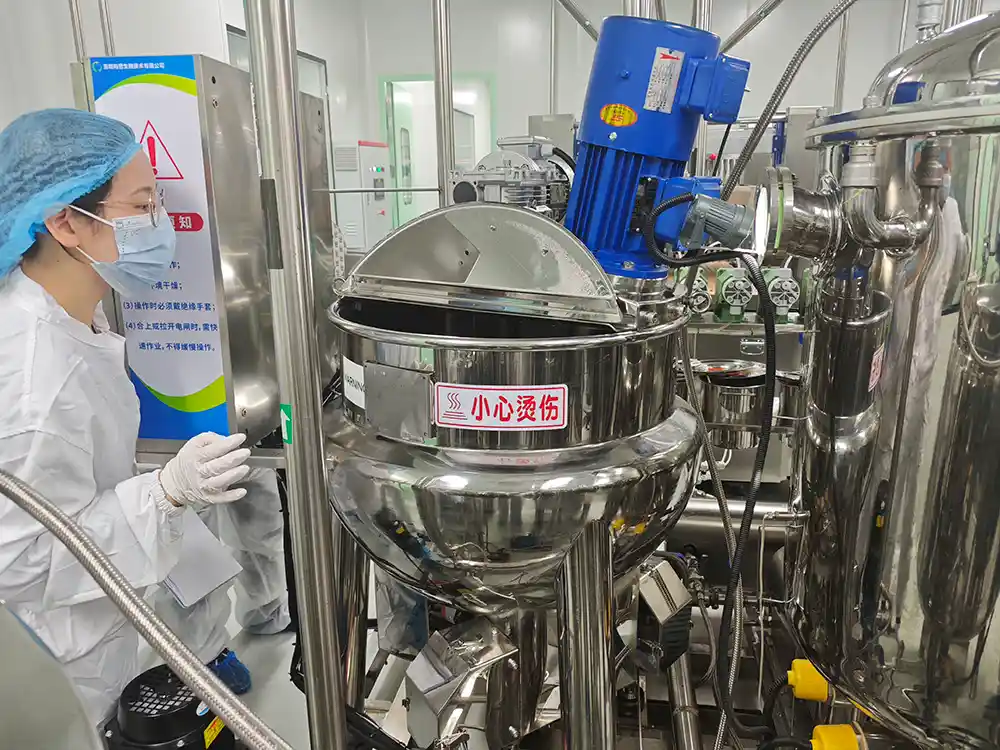
- Cook the mixture to achieve the right viscosity.
- Use industrial homogenizers to ensure even distribution of actives.
- Maintain strict temperature control to avoid degradation.
4. Molding and Cooling
- Pour the gummy mixture into starch-free or silicone molds.
- Allow gummies to set under controlled cooling conditions.
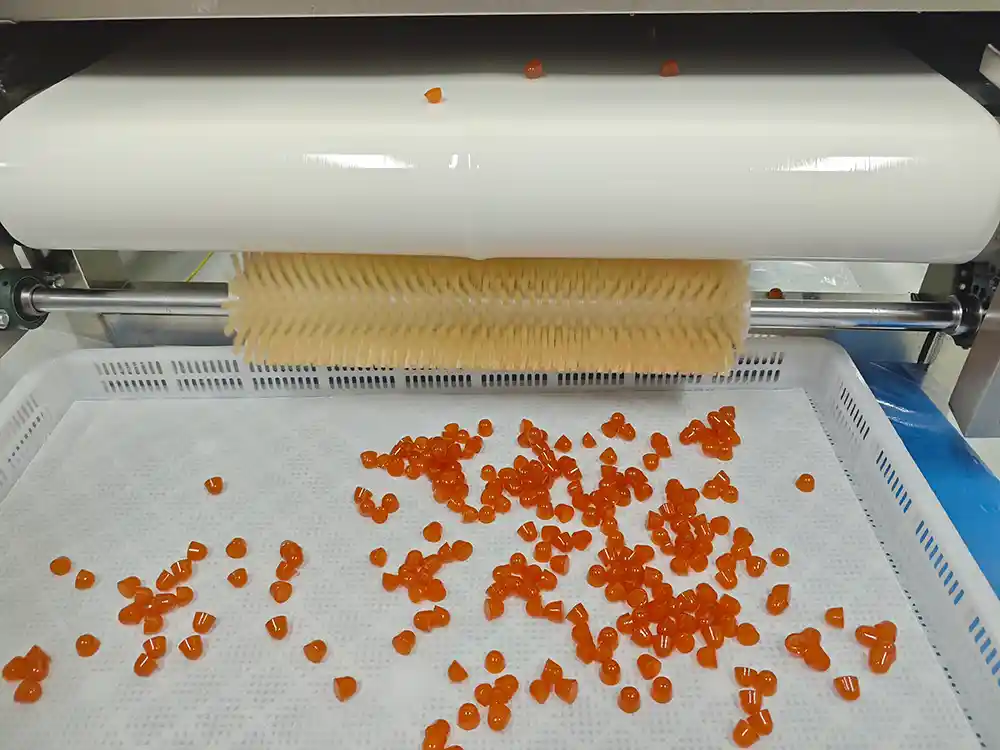
- Demold and transfer for further processing.
5. Finishing and Quality Control
- Apply coatings (sugar, oil, or functional coatings).
- Conduct stability, potency, and microbial testing.
- Package in bottles, jars, or sachets with compliance labeling.
📦 Business Models: OEM/ODM and Private Label Gummy
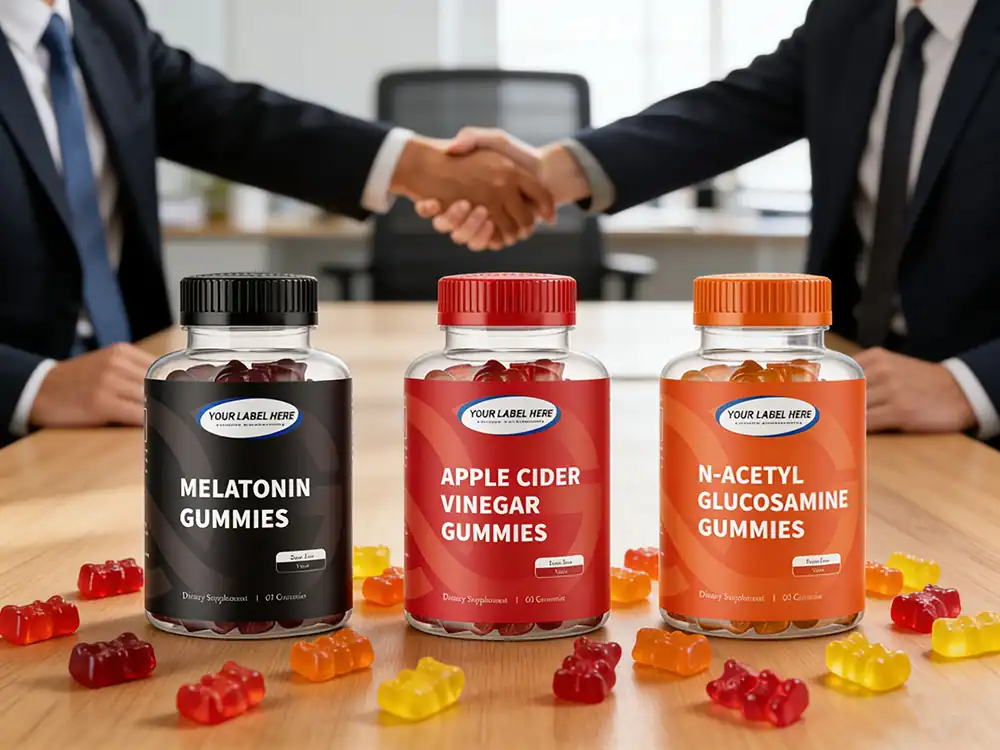
- OEM/ODM Services: Partnering with a professional gummy manufacturer allows brands to outsource production while customizing formulations, packaging, and branding.
- Private Label Gummy: Businesses can launch their own branded gummies supplement line without investing in manufacturing infrastructure.
- Bulk Supply: For wholesalers, bulk gummy manufacturing ensures cost efficiency and scalability.
✅ Compliance and Considerations
- Expertise: Work with experienced formulators and food technologists.
- Authoritativeness: Ensure certifications such as GMP, ISO, or FDA compliance.
- Trustworthiness: Transparent labeling, third-party testing, and clear dosage instructions build consumer trust.
- SEO Alignment: Incorporate keywords naturally (e.g., gummy manufacturing, gummies supplement, OEM/ODM) to enhance visibility without keyword stuffing.
Conclusion
Making gummies is both a science and an art. From formulation to packaging, every step requires precision, compliance, and innovation. For nutraceutical brands, partnering with a professional gummy manufacturer through OEM/ODM or private label gummy solutions offers a strategic path to market entry and growth. By following best practices in gummy manufacturing, businesses can deliver high-quality gummies supplement products that meet consumer demand and regulatory standards.

FAQ
Q1: What is the difference between OEM and ODM in gummy manufacturing?
- OEM (Original Equipment Manufacturing): The manufacturer produces gummies based on your specifications.
- ODM (Original Design Manufacturing): The manufacturer provides ready-made formulations and designs you can brand as your own.
Q2: Can gummies be made vegan?
- Yes. By using pectin or agar instead of gelatin, gummies can be formulated to meet vegan requirements.
Q3: How long does it take to develop a private label gummy product?
- Typically 8–12 weeks, depending on formulation complexity, testing, and packaging design.
Q4: Why are gummies supplements so popular?
- They combine convenience, taste, and compliance, making it easier for consumers to stick to their supplement routines.
Q5: What certifications should a gummy manufacturer have?
- GMP (Good Manufacturing Practice), ISO standards, and FDA registration are key indicators of quality and compliance.