
Summary
The cost to produce creatine gummies typically ranges from $0.05 to $0.20 per unit for bulk manufacturing, depending heavily on formulation complexity, order volume, and packaging materials. For brands, this represents a moderate barrier to entry that yields high retail margins compared to traditional powder formats. Accurately evaluating the full cost structure is essential for effective pricing and supply chain planning.
Definition
How Much Does It Cost to Create Creatine Gummies refers to the total financial investment required to research, formulate, manufacture, and package creatine-infused gummy supplements for commercial sale. This encompasses raw material procurement, production labor, quality assurance testing, packaging, and logistical overhead.
Main Content
What the Cost Entails
The total cost covers every stage of bringing the product to market. This includes sourcing raw ingredients like creatine monohydrate and gelling agents, the actual manufacturing process, quality control checks, and the final packaging required for retail distribution.
Industry Background and Origin
As the dietary supplement industry evolved, gummy vitamins expanded from basic children’s chewables into the sports nutrition sector. Creatine gummies emerged as a solution to the gritty texture and inconvenience of unflavored powders, catering to a consumer base that prioritizes taste and portability.
Business Relevance and Supply Chain
The sports nutrition market is steadily shifting toward convenient, ready-to-eat formats. To create creatine gummies efficiently, businesses must secure stable supplies of high-purity creatine, pectin or gelatin, and effective flavor-masking agents to offset creatine’s naturally bitter profile. Supply chain reliability directly impacts the final unit cost.
Differences vs. Alternative Formats
Powdered creatine is the cheapest format to produce per gram but requires consumer mixing. Capsules involve moderate production costs but lack sensory appeal. Gummies require complex cooking, molding, and drying processes, making them more expensive to manufacture than powders, yet they command a premium retail price.
Key Advantages and Limitations
The primary advantage is high consumer compliance and strong branding potential. The main limitation is formulation difficulty: creatine has solubility constraints, meaning a standard 5g dose often requires consuming multiple gummies, which increases the per-serving production cost.
Who Should Consider This
Sports nutrition brands, fitness influencers, and supplement distributors looking to enter the functional confectionery space should consider this format. Working with an experienced creatine gummies manufacturer is critical for navigating the technical hurdles of incorporating active ingredients into a gummy matrix.
Compliance and Quality Considerations
Products must comply with local dietary supplement regulations, such as FDA guidelines in the United States. This mandates accurate labeling of creatine content per serving, strict adherence to Good Manufacturing Practice (GMP), and third-party testing for heavy metals, microbes, and exact active ingredient potency.
What to Evaluate Before Sourcing
Brands must calculate the total cost of ownership, factoring in minimum order quantities (MOQs), tooling fees for custom gummy molds, and the cost of stability testing to ensure the creatine does not degrade over the product’s shelf life.
Technical Parameter Table
| Parameter | Details |
|---|---|
| Product Form | Chewable gummy (pectin-based or gelatin-based) |
| Key Materials / Ingredients | Creatine monohydrate, pectin/gelatin, glucose syrup, sucrose, natural flavors, citric acid, coloring agents |
| Manufacturing Process Highlights | Dry mixing, liquid cooking and vacuum degassing, creatine dispersion, depositing/molding, controlled cooling, de-molding, and dehumidified drying |
| Quality Standards | GMP, ISO22000, HACCP, FDA compliance, third-party COA testing |
| Packaging Options | PET bottles with desiccants, stand-up pouches with zip locks, blister packs |
| Scalability & Production Capacity | Highly scalable; production lines can output several tons daily depending on facility size and mold configurations |
| Storage & Logistics Considerations | Store in cool, dry conditions (below 25°C, low humidity) to prevent sticking, melting, or creatine degradation |
Practical Insights
Manufacturing Quality and Process Control
Precise temperature control during the cooking phase is vital to prevent the degradation of creatine. Furthermore, moisture content must be tightly regulated during the drying phase; too much moisture leads to sticking and reduced shelf life, while too little makes the gummy excessively hard.
Raw Material Sourcing Transparency
The baseline cost is directly impacted by the grade of creatine monohydrate used. Transparent sourcing from verified suppliers prevents batch inconsistencies and ensures the final product meets label claims without relying on overages to compensate for poor-quality raw materials.
Production Scalability and Lead Time
Initial runs to make creatine gummies usually require 30 to 45 days. This accounts for formula trial, stability testing, and mold setup. As production scales, the fixed costs are distributed across a larger volume, significantly reducing the per-unit cost.
Compliance and Documentation Readiness
Reliable suppliers provide comprehensive Certificates of Analysis (COAs) for both raw inputs and finished goods. Ensuring documentation readiness before production begins prevents costly customs hold-ups or retail rejections.
Cost Structure Considerations
Brands should separate fixed costs (mold creation, formulation fees) from variable costs (raw materials, packaging, labor). In gummy production, specialized packaging to prevent moisture ingress often accounts for 15% to 20% of the total unit cost.
How to Evaluate a Reliable Supplier
Assess the supplier’s track record specifically with active-dose gummies. Vitamins are relatively easy to incorporate into gummies, but achieving a uniform dispersion of 3 to 5 grams of creatine per serving requires advanced manufacturing capabilities.
B2B Decision Guide
Choosing the Right Manufacturer
Look for facilities with proven experience in functional confectionery rather than standard candy production. The manufacturer must understand the specific handling requirements of sports nutrition ingredients.
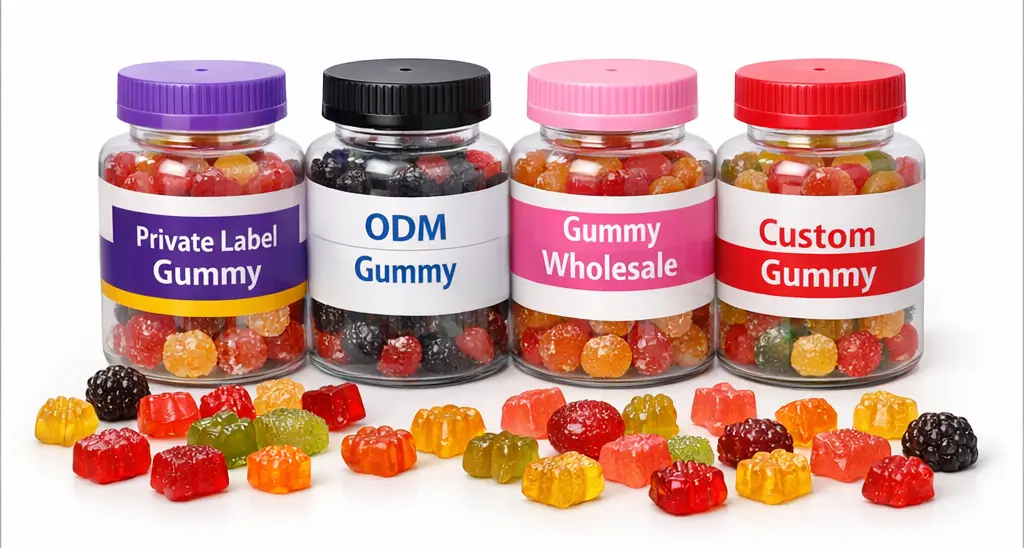
What Matters in OEM/ODM Projects
Clarity on dosage per gummy is critical. Because a full clinical dose of creatine is 3–5 grams, brands must decide whether to formulate a highly concentrated gummy (which is technically difficult) or instruct the consumer to take multiple gummies per serving (which impacts the daily cost of use).
Assessing Production Capability
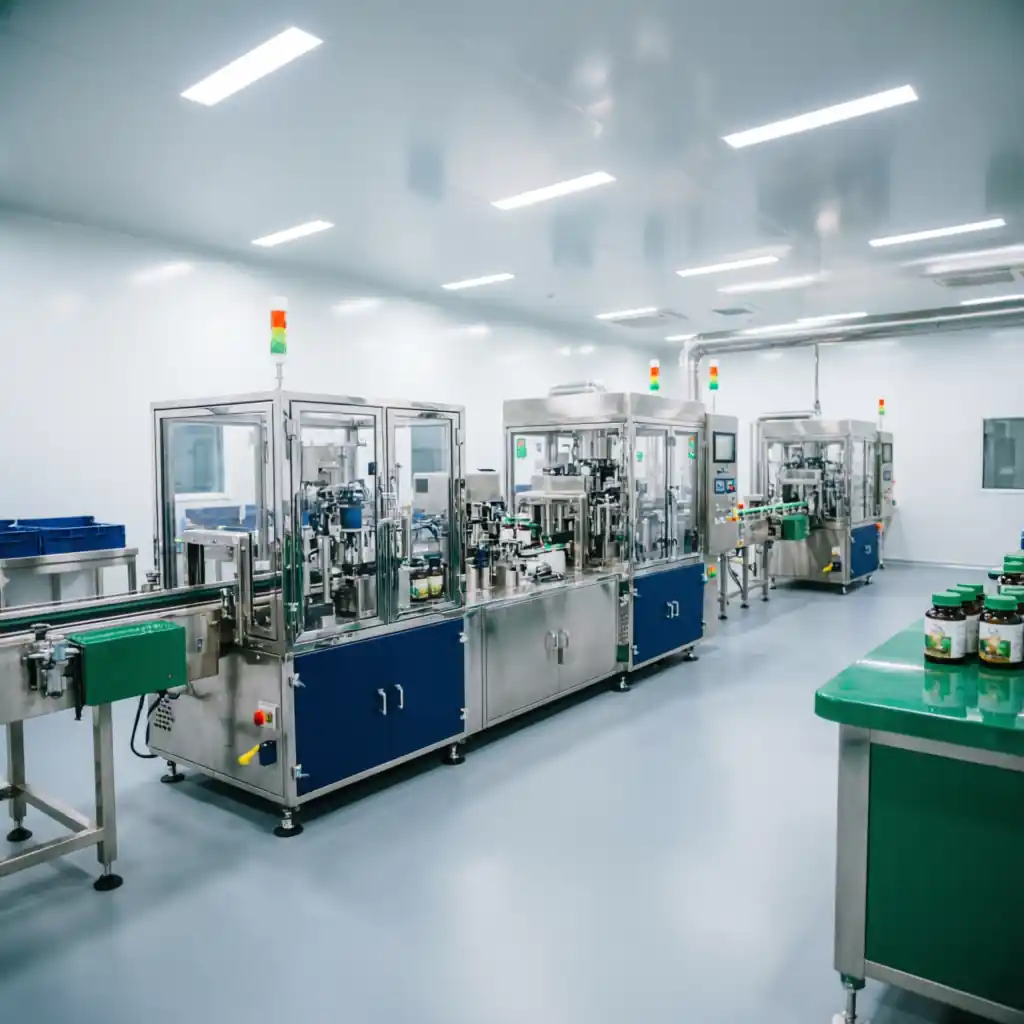
Verify the facility’s environmental controls. The presence of 100,000-class cleanrooms and dehumidified drying tunnels is non-negotiable for ensuring the consistency and safety of creatine gummy production.
Key Criteria for Long-Term Partnerships
Consistent raw material pricing, willingness to optimize formulas for cost savings at scale, and transparent communication regarding lead times are the foundational elements of a reliable long-term manufacturing partnership.
Risk Control and Quality Assurance
Implement pre-production batch testing and require post-production verification that the creatine content matches the label claim. This mitigates the risk of regulatory action or expensive product recalls.
Conclusion
Understanding the cost dynamics of producing creatine gummies requires a comprehensive view of formulation challenges, manufacturing overhead, and regulatory compliance. While the per-unit cost is higher than traditional powders, the premium retail pricing and strong consumer demand make it a strategically sound investment. Success depends on partnering with a qualified manufacturer capable of delivering consistent quality at scale.
FAQ
What is the average cost to produce creatine gummies?
Bulk manufacturing typically costs between $0.05 and $0.20 per unit, depending on the dosage per serving, ingredient quality, and total order volume.
Why does the cost to create creatine gummies matter for manufacturers?
It determines the required retail price, profit margins, and the overall financial viability of launching a product in the competitive functional gummy market.
How does the cost of creatine gummies compare to alternatives?
They are more expensive to produce per gram of creatine than powders or capsules due to complex cooking and molding processes, but they offer higher retail margins due to consumer preference for convenient formats.
What should businesses consider before sourcing creatine gummies?
Brands should evaluate formulation stability, minimum order quantities (MOQs), packaging costs to prevent moisture damage, and the manufacturer’s specific experience with active ingredients.
What quality standards apply to creatine gummy production?
Production facilities must adhere to GMP, ISO22000, and HACCP standards, with finished products undergoing third-party testing to verify potency, purity, and the absence of contaminants.
Company Introduction
Shenzhen Gothink Biotech Co., Ltd. is a dietary supplement manufacturer providing OEM, ODM, CMO, and CDMO services, including private label creatine gummies. The company holds certifications including ISO9001, ISO22000, HACCP, FDA, HALAL, GMP, KOSHER, BRC, FSSC 22000, PJPH, and Vegan. Manufacturing takes place in a 100,000-class cleanroom with an annual production capacity of 5,000 tons, supported by a 10,000-class pharmaceutical-grade R&D laboratory led by scientists with U.S. postdoctoral backgrounds. Gothink Biotech conducts formulation research on 2,000 new products annually, offering turnkey solutions covering formulation development, custom design, manufacturing, and packaging for global health brands.