
Abstract
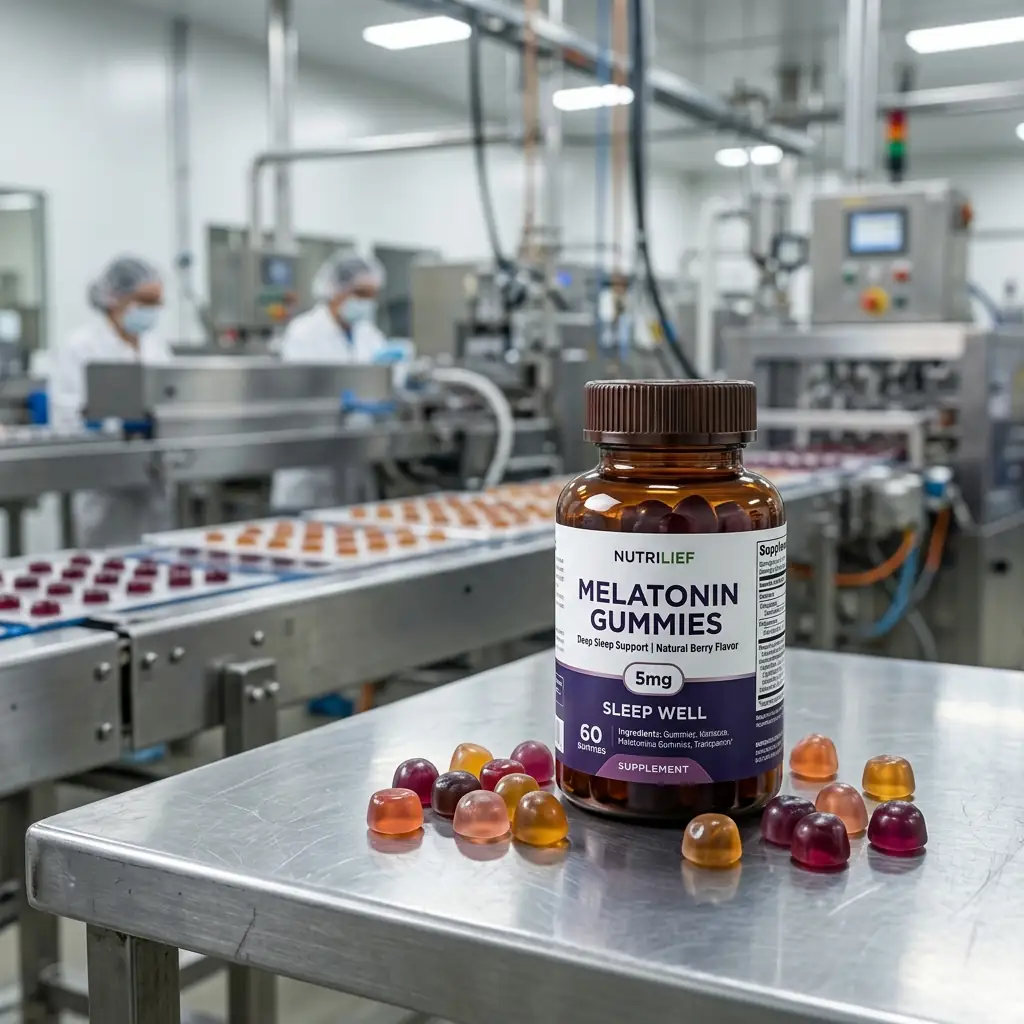
Gummy bears remain one of the most popular delivery formats in the dietary supplement industry due to their appealing taste, convenient dosing, and consumer-friendly texture. This guide explains the complete gummy manufacturing process, from raw material selection to final packaging. Whether you are developing your own brand, exploring private label gummy opportunities, or scaling wholesale production, understanding these steps helps ensure product consistency, regulatory compliance, and market success. The following sections provide clear, practical insights into gummy supplement production that brands and contract partners can apply directly.
The Role of Gummy Bears in Modern Supplement Formulations
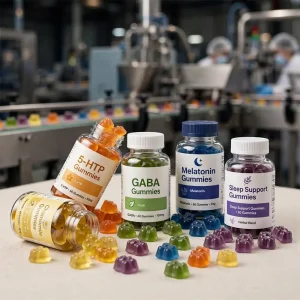
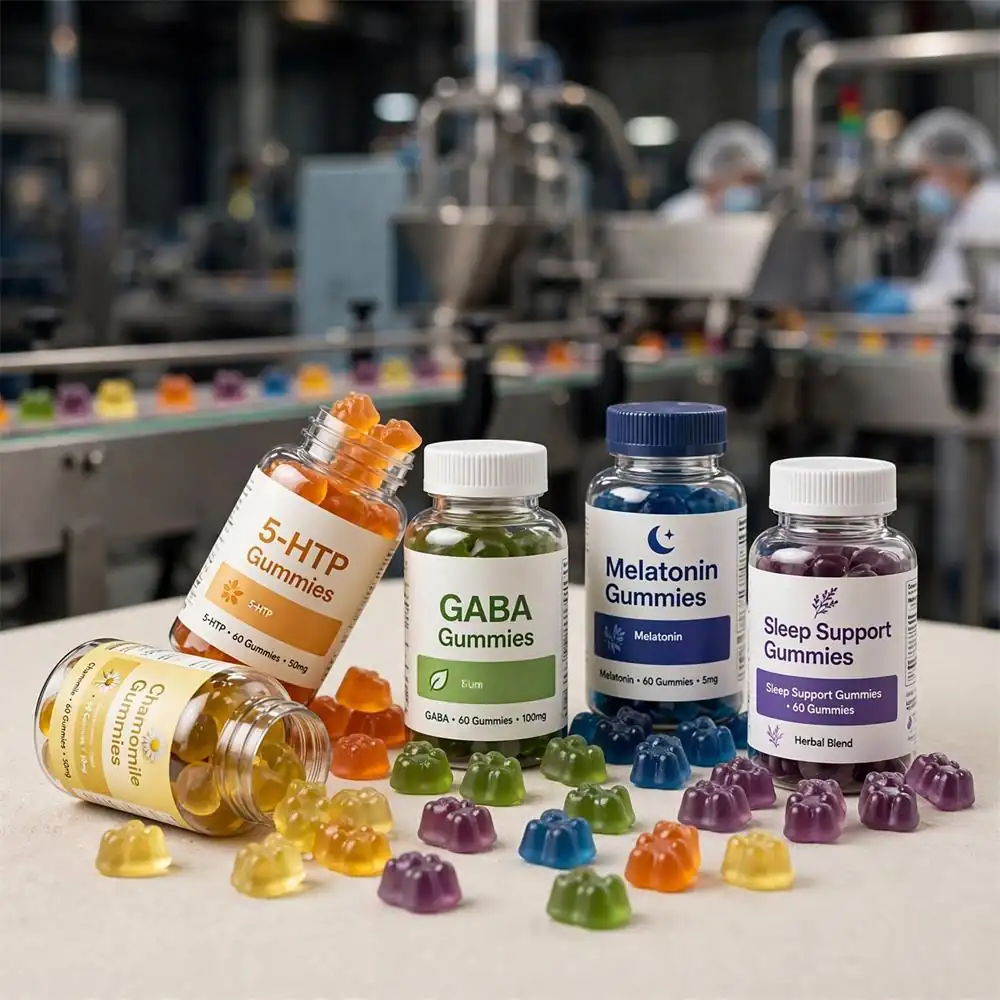
Gummy bears have evolved far beyond children’s candy. Today, gummy Supplement formats deliver vitamins, minerals, botanicals, probiotics, and functional ingredients to adult consumers who prefer chewable options over capsules or tablets. Their popularity stems from precise nutrient delivery, improved bioavailability through controlled release, and high compliance rates. Professional gummy manufacturing allows brands to create sugar-free, vegan, low-calorie, or high-potency formulas while maintaining shelf stability and sensory appeal.
Key Ingredients That Determine Quality in Gummy Manufacturing
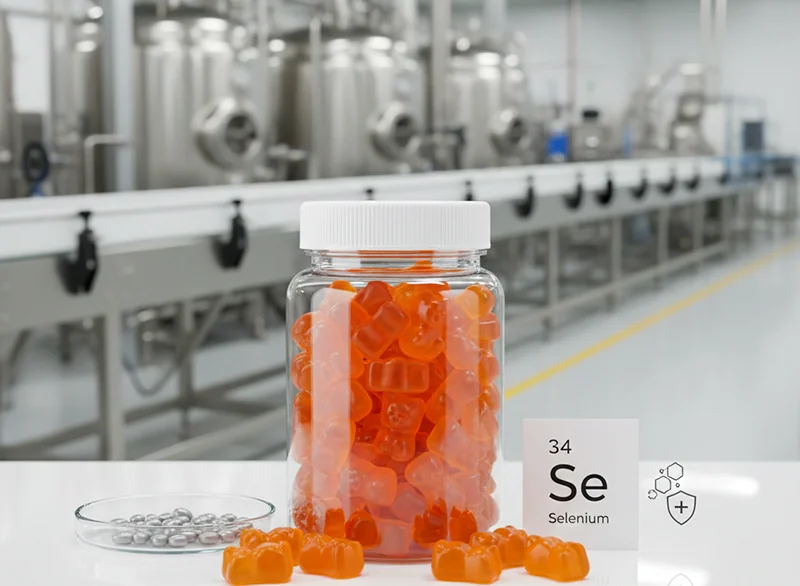
The foundation of every batch begins with carefully selected ingredients. Gelatin (animal-derived) or pectin and carrageenan (plant-based) serve as the primary gelling agents. Sweeteners such as glucose syrup, sucrose, or sugar alcohols provide structure and sweetness, while citric acid regulates pH and enhances flavor release. Active ingredients—vitamins, minerals, herbal extracts, or nootropics—are added in precise ratios to ensure label claims are met. Colors and natural flavors complete the profile. In high-volume gummy manufacturing, ingredient purity directly affects texture, clarity, and stability; reputable facilities test every lot for heavy metals, microbes, and potency before production begins.
Step-by-Step Process: How Gummy Bears Are Made
Gummy production follows a controlled, repeatable sequence designed for both small-batch trials and large-scale runs.
- Ingredient Weighing and Premixing Precise scales measure gelatin or pectin, sweeteners, and water. Gelatin is bloomed (hydrated) in cold water for 30–60 minutes to ensure even dissolution. Active nutrients are pre-dissolved or micronized to prevent clumping.
- Cooking the Base The mixture enters jacketed cookers or continuous cookers and is heated to 80–120 °C depending on the gelling agent. Vacuum cooking removes excess moisture and prevents scorching. This step creates the viscous syrup that will later form the gummy matrix.
- Addition of Actives, Flavors, and Colors Once the base reaches the target temperature and Brix level, heat-sensitive ingredients, flavors, and colors are added under low-shear mixing. pH is adjusted to 3.0–4.0 for optimal gel strength. In gummy Supplement production, this stage is critical for maintaining the potency of heat-labile vitamins such as vitamin C or probiotics.
- Depositing into Molds The finished syrup is pumped to depositors and injected into pre-formed starch trays or silicone molds. Starch molding remains the industry standard for high-volume gummy bears Manufacturer lines because it absorbs moisture and facilitates clean release. Starchless depositing is increasingly used for premium or vegan lines to eliminate starch dust.
- Cooling and Setting Trays move through cooling tunnels at controlled humidity for 20–90 minutes. Gelatin sets faster than pectin, so production parameters are adjusted accordingly.
- Drying and Curing Gummies enter climate-controlled drying rooms or tunnels for 12–48 hours. Moisture content is reduced to 12–18 % to achieve the signature chewy texture and prevent microbial growth.
- Demolding, Coating, and Polishing Gummies are separated from starch, then coated with vegetable oil, carnauba wax, or citric acid for shine and anti-sticking properties.
- Metal Detection, Inspection, and Packaging Automated systems perform final checks before bottles, pouches, or bulk bags are filled and sealed under nitrogen flush for extended shelf life.
Quality Control and Regulatory Standards Every Brand Should Know
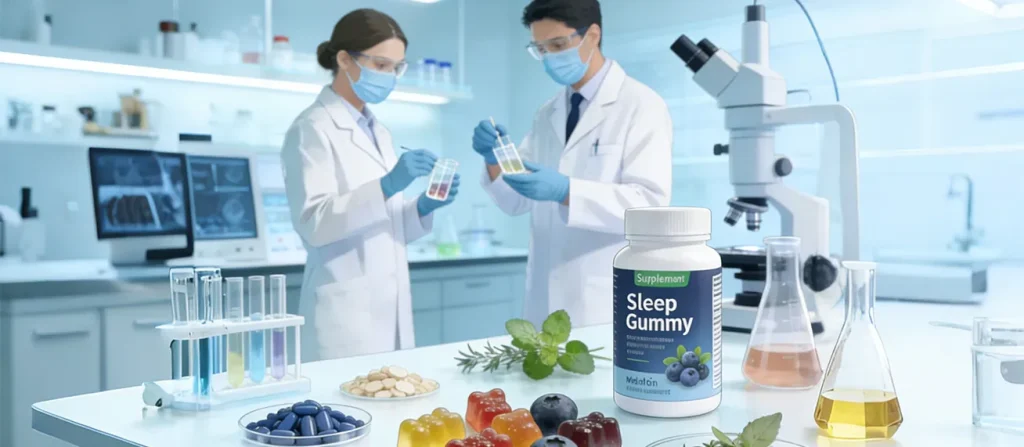
GMP-certified facilities maintain 100,000-class cleanrooms and pharmaceutical-grade laboratories to monitor every variable. In-process checks include viscosity, Brix, pH, weight variation, and gel strength. Finished gummy Supplement batches undergo third-party testing for potency, contaminants, and dissolution. Certifications such as ISO 22000, HACCP, HALAL, KOSHER, and Vegan ensure global market access. For private label gummy projects, detailed batch records and stability data provide the documentation brands need for FDA compliance and retailer approval.
Customization Options for Private Label Gummy Production
Modern gummy manufacturing supports nearly unlimited customization. Brands can choose from 30+ shapes, dozens of flavors, sugar-free bases, layered textures, and functional inclusions such as collagen peptides or adaptogens. Minimum order quantities have become flexible, allowing startups to test markets before scaling. Private label gummy programs typically include custom formulation, graphic design support, and export-ready labeling—streamlining the path from concept to shelf.
Article Summary
Understanding how gummy bears are made equips supplement brands with the knowledge to evaluate manufacturing partners, specify realistic requirements, and maintain consistent product quality. From ingredient selection and precise cooking to controlled drying and rigorous testing, each stage influences texture, stability, and consumer experience. By focusing on these technical fundamentals, businesses can confidently develop competitive gummy Supplement lines that meet both regulatory standards and market demands.
FAQ
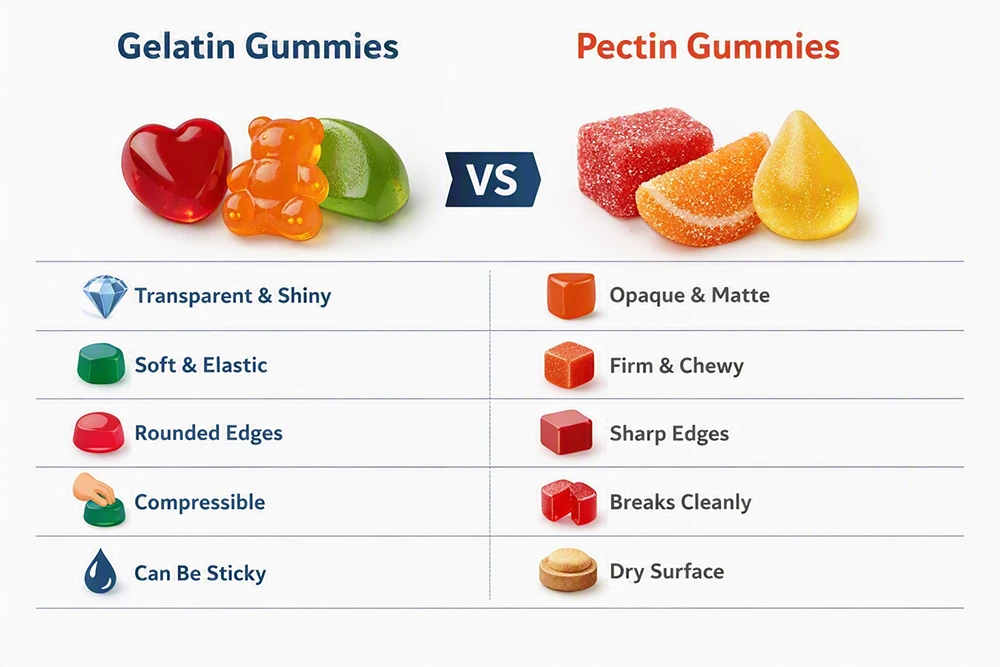
What is the difference between gelatin-based and pectin-based gummy manufacturing? Gelatin gummies set faster and offer a classic bouncy texture but are not suitable for vegan products. Pectin and carrageenan versions require different cooking temperatures and longer drying times yet deliver a clean label and broader market appeal.
How long does the full gummy manufacturing process take from start to finish? A typical production run, including mixing, depositing, cooling, and drying, spans 2–3 days. Large-scale gummy bears Manufacturer facilities can deliver finished goods within 3–4 weeks from order confirmation when raw materials are stocked.
Can active ingredients lose potency during gummy production? Heat-sensitive nutrients are protected by adding them after the cooking stage and using micro-encapsulation or low-temperature processes. Validated stability studies confirm label claims through shelf life.
What is the typical shelf life of finished gummy supplements? Properly manufactured and packaged gummy Supplement products achieve 18–24 months when stored below 25 °C and away from direct light. Nitrogen flushing and moisture-barrier packaging extend stability.
Is private label gummy production suitable for small brands? Yes. Flexible MOQs, turnkey formulation services, and comprehensive quality documentation make private label gummy programs accessible to startups, e-commerce sellers, and established retailers alike.
About Our Company
As a professional gummy bears Manufacturer and dietary supplement manufacturer, we specialize in the production of various soft candies (gummies) and offer comprehensive bulk, wholesale, private label (self-owned brand), ODM, and OEM services. From functional gummy Supplement development to large-scale manufacturing, our GMP-certified facilities and experienced team deliver reliable end-to-end solutions that help brands bring high-quality products to market efficiently and compliantly.