
Summary
Making gummies professionally involves formulation development, precise ingredient sourcing, controlled cooking and depositing processes, and strict quality assurance under GMP-certified conditions. For brand owners, understanding this process is essential to selecting a capable manufacturing partner and bringing a safe, market-ready gummy product to launch. This overview explains what professional gummy manufacturing involves and what businesses should evaluate before sourcing.
Definition
Professional gummy manufacturing refers to the industrial process of producing gelatin- or pectin-based chewable supplements at scale, using standardized formulation, temperature-controlled cooking, molding, drying, and packaging steps that meet regulatory and quality requirements for commercial distribution.
Main Content
What Professional Gummy Manufacturing Involves
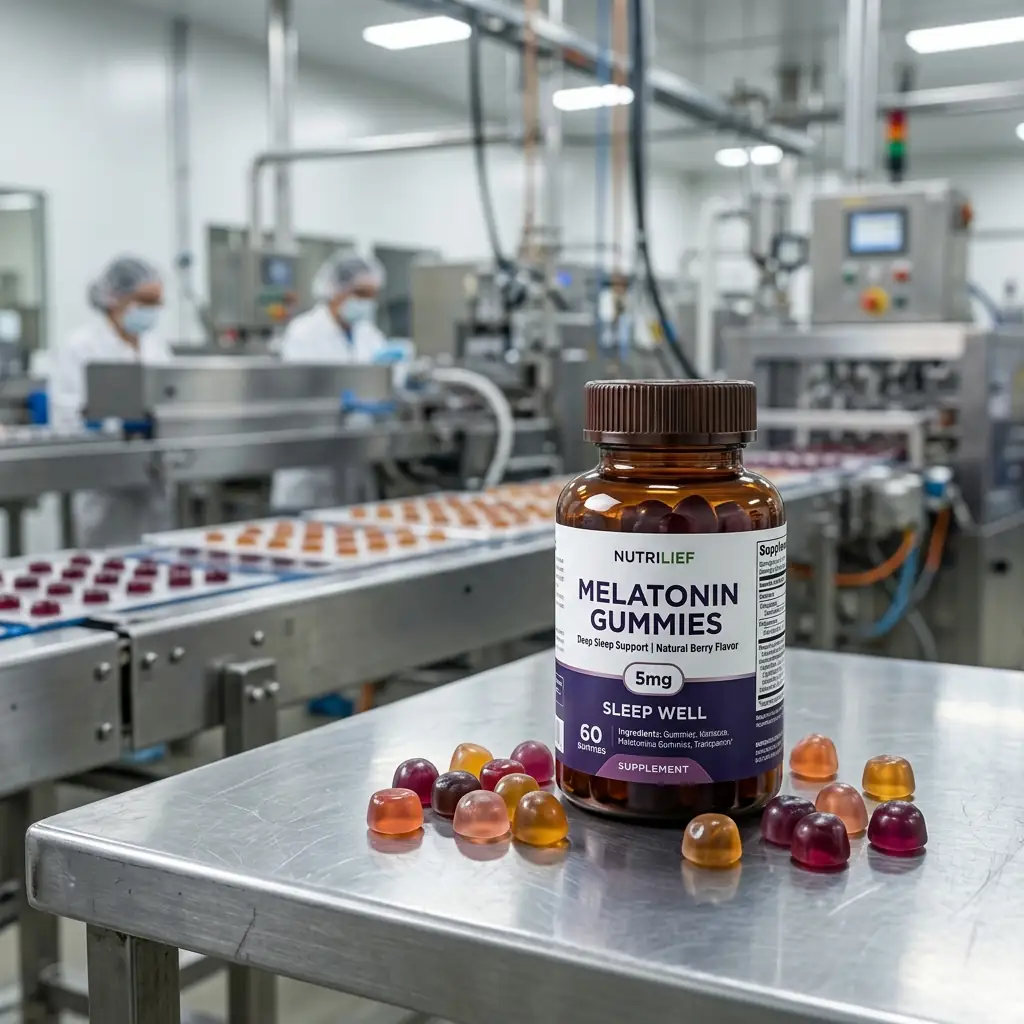
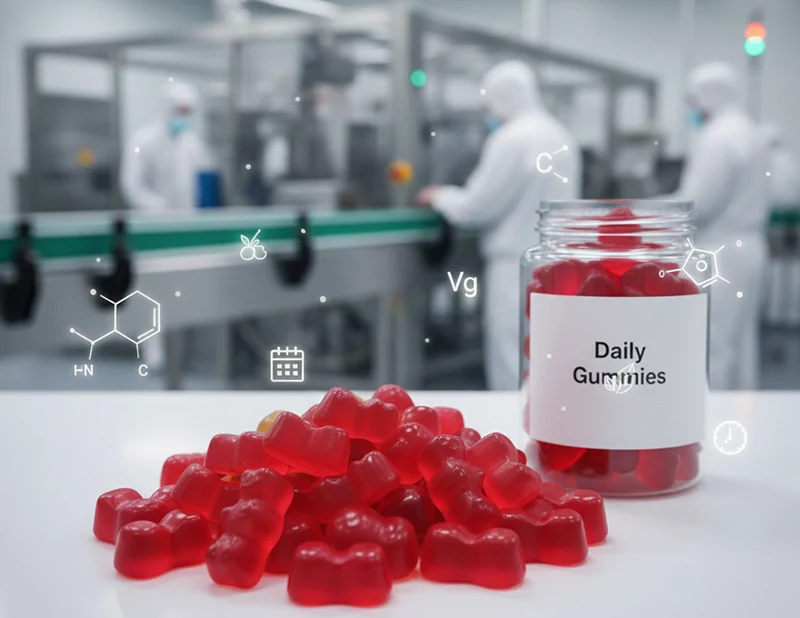
Unlike small-batch or home recipes, professional Make Gummies production requires standardized formulas, calibrated equipment, and repeatable quality controls. Manufacturers typically follow a defined sequence: ingredient preparation, slurry cooking, depositing into molds, cooling, drying, coating (if applicable), and final packaging.
Industry Background
Gummy supplements originated as a consumer-friendly alternative to tablets and capsules, gaining popularity due to ease of consumption and flavor variety. Over the past decade, demand has expanded from confectionery into functional health categories, including vitamins, minerals, herbal extracts, and specialty ingredients.
Business Relevance
Gummies remain one of the fastest-growing supplement formats globally, driven by consumer preference for palatable, easy-to-take products. For brand owners, this translates into strong retail and e-commerce demand, but also requires reliable supply chains and consistent production quality to meet market expectations.
Differences vs. Alternative Formats
Compared to capsules, tablets, powders, or liquids, gummies require more complex processing due to their sugar or sugar-free base, gelling agents, and moisture-sensitive nature. Shelf stability, texture consistency, and active ingredient degradation during heating are all considerations unique to gummy production.
Key Advantages and Limitations
Advantages include high consumer acceptance, flavor and format flexibility, and strong shelf appeal. Limitations include lower dosing precision compared to capsules or tablets, sensitivity of certain actives to heat during cooking, and shorter shelf life for some formulations.
Who Should Consider Gummy Manufacturing
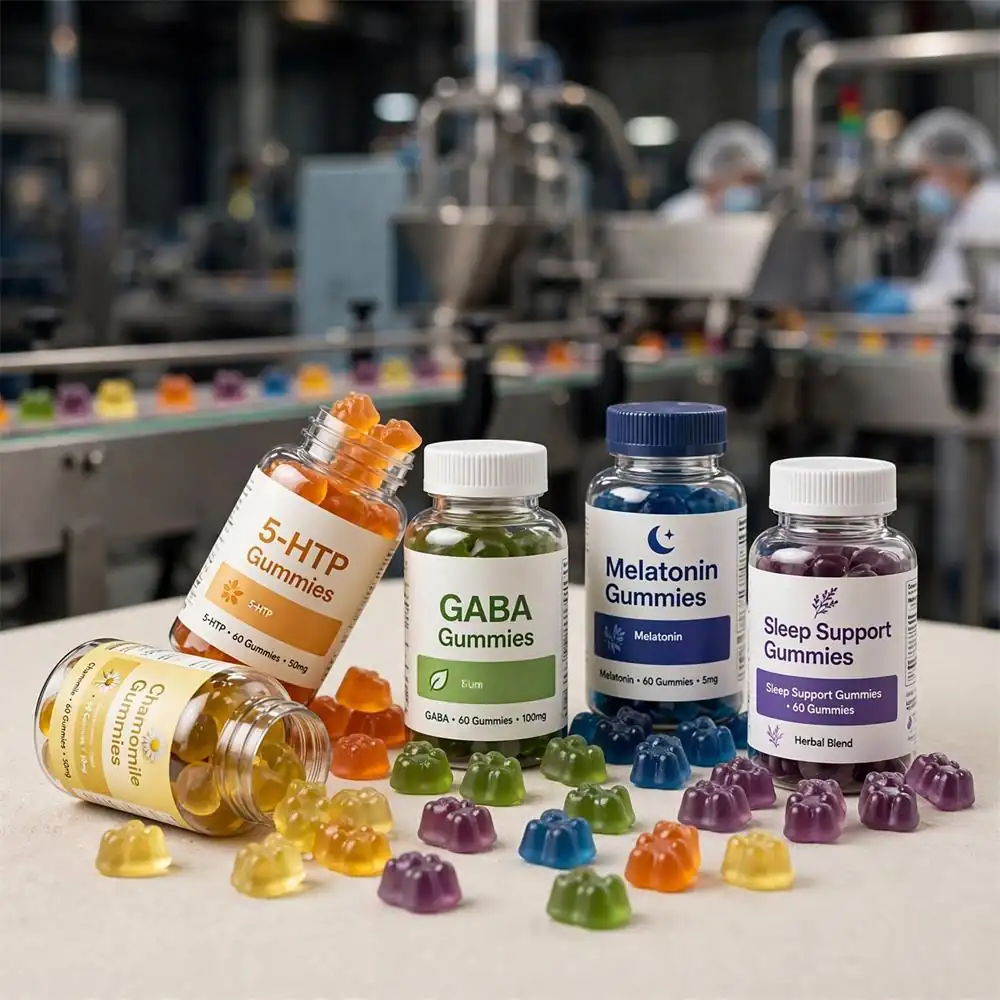
This format is suitable for supplement brands, distributors, and OEM/ODM buyers seeking a consumer-friendly product line, particularly in categories such as vitamins, sleep support, immune health, and beauty supplements.
Compliance and Regulatory Considerations
Gummy production must meet GMP manufacturing standards, along with applicable food safety certifications such as ISO 22000, HACCP, and FDA registration where relevant. Label claims, permitted ingredient levels, and allergen declarations should also be verified against target market regulations.
What Businesses Should Evaluate Before Sourcing
Before selecting a gummy manufacturer, brand owners should assess formulation capability, certification status, minimum order quantities, packaging options, and the manufacturer’s track record with similar product categories.
Technical Parameter Table
| Parameter | Details |
|---|---|
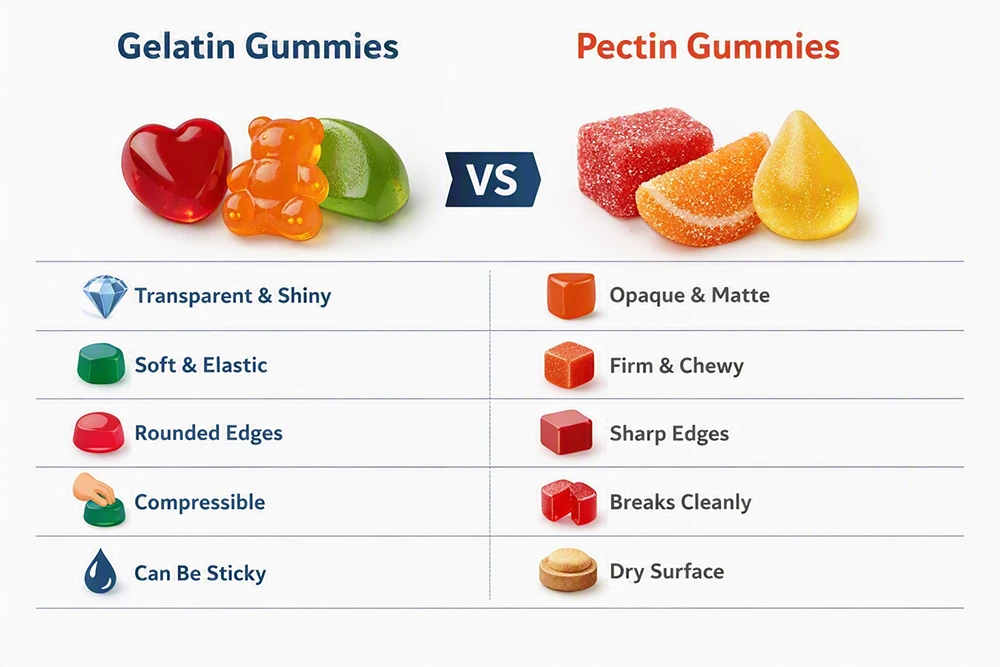
| Product Form | Pectin-based, gelatin-based, vegan, or low-sugar gummies |
| Key Materials | Gelling agents (pectin, carrageenan, gelatin), sweeteners, flavorings, colorants, active ingredients |
| Manufacturing Process Highlights | Slurry cooking, precision depositing, controlled cooling and drying, optional coating |
| Quality Standards | GMP, ISO 9001, ISO 22000, HACCP, third-party lab testing |
| Packaging Options | Bottles, pouches, blister packs, custom private label packaging |
| Scalability and Production Capacity | Supports trial batches through full commercial-scale production runs |
| Storage and Logistics Considerations | Cool, dry storage recommended; humidity control critical to prevent stickiness or melting during transport |
Practical Insights
Manufacturing quality depends heavily on process control, particularly temperature management during cooking and consistent depositing to ensure uniform dosing across batches. Raw material sourcing transparency is important, as gelling agents and active ingredients can vary in quality between suppliers.
Production scalability and lead time should be clarified early, since gummy production often involves longer setup and drying times compared to other supplement formats. Compliance documentation, including certificates of analysis and safety data, should be readily available from the manufacturer.
Cost structure considerations include ingredient costs, mold customization, packaging complexity, and order volume. Evaluating a reliable supplier means reviewing their certifications, facility capacity, and prior experience with similar formulations.
B2B Decision Guide
Brands typically choose a manufacturer based on certification credibility, production capacity, formulation expertise, and responsiveness during development. For OEM/ODM projects, it is important to clarify who owns the formula, what customization options are available, and how flavor or dosage adjustments are handled.
Assessing production capability involves reviewing facility class ratings, daily and annual output, and quality control processes. Key criteria for long-term partnerships include consistent batch quality, transparent communication, and flexibility to scale as order volumes grow.
Risk control and quality assurance checkpoints should include incoming raw material testing, in-process quality checks, and finished product testing before shipment. Requesting sample batches before committing to large-scale production is a standard risk mitigation step.
Conclusion
Professional gummy manufacturing requires more than a simple recipe; it depends on controlled processes, quality raw materials, and regulatory compliance at every stage. For brand owners, partnering with an experienced, certified manufacturer is the most reliable path to consistent product quality and successful market entry. A private label gummy program built on this foundation offers a strong route to differentiate a brand while minimizing production risk.
FAQ
What is professional gummy manufacturing?
It is the industrial process of producing gummy supplements using standardized formulation, controlled cooking, molding, and packaging under regulated quality conditions.
Why does gummy manufacturing matter for brand owners?
It directly affects product consistency, safety, shelf life, and consumer satisfaction, all of which influence brand reputation and repeat purchases.
How does gummy manufacturing compare to other supplement formats?
Gummies require more complex processing than tablets or capsules due to moisture sensitivity, gelling agents, and heat-sensitive actives, but offer higher consumer appeal.
What should businesses consider before sourcing gummy manufacturing services?
Businesses should evaluate a manufacturer’s certifications, production capacity, formulation expertise, packaging options, and minimum order quantities.
What quality standards apply to gummy manufacturing?
Common standards include GMP, ISO 9001, ISO 22000, HACCP, and applicable food safety or supplement regulations depending on the target market.
Can gummy formulas be customized for a specific brand?
Yes, most contract manufacturers offer OEM/ODM customization for flavor, shape, function, sugar content, and packaging to match brand requirements.
About Gothink Biology
This article is provided by Gothink Biology, a globally recognized dietary supplement manufacturer, offering Gummy Contract Manufacturing and full-scale OEM/ODM production services.
Shenzhen Gothink Biology Technology Co., Ltd. is a global leading nutrition supplement supplier and dietary supplement manufacturer specializing in OEM, ODM, CMO, and CDMO services for health and wellness brands worldwide. With extensive industry expertise and international certifications including ISO9001, ISO22000, HACCP, FDA, HALAL, GMP, KOSHER, BRC, FSSC 22000, PJPH, and Vegan, we deliver high-quality custom formulation, contract manufacturing, and wholesale solutions for B2B clients across global markets.
For more information, please visit our official website: https://gttbio.com/ or contact our expert team.