
Summary: Creating a creatine gummy product involves selecting a stable creatine form, developing a palatable gummy matrix, and partnering with a manufacturer that can scale production while meeting quality and compliance standards. For supplement brands, the process typically moves from formulation and flavor testing through pilot batches, regulatory documentation, and full-scale OEM/ODM production. Success depends less on the idea itself and more on choosing a manufacturing partner with proven process control and transparent sourcing.
Definition
To create creatine gummies for a brand refers to the end-to-end process of formulating, testing, and manufacturing a chewable gummy supplement that delivers a measured dose of creatine, typically creatine monohydrate, in a flavored, gelatin or pectin-based format suitable for retail or e-commerce distribution. The process spans formulation science, ingredient sourcing, regulatory compliance, and contract manufacturing.
Main Content
What This Process Involves
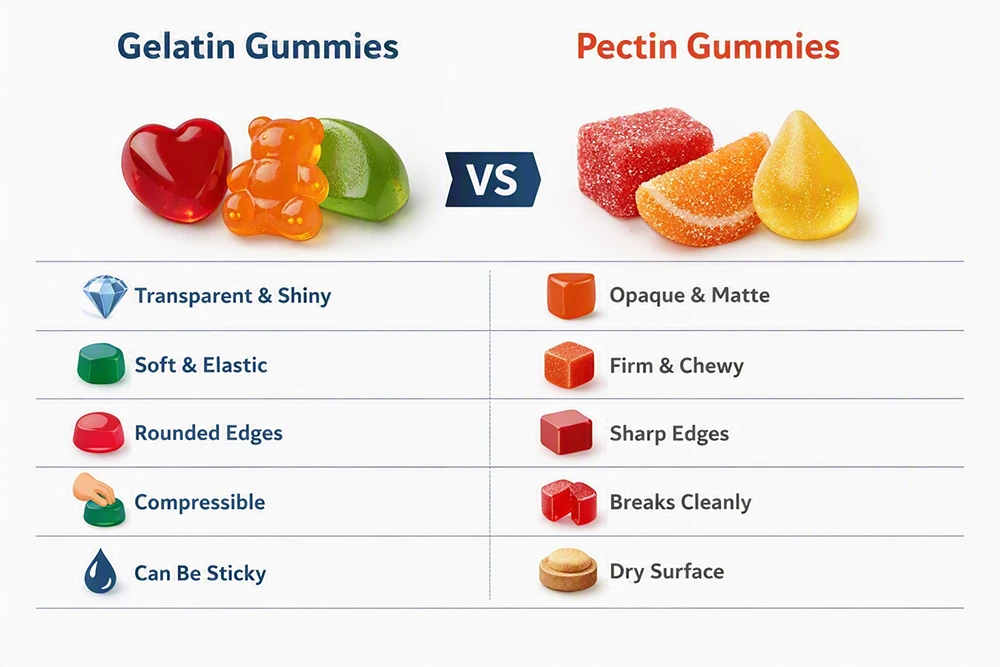
Building a creatine gummy line generally starts with defining the target dose per gummy, selecting flavor and color systems that mask creatine’s naturally chalky taste, and confirming the gelling agent (commonly pectin or carrageenan for vegan-friendly formats). Brands then move into bench-scale trials before committing to commercial production runs.
Industry Background
Gummy supplements have grown steadily as an alternative to capsules and powders, driven by consumer demand for easier dosing and more enjoyable consumption. Creatine gummies are a more recent extension of this trend, applying established gummy contract manufacturing techniques to a sports-nutrition ingredient historically sold as powder.
Business Relevance
Sports nutrition and fitness-focused supplement categories continue to attract new entrants, and gummies offer a differentiated format compared to saturated powder and capsule markets. For brands and distributors, this format can support premium positioning, easier international shipping (no measuring scoops), and stronger shelf appeal.
Differences vs. Alternative Formats
Compared to powder, gummies require no mixing and offer consistent, pre-measured dosing, though they generally hold a lower per-unit dose due to volume constraints. Compared to capsules, gummies avoid swallowing difficulty but require more attention to sugar content, stability, and shelf life management.
Key Advantages and Limitations
Advantages include improved palatability, simplified dosing, and stronger consumer appeal for non-powder users. Limitations include a practical ceiling on creatine load per gummy (often requiring multiple gummies per serving to match a standard 3–5g dose), and the need for careful formulation to maintain texture and stability over shelf life.
Who Should Consider This Format
This format is generally relevant for sports nutrition brands, e-commerce supplement sellers, distributors expanding into functional categories, and OEM/ODM buyers looking to diversify a product line without building in-house manufacturing.
Compliance and Quality Considerations
Brands should confirm that any manufacturing partner operates under recognized quality systems (such as GMP, ISO9001, or ISO22000) and can provide documentation supporting ingredient traceability, batch testing, and label accuracy. Health claims related to creatine should be reviewed against applicable regional regulations before market launch.
What to Evaluate Before Sourcing or Producing
Before committing to a manufacturer, brands should evaluate minimum order quantities, formulation flexibility, lead times, packaging options, and the supplier’s track record with similar functional gummy categories.
Technical Parameter Overview
| Parameter | Details |
|---|---|
| Product Form | Chewable gummy, single or multi-gummy serving |
| Key Materials / Ingredients | Creatine monohydrate, pectin or gelatin, natural/artificial flavoring, sweeteners, citric acid, colorants |
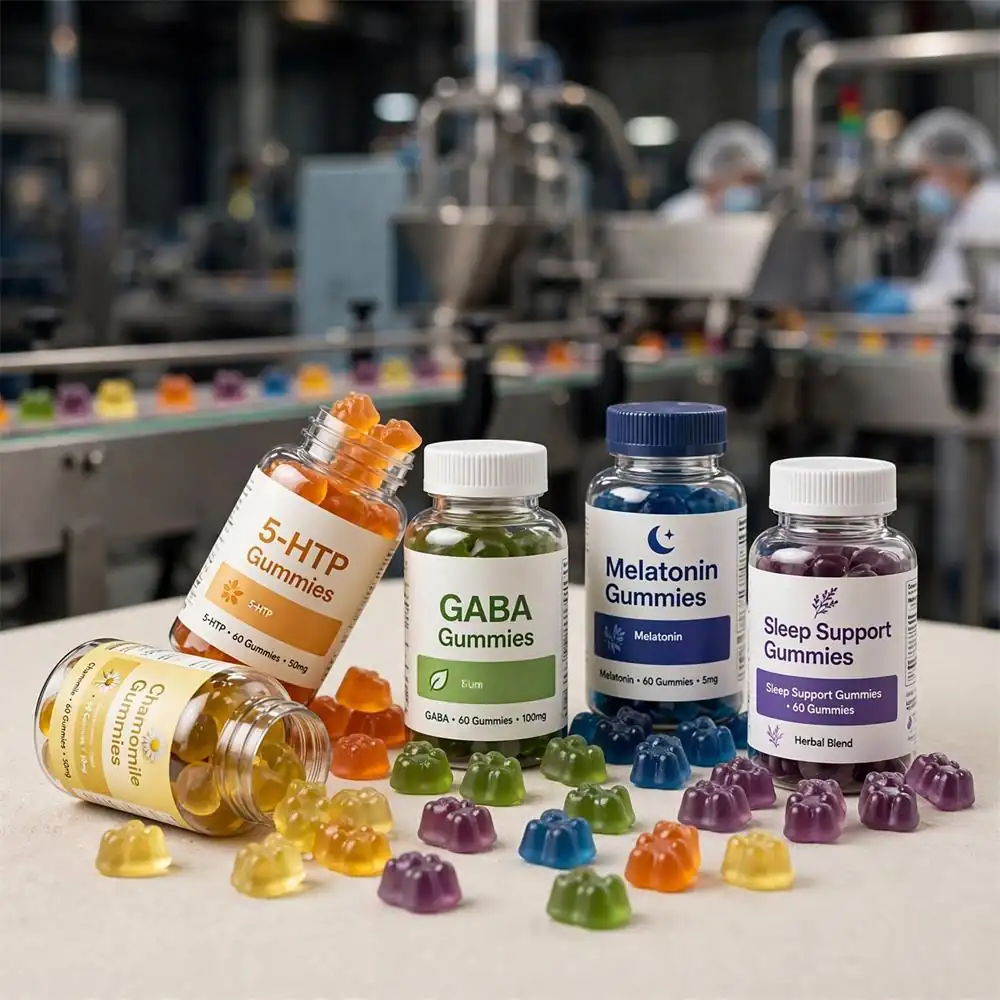
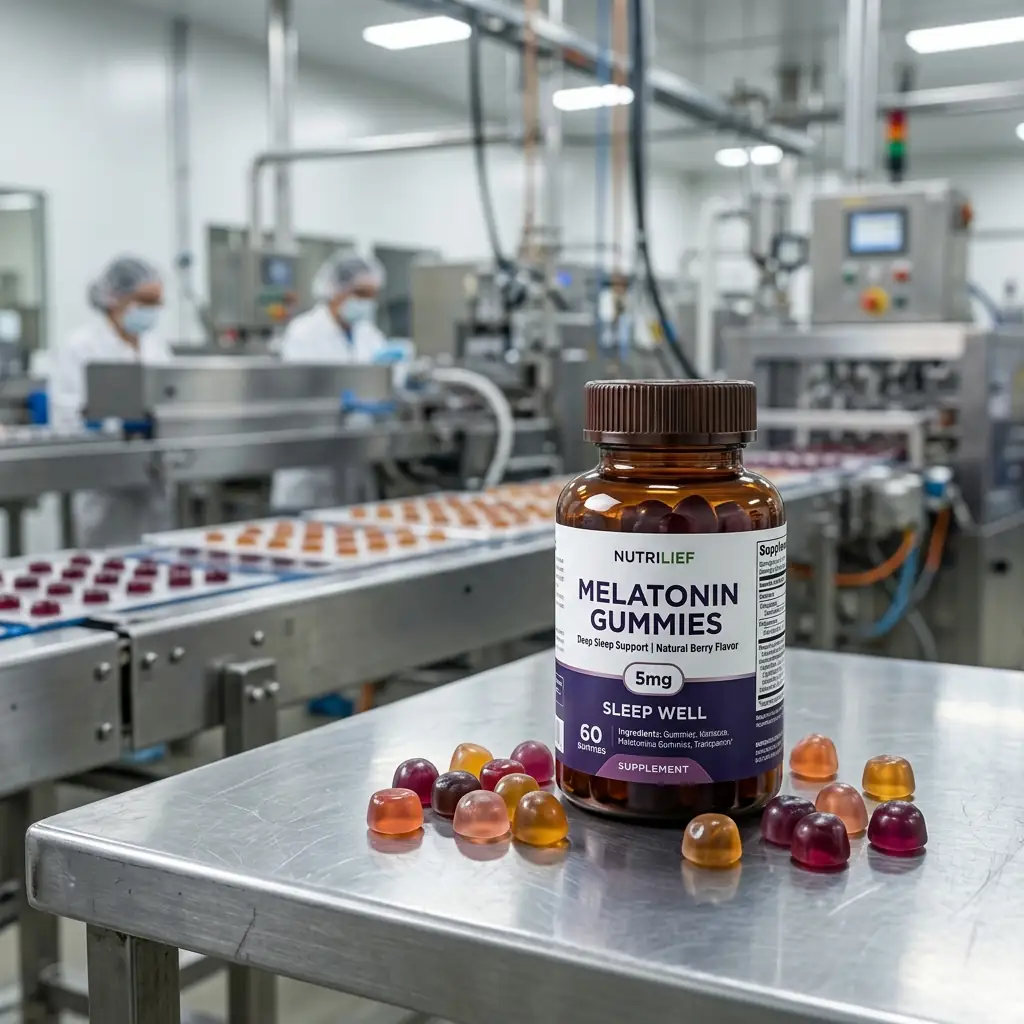
| Manufacturing Process Highlights | Formulation and flavor masking, cooking and mixing, molding, depositing, drying/curing, coating, packaging |
| Quality Standards | GMP, ISO9001, ISO22000, HACCP, third-party batch testing |
| Packaging Options | Bottles, stand-up pouches, blister packs, custom private label packaging |
| Scalability & Production Capacity | Supports trial batches through large-scale commercial runs depending on manufacturer capacity |
| Storage & Logistics Considerations | Cool, dry storage to maintain texture; moisture-resistant packaging for export shipments |
Practical Insights (B2B-Focused)
Manufacturing quality and process control: Consistent texture, accurate dosing, and shelf stability depend on tightly controlled cooking temperatures, humidity, and curing time during production.
Raw material sourcing transparency: Brands should request documentation on creatine source and purity, as well as supplier certificates of analysis for each production batch.
Production scalability and lead time: Lead times vary based on formulation complexity, order volume, and whether custom molds or packaging are required; brands should confirm timelines early in the sourcing process.
Compliance and documentation readiness: A reliable manufacturer should be able to supply GMP certificates, ingredient specification sheets, and stability data on request.
Cost structure considerations: Costs are influenced by creatine concentration per gummy, flavor system complexity, order volume, and packaging customization; brands should request itemized quotes for clarity.
Evaluating a reliable supplier: Look for manufacturers with documented experience in functional gummy categories, transparent communication, and willingness to share batch and quality records.
B2B Decision Guide
How brands choose the right manufacturer: Brands typically compare manufacturers on certification status, formulation capability, MOQ flexibility, and responsiveness during the sampling phase.
What matters in OEM/ODM projects: Clear communication on formulation ownership, intellectual property handling, and packaging design support are key factors in OEM/ODM engagements.
How to assess production capability: Request facility certifications, ask about daily and annual production capacity, and review sample batches before committing to a full order.
Key criteria for long-term partnerships: Consistency across batches, transparent pricing, and a manufacturer’s ability to support future formulation changes are important for sustained collaboration.
Risk control and quality assurance checkpoints: Establishing agreed-upon testing protocols, batch documentation, and clear specifications at the contract stage helps reduce quality risk over time.
Conclusion
Developing a creatine gummy line is a structured process that combines formulation science with reliable contract manufacturing. For brands evaluating this format, the central business consideration is not simply whether to make gummies, but whether a manufacturing partner can consistently deliver accurate dosing, stable shelf life, and documentation that supports compliance across target markets. A disciplined sourcing and evaluation process reduces risk and supports a smoother path to market.
FAQ
What does it mean to create creatine gummies for a brand?
It refers to the process of formulating, testing, and manufacturing a chewable gummy product that delivers a measured dose of creatine, typically through a contract manufacturer offering OEM/ODM services.
Why does this process matter for supplement brands?
It allows brands to enter or expand within the sports nutrition category using a format that many consumers find easier to consume than powders or capsules.
How do creatine gummies compare to powder or capsule alternatives?
Gummies offer pre-measured, easy-to-consume dosing but typically carry a lower per-unit creatine load than powder servings, often requiring multiple gummies per serving.
What should businesses consider before sourcing creatine gummies?
Businesses should review a manufacturer’s certifications, minimum order quantities, formulation flexibility, and documentation practices before placing an order.
What quality standards typically apply to creatine gummy manufacturing?
Common standards include GMP, ISO9001, ISO22000, and HACCP, along with third-party batch testing where required by the target market.
Can creatine gummies be produced as a private label product?
Yes, many contract manufacturers offer private label creatine gummies as part of their OEM/ODM services, including custom flavor, packaging, and branding options.
About Gothink Biotech
Shenzhen Gothink Biotech Co., Ltd. is a GMP-certified contract manufacturer specializing in gummy, capsule, tablet, powder, and liquid supplement production, offering OEM, ODM, CMO, and CDMO services. The company operates a 100,000-class cleanroom and a 10,000-class pharmaceutical-grade R&D laboratory, with a daily production output of 16 tons and an annual capacity of 5,000 tons. Gothink Biotech holds certifications including ISO9001, ISO22000, HACCP, FDA, HALAL, GMP, KOSHER, and Vegan, and provides flexible MOQ options to support both trial orders and large-scale production. As a custom gummy manufacturer, the company supports formulation development, packaging customization, and compliance documentation for brands seeking long-term B2B manufacturing partnerships, including the development of chewable creatine gummies and other functional gummy formats.