
Abstract
The dietary supplement industry is undergoing a significant transformation, driven by a global shift toward functional delivery formats like gummies. For entrepreneurs and established wholesalers looking to start a supplement brand, the path from a conceptual formula to a market-ready product involves navigating complex regulatory landscapes, scientific R&D, and manufacturing logistics. This guide provides a professional perspective on building a credible brand, emphasizing the necessity of pharmaceutical-grade production standards and the strategic advantages of partnering with an experienced gummies manufacturer.
1. Market Research and Niche Identification
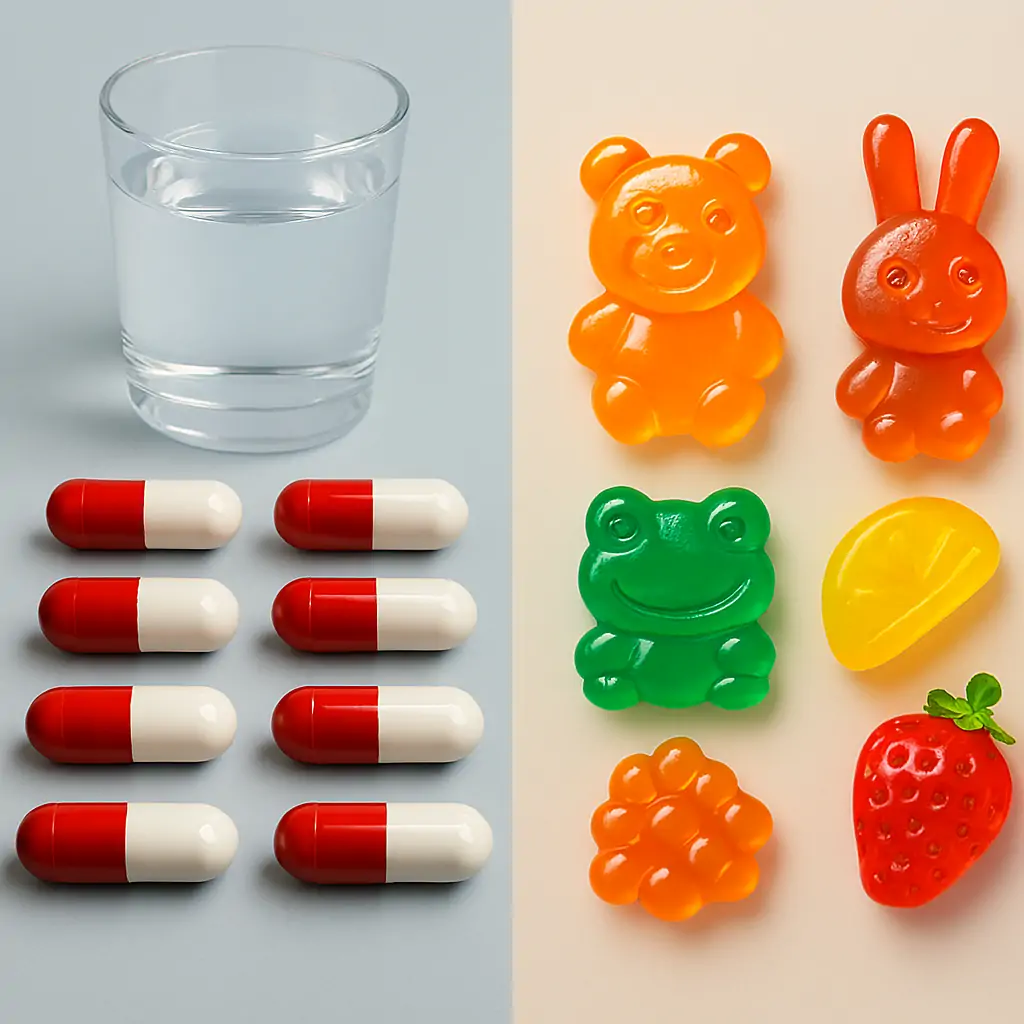
The first step to start a supplement brand is identifying a specific consumer need. The market is currently moving away from “pill fatigue,” with a high demand for convenient, tasty delivery systems. Whether focusing on multivitamins, herbal-infused wellness products, or specialized vegan options, a brand’s success depends on its ability to offer a unique value proposition. Understanding whether your target audience prefers pectin-based vegan formulas or traditional gelatin-based textures is a critical early-stage decision that impacts both sourcing and marketing.
2. Scientific Formulation: Beyond the “Candy” Perception
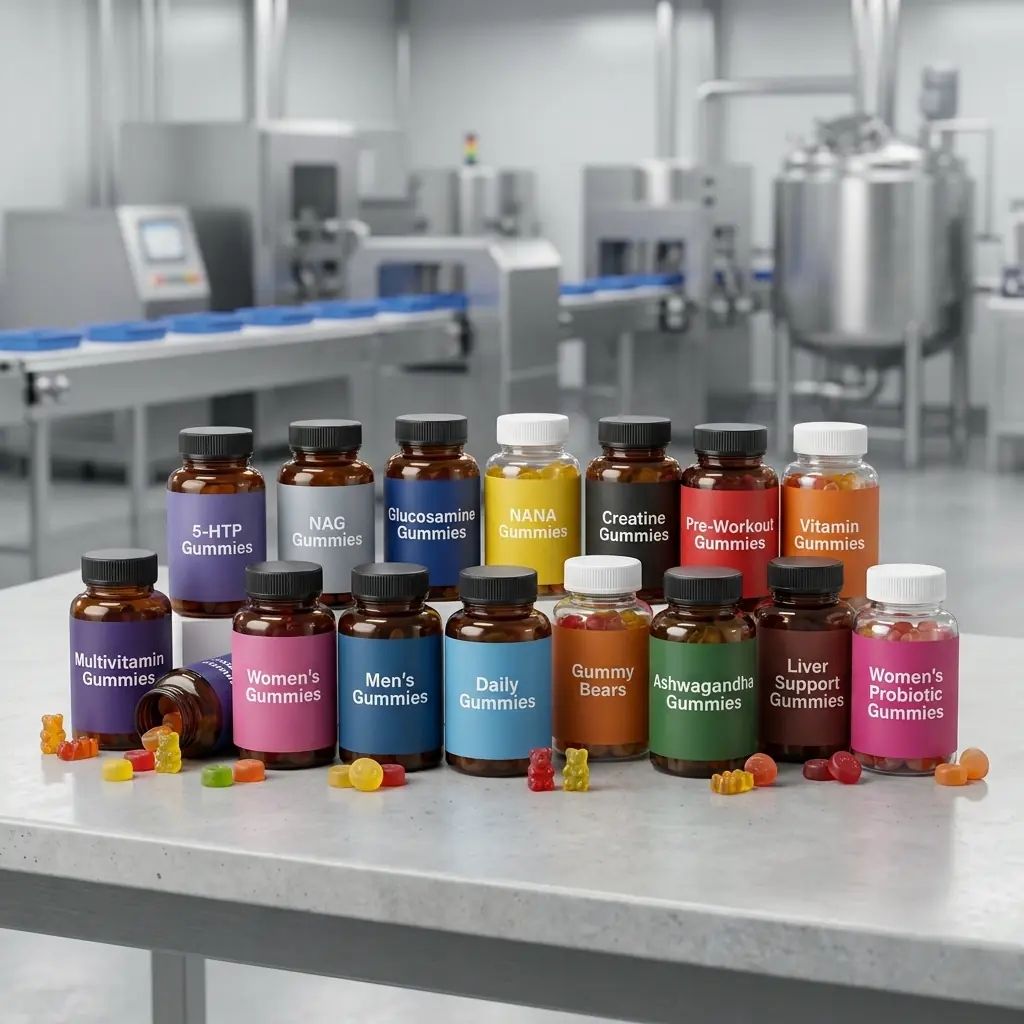
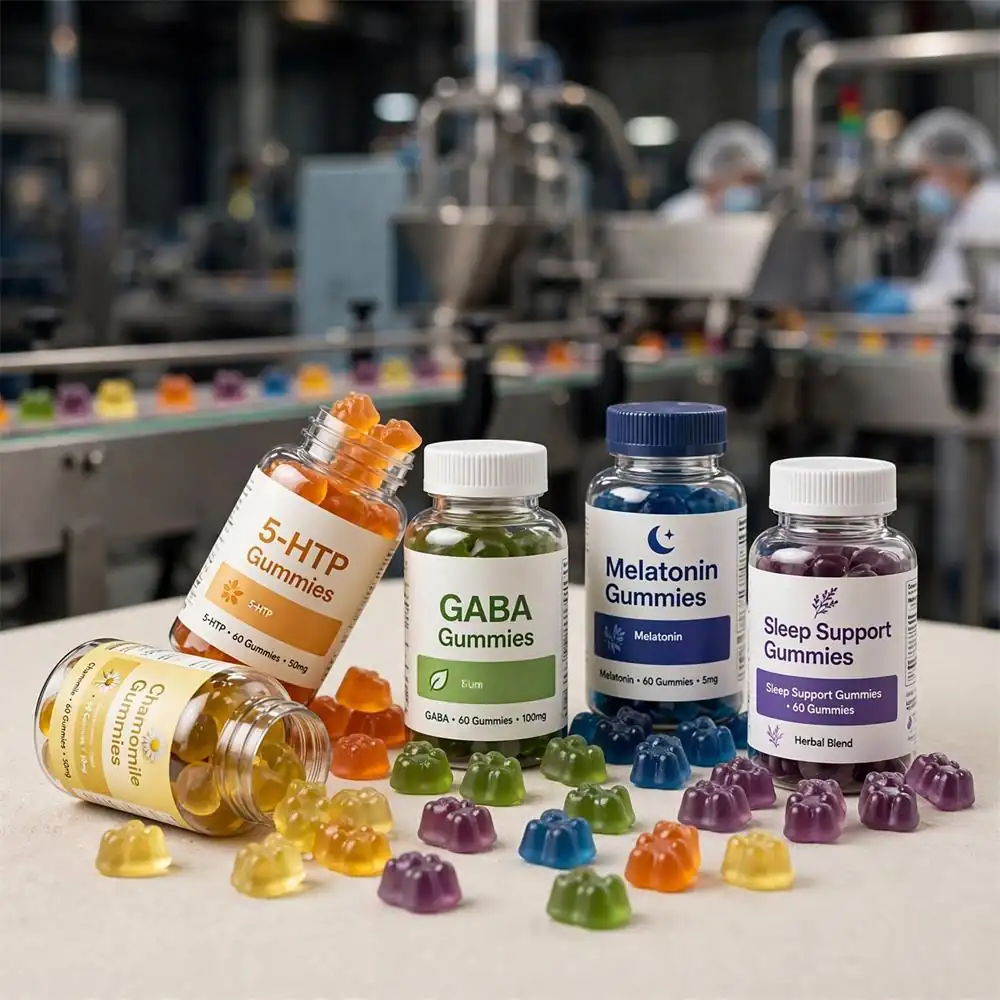
A common pitfall when launching Private Label gummies is treating the product as a confection rather than a health tool. Professional brand building requires deep scientific expertise. At the R&D level, experts—often with backgrounds in structural biology and biochemistry—must ensure that active ingredients like vitamins or plant extracts remain stable and bioavailable throughout the production process. A robust brand is built on formulas that have undergone rigorous research—sometimes involving thousands of iterations annually—to ensure that the potency on the label matches the content in the gummy.
3. Selecting a Manufacturing Partner: Quality and Compliance
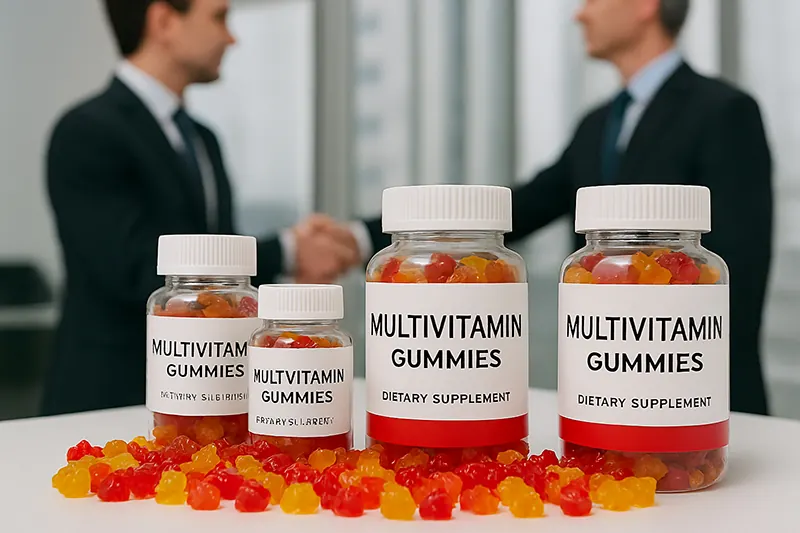
The integrity of your brand is only as strong as your manufacturer’s facility. When evaluating a gummies manufacturer, business owners should look for specific indicators of authority and trust:
-
Certifications: Ensure the facility holds international standards such as FDA registration, GMP (Good Manufacturing Practice), ISO22000, and HACCP.
-
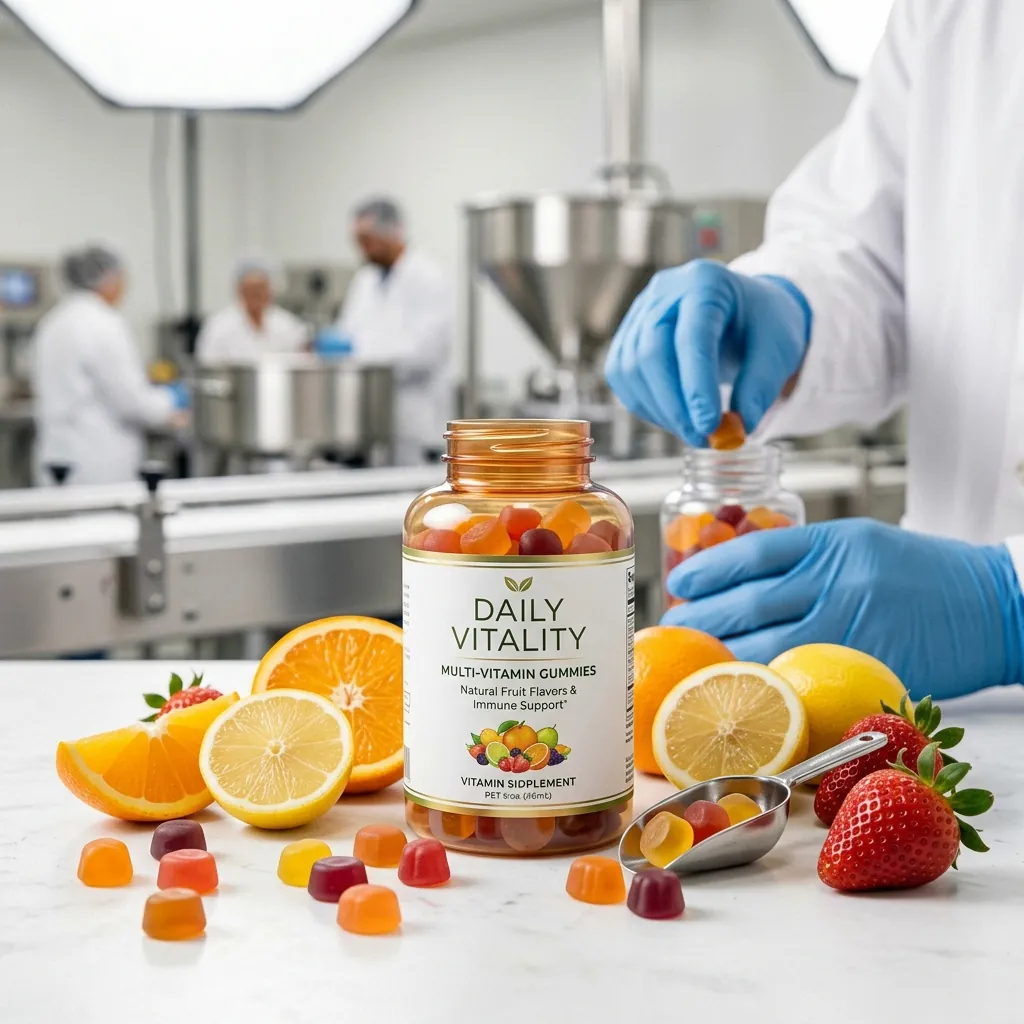
Environment: Production should occur in high-standard environments, such as 100,000-class cleanrooms, to prevent contamination.
-
Transparency: A reliable partner provides clear documentation and adheres to pharmaceutical-grade R&D standards, which is essential for building long-term consumer trust.
4. The Production Journey: From Slurry to Shelf
Understanding the technical stages of production helps brands manage expectations and quality control:
-
Mixing and Solubilization: Ingredients are blended in temperature-controlled environments to ensure purity.
-
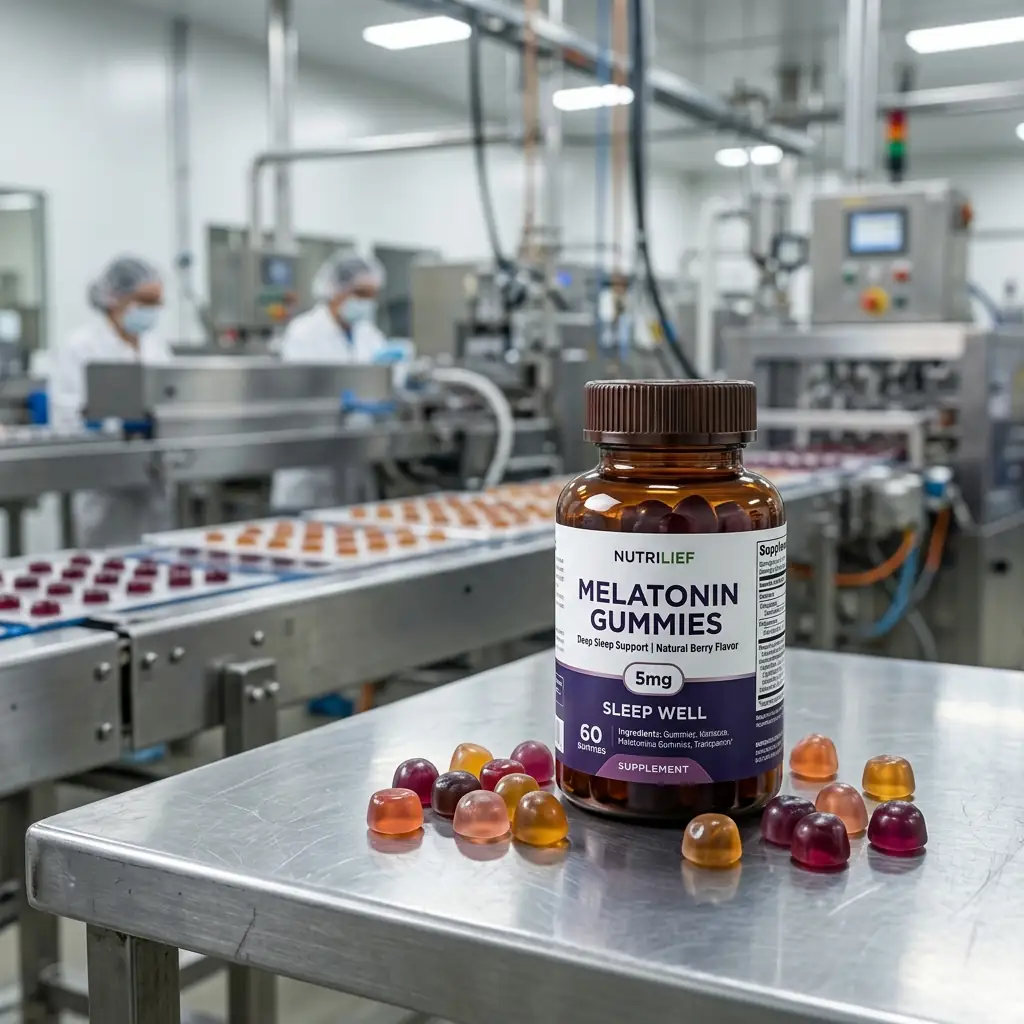
Molding and Deposition: The mixture is deposited into precise molds. This stage allows for customization in shapes and sizes to reinforce brand identity.
-
Curing and Drying: Gummies must be dried in controlled rooms to achieve the correct moisture level and shelf stability.
-
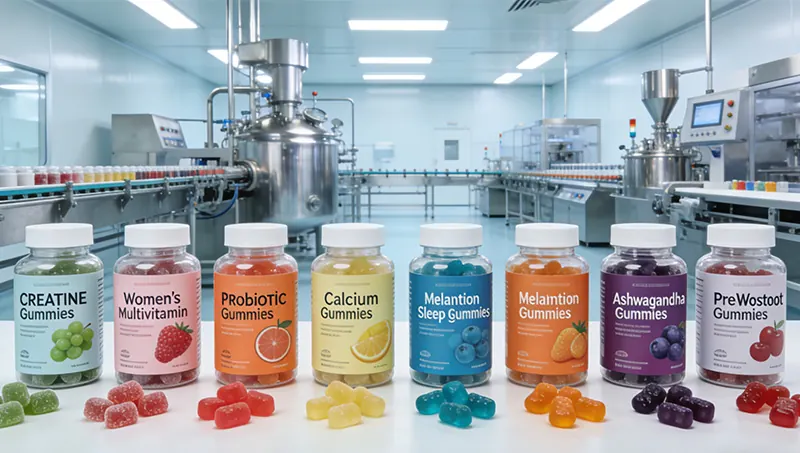
Turnkey Solutions: Many brands benefit from “End-to-End” services, which include everything from raw material sourcing and custom flavoring to final packaging and export compliance.

5. Scaling and Operational Flexibility
Growth-oriented brands require a partner that can handle both small-scale trial runs and high-capacity mass production. A facility with a high daily output (e.g., 16 tons) ensures that as your brand gains traction, your supply chain remains uninterrupted. Flexibility in Minimum Order Quantities (MOQs) is also vital for startups looking to test market response without excessive initial capital risk.
Summary
Successfully starting a supplement brand requires a balance of market intuition and rigorous industrial science. By prioritizing pharmaceutical-grade manufacturing, stable formulations, and international compliance, brands can transition from being mere “market entrants” to becoming trusted authorities in the health and wellness space. Choosing to work with an experienced gummies manufacturer for your Private Label gummies provides the technical foundation necessary to turn an innovative idea into a reliable, consumer-ready product.
FAQ: Professional Insights for New Supplement Brands
Q: Is it better to start with vegan or gelatin-based gummies? A: This depends on your target market. Vegan gummies, typically made with pectin or carrageenan, appeal to a broader demographic and meet the growing demand for plant-based supplements.
Q: How do I ensure my supplements meet FDA and international standards? A: Your manufacturing partner must operate a GMP-certified facility and provide the necessary documentation for your specific target market. Certifications like ISO, HALAL, and KOSHER further enhance brand credibility.
Q: Can I customize the flavor and sugar content of my Private Label gummies? A: Yes. Professional manufacturers offer extensive customization, including low-sugar, sugar-free, and natural flavor profiles to meet specific dietary trends.
Q: What is a “Turnkey Solution” in supplement manufacturing? A: It is a comprehensive service where the manufacturer handles the entire process—from initial formula design and ingredient sourcing to manufacturing, packaging, and regulatory support—allowing the brand owner to focus on marketing and sales.