
Abstract
Creatine is one of the most researched dietary supplements, renowned for supporting muscle strength, endurance, and recovery. With the rise of convenient formats like gummies, many fitness enthusiasts wonder: do creatine gummies work as effectively as traditional powder? The answer is yes—when formulated correctly with high-quality creatine monohydrate, creatine gummies can deliver comparable benefits. This article explores the science behind creatine gummies, their absorption, pros and cons compared to powder, and key considerations for supplement brands and manufacturers. As experienced gummy manufacturers, we provide insights into producing reliable, effective gummies supplements that meet consumer demands while adhering to strict quality standards.

What Is Creatine and How Does It Work?
Creatine is a naturally occurring compound found in muscle cells, primarily as creatine monohydrate, the most studied and effective form. It helps regenerate ATP (adenosine triphosphate), the energy currency for high-intensity activities like weightlifting and sprinting.
Extensive research, including hundreds of peer-reviewed studies, shows that consistent creatine supplementation (3-5 grams daily) increases muscle creatine stores by 20-40%, leading to improved strength, power output, lean muscle mass, and faster recovery. These benefits accumulate over time, making daily adherence crucial.
Whether in powder or gummy form, creatine monohydrate remains the gold standard. The key to effectiveness lies in delivering an adequate dose consistently, not the delivery method itself.

Do Creatine Gummies Really Work? The Science of Effectiveness
Yes, creatine gummies work effectively when they contain a clinically relevant dose of creatine monohydrate and maintain ingredient stability.
Scientific evidence overwhelmingly supports creatine monohydrate’s efficacy, with no direct head-to-head studies needed to prove gummies’ inferiority—absorption profiles are similar once digested. The body breaks down the gummy matrix, releasing creatine for uptake in the intestines, much like dissolved powder.
Experts note that as long as the daily intake reaches 3-5 grams, results are comparable. Gummies may have slightly delayed digestion due to the gel base, but this does not impact overall muscle saturation or performance gains when taken regularly.
However, real-world effectiveness depends on product quality. Independent testing has revealed variability in some brands, highlighting the importance of precise gummy manufacturing to prevent degradation during production.
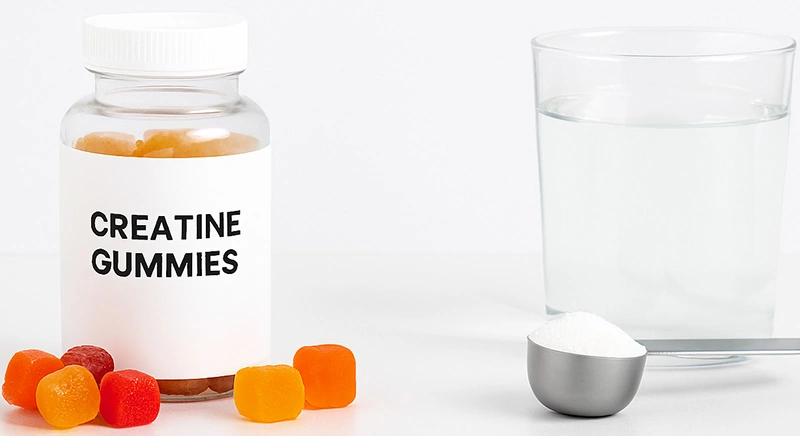
Creatine Gummies vs. Powder: Pros, Cons, and Absorption Comparison
Both formats can elevate muscle creatine levels effectively, but they differ in convenience, cost, and user experience.
Pros of Creatine Gummies:
- Convenience and Portability: No mixing required—ideal for on-the-go lifestyles, travel, or busy schedules.
- Taste and Compliance: Delicious flavors encourage consistent use, addressing a common issue with unflavored powder.
- Pre-Measured Dosing: Easier for beginners to hit target intake without scoops.
Cons of Creatine Gummies:
- Dosage Limitations: Many serve 1-3 grams per portion, requiring multiple gummies for a full 5-gram dose.
- Higher Cost: Typically more expensive per serving than bulk powder.
- Potential Added Sugars: Some include sweeteners for palatability.
Pros of Powder:
- Flexibility and Cost-Effectiveness: Precise dosing, lower price per gram, and easy stacking with shakes.
- Faster Initial Absorption: Dissolves quickly in liquid.
Absorption Insights:
Powder may absorb slightly faster when mixed, but gummies provide equivalent bioavailability over time. Creatine builds gradually in muscles, so minor differences in speed are negligible. Quality gummy manufacturers use stabilized formulations to ensure full potency.
For private label gummy brands or wholesalers, gummies supplements offer a market edge by appealing to consumers seeking enjoyable, mess-free options.
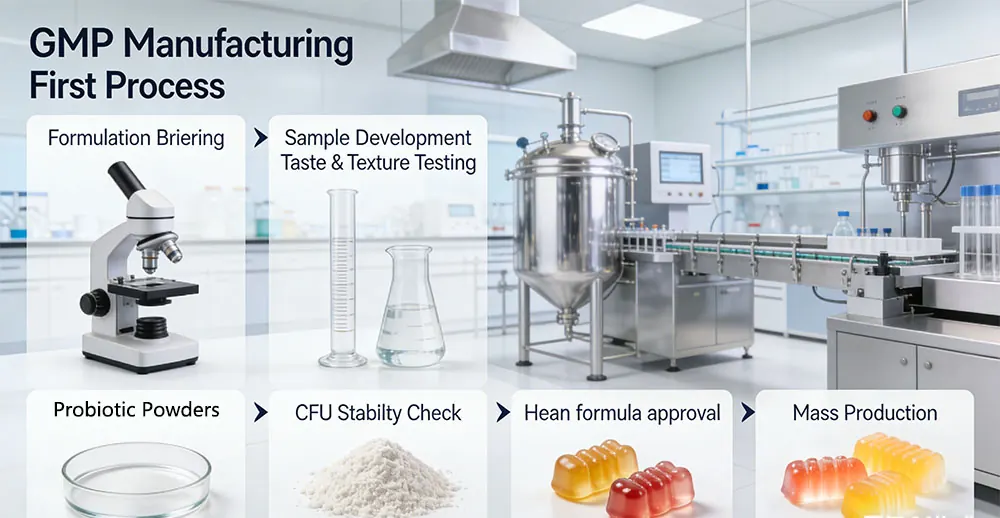
Challenges in Creatine Gummy Manufacturing and How Experts Overcome Them
As a dedicated gummy manufacturer specializing in dietary supplements, we’ve seen firsthand the unique hurdles in producing effective creatine gummies.
Creatine monohydrate is sensitive to heat, moisture, and pH during production, risking degradation into inactive creatinine. Traditional gummy processes involve heating, which can compromise stability if not managed expertly.
Reputable manufacturers address this through:
- Low-temperature processing and specialized stabilizers.
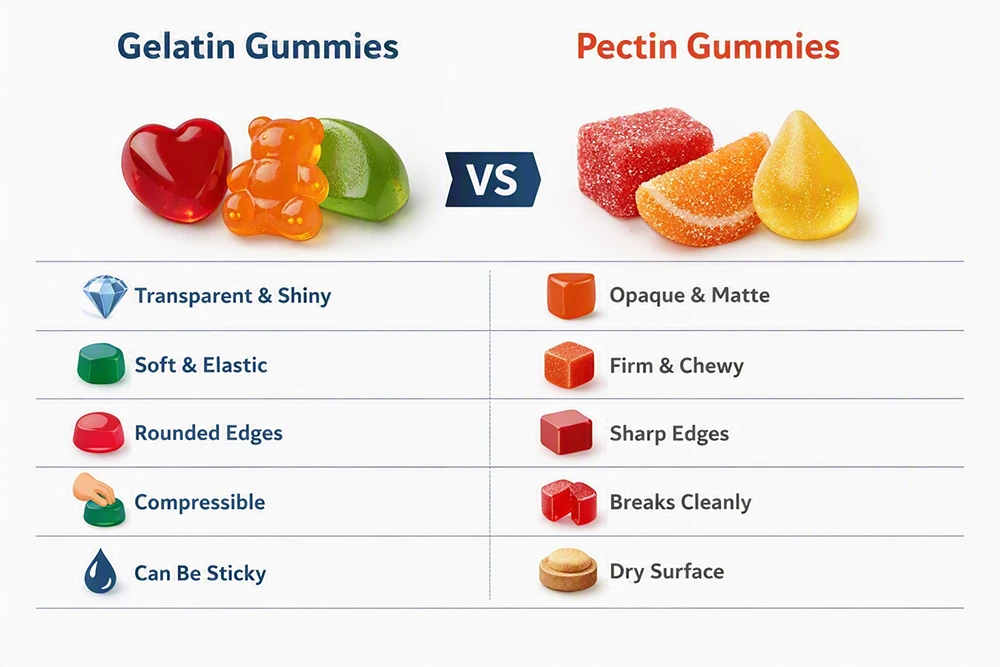
- Pectin or gelatin bases optimized for even distribution.
- Rigorous third-party testing (e.g., HPLC) for potency, heavy metals, and microbial safety.
Partnering with an experienced gummy manufacturer ensures consistent, high-potency products. We offer private label gummy solutions, OEM services, and wholesale options, helping brands deliver trustworthy gummies supplements that stand out in a competitive market.
Tips for Choosing High-Quality Creatine Gummies as a Supplement Brand
For merchants offering private label gummy or wholesale gummies supplements:
- Prioritize brands with third-party verification and transparent COAs.
- Look for 3-5 grams per serving of Creapure® or micronized creatine monohydrate.
- Opt for minimal added sugars and natural flavors.
- Choose manufacturers compliant with cGMP standards for reliability.
High-quality creatine gummies not only work—they drive customer loyalty through superior taste and results.

Summary
Creatine gummies do work effectively, matching powder’s benefits in strength, muscle growth, and recovery when properly formulated with adequate dosing. Their convenience and appeal make them a growing favorite, despite manufacturing challenges that demand expertise. For dietary supplement merchants, partnering with a professional gummy manufacturer unlocks opportunities in private label gummy production, ensuring products that are potent, tasty, and trustworthy. Invest in quality gummy manufacturing to provide real value to your customers.
FAQ
1. Do creatine gummies work as well as powder?
Yes, when providing equivalent doses of creatine monohydrate. Consistency is key—both formats saturate muscles effectively over time.
2. How much creatine should I take daily from gummies?
Aim for 3-5 grams per day. Check servings carefully, as gummies often require multiple pieces.
3. Are there side effects with creatine gummies?
Similar to powder: possible mild bloating or stomach discomfort initially. Gummies may add minimal calories from sweeteners.
4. Why choose gummies over powder for my supplement line?
Gummies boost adherence with great taste and portability, ideal for private label gummy brands targeting convenience-focused consumers.
5. How can I ensure my creatine gummies are high quality as a wholesaler?
Work with experienced gummy manufacturers offering third-party testing, stable formulations, and cGMP compliance for reliable gummies supplements.