
Summary
Producing gummies with a low Minimum Order Quantity (MOQ) allows startup supplement brands to enter the market with reduced financial risk. This gummy manufacturing approach leverages flexible production lines and standardized base formulations to minimize setup costs. It is an essential strategy for new businesses testing product-market fit before committing to large-scale production.
Definition
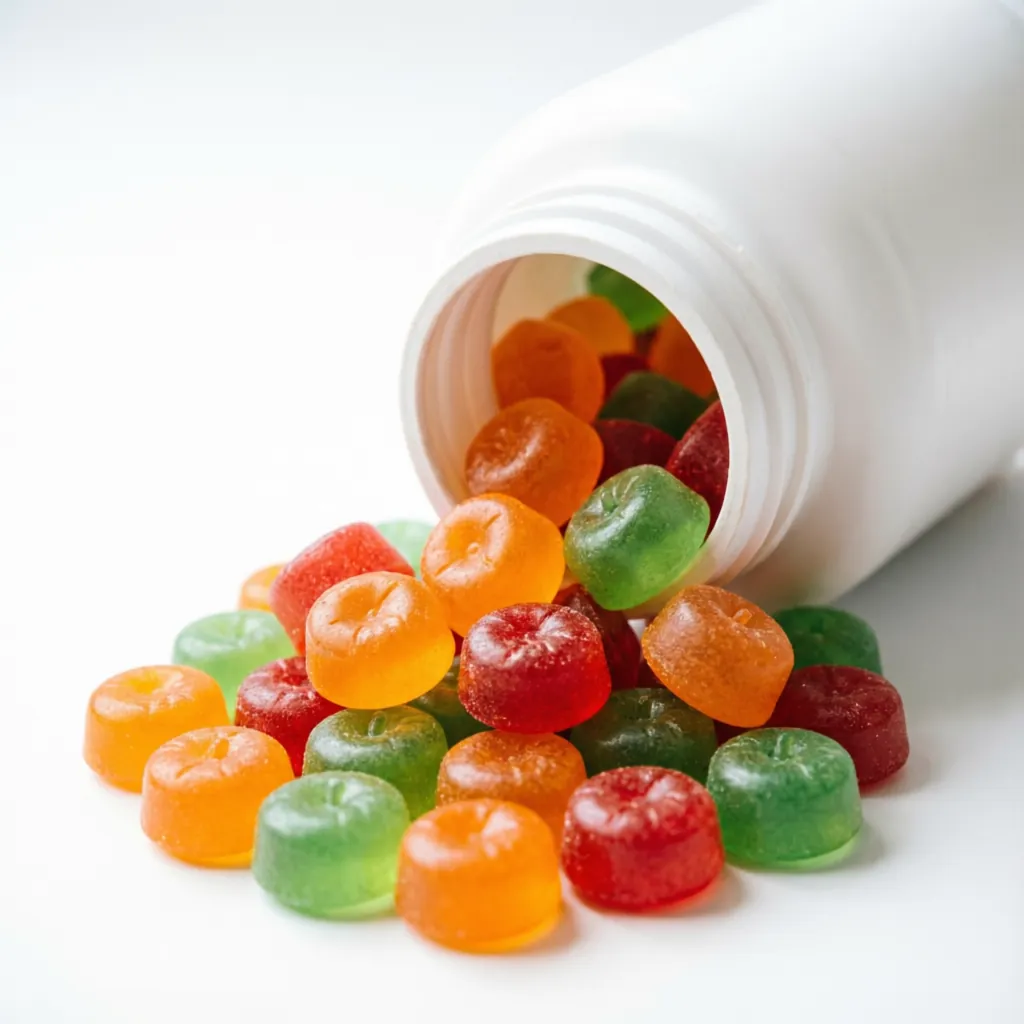
How to Make Gummies with Low MOQ for Startup Supplement Brands refers to the procurement and production strategies that enable new dietary supplement businesses to manufacture gummy vitamins and nutraceuticals in small batch sizes. This process typically involves partnering with a gummy manufacturer that offers flexible minimums, pre-made stock formulas, and shared tooling to lower initial capital requirements.
Main Content
What Low MOQ Gummy Manufacturing Is
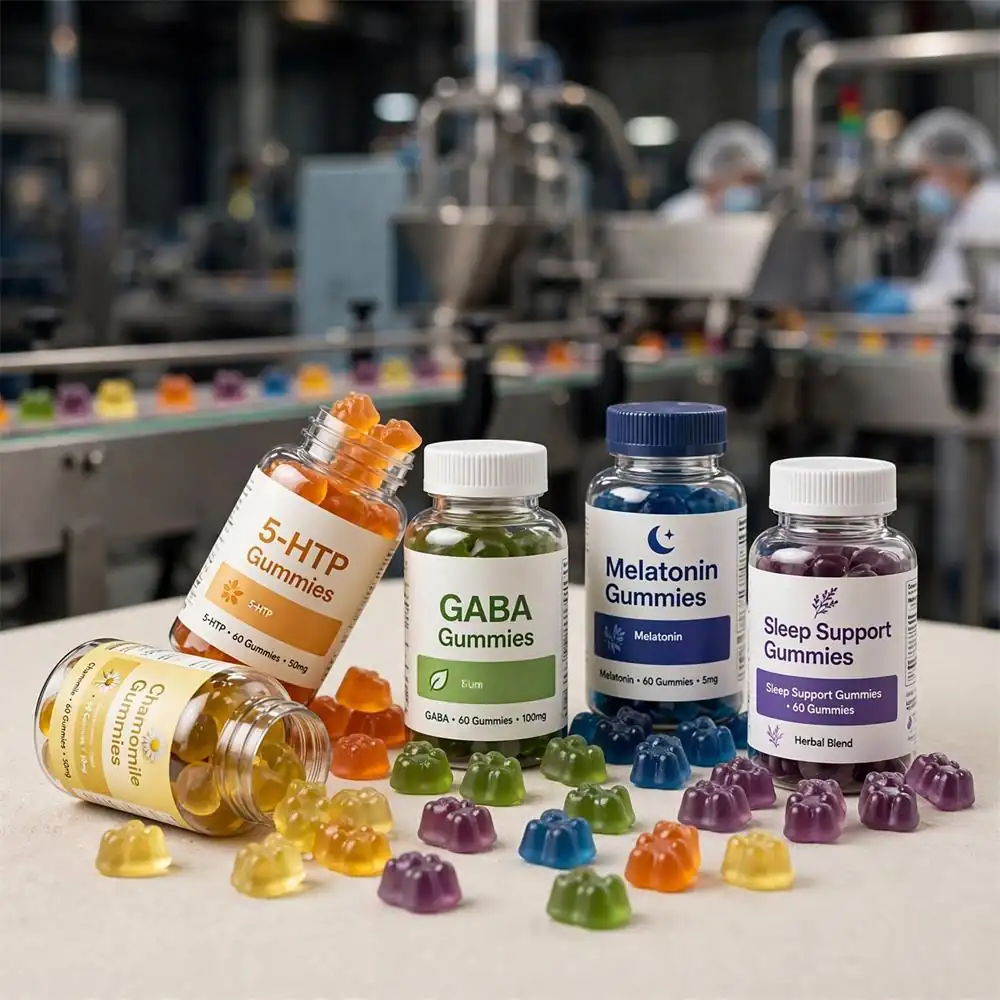
Low MOQ gummy manufacturing involves producing small quantities of gummy supplements, typically ranging from 1,000 to 10,000 units per SKU. Instead of requiring massive production runs, manufacturers utilize modular equipment and pre-validated recipes to process smaller batches efficiently without compromising product integrity.
Industry Background and Origin
Historically, gummy production required high minimums due to the high setup costs of starch molding, cooking, and drying processes. As direct-to-consumer (DTC) e-commerce models grew, the demand for agile, startup-friendly manufacturing increased. Contract manufacturers adapted by developing standardized processes and stock formulations to accommodate smaller, more frequent runs.
Business Relevance
For startups, cash flow preservation is critical. Low MOQ production allows brands to allocate capital toward marketing, branding, and market validation rather than tying up funds in excess inventory. It shortens time-to-market, enabling brands to respond rapidly to consumer trends in the nutraceutical space.
Differences vs. Alternative Formats
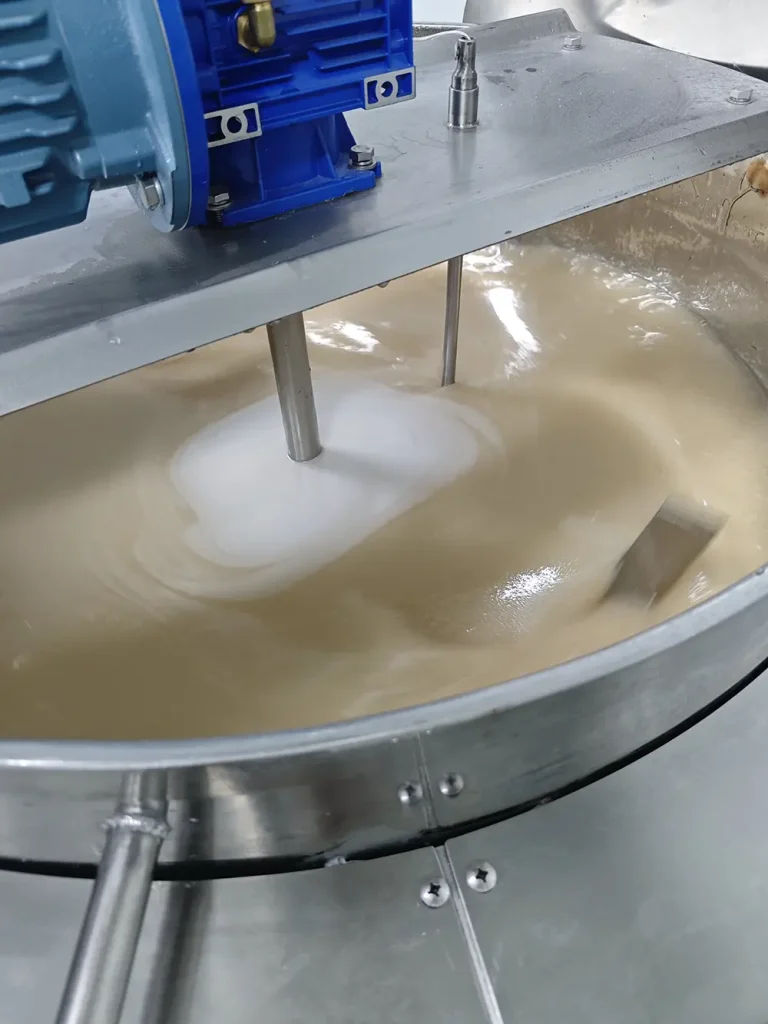
Capsules and powders have inherently lower setup costs, making low MOQs standard across the industry. Gummies, however, require specific thermal processing, gelling agents, and drying times. Low MOQ gummy manufacturing requires specialized equipment that can handle short runs without the massive material waste typically associated with large commercial kettles.
Key Advantages and Limitations
The primary advantage is risk mitigation, allowing brands to test multiple flavors or formulations simultaneously. Limitations include a higher cost per unit compared to bulk orders and restrictions on custom mold shapes. Startups usually must select from existing stock molds (e.g., bears, rings, fruits) to avoid expensive tooling fees.
Who Should Consider This
This approach is ideal for startup supplement brands, DTC e-commerce sellers, influencers launching personal brands, and established companies looking to test a new niche market. It is also suitable for small to mid-sized distributors conducting regional market trials.
Compliance and Regulatory Considerations
Batch size does not exempt a product from regulatory scrutiny. Low MOQ gummies must still be produced in cGMP (Current Good Manufacturing Practices) compliant facilities. Brands must ensure accurate nutritional labeling, proper allergen controls, and third-party testing for heavy metals and microbes, regardless of the production volume.
What to Evaluate Before Sourcing
Before engaging a supplier, brands should evaluate total costs (including hidden fees for setup or stock mold usage), lead times for small batches, minimums for multiple SKUs, and whether the manufacturer retains ownership of the stock formulations used.
Technical Parameter Table
| Parameter | Specification / Details |
|---|---|
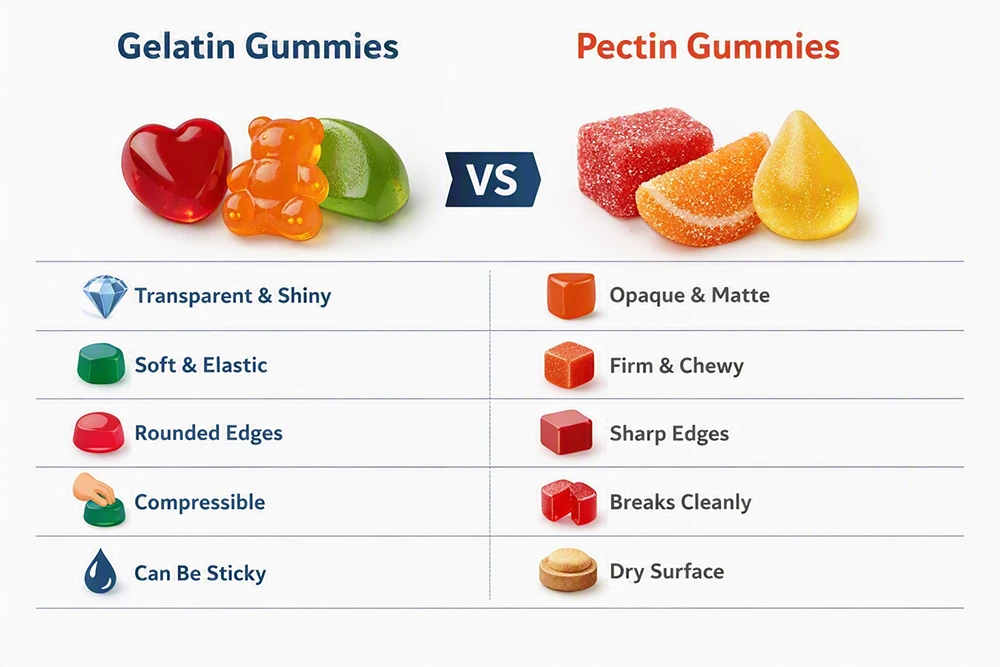
| Product Form | Pectin-based or gelatin-based gummies (standard stock shapes) |
| Key Materials / Ingredients | Base: Pectin/Gelatin, Glucose Syrup, Sucrose. Actives: Vitamins, Melatonin, Ashwagandha, etc. |
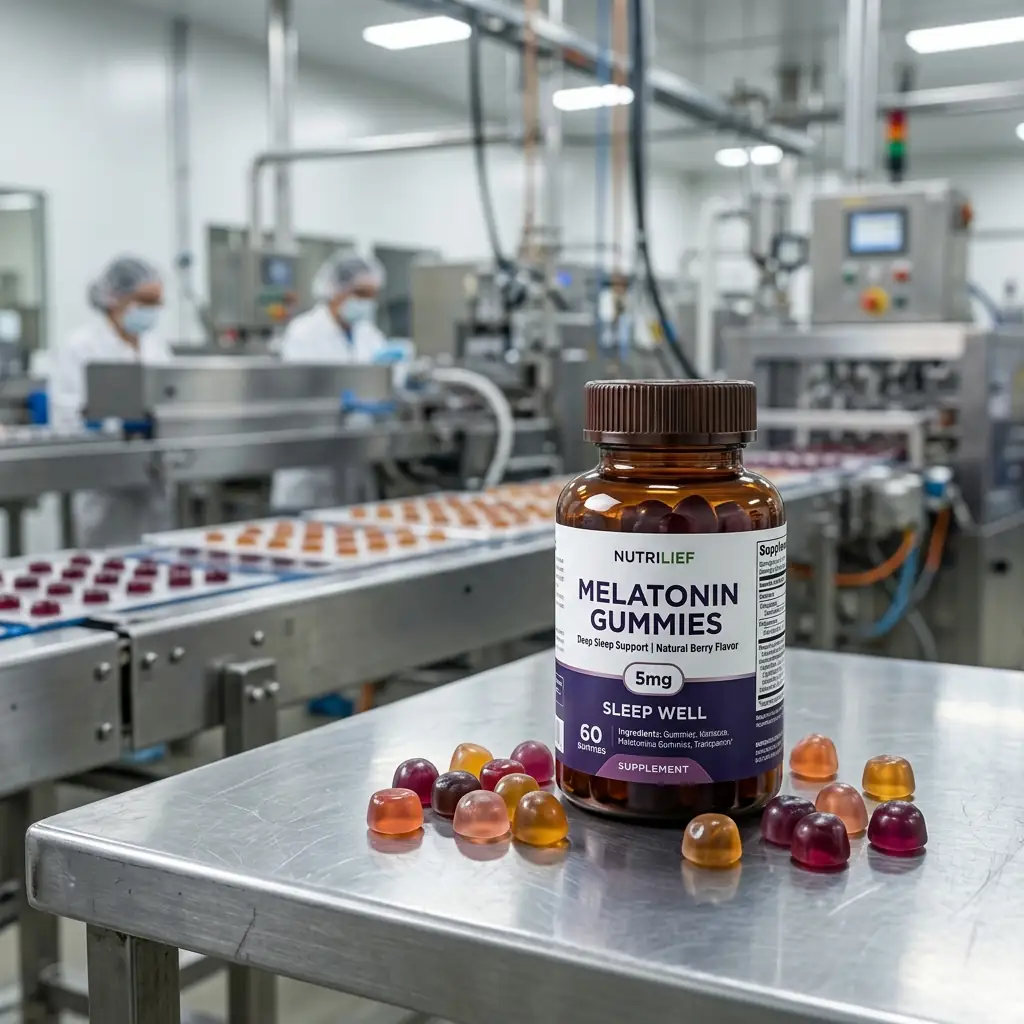
| Manufacturing Process Highlights | Batch cooking, precision depositing into starch molds, controlled drying, de-molding, oiling |
| Quality Standards | cGMP, ISO22000, HACCP, Third-party COA testing |
| Packaging Options | Stock pouches, bottles with child-resistant caps, blister packs |
| Scalability & Production Capacity | Scalable from 5,000 units (trial) to 500,000+ units (commercial) within the same facility |
| Storage & Logistics | Cool, dry storage (below 25°C, <50% RH); standard palletized freight for bulk shipments |
Practical Insights
Manufacturing Quality and Process Control
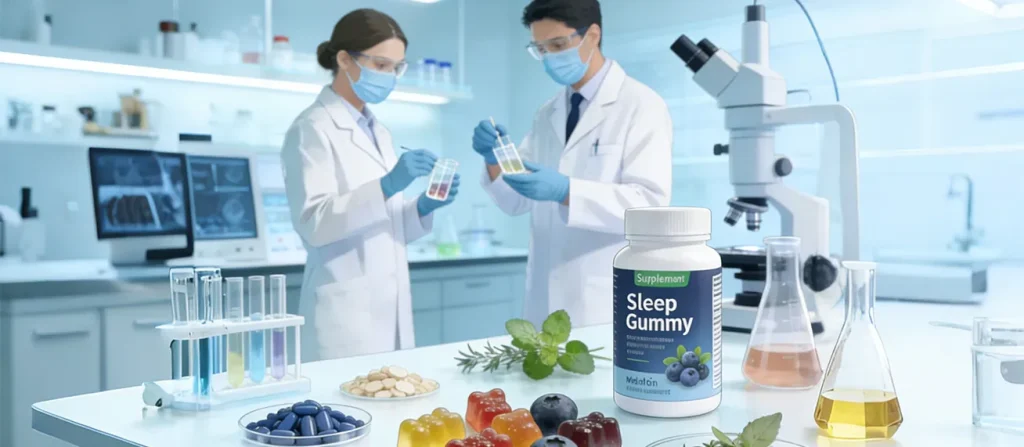
Even at low MOQs, strict process control is necessary to ensure uniform weight, texture, and active ingredient distribution. A reliable gummy manufacturer will use in-line dosing checks and standard operating procedures (SOPs) that apply equally to small and large batches.
Raw Material Sourcing Transparency
Low MOQ often relies on pre-sourced stock formulations. Brands must request full supply chain documentation for the active ingredients to ensure traceability, potency, and purity, even if the base formula is standardized.
Production Scalability and Lead Time
Startups should plan for lead times of 4 to 8 weeks for low MOQ runs, which include cooking, drying (the longest phase), packaging, and quality control. It is vital to confirm that the manufacturer can scale the exact same formulation without reformulation when order volumes increase.
Compliance and Documentation Readiness
Ensure the supplier provides complete documentation packets: Certificates of Analysis (COA), Specification Sheets, and Allergen Statements. These documents are mandatory for retail distribution and e-commerce platform compliance.
Cost Structure Considerations
The unit cost for a 5,000-unit gummy run will be significantly higher per piece than a 500,000-unit run due to the amortization of fixed costs like setup, cooking, and quality testing. Brands should factor this into their initial pricing strategy to maintain healthy margins.
How to Evaluate a Reliable Supplier
Look for manufacturers with a dedicated startup or small-batch program. Evaluate their communication speed, willingness to share facility audit reports, and transparency regarding tooling limitations and formulation ownership.
B2B Decision Guide
How Brands Choose the Right Manufacturer
Startups should prioritize manufacturers that explicitly advertise low MOQ capabilities without compromising cGMP compliance. Avoid facilities that treat small runs as an afterthought, as this often leads to delayed timelines and inconsistent quality.
What Matters in OEM/ODM Projects
For low MOQs, ODM (Original Design Manufacturing) using stock formulations is the most viable path. Custom OEM (Original Equipment Manufacturing) formulations often carry higher MOQs due to the R&D and validation required. Brands should clarify whether they have the rights to an ODM formula if they wish to switch manufacturers later.
How to Assess Production Capability
Request a facility tour (virtual or in-person) to observe the depositing and drying rooms. Assess whether they use modern, precise depositing equipment or outdated methods that result in higher weight variances and waste.
Key Criteria for Long-Term Partnerships
Select a partner capable of supporting your brand from the startup phase through to enterprise-level distribution. This means verifying their maximum production capacity, their ability to handle custom packaging at scale, and their track record of regulatory compliance in your target export markets.
Risk Control and Quality Assurance Checkpoints
Establish clear checkpoints: pre-production formula approval, post-production COA review, and pre-shipment sample confirmation. Ensure the contract includes clauses for batch failure, where the manufacturer assumes the cost of remanufacturing if the product fails third-party testing.
Conclusion
Low MOQ gummy manufacturing provides a strategic entry point for startup supplement brands, balancing market validation with financial prudence. By utilizing private label gummy models and pre-existing formulations, new businesses can bypass heavy capital expenditures. Selecting a scalable, compliant contract manufacturer ensures that initial small batches can seamlessly grow into established, high-volume product lines.
FAQ
What is low MOQ gummy manufacturing?
Low MOQ gummy manufacturing is a manufacturing service that allows brands to produce gummy supplements in small batch sizes, typically ranging from 1,000 to 10,000 units, to minimize initial inventory costs and financial risk.
Why does low MOQ matter for startup supplement brands?
It reduces the barrier to entry by lowering upfront capital requirements, allowing startups to test product-market fit, gather consumer feedback, and refine their branding before committing to large-scale production runs.
How does low MOQ gummy manufacturing compare to alternatives like capsules?
Capsules naturally have lower setup costs and are easier to produce in small batches. Gummies require thermal processing, molding, and drying, making low MOQ gummy manufacturing more complex and slightly more expensive per unit than capsules, though gummies offer higher consumer appeal.
What should businesses consider before sourcing low MOQ gummies?
Businesses should evaluate the total unit cost, lead times, mold limitations (stock vs. custom), formulation ownership rights, and the manufacturer’s ability to scale the exact recipe as the brand grows.
What quality standards apply to small-batch gummy production?
Small-batch gummies must adhere to the same regulatory standards as large batches, including cGMP, HACCP, ISO22000, and FDA dietary supplement regulations, alongside mandatory third-party testing for potency and contaminants.
This article is provided by Gothink Biology, a globally recognized dietary supplement manufacturer, offering.
Shenzhen Gothink Biology Technology Co., Ltd. is a global leading nutrition supplement supplier and dietary supplement manufacturer specializing in OEM, ODM, CMO, and CDMO services for health and wellness brands worldwide. With extensive industry expertise and international certifications including ISO9001, ISO22000, HACCP, FDA, HALAL, GMP, KOSHER, BRC, FSSC 22000, PJPH, and Vegan, we deliver high-quality custom formulation, contract manufacturing, and wholesale solutions for B2B clients across global markets.
For more information, please visit our official website: https://gttbio.com/ or contact our expert team.