
Abstract
Easter represents one of the most commercially significant seasonal windows in the dietary supplement and confectionery industries. As consumer interest in functional nutrition continues to grow, supplement brands and private label operators are increasingly exploring Easter-themed gummy products as a vehicle for both gifting and everyday wellness routines. This article examines the intersection of seasonal demand, gummy manufacturing considerations, and practical sourcing strategies for businesses evaluating gummies wholesale and private label gummies programs. Drawing on established industry knowledge in formulation science, regulatory compliance, and supply chain logistics, this guide is designed to help brands, retailers, and online sellers make informed decisions before entering the seasonal gummies market.

Why Easter Presents a Meaningful Window for Gummy Supplement Brands
Easter is no longer limited to chocolate eggs and candy baskets. Over the past several years, health-conscious consumers have begun incorporating functional products into gift-giving occasions, and gummies occupy a particularly favorable position in this shift. Their approachable format, customizable shapes and flavors, and association with enjoyable consumption make them a natural fit for seasonal gifting.
For supplement brands, this creates a practical opportunity: seasonal gummy SKUs can introduce new customers to an existing product line, reinforce brand identity through thematic packaging, and move gummies bulk inventory efficiently during a concentrated retail period.
That said, seasonal production carries its own planning requirements. Lead times, MOQ thresholds, packaging customization timelines, and regulatory label compliance all need to be addressed well before the selling season begins.
Understanding Gummy Manufacturing Fundamentals
Before entering the seasonal market, it helps to understand what goes into gummy supplement production at a foundational level.
Gelling Agents and Base Formulation
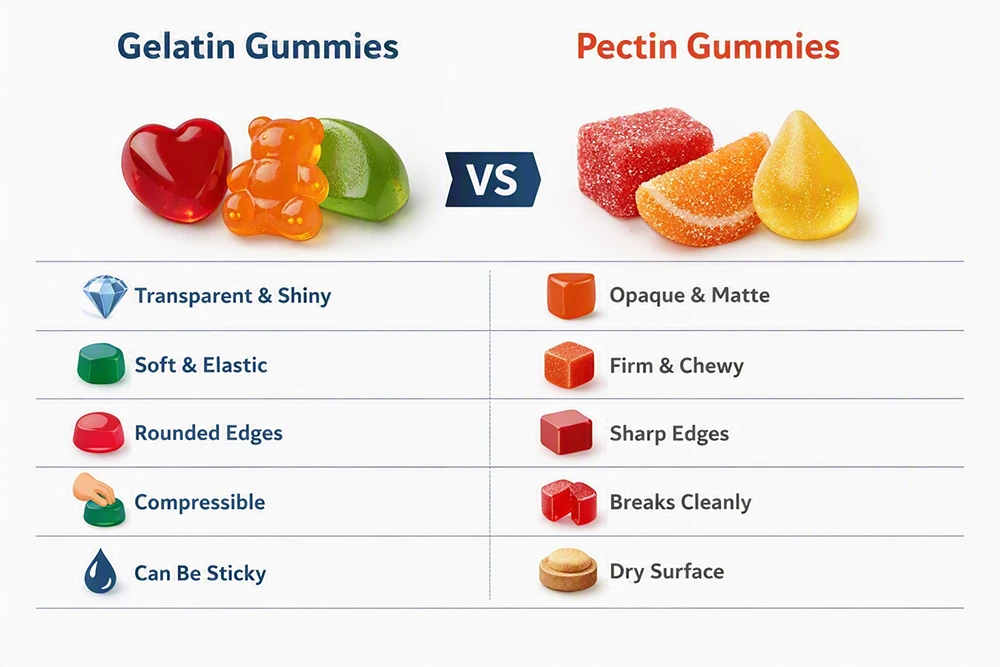
The two most common gelling agents used in supplement gummies are gelatin and pectin. Gelatin, derived from animal collagen, produces a classic chewy texture and is widely used in conventional gummies. Pectin, sourced from fruit peels, is the preferred choice for vegan formulations and tends to yield a slightly firmer, cleaner bite.
The choice of gelling agent affects not just texture but also how active ingredients behave during processing. Some heat-sensitive compounds, such as certain probiotics or enzymes, require lower-temperature processing to retain potency — a technical consideration that experienced gummy manufacturing partners will factor into their process design.
Active Ingredient Integration
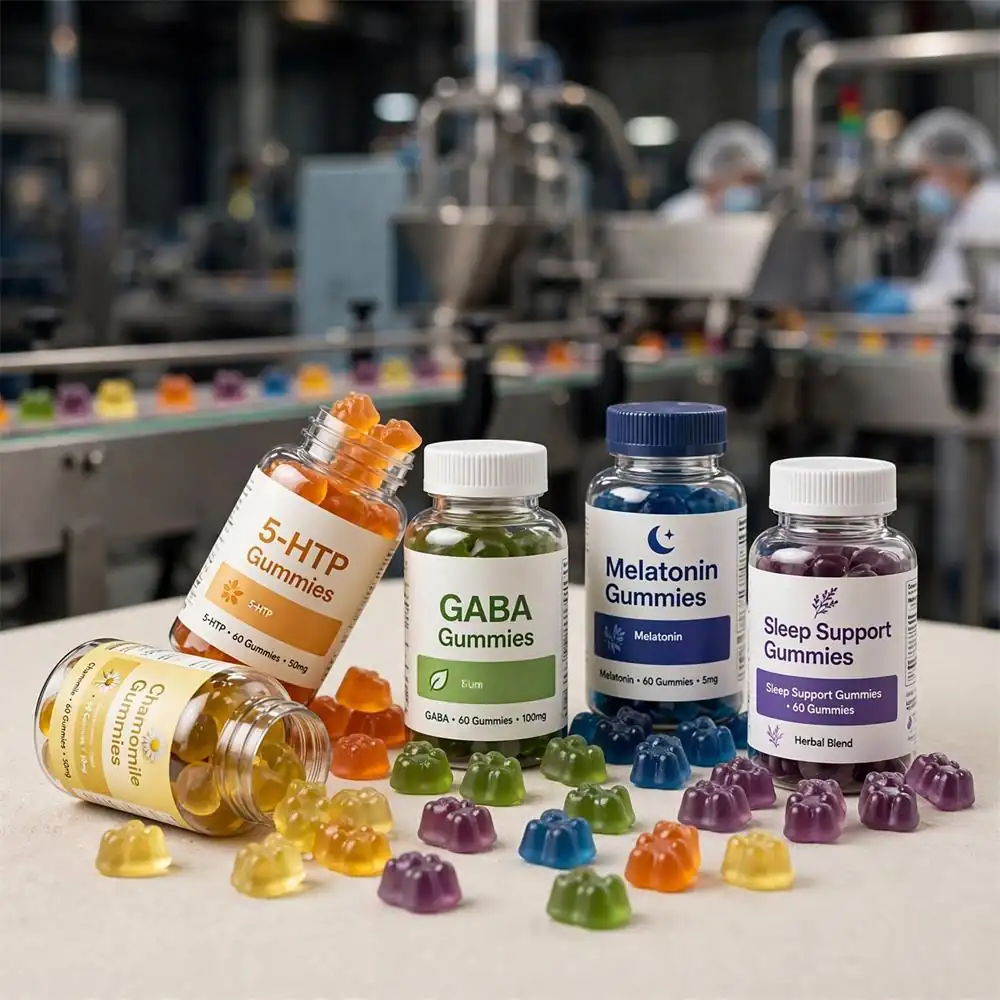
Gummies can carry a wide range of functional ingredients, including vitamins (A, C, D, B-complex), minerals (calcium, zinc, selenium), botanical extracts (ashwagandha, elderberry), amino acids (creatine), and sleep support compounds (melatonin). Each ingredient class presents its own formulation challenges around stability, bioavailability, taste masking, and regulatory compliance.
For Easter-themed products, brands often pair functional ingredients with seasonal flavor profiles — citrus, berry, tropical fruit — to create products that feel festive without compromising nutritional intent.
Shape, Color, and Sensory Design
One of the key differentiators in seasonal gummies manufacturing is visual customization. Easter-relevant shapes — eggs, bunnies, chicks, flowers — can be achieved through custom mold tooling. Natural colorants derived from fruit and vegetable concentrates are widely used to create vibrant palettes while aligning with clean-label positioning.
Flavor development is equally important. Consumer acceptance of supplement gummies is closely tied to taste, and brands entering new seasonal formats benefit from working with manufacturers that have demonstrated flavor R&D capability.
Private Label Gummies — What Brands Need to Know
Private label gummies programs allow businesses to bring products to market under their own brand identity without operating their own manufacturing facilities. This model is widely used by online sellers, specialty retailers, and emerging wellness brands.
What a Private Label Program Typically Covers
A standard private label gummies engagement with a contract manufacturer generally includes:
- Formulation selection or development: Choosing from existing validated formulas or developing a custom blend
- Label and packaging design compliance: Ensuring that all Supplement Facts panels, ingredient disclosures, and claim language meet applicable regulatory requirements (FDA in the U.S., for example)
- Minimum order quantities (MOQs): These vary significantly by manufacturer and product type; some facilities accommodate small trial runs while others are optimized for scale
- Quality control and testing: Third-party testing, certificate of analysis (COA) documentation, and stability data
- Export and logistics support: For brands sourcing internationally, this includes customs documentation, shipping coordination, and import compliance
For Easter-specifically, brands pursuing private label gummies should factor in seasonal timing: label artwork approval, mold tooling for custom shapes, and production scheduling all add lead time beyond a standard order.
Evaluating a Gummies Manufacturer
Not all gummy manufacturing facilities operate at the same standard. When evaluating potential partners, brands should look for:
- GMP certification: Good Manufacturing Practice compliance is foundational for supplement production safety and consistency
- Relevant food safety certifications: ISO 22000, HACCP, HALAL, KOSHER, and Vegan certifications indicate the facility’s ability to serve diverse market segments
- R&D infrastructure: A manufacturer with in-house formulation scientists can provide more meaningful product development support than one operating purely as a toll manufacturer
- Production capacity and scalability: Understanding a facility’s daily output and annual capacity helps brands assess whether the partner can grow alongside them
- Cleanroom standards: Pharmaceutical-grade cleanrooms (commonly classified as 100,000-class for dietary supplements) reduce contamination risk and support consistent quality output
Gummies Wholesale and Bulk Purchasing Considerations
For retailers, distributors, and brands managing inventory across multiple channels, gummies wholesale and gummies bulk purchasing programs offer cost advantages and supply chain predictability.
Pricing Structures in Bulk Gummy Orders
Bulk pricing in gummy supplement manufacturing typically reflects economies of scale across raw materials, manufacturing runs, and packaging. Buyers should request detailed cost breakdowns that distinguish:
- Active ingredient costs (which can vary significantly based on ingredient grade and sourcing)
- Manufacturing and labor costs
- Packaging materials (component costs differ between stock and custom packaging)
- Quality testing fees
- Freight and logistics
Seasonal products may carry premium tooling or setup costs for custom molds that are amortized differently across small versus large production runs.
Inventory Planning for Seasonal SKUs
Easter falls within a narrow retail window, and inventory planning for seasonal gummies requires careful coordination between production timelines and market demand forecasts. Brands that have successfully managed seasonal supplement SKUs typically:
- Begin production planning 3–5 months in advance of the target sell date
- Build in buffer inventory to accommodate any production or logistics delays
- Coordinate with retail partners or online platforms on listing timelines and promotional windows
- Plan end-of-season inventory disposition in advance to avoid margin erosion on unsold seasonal stock
Formulation Trends Relevant to Easter Gummies
Consumer preferences in the dietary supplement gummy category have evolved considerably, and brands developing seasonal products benefit from aligning with current trends rather than defaulting to legacy formulations.
Low-Sugar and Sugar-Free Options
As consumer awareness of sugar intake grows, demand for low-sugar and sugar-free gummy supplements has increased across demographics. Sugar alternatives such as allulose, erythritol, and xylitol are increasingly used in gummy formulations. Each alternative carries distinct textural and processing characteristics that influence the final product, and formulation expertise is important in achieving acceptable organoleptic properties without refined sugar.
Vegan and Allergen-Free Positioning
Pectin-based, vegan-certified gummies have moved from niche to mainstream positioning in many markets. Easter, as a broadly observed occasion across diverse consumer groups, represents a natural fit for inclusive product positioning. Allergen-free formulations — free from common allergens such as gluten, soy, and dairy — similarly broaden the addressable audience for seasonal gifting SKUs.
Functional Stacking and Combination Formulas
Rather than single-ingredient products, many brands are exploring combination formulas that address a broader wellness benefit profile. An Easter gummy might combine vitamin D3, vitamin K2, and calcium for bone support, or pair elderberry with vitamin C and zinc for immune function. These multi-ingredient approaches add formulation complexity but can improve perceived value and differentiation at retail.
Regulatory and Labeling Considerations
Dietary supplement gummies sold in regulated markets must comply with applicable labeling requirements regardless of their seasonal theming. In the United States, products regulated as dietary supplements under the Dietary Supplement Health and Education Act (DSHEA) require:
- A Supplement Facts panel with accurate serving size, ingredient, and daily value information
- A disclaimer statement for structure/function claims
- Manufacturer or distributor contact information
- Net quantity of contents
- Lot number and best-by date
For private label gummies, brands typically rely on their manufacturing partner to provide compliant Supplement Facts data, while the brand’s design team or regulatory consultant formats the final label for submission and approval prior to production.
International markets carry their own regulatory frameworks. Brands targeting the EU, UK, Canada, Australia, or other major markets should verify that formulations, claims, and labeling comply with local food supplement or natural health product regulations.
Conclusion
Easter gummies represent a meaningful convergence of seasonal consumer behavior and the growing functional supplement gummies category. For supplement brands and retailers, the opportunity lies not just in seasonal aesthetics but in delivering genuinely useful products in a format that consumers find accessible and enjoyable.
Successful execution requires early planning, a reliable gummies manufacturer partner with appropriate certifications and technical capability, and a clear understanding of private label, gummies wholesale, and gummies bulk purchasing dynamics. By approaching Easter product development with the same rigor applied to evergreen SKUs — attention to formulation quality, regulatory compliance, and supply chain integrity — brands can use the seasonal window to acquire new customers and strengthen existing relationships.
The gummy supplement format continues to mature as a legitimate delivery vehicle for functional nutrition. Brands that invest in understanding gummy manufacturing fundamentals and build strong manufacturing partnerships are well positioned to capitalize on both seasonal and year-round demand.
FAQ
Q1: How far in advance should brands begin planning Easter gummy supplement products?
For seasonally themed gummies that require custom shapes, flavors, or packaging, most gummy manufacturing partners recommend beginning the planning process at least 16–20 weeks before the target retail launch date. This window accommodates formulation finalization, mold tooling (if custom shapes are required), label design and compliance review, production scheduling, and international logistics if sourcing from overseas.
Q2: What is the typical minimum order quantity (MOQ) for private label gummies?
MOQs vary considerably across the gummy manufacturing industry and depend on factors including product complexity, packaging type, and whether the brand is using a stock formula or a custom development. Some manufacturers accommodate small trial runs in the range of a few hundred units, while larger facilities optimized for efficiency may set MOQs in the thousands or tens of thousands of units. Brands should clarify MOQ requirements early in supplier conversations, particularly for seasonal SKUs where inventory risk is more concentrated.
Q3: What certifications should brands look for when evaluating a gummies manufacturer?
At minimum, brands should look for GMP certification, which establishes baseline manufacturing process standards for dietary supplements. Additional certifications relevant to specific market segments include ISO 22000 and HACCP for food safety management, HALAL and KOSHER for respective consumer communities, and Vegan certification for plant-based formulations. FDA registration of the manufacturing facility is also an important consideration for products sold in the U.S. market.
Q4: Can gummies wholesale programs accommodate seasonal Easter themes, or are they limited to standard SKUs?
This depends on the specific wholesale supplier or manufacturer. Many gummies wholesale programs focus on evergreen, high-volume SKUs and may not easily accommodate seasonal customization. Brands seeking Easter-specific shapes, colors, or packaging in a wholesale context should discuss these requirements directly with their manufacturing partner to understand tooling costs, lead times, and any volume commitments required to support custom seasonal production.
Q5: What are the most important quality indicators when reviewing a gummy supplement from a contract manufacturer?
Key quality indicators include: accuracy of active ingredient potency (verified through certificate of analysis from third-party testing), consistency of gummy weight and texture across the production batch, absence of contamination (microbial, heavy metal, and pesticide testing as applicable), appropriate moisture content (which affects both texture and shelf stability), and compliance of the finished product label with regulatory requirements. Brands sourcing through private label gummies programs should request these quality documents as standard deliverables with each production run.
Q6: Are there specific formulation considerations for Easter gummies targeted at children versus adults?
Yes. Gummy supplements intended for children require careful attention to age-appropriate ingredient dosing, which differs substantially from adult serving sizes for most vitamins and minerals. Child-targeted gummies also face stricter scrutiny around appeal to minors in certain regulatory frameworks — for example, the FDA and FTC have both issued guidance around marketing and packaging that may inadvertently encourage overconsumption in children. Brands developing gummies for pediatric use should engage a regulatory consultant familiar with the applicable requirements in their target market.