
Abstract
Gummy bears supplements represent a popular format in the dietary supplement industry, combining appealing taste with nutritional benefits. This article explores the step-by-step process of gummy manufacturing, from ingredient selection to final packaging. Drawing on established practices in gummy bears manufacturing, it provides insights for brands, wholesalers, and private label gummy bears producers seeking to understand production methods. The focus is on quality control, formulation techniques, and regulatory considerations to ensure safe and effective products.

The Fundamentals of Gummy Bears Supplement Formulation
In gummy manufacturing, the foundation lies in creating a balanced formula that delivers targeted nutrients while maintaining the chewy texture and flavor that consumers enjoy. Gummy bears supplements typically incorporate active ingredients like vitamins, minerals, or herbal extracts, blended with gelling agents such as pectin or gelatin. For gummy bears manufacturers, the process begins with precise measurement of these components to achieve consistent dosing. This step is crucial for private label gummy bears, where customization allows brands to tailor formulations to specific health needs, such as immune support or energy boosting.
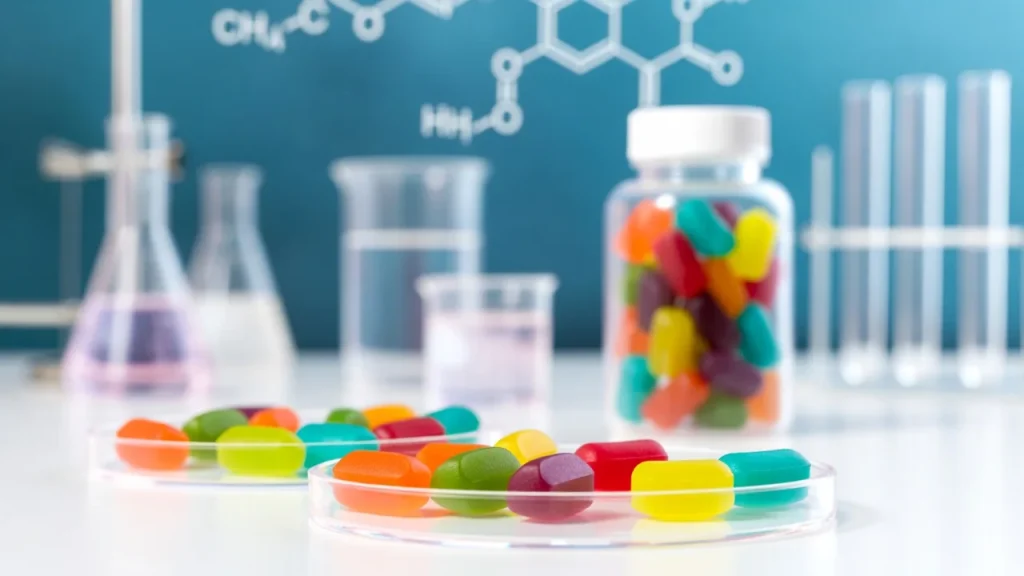
Expertise in formulation draws from scientific principles, ensuring bioavailability—the rate at which nutrients are absorbed by the body. For instance, water-soluble vitamins like vitamin C integrate well into the gummy matrix, while fat-soluble ones may require emulsifiers. Manufacturers often conduct stability tests to verify that the formula remains effective over time, adhering to standards that promote trust in the final product.
Key Ingredients and Sourcing in Gummy Manufacturing
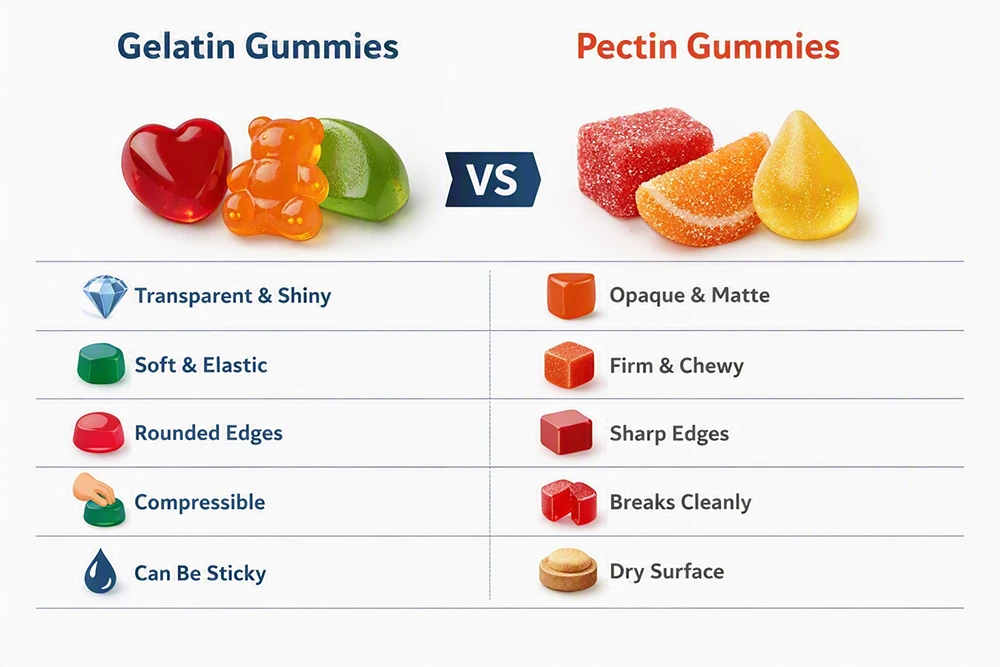
Selecting high-quality ingredients is a cornerstone of producing reliable gummy bears supplements. Common bases include sweeteners like cane sugar or alternatives such as stevia for low-sugar variants, combined with natural colors and flavors derived from fruits or vegetables. Gelling agents play a pivotal role; pectin, sourced from plant materials, is favored for vegan options, while gelatin provides a traditional chew.
Gummy bears manufacturers prioritize sourcing from verified suppliers to meet regulatory requirements, such as those outlined by FDA guidelines. This includes testing for contaminants and ensuring traceability. For wholesalers or those involved in private label gummy bears, understanding ingredient interactions—such as how acidity affects gel strength—helps in avoiding common pitfalls like texture inconsistencies. Best practices involve batch testing to confirm purity, which contributes to the overall credibility of the manufacturing process.
The Manufacturing Process: Step-by-Step Breakdown
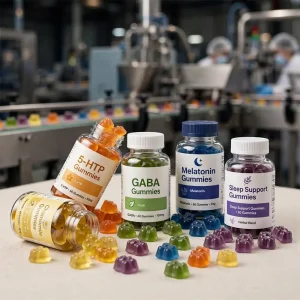
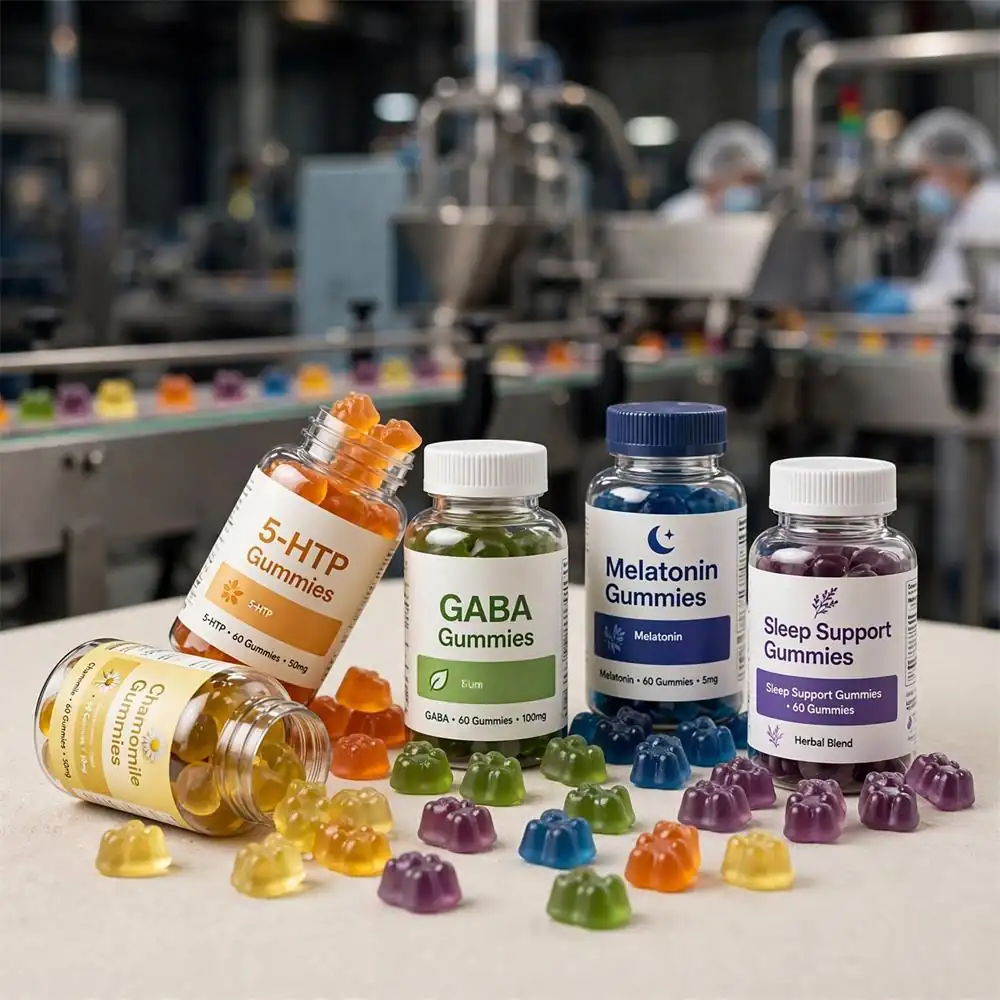
Gummy manufacturing involves a series of controlled steps to transform raw materials into finished products. It starts with mixing, where ingredients are heated and blended in large kettles to form a syrupy slurry. Temperature control is essential here, typically maintained between 80-100°C, to activate the gelling agents without degrading nutrients.
Next comes depositing, where the mixture is poured into molds shaped like bears or other forms. Cooling tunnels then solidify the gummies, followed by drying to achieve the desired moisture level—usually around 15-20% to prevent stickiness or mold growth. Quality checks at this stage include visual inspections and weight verifications.
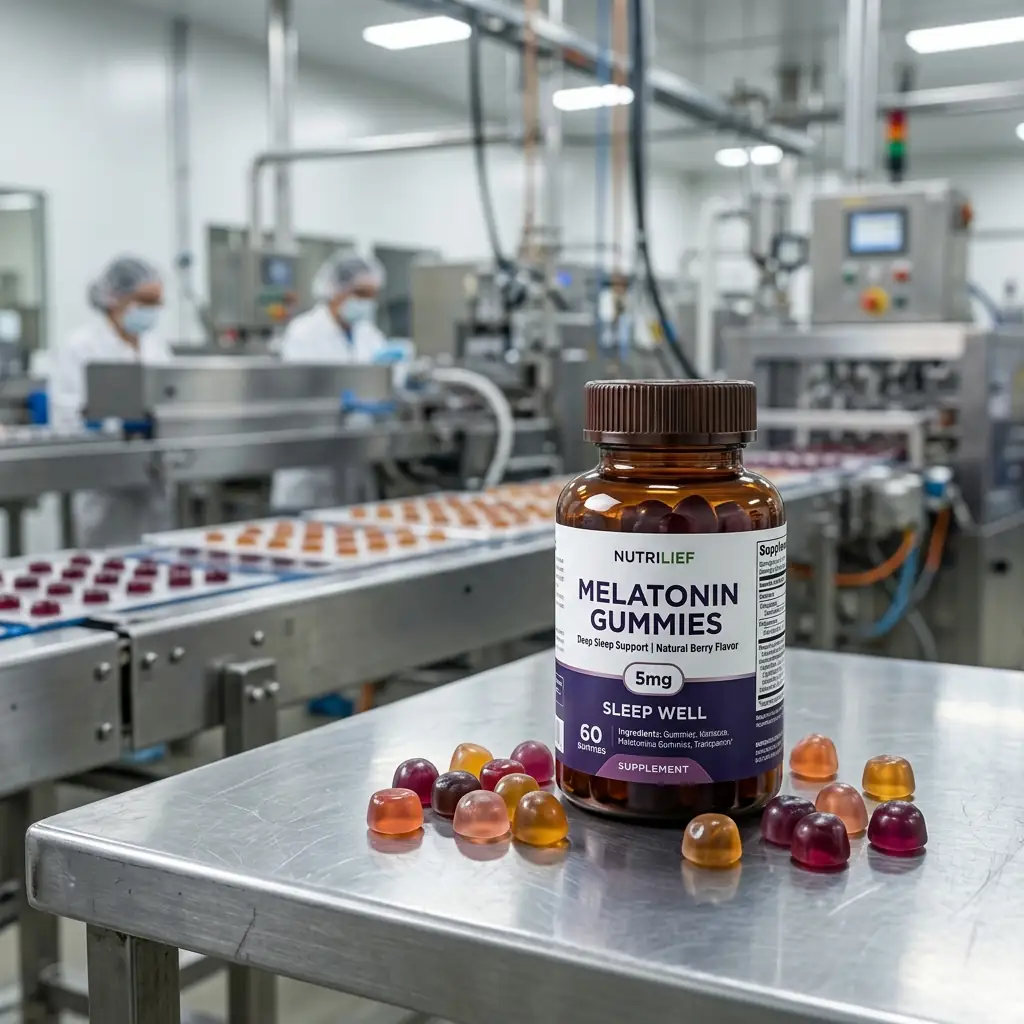
For gummy bears supplement production on a larger scale, automation enhances efficiency, allowing gummy bears manufacturers to produce thousands of units per hour. Private label gummy bears often incorporate custom molds or flavors during this phase, enabling differentiation in competitive markets. Throughout, adherence to Good Manufacturing Practices (GMP) ensures hygiene and consistency.
Quality Assurance and Regulatory Compliance
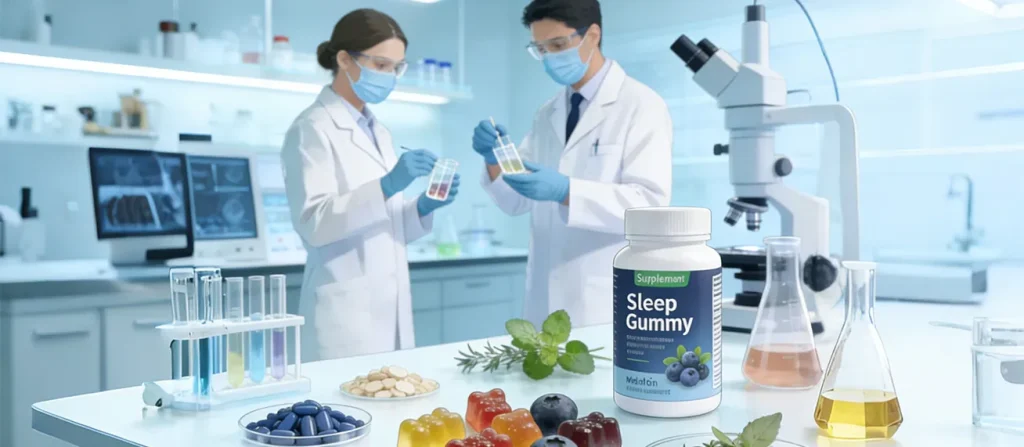
Maintaining quality in gummy bears manufacturing requires rigorous testing protocols. This includes microbiological assays to detect pathogens, potency tests for active ingredients, and shelf-life studies. Gummy bears manufacturers often employ third-party labs for unbiased verification, building trust with wholesalers and brands.
Regulatory compliance varies by region; in the U.S., products must align with Dietary Supplement Health and Education Act (DSHEA) standards, labeling claims accurately without misleading health assertions. For international markets, certifications like HALAL or KOSHER may be necessary. Private label gummy bears producers benefit from partnering with facilities that hold ISO or HACCP certifications, as these demonstrate a commitment to safety and reliability.
Common challenges, such as ingredient clumping or flavor fading, can be mitigated through process optimization, like adjusting pH levels or incorporating stabilizers. These measures provide practical value for those scaling up production.

Innovations and Trends in Gummy Bears Supplement Production
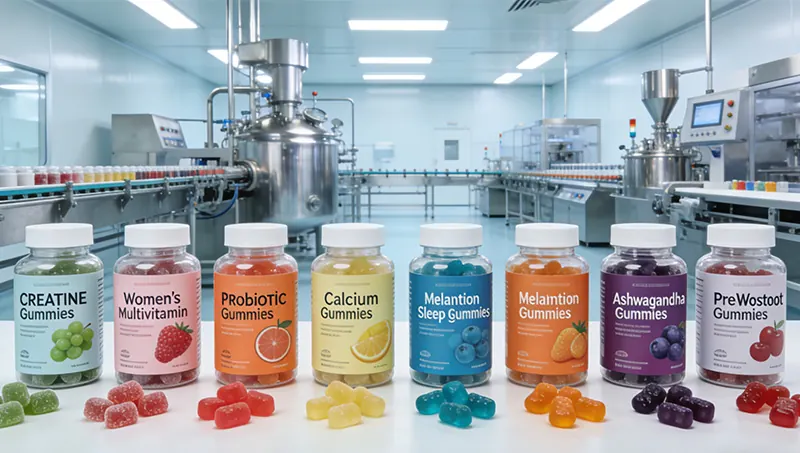
The field of gummy manufacturing is evolving with consumer demands for cleaner labels and functional benefits. Trends include sugar-free formulations using polyols or plant-based sweeteners, and the integration of probiotics or adaptogens for enhanced health outcomes. Gummy bears supplements are increasingly designed for specific demographics, such as children’s versions with lower dosages.
Advancements in technology, like 3D printing for custom shapes, allow gummy bears manufacturers to innovate while maintaining efficiency. For private label gummy bears, these trends offer opportunities to create niche products, but they require careful validation to ensure efficacy. Staying informed on research, such as studies on nutrient delivery via gummies, helps in making evidence-based decisions.
Article Summary
The production of gummy bears supplements encompasses a blend of science, precision, and quality control, from formulation to packaging. By understanding these elements, stakeholders in gummy manufacturing can make informed choices that prioritize safety and effectiveness. Whether for wholesale, branding, or custom needs, focusing on established practices ensures products that meet consumer expectations and regulatory standards.
FAQ
What are the main steps in gummy bears manufacturing? The process includes formulation, mixing ingredients, depositing into molds, cooling, drying, and quality testing to produce consistent gummy bears supplements.
How do gummy bears manufacturers ensure product quality? Through GMP adherence, ingredient testing, potency assays, and third-party certifications, ensuring safety and reliability in every batch.
What options are available for private label gummy bears? Customization includes flavors, shapes, active ingredients, and packaging, tailored for brands seeking unique dietary supplement offerings.
Are there vegan alternatives in gummy bears supplement production? Yes, plant-based gelling agents like pectin replace gelatin, allowing for vegan-friendly formulations without compromising texture.
What should wholesalers consider when sourcing gummy bears supplements? Focus on supplier certifications, ingredient traceability, and production capacity to ensure consistent supply and compliance.
As a leading gummy manufacturer and dietary supplement manufacturer, we specialize in producing various gummies through bulk, wholesale, private label, ODM, and OEM services. Our facilities support end-to-end solutions, from formulation development to packaging, ensuring high standards for your brand’s success.