
Abstract
Women probiotic gummies represent a growing segment in the dietary supplement market, combining the benefits of probiotics with a convenient, enjoyable gummy format. This article explores their formulation, manufacturing considerations, and potential applications for brands seeking to develop or expand their product lines. Drawing from industry expertise in gummy manufacturing, we discuss key aspects to help supplement merchants, private label developers, and wholesalers make informed decisions. The focus is on providing practical insights into creating high-quality gummies supplements that align with consumer health needs, while emphasizing regulatory compliance and production best practices.

The Role of Probiotics in Women’s Health
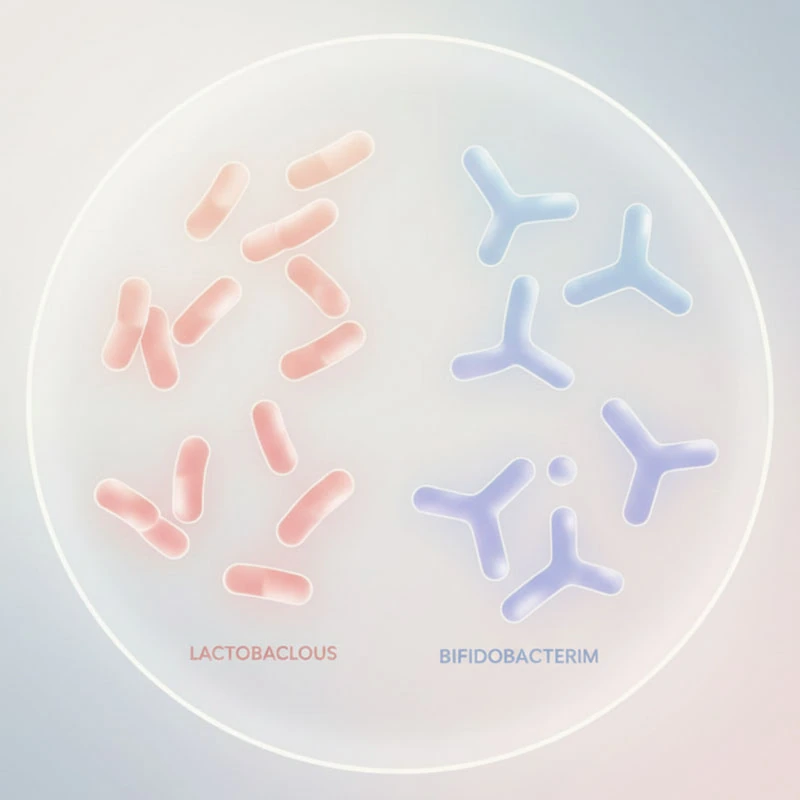
Probiotics play a significant role in supporting gut health, which is particularly relevant for women due to factors like hormonal fluctuations, pregnancy, and menopause. Strains such as Lactobacillus and Bifidobacterium are commonly used in formulations targeting digestive balance, immune function, and vaginal health. When incorporated into women probiotic gummies, these live cultures offer an accessible way to maintain microbiome equilibrium without the need for traditional pills.
For brands involved in gummies supplement production, selecting the right probiotic strains is crucial. Research indicates that certain strains, like Lactobacillus rhamnosus, may help alleviate common issues such as bloating or urinary tract concerns. However, stability is a key challenge in gummy manufacturing, as heat and moisture can reduce probiotic viability. Manufacturers experienced in this area often employ protective encapsulation techniques to ensure the gummies retain their efficacy throughout shelf life.
Formulation Strategies for Effective Women Probiotic Gummies
Developing women probiotic gummies requires a balanced approach to ingredients, ensuring both functionality and appeal. Core components include probiotic cultures, prebiotic fibers like inulin for synbiotic effects, and natural sweeteners to enhance palatability. Vitamins such as B-complex or folic acid can be added to tailor the product for women’s specific nutritional profiles, but formulations must avoid overloading to prevent digestive discomfort.
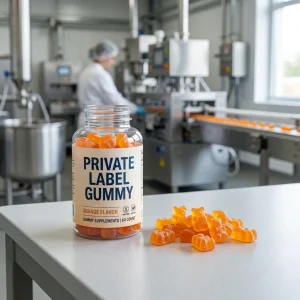
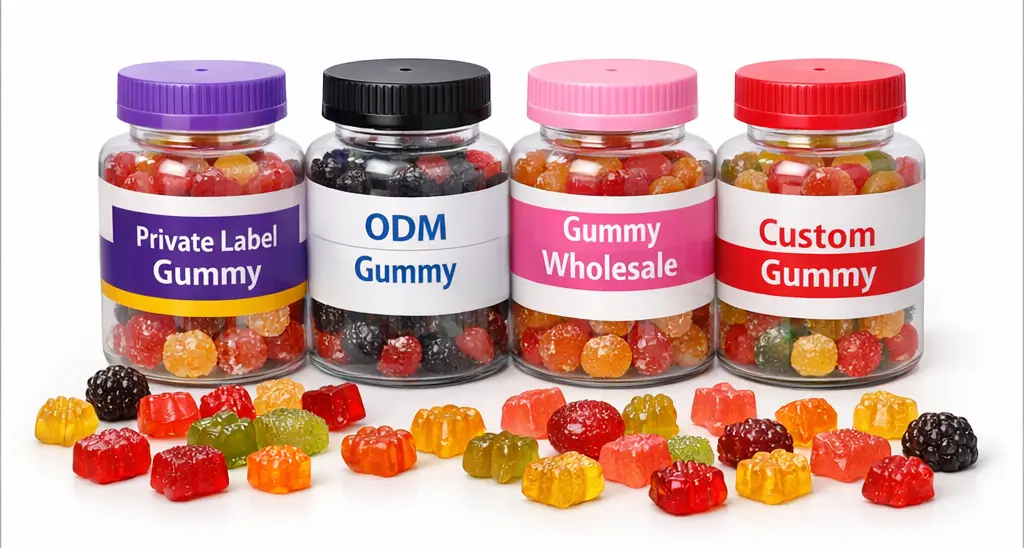
In gummy manufacturing, the choice of gelling agents—such as pectin for vegan options or gelatin for traditional textures—affects the final product’s consistency and stability. Private label gummies allow brands to customize flavors, from berry to citrus, to match market preferences. It’s essential to conduct stability testing under various conditions to verify that the probiotics remain active, typically aiming for at least 1-5 billion CFUs per serving. This process not only meets quality standards but also supports claims on packaging, fostering consumer trust in gummies supplements.
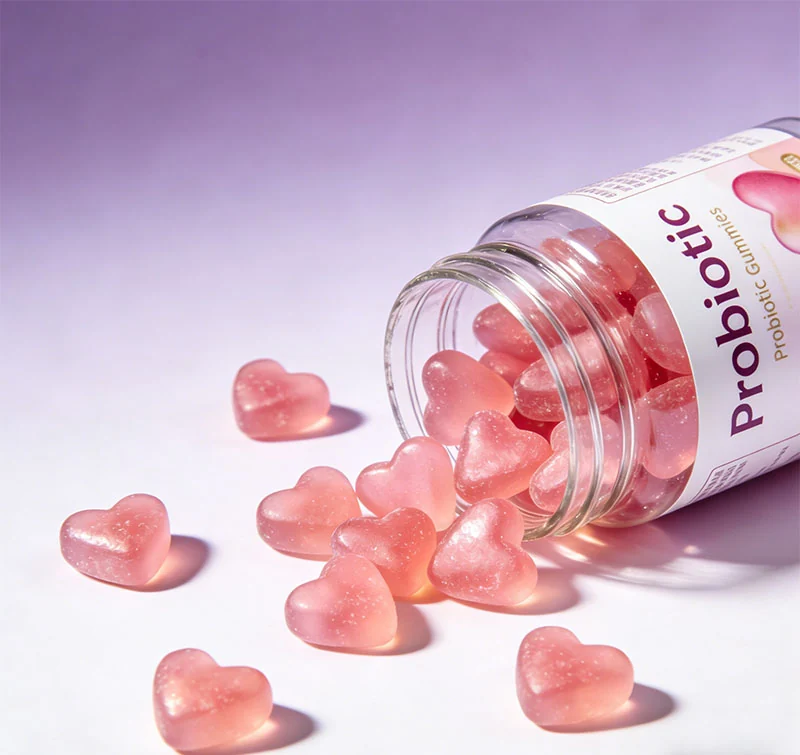
Manufacturing Processes and Quality Control in Gummy Production
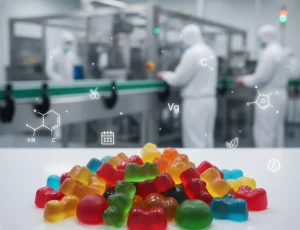
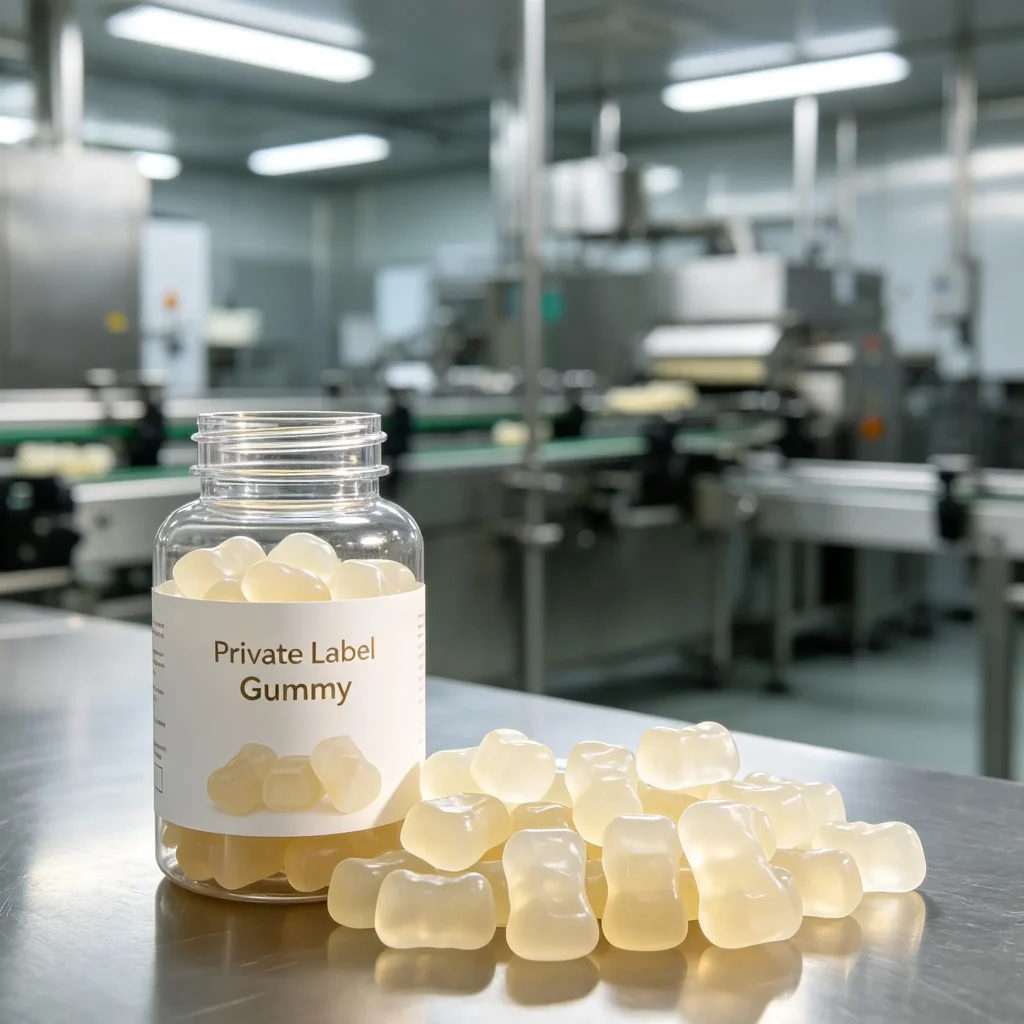
Gummy manufacturing for probiotics involves specialized steps to preserve sensitive ingredients. The process begins with mixing the base syrup, incorporating probiotics at lower temperatures to minimize degradation, followed by molding and drying. Advanced facilities use controlled environments to prevent contamination, ensuring the end product complies with standards like GMP and HACCP.
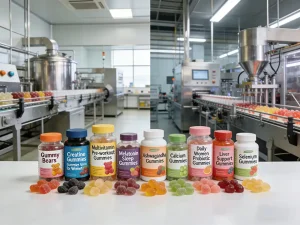
For gummies manufacturers, scaling production while maintaining consistency is vital for wholesalers and private label partners. Batch testing for microbial counts, pH levels, and dissolution rates helps verify product integrity. Common challenges include achieving uniform distribution of probiotics and extending shelf life without preservatives. Brands should prioritize suppliers with expertise in these areas to avoid reformulation delays and ensure reliable supply chains for women probiotic gummies.
Market Trends and Consumer Considerations
The demand for women probiotic gummies is driven by trends toward personalized nutrition and clean-label products. Consumers increasingly seek options free from artificial colors, gluten, and allergens, prompting gummies manufacturers to innovate with organic or plant-based ingredients. Market data shows growth in this category, particularly among wellness-focused demographics, where convenience plays a key role in adherence.
For supplement merchants, understanding labeling requirements is essential. Claims about probiotic benefits must be substantiated by evidence, adhering to regulations from bodies like the FDA or EFSA. Private label gummies offer flexibility for branding, but success depends on aligning with consumer values such as transparency and sustainability. By focusing on evidence-based formulations, brands can position their gummies supplements as credible additions to daily routines.
Article Summary
Women probiotic gummies provide a practical format for delivering probiotics tailored to women’s health needs, with careful attention to formulation and manufacturing ensuring product effectiveness. This guide highlights the importance of strain selection, stability measures, and quality controls in gummy manufacturing. For brands in the dietary supplement space, partnering with experienced gummies manufacturers can streamline development, from private label customization to wholesale production. Ultimately, prioritizing science-backed approaches leads to products that offer real value in supporting gut and overall wellness.
FAQ
What are the key benefits of women probiotic gummies? These gummies supplements support digestive health, immune function, and hormonal balance through targeted probiotic strains, offering a tasty alternative to capsules.
How do manufacturers ensure probiotic viability in gummies? In gummy manufacturing, techniques like low-temperature processing and protective coatings are used to maintain live cultures, with regular testing confirming CFU counts.
What should brands look for in a private label gummies partner? Seek gummies manufacturers with certifications like GMP, experience in probiotic handling, and flexible MOQ options to match your production scale.
Are there customization options for flavors and shapes in women probiotic gummies? Yes, reputable gummies manufacturers offer a range of natural flavors and molds, allowing brands to tailor products for market appeal while maintaining quality.
How long is the typical shelf life for probiotic gummies supplements? With proper formulation and packaging, shelf life can extend 12-24 months, depending on storage conditions and the use of stabilizers.
Company Profile
Shenzhen Gothink Biotech Co., Ltd. is a leading gummies manufacturer and dietary supplement manufacturer based in China, specializing in OEM, ODM, and private label services. With certifications including ISO9001, ISO22000, HACCP, FDA, HALAL, GMP, KOSHER, and Vegan, our facilities feature a 100,000-class cleanroom and a 10,000-class pharmaceutical-grade R&D laboratory. Backed by a team with U.S. postdoctoral expertise, we provide end-to-end solutions for supplement brands, ensuring high-quality production and innovation in gummy manufacturing.