
Abstract
The production of gummy supplements involves a precise blend of science, technology, and quality control to create products that deliver nutritional benefits in an appealing, chewable form. This article explores the step-by-step process used by gummy manufacturers, highlighting key considerations for those involved in private label gummy production or wholesale dietary supplements. Drawing from established industry practices, it provides insights into formulation, equipment, and compliance, offering practical guidance for brands and suppliers aiming to develop reliable gummy supplement lines.
The Basics of Gummy Supplement Formulation
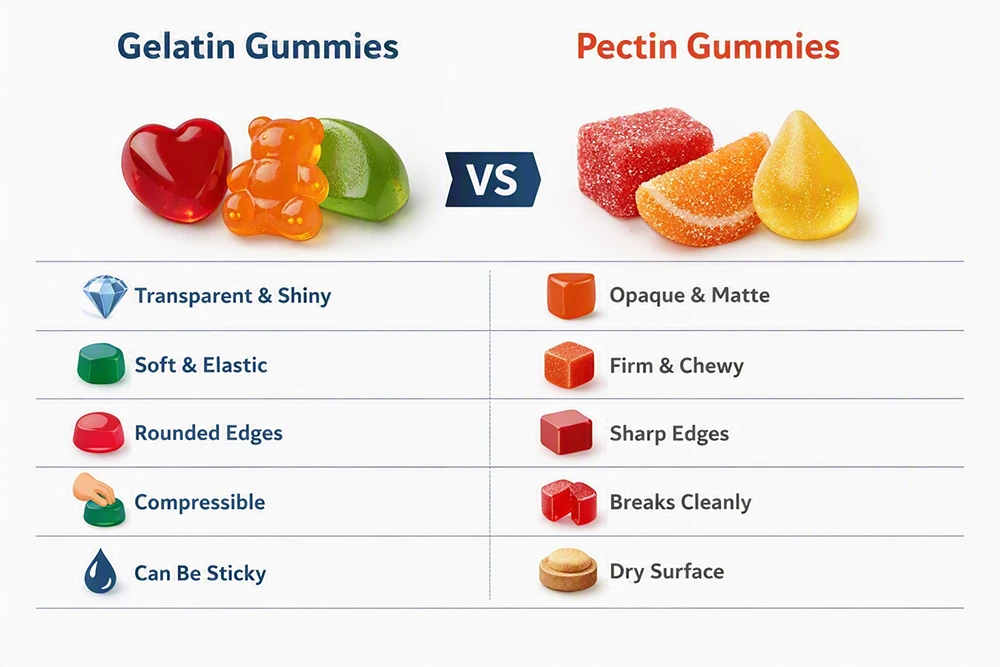
Gummy supplements start with careful formulation, where active ingredients like vitamins, minerals, or herbal extracts are combined with gelling agents to form a stable, palatable product. Common gelling agents include pectin for vegan options or gelatin for traditional varieties, chosen based on dietary preferences and target markets. Gummy manufacturers often begin by testing small batches to ensure the formula achieves the desired texture, flavor, and nutrient potency without compromising shelf life.
In private label gummy production, customization plays a key role. Formulators adjust ratios to meet specific nutritional claims, such as low-sugar or organic certifications, while adhering to regulatory standards. This stage requires expertise in biochemistry to prevent ingredient interactions that could affect efficacy, ensuring the final gummy supplement delivers consistent health benefits.

Key Ingredients and Their Roles
Selecting high-quality ingredients is fundamental in gummy manufacturing. The base typically includes sweeteners like glucose syrup or natural alternatives, combined with acids for tartness and colors from natural sources to enhance appeal. For gummy supplements, active components—such as vitamin C or melatonin—are incorporated at precise concentrations to maintain bioavailability.
Gummy manufacturers prioritize sourcing from verified suppliers to avoid contaminants, which is crucial for private label gummy lines intended for health-conscious consumers. Water content is tightly controlled to prevent microbial growth, and preservatives may be added if needed, though many modern processes favor clean-label approaches with minimal additives.
The Manufacturing Process Step by Step
The production of gummy supplements follows a structured workflow in controlled environments, often in facilities with cleanroom standards to ensure hygiene.
- Mixing and Cooking: Ingredients are blended in large mixers and heated to form a syrupy mass. Temperature control is critical—typically around 80-100°C—to activate gelling agents without degrading nutrients.
- Molding and Depositing: The mixture is poured into starch molds or silicone trays shaped for various designs, like bears or fruits. Advanced gummy manufacturers use automated depositors for precision, allowing for multi-layered or filled gummies in private label productions.
- Cooling and Setting: Gummies cool in tunnels or rooms at regulated humidity to solidify. This step can take hours, depending on the formula, and is monitored to achieve the ideal chewiness.
- Demolding and Coating: Once set, gummies are removed from molds and may receive a coating of oil or sugar to prevent sticking. For gummy supplements, this phase includes quality checks for uniformity.
- Drying and Curing: Excess moisture is removed in drying rooms to extend shelf life, with final moisture levels often below 20% to inhibit mold.
Throughout, gummy manufacturers implement inline testing for pH, weight, and appearance to maintain consistency.

Quality Control and Regulatory Compliance
Ensuring safety and efficacy is non-negotiable in gummy supplement production. Reputable gummy manufacturers conduct rigorous testing at multiple stages, including raw material assays and finished product analysis for potency and purity. Certifications like GMP, ISO, or HACCP demonstrate adherence to international standards, which is essential for private label gummy exporters.
Common challenges include maintaining nutrient stability during heating, addressed through encapsulation techniques or phased mixing. For dietary supplement merchants, understanding these controls helps in selecting partners who prioritize traceability and third-party audits, reducing risks of recalls or non-compliance.
Scaling Production for Commercial Needs
For wholesale or contract manufacturing, scaling involves high-capacity equipment like continuous cookers and automated lines capable of producing thousands of units daily. Gummy manufacturers often offer flexible minimum order quantities (MOQs) to support startups, while larger runs benefit from economies of scale.
In private label gummy scenarios, brands collaborate on packaging integration, such as child-resistant jars or eco-friendly pouches, to align with market trends. Efficient scaling requires robust supply chains and R&D support to iterate formulas quickly, ensuring products meet evolving consumer demands like plant-based or functional enhancements.
Article Summary
The manufacturing of gummy supplements is a meticulous process that balances innovation with stringent quality measures, from formulation to final packaging. By understanding these steps, businesses in the dietary supplement sector—whether as gummy manufacturers, private label producers, or wholesalers—can make informed decisions to create effective, market-ready products. Emphasizing science-backed practices and compliance fosters trust and long-term success in this competitive industry.
FAQ
What are the main gelling agents used in gummy supplement manufacturing? Pectin and carrageenan are popular for vegan gummy supplements, while gelatin is common in traditional formulas. The choice depends on dietary needs and texture goals.
How do gummy manufacturers ensure nutrient stability? Through controlled heating, encapsulation of sensitive ingredients, and stability testing, manufacturers prevent degradation, maintaining the efficacy of vitamins and other actives.
What is the typical shelf life of a private label gummy supplement? With proper formulation and packaging, shelf life can range from 12 to 24 months, influenced by moisture control and storage conditions.
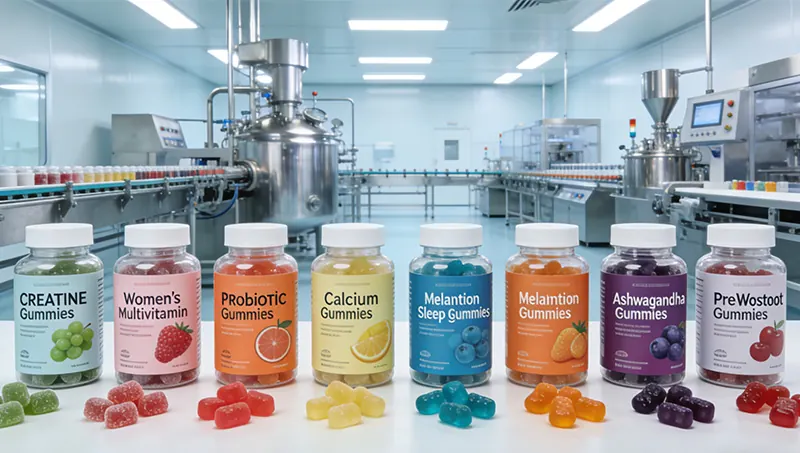
Why is cleanroom production important for gummy supplements? Cleanrooms minimize contamination risks, ensuring products meet hygiene standards required for dietary supplements and supporting certifications like GMP.