
Abstract
As the dietary supplement industry moves away from traditional pills, gummy bears have emerged as a premier delivery format for vitamins and functional ingredients. For brands seeking a Private Label partner or a reliable gummy bear manufacturer, understanding the complex industrial science behind production is essential. This guide provides a professional overview of the manufacturing process—from scientific formulation and gelling chemistry to pharmaceutical-grade cleanroom standards—ensuring that every product is safe, stable, and effective.

1. Scientific Formulation: The Foundation of Every Functional Gummy
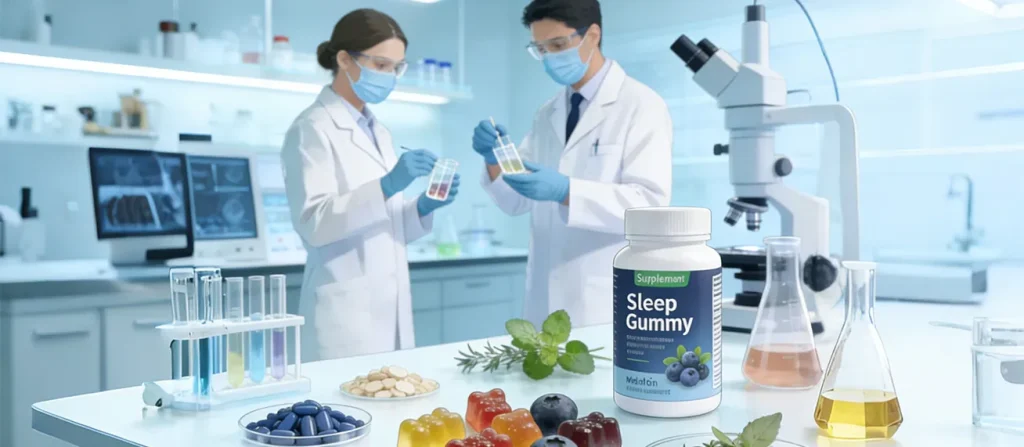
The journey of how to make gummy bears begins in the laboratory. Unlike traditional confectionery, supplement gummies must serve as a stable matrix for active ingredients like vitamins, minerals, or herbal extracts.
The formulation process focuses on “structural biology” and biochemistry to ensure that heat-sensitive nutrients remain bioavailable. Key considerations include:
-
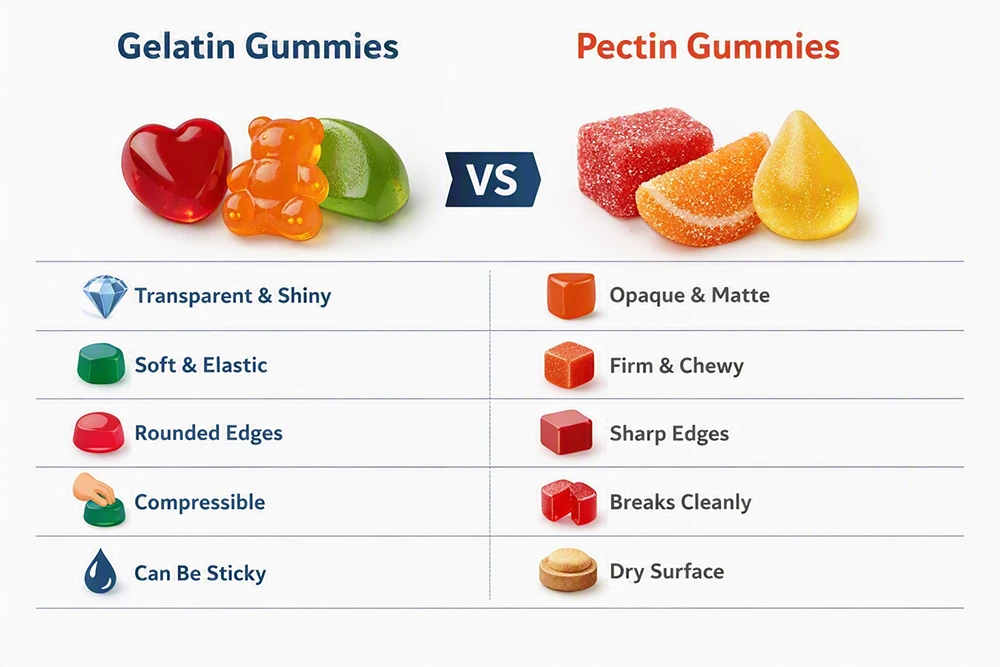
Gelling Agents: Choosing between gelatin (for a classic chew) or plant-based alternatives like pectin and carrageenan for vegan-friendly options.
-
Ingredient Stability: Ensuring active compounds do not degrade during the high-heat cooking phase.
-
Flavor Masking: Utilizing advanced R&D to balance the natural bitterness of certain supplements with delightful, market-ready flavors.

2. The Industrial Manufacturing Process: Precision at Scale
Manufacturing high-quality gummy bears at an industrial scale requires a rigorous, multi-stage process governed by strict temperature and humidity controls.
-
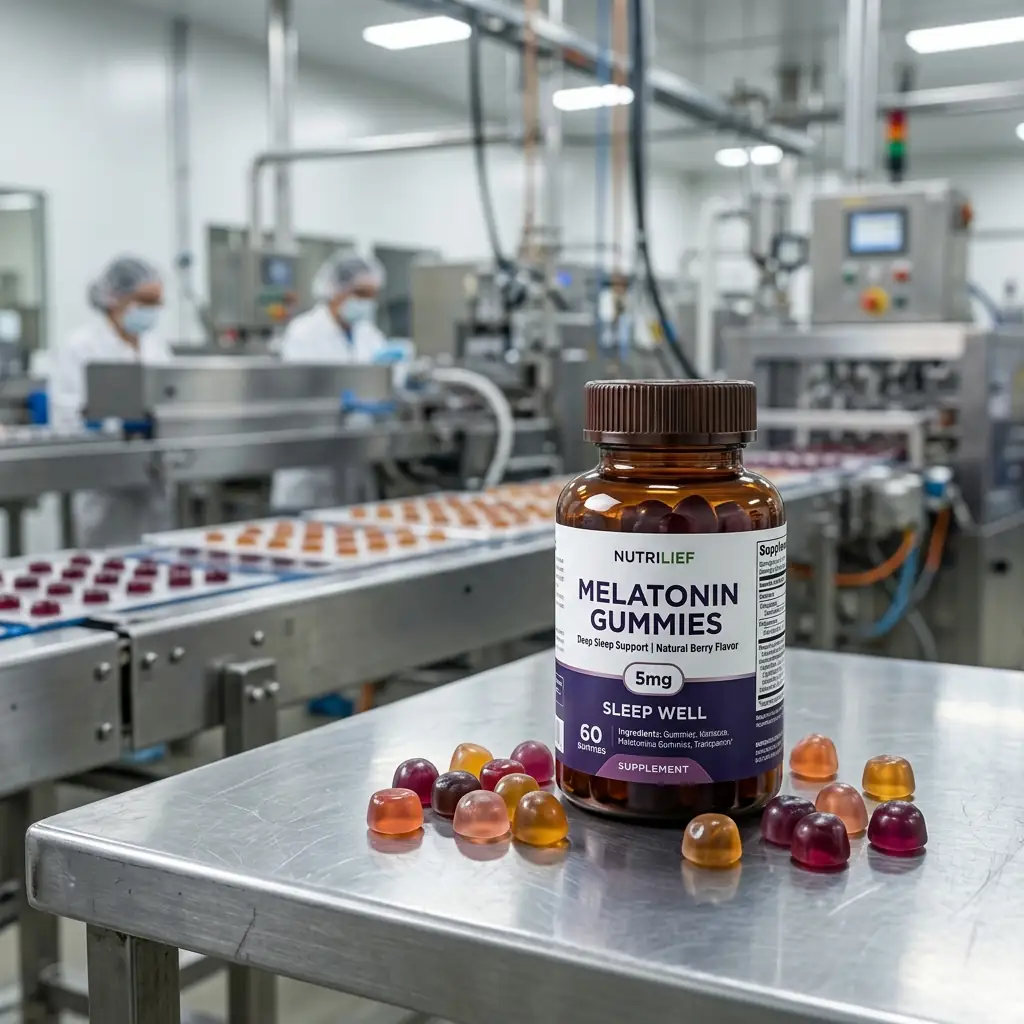
Mixing and Solubilization: Raw materials are blended in a 10,000-class pharmaceutical-grade laboratory. This stage ensures that the base slurry is perfectly homogenous before active ingredients are introduced.
-
Cooking and Brix Control: The mixture is heated to a specific “Brix” level (sugar/solids content). This is a critical step where a professional manufacturer must monitor the temperature to prevent the degradation of heat-sensitive vitamins.
-
Molding and Deposition: The liquid slurry is pumped into a depositor, which injects precise amounts into molds. This ensures dosage consistency, which is the most vital factor for any Private Label supplement brand.
-
Curing and Drying: The gummies are moved to climate-controlled drying rooms. This phase can take 24 to 72 hours, allowing the product to reach the ideal water activity level for shelf stability and texture.
-
Finishing: Once cured, gummies are coated with a light layer of wax or oil to prevent sticking and enhance the visual appeal.

3. Quality Assurance: Maintaining Pharmaceutical Standards
For any dietary supplement manufacturer, the manufacturing environment is just as important as the recipe. To meet global E-E-A-T (Experience, Expertise, Authoritativeness, and Trustworthiness) standards, production should occur within a 100,000-class cleanroom.
A reliable gummy bear factory must adhere to International Regulatory Compliance, including:
-
Certifications: FDA, GMP, ISO22000, and HACCP are non-negotiable for ensuring consumer safety.
-
Testing: Every batch should undergo rigorous testing for potency, purity, and the absence of heavy metals or microbial contaminants.
-
Traceability: From raw material sourcing to final packaging, every step must be documented to ensure full transparency for wholesalers and brand owners.
4. Strategic Scalability for Brands and Wholesalers
Choosing a manufacturing partner involves looking beyond the recipe to their production capacity. Modern facilities often boast a daily output of up to 16 tons, allowing brands to scale from small trial runs to massive global distributions.
Professional manufacturers provide “Turnkey Solutions,” which include:
-
Customization: Adjusting potency, sugar content (including sugar-free options), and shapes.
-
Packaging: Offering diverse formats such as jars, pouches, or sachets with custom labeling for Private Label brands.
-
Export Support: Navigating the complexities of international compliance to help products enter global markets efficiently.

Conclusion
Creating a high-quality gummy bear is a delicate balance of culinary art and pharmaceutical science. By understanding how gummy bears are made—from the initial R&D formulation to the final quality check in a GMP-certified facility—brands can ensure they are providing consumers with a product that is not only enjoyable to eat but also effective in delivering health benefits. Partnering with an experienced manufacturer that prioritizes scientific integrity is the most effective way to build long-term consumer trust.
FAQ: Professional Gummy Manufacturing
Q: Can gummy bears be made without animal-derived gelatin? A: Yes. High-quality vegan gummy bears are manufactured using natural gelling agents like pectin (derived from citrus) or carrageenan (derived from seaweed), which offer a clean label and excellent stability in warm climates.
Q: How do you ensure the vitamins in the gummy are still active after cooking? A: This is managed through “overages” and temperature-controlled processing. Active ingredients are often added at the latest possible stage of the cooking process to minimize heat exposure, ensuring the label-claimed potency is met throughout the product’s shelf life.
Q: What is the typical MOQ for Private Label gummy bears? A: Minimum Order Quantities (MOQs) vary by manufacturer, but many facilities offer flexible solutions for startups, ranging from small-batch trial runs to large-scale annual contracts.
Q: How long does the manufacturing process take? A: While the mixing and depositing take only a few hours, the curing and drying process is the most time-consuming, usually requiring several days to ensure the product reaches the correct texture and moisture levels.