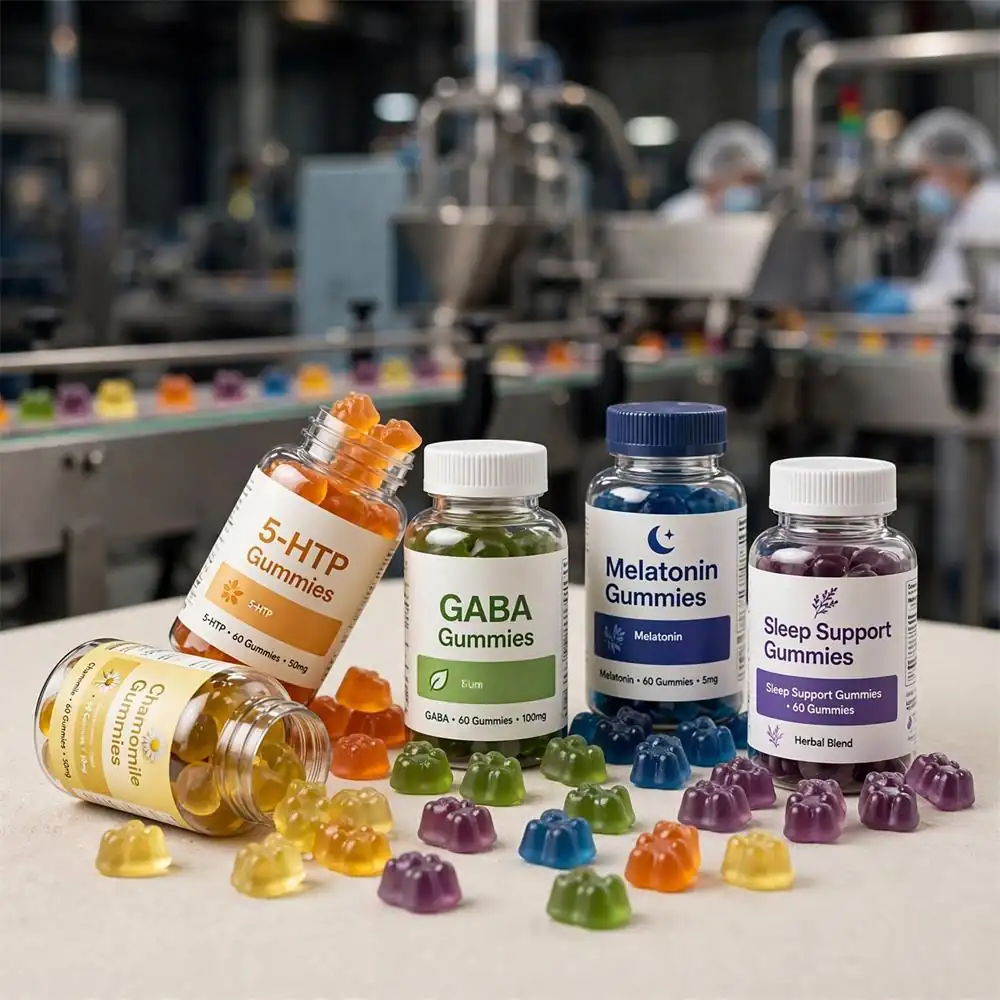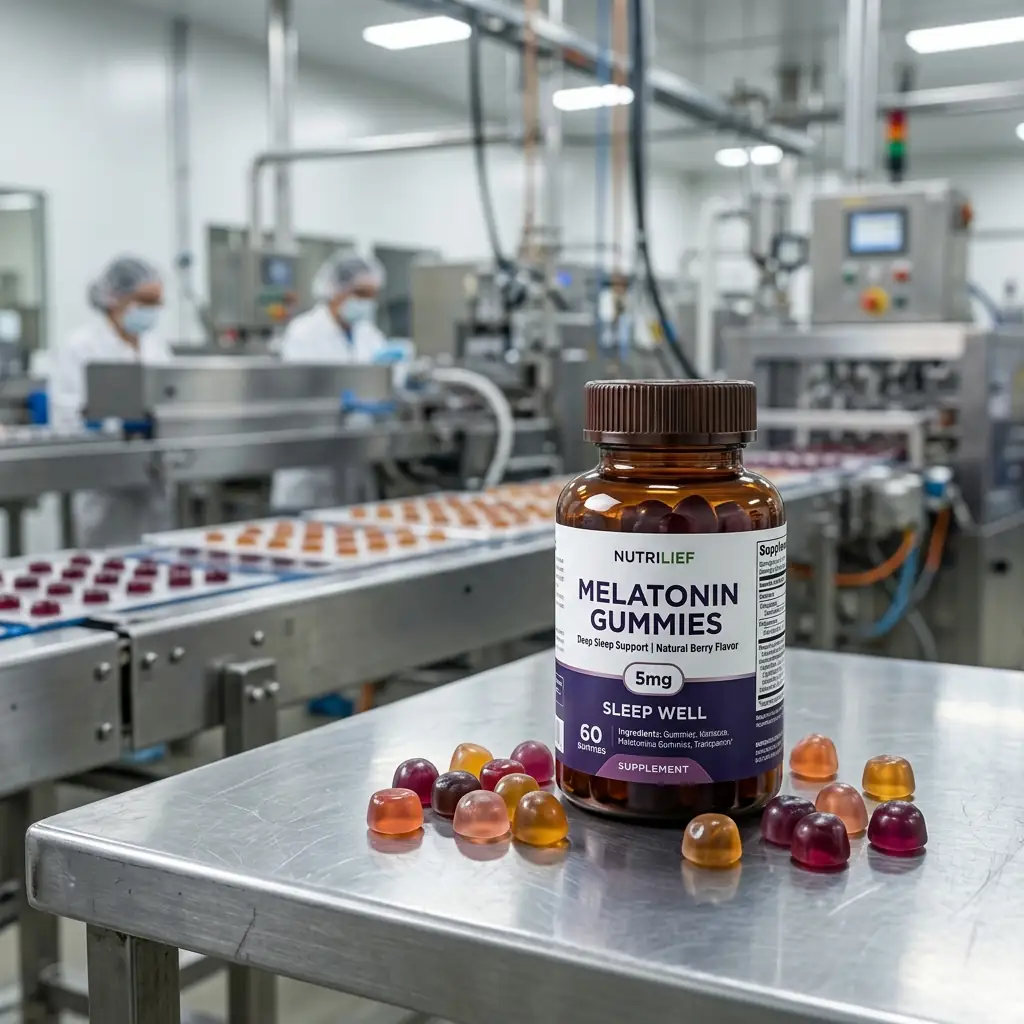

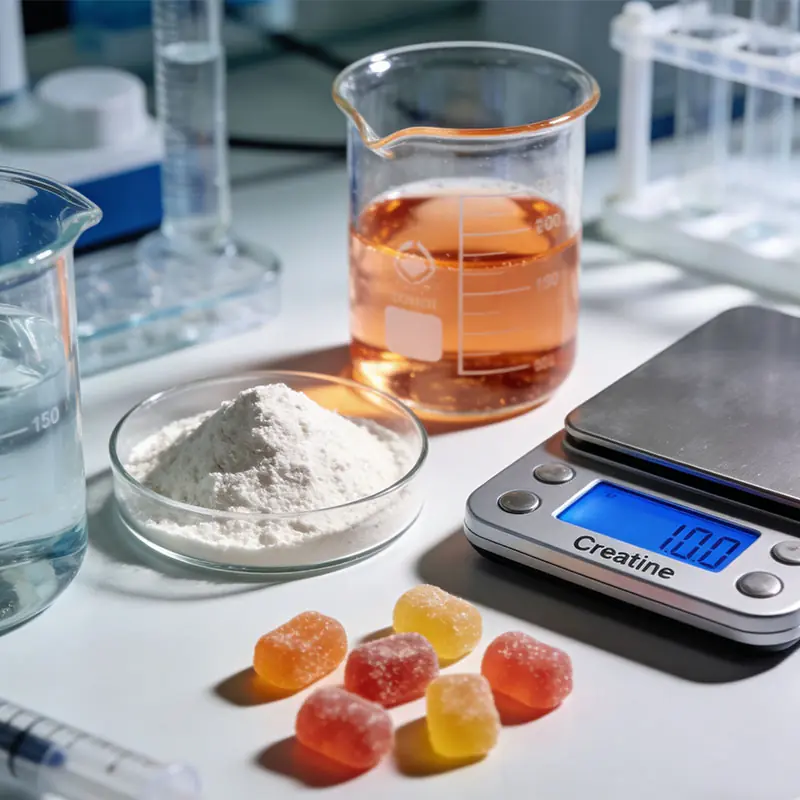
Creating creatine gummies has become a popular trend in the dietary supplement market, especially among brands targeting consumers who prefer convenient, tasty alternatives to traditional creatine powder. As an experienced creatine gummies manufacturer specializing in gummy contract manufacturing, we often guide brands through the process of developing high-quality, effective products in this format.
This article explores the key considerations for bringing creatine gummies to market, from formulation challenges to production best practices, while highlighting practical insights for private label or wholesale supplement businesses.

What Are Creatine Gummies and Why Are They Gaining Popularity?
Creatine gummies deliver creatine—typically in the form of creatine monohydrate—in a chewable, flavored gummy format. Creatine is one of the most researched supplements, known for supporting ATP regeneration, which can enhance high-intensity exercise performance, muscle strength, and recovery.
Many users find gummies more appealing than mixing powders, as they offer portability, enjoyable taste, and no need for water. This convenience appeals to athletes, fitness enthusiasts, and those new to supplementation who want an easy daily option.
However, the format introduces unique formulation and stability demands compared to capsules or powders.
Benefits of Creatine Supplementation
Creatine supports increased phosphocreatine stores in muscles, aiding short bursts of energy during activities like weightlifting or sprinting. Research indicates potential improvements in strength, muscle mass, and exercise performance, with some evidence suggesting benefits for cognitive function and recovery.
Standard daily doses range from 3–5 grams of creatine monohydrate, though some protocols include a loading phase of higher amounts followed by maintenance. When taken appropriately, creatine is generally well-tolerated, with possible mild effects like temporary water retention or digestive discomfort in sensitive individuals.
For gummy formats, achieving an effective per-serving dose (often 3–5 grams across multiple pieces) while maintaining palatability is a key goal.

Challenges in Formulating Creatine Gummies
Unlike stable powder forms, creatine monohydrate is sensitive to moisture, heat, and acidic conditions—factors inherent in gummy production. Gummies require heating mixtures (often 80–95°C) to activate gelling agents like pectin or gelatin, then cooling in moist environments, which can promote degradation into creatinine, a less active byproduct.
Independent testing has shown variability in market products, with some failing to meet label claims due to degradation during manufacturing or storage. Successful Private Label creatine gummies rely on optimized processes: careful pH buffering, stabilizer selection, and precise ingredient integration to preserve potency and uniformity.
Using pharmaceutical-grade facilities with strict controls helps mitigate these risks, ensuring consistent active content across batches.
Key Manufacturing Considerations for High-Quality Creatine Gummies
Producing effective creatine gummies demands expertise in several areas:
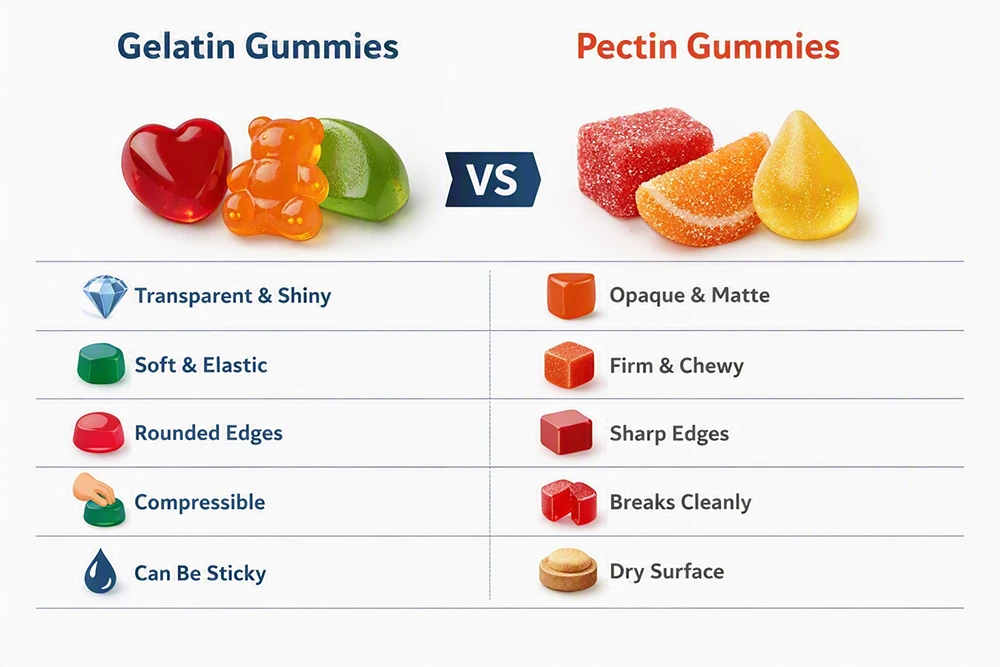
- Gelling Agent Selection — Pectin-based (vegan-friendly) or gelatin systems must balance texture with ingredient stability. Pectin often suits plant-based claims but requires specific acid and buffer adjustments to protect creatine.
- Dosage and Uniformity — Achieving 1–2 grams per gummy (requiring 2–5 pieces for a full dose) needs even distribution to avoid hot spots or under-dosing.
- Flavor and Sweetener Optimization — Masking any off-notes while keeping sugar or calorie content appropriate for health-focused consumers.
- Stability and Shelf Life — Accelerated testing and proper packaging (e.g., moisture-barrier bottles) help maintain integrity over time.
Manufacturers with GMP-certified facilities, cleanrooms, and advanced R&D labs can address these through precise process controls and validated methods.
Advantages of Partnering with an Experienced Creatine Gummies Manufacturer
Working with a dedicated creatine gummies manufacturer provides access to proven formulations, regulatory guidance, and scalable production. Flexible minimum order quantities support startups testing the market, while full turnkey services handle everything from raw material sourcing to compliant labeling.
Certifications like ISO, HACCP, GMP, and others ensure adherence to global standards, building consumer trust. Brands benefit from faster time-to-market and reduced risk of common pitfalls in gummy production.
Summary
Developing creatine gummies offers an attractive option for supplement brands seeking to meet demand for convenient, enjoyable formats. While the format provides strong consumer appeal, success depends on overcoming formulation challenges like stability and accurate dosing through expert manufacturing practices.
By prioritizing science-backed approaches, quality controls, and reliable production partners, brands can deliver products that effectively support fitness goals while meeting regulatory and quality expectations.
FAQ
What is the typical dosage for creatine gummies? Most products aim for 3–5 grams of creatine monohydrate per serving, often spread across 2–5 gummies depending on the formula. Always follow label instructions and consult a healthcare provider for personalized advice.
Are creatine gummies as effective as powder? When properly formulated and tested for potency, gummies can deliver comparable benefits. However, some products face stability issues, so choosing manufacturers with validated processes and third-party testing is important.
What potential side effects should users know about creatine? Common mild effects include water retention, temporary weight gain, or digestive upset, especially at higher doses. Creatine is extensively studied and considered safe for most healthy adults at recommended levels.
Can creatine gummies be vegan? Yes, using pectin-based gelling agents instead of gelatin allows for vegan-friendly formulations, which many brands now prioritize.
How do I choose a reliable creatine gummies manufacturer? Look for GMP certification, experience with functional gummies, strong R&D capabilities, stability testing data, and flexible customization options to ensure product quality and brand alignment.