
Abstract
Creatine is one of the most researched dietary supplements, known for supporting muscle strength, performance, and recovery. Traditionally available as powder, creatine gummies have gained popularity for their convenience and taste. But are creatine gummies effective compared to classic forms? This article explores the science behind creatine supplementation, compares gummies to powder, and highlights key factors like dosage, bioavailability, and quality. As experienced dietary supplement manufacturers, we provide insights to help brands and consumers make informed decisions about private label creatine gummies and other formats.

What Is Creatine and How Does It Work?
Creatine is a naturally occurring compound found in foods like red meat and synthesized by the body. It plays a key role in producing ATP, the energy currency for high-intensity activities. Supplementing with creatine increases phosphocreatine stores in muscles, leading to improved strength, power output, and muscle growth over time.
The most studied form is creatine monohydrate, backed by hundreds of studies showing benefits for athletes and active individuals. Daily doses of 3-5 grams are typically recommended for maintenance, with consistent use yielding the best results.
Creatine Gummies vs. Traditional Powder: Key Differences
Creatine gummies offer a chewable, portable alternative to powder. Many contain creatine monohydrate, the gold standard for effectiveness.
- Convenience and Taste: Gummies are easy to take on-the-go without mixing or measuring, making them ideal for busy lifestyles. They often taste like candy, improving adherence for those who dislike powder’s texture.
- Dosage: Effective servings aim for 3-5 grams per day. Some gummies deliver this in 4-6 pieces, while others require more.
- Cost: Powder remains more economical per gram, but gummies provide added value through portability.
Both formats can raise muscle creatine levels when dosed properly.
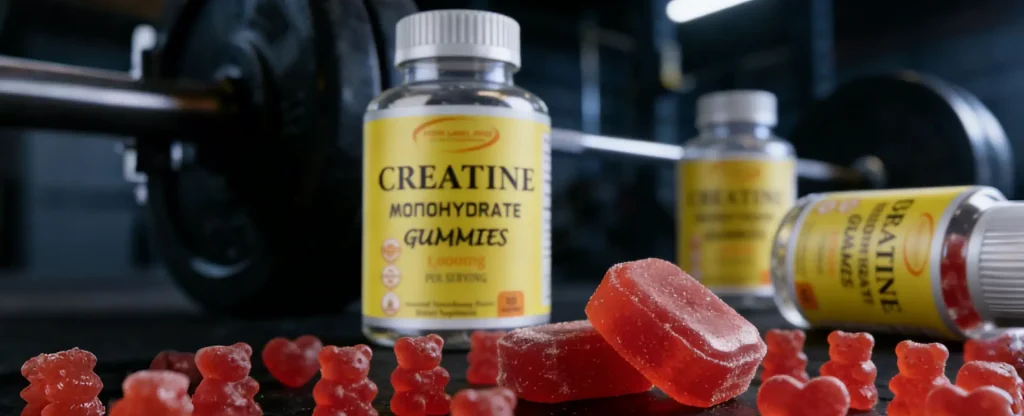
Are Creatine Gummies Effective? Examining the Evidence
Yes, creatine gummies can be effective if they contain sufficient high-quality creatine monohydrate and are consumed consistently. Bioavailability—the rate at which creatine is absorbed—is similar between gummies and powder, as the body processes the molecule the same way once ingested.
Studies on creatine monohydrate show it saturates muscles effectively regardless of delivery method. However, real-world effectiveness depends on:
- Accurate Labeling: Independent tests have revealed variability; some brands meet claims with third-party verification (e.g., NSF-certified), while others fall short due to manufacturing challenges like heat exposure.
- Consistency: Benefits build over weeks, not days. Gummies may encourage better daily habits for some users.
Reputable creatine gummies from trusted manufacturers deliver comparable results to powder for strength gains and recovery.
Factors to Consider When Choosing Creatine Gummies
Quality is paramount in supplements. Look for:
- Third-Party Testing: Certifications ensure potency and purity.
- Ingredients: Opt for minimal added sugars and vegan-friendly options if needed.
- Manufacturer Expertise: Experienced creatine gummies manufacturers prioritize stability to prevent degradation.
For supplement brands exploring private label creatine gummies, partnering with GMP-certified facilities ensures reliable, high-dose products that meet consumer expectations.
Tips for Supplement Brands and Manufacturers
As dietary supplement manufacturers specializing in gummies, we see growing demand for innovative formats like creatine gummies. To create effective products:
- Use stabilized creatine monohydrate for optimal potency.
- Aim for clinically relevant doses (3-5g per serving).
- Invest in independent testing for transparency.
Private label options allow brands to offer convenient, tasty supplements while maintaining quality standards.

Summary
Creatine gummies can be an effective supplement when sourced from reputable manufacturers, providing the same core benefits as powder with added convenience. While powder offers better value and flexibility, gummies excel in portability and enjoyment. Ultimately, choose based on lifestyle—consistency is key to results. For brands, high-quality private label creatine gummies represent a valuable opportunity in the growing supplement market.
FAQ
Q: Are creatine gummies as effective as powder? A: Yes, when they provide an equivalent dose of creatine monohydrate and are properly formulated. Absorption is similar, but verify third-party testing for accuracy.
Q: How many creatine gummies should I take daily? A: Aim for servings delivering 3-5 grams of creatine. Check labels—often 4-6 gummies per day.
Q: Do creatine gummies cause side effects? A: Like powder, they’re generally safe with proper dosing. Common effects include minor water retention; stay hydrated.
Q: Can brands create private label creatine gummies? A: Absolutely. Working with experienced manufacturers ensures effective, compliant products tailored to your brand.
Q: Are all creatine gummies reliable? A: Not all—choose those with verified potency from trusted supplement manufacturers to ensure effectiveness.