
Abstract
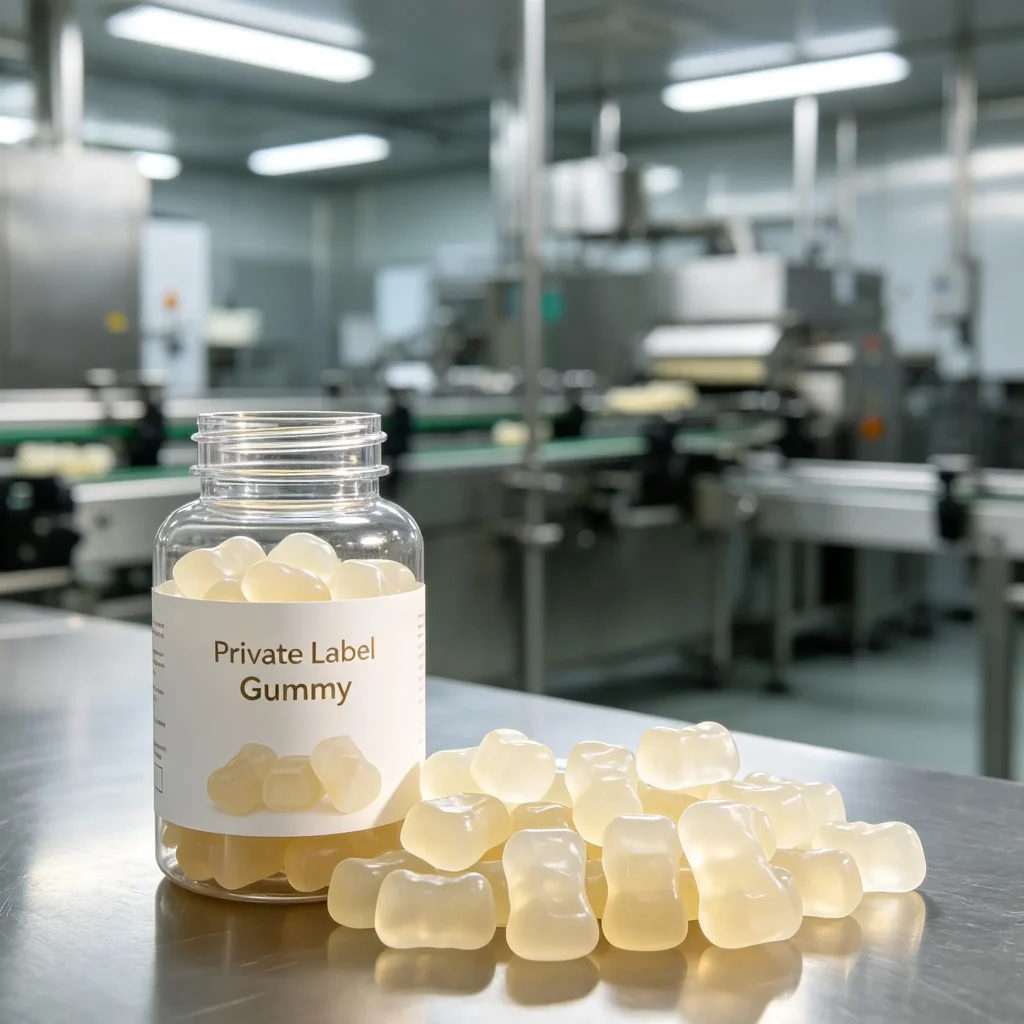
In the nutraceutical and confectionery industry, the choice between pectin and gelatin as a gummy base is critical. Each ingredient offers unique functional, sensory, and marketing advantages. For businesses seeking OEM/ODM gummy manufacturing, private label gummy supplements, or bulk supply, understanding these differences ensures product quality, consumer satisfaction, and regulatory compliance. This article provides a professional analysis to help brand owners and supplement companies make informed decisions.

Understanding the Basics
🍬 What is Gelatin?
- Derived from animal collagen.
- Provides elasticity, chewiness, and a traditional gummy texture.
- Widely used by every gummy manufacturer for mainstream confectionery and dietary supplements.
- Cost-effective and versatile, but not suitable for vegan or halal/kosher markets.

🌱 What is Pectin?
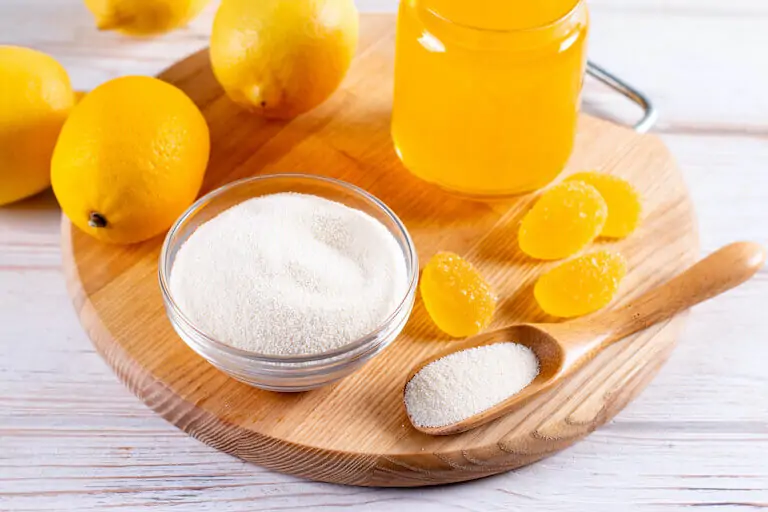
- A plant-based polysaccharide extracted from citrus peels or apple pomace.
- Creates a softer, fruit-like bite with a clean label appeal.
- Ideal for gummies supplement brands targeting vegan, vegetarian, or religious dietary restrictions.
- Often perceived as more premium due to natural sourcing and consumer demand for plant-based alternatives.
Key Considerations for Gummy Manufacturing
1. Market Positioning
- Gelatin gummies: Best for mass-market appeal, cost efficiency, and traditional candy-like texture.
- Pectin gummies: Align with health-conscious, vegan, and premium supplement positioning.
2. Stability & Shelf Life
- Gelatin: Sensitive to heat and humidity, may lose shape in warmer climates.
- Pectin: More stable under varying conditions, making it suitable for global distribution.
3. Consumer Preferences
- Gelatin: Familiar chew, nostalgic feel.
- Pectin: Softer bite, often preferred in functional supplements (vitamins, probiotics).
4. Manufacturing Flexibility
- Both bases can be customized under OEM/ODM gummy manufacturing models.
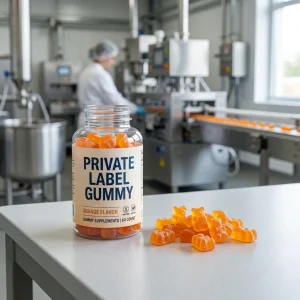
- Private Label Gummy projects benefit from choosing the right base to match branding goals.

Practical Value for Supplement Brands
For nutraceutical companies, the decision between pectin and gelatin is not just technical—it’s strategic. Partnering with an experienced gummy manufacturer ensures:
- Compliance with dietary certifications (vegan, halal, kosher).
- Optimized formulations for taste, texture, and stability.
- Scalable production for bulk supply or private label launches.
By aligning ingredient choice with consumer demand, brands can strengthen market differentiation and build trust.

Conclusion
Choosing between pectin and gelatin is a pivotal step in gummy manufacturing. Gelatin offers cost efficiency and traditional appeal, while pectin provides plant-based credibility and stability. For supplement brands, OEM/ODM partnerships with a professional gummy manufacturer ensure that the right base is selected to maximize consumer satisfaction and business growth.
FAQ
Q1: Which is better for dietary supplements—pectin or gelatin?
- Pectin is often preferred for supplements due to its plant-based origin and stability. Gelatin remains popular for traditional gummies.
Q2: Can I launch vegan gummies with gelatin?
- No. Vegan gummies require pectin or other plant-based alternatives.
Q3: How does ingredient choice affect Private Label Gummy projects?
- It impacts consumer perception, certifications, and market positioning. Pectin appeals to premium and health-conscious audiences, while gelatin suits mainstream markets.
Q4: Are pectin gummies more expensive to manufacture?
- Generally yes, but the added value in branding and consumer trust often outweighs the cost difference.
Q5: Can OEM/ODM manufacturers handle both bases?
- Professional gummy manufacturers typically offer both pectin and gelatin options, tailoring formulations to brand needs.