
Summary
Launching a successful gummy supplement brand requires more than a great formula—it demands thoughtful packaging and a scalable private label strategy. Whether you’re an e-commerce founder, a wellness influencer, or a retailer expanding into health products, your choices in packaging format, labeling, and manufacturing partnership directly impact shelf life, compliance, and customer loyalty.
This guide—written by professionals with deep experience in gummy manufacturing—breaks down what you need to know to make confident decisions when working with a private label gummy partner.
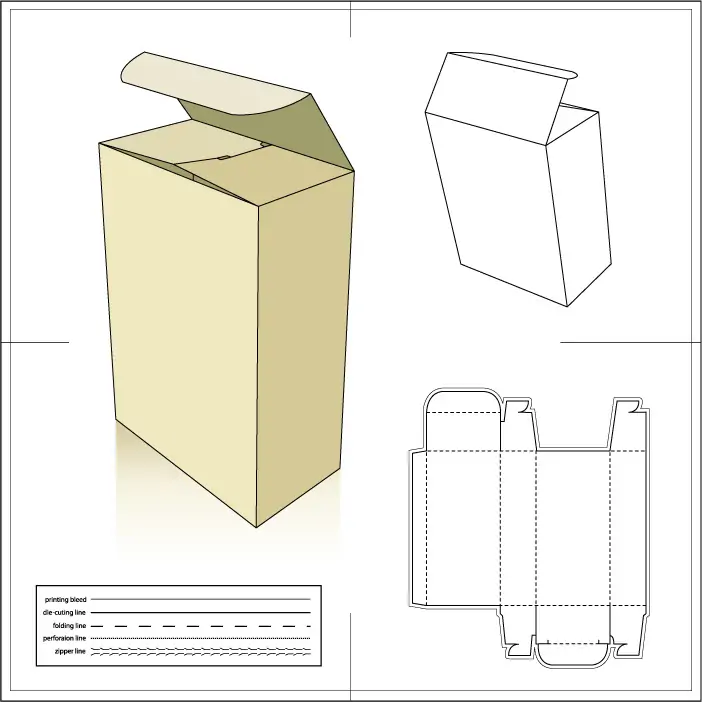
Why Your Gummy Packaging Strategy Starts Long Before the Design
Packaging isn’t just about aesthetics. For gummies supplement products, it’s a critical component of product integrity and regulatory compliance.
- Stability: Gummies are hygroscopic—they absorb moisture easily. Without proper barrier protection (e.g., desiccant-lined bottles or high-barrier pouches), they can become sticky, crystallize, or lose potency.
- Regulations: Dietary supplement labels must include a Supplement Facts panel, ingredient list, allergen statement, net weight, and manufacturer/distributor information per FDA DSHEA guidelines.
- Brand Experience: From unboxing to daily use, packaging shapes how customers perceive your brand—premium, playful, sustainable, or clinical.
Early collaboration with your gummy manufacturer ensures your packaging aligns with both technical and marketing goals.
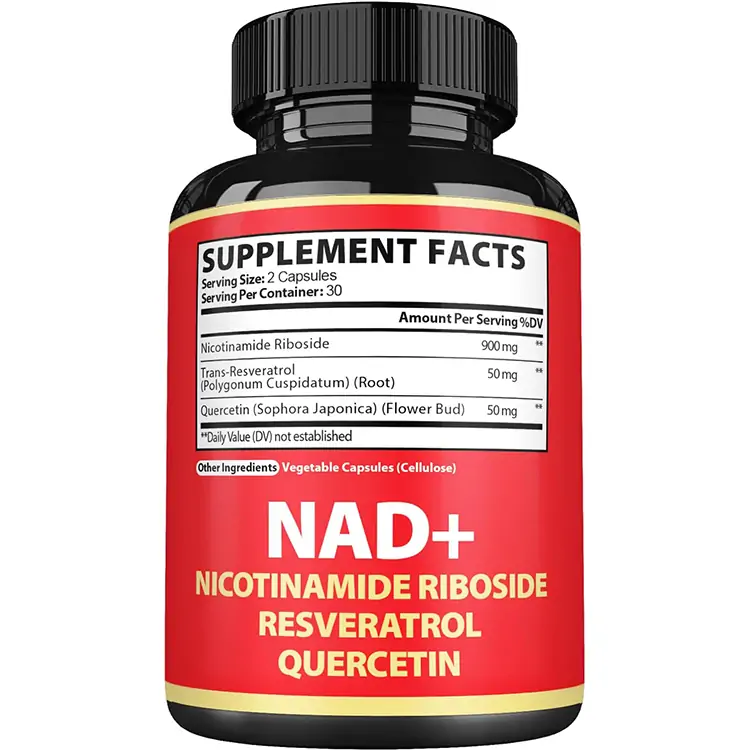
Private Label Gummy: A Strategic Launch Path for Supplement Brands
Private labeling allows you to bring a branded gummy supplement to market quickly—without building a factory or navigating complex formulation science alone.
Here’s how it typically works:
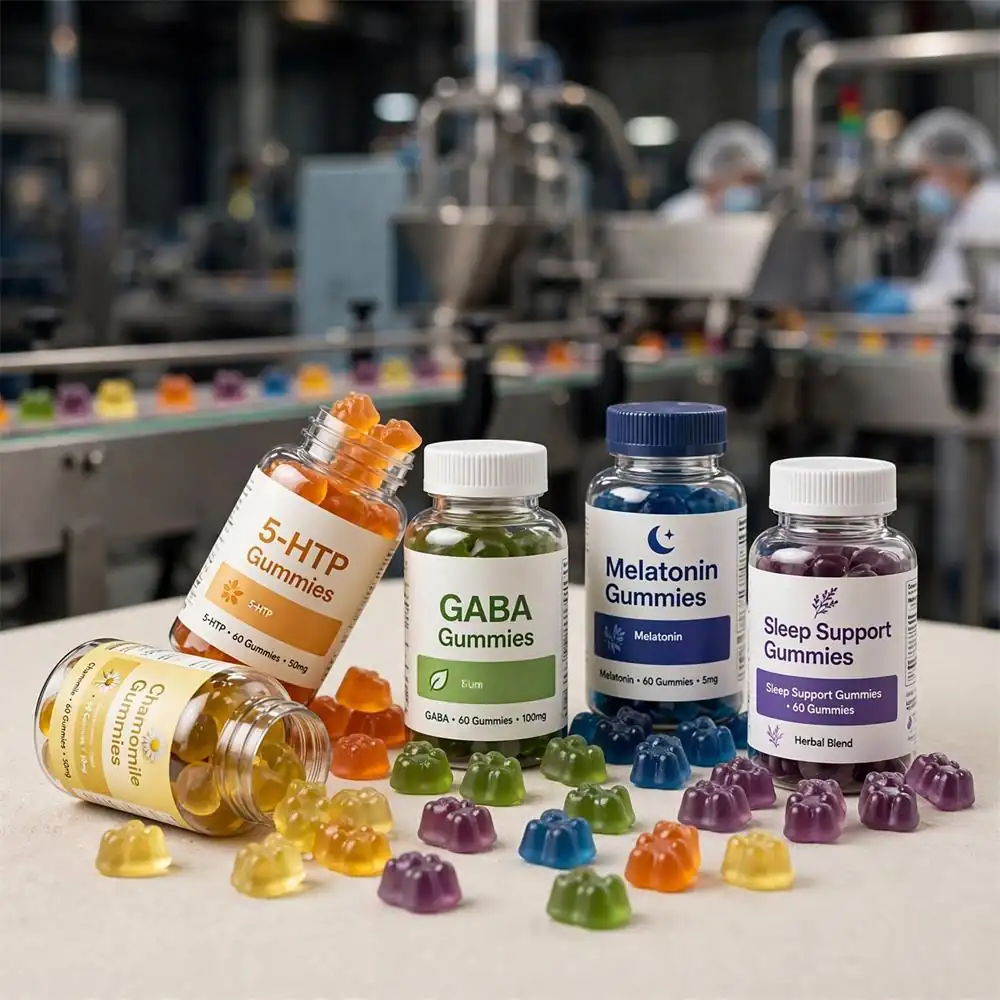
- You select a base formula (e.g., Vitamin C + Zinc, Sleep Blend, Prenatal Multivitamin) or request a custom formulation.
- A certified gummy manufacturer produces the product under your brand name.
- You define your packaging, serving size, and label design.
- The manufacturer handles production, quality testing, and compliance documentation.
This model is widely used by:
- Direct-to-consumer (DTC) health brands
- Fitness and wellness professionals launching supplements
- Retail chains developing in-house gummies supplement lines
When done right, private label gummy programs offer speed, cost efficiency, and full branding control.

Customization That Goes Beyond the Logo
True private label gummy partnerships offer flexibility—not just in labels, but in every aspect of the product:
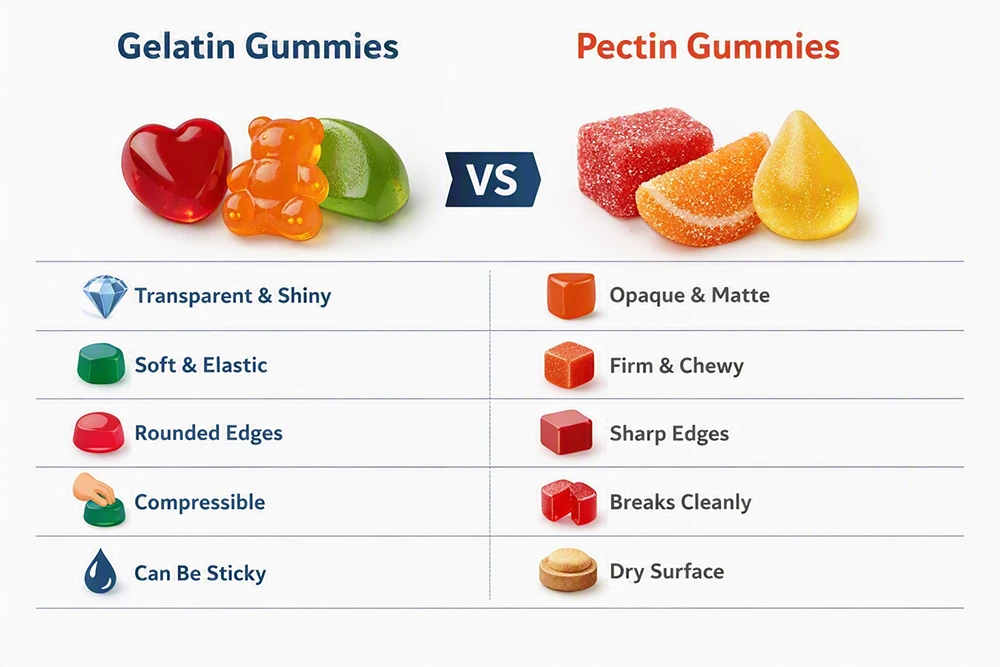
- Base Ingredients: Gelatin (bovine or porcine), pectin (vegan), or starch-based options.
- Functional Additives: From melatonin and CBD to probiotics and collagen—formulations must account for stability and taste masking.
- Shapes & Sizes: Standard bears are cost-effective, but custom molds (stars, fruits, animals) can enhance brand identity—especially for children’s or lifestyle-focused lines.
- Packaging Formats:
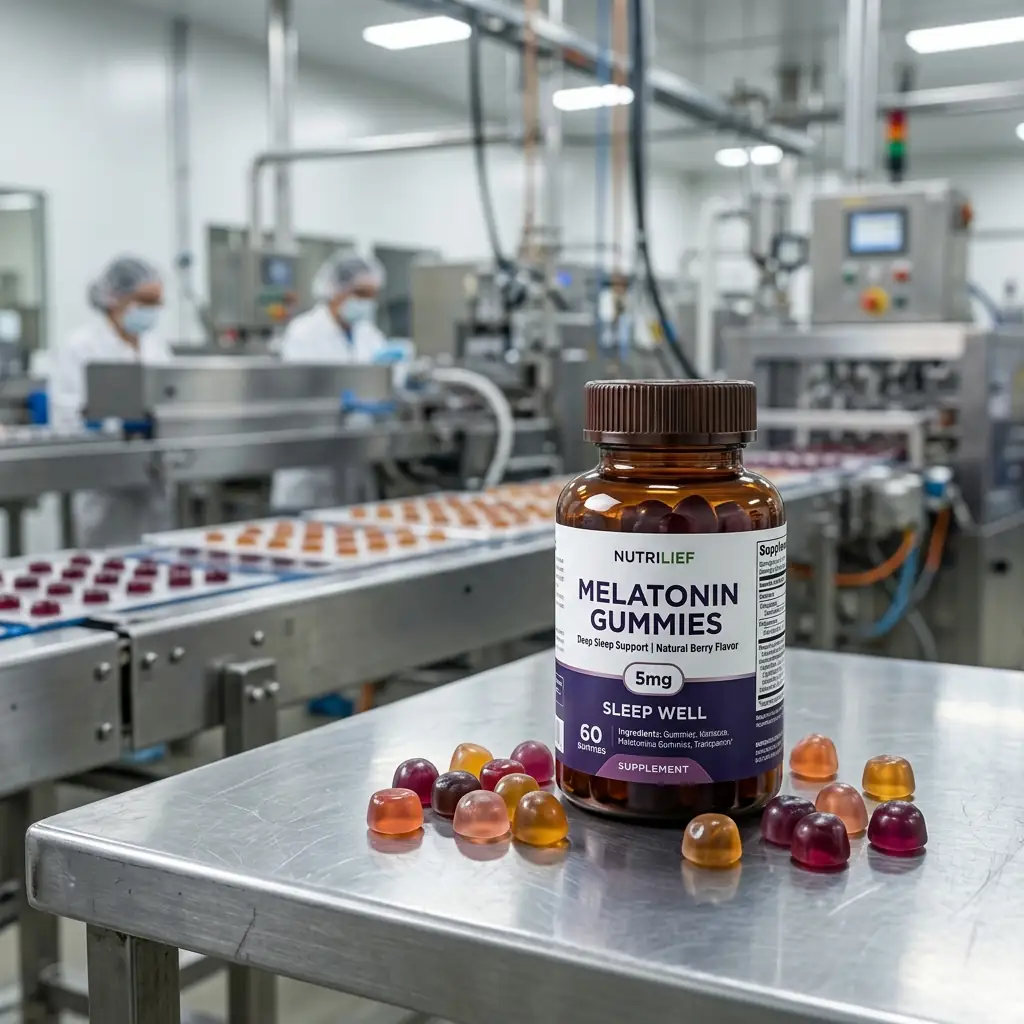
- Amber or clear PET bottles with child-resistant caps (required for certain supplements in the U.S.)
- Stand-up resealable pouches—lightweight, lower shipping cost, and increasingly popular for eco-conscious brands
- Blister packs for clinical trials, samples, or travel kits
A knowledgeable gummy OEM or ODM will advise on trade-offs: for example, pouches reduce plastic use but may require additional moisture barriers for long shelf life.

Compliance Isn’t Optional—It’s Your Foundation
The supplement industry is heavily regulated. Cutting corners on compliance risks recalls, fines, or lost consumer trust.
Key requirements for gummies supplement brands:
- Manufacturing Facility: Must be FDA-registered and operate under cGMP (current Good Manufacturing Practices). Third-party certifications (NSF, ISO 22000) add credibility.
- Label Accuracy: Every claim and ingredient must be verifiable. “Natural flavors” must be disclosed if they contain allergens.
- Stability Testing: Reputable gummy manufacturers conduct real-time and accelerated studies to validate shelf life (typically 12–24 months).
- Allergen Control: Dedicated production lines or rigorous cleaning protocols are essential for gluten-free, vegan, or allergen-sensitive products.
Always request Certificates of Analysis (COAs) and audit reports before finalizing a manufacturing partner.

How to Evaluate a Gummy Manufacturer for Your Brand
Not all private label partners offer the same level of support. Look for these signs of a capable gummy OEM/ODM:
- ✅ End-to-end capabilities: In-house R&D, mixing, molding, drying, coating, and packaging reduce supply chain risk.
- ✅ Regulatory support: They help draft compliant labels and navigate regional rules (e.g., EU Novel Food, Health Canada).
- ✅ Scalability: Can they support your pilot batch—and your Year 2 volume?
- ️ Transparency: Full traceability from raw materials to finished goods, with batch-specific testing.
- ✅ Turnaround time: 8–12 weeks from formula finalization to shipment is standard for compliant private label gummies.
The right partner acts as an extension of your team—not just a factory.

Conclusion
Your gummy supplement brand’s success depends on a strong foundation: a stable, compliant product in packaging that protects, informs, and inspires. By choosing a private label partner with proven gummy manufacturing expertise, you gain more than production capacity—you gain a strategic ally in navigating formulation, regulation, and market differentiation.
Focus on your brand vision. Let your gummy manufacturer handle the science, safety, and scalability.
FAQ: Packaging & Private Label Gummy Supplements
Q: What’s the typical MOQ for private label gummies?
A: Most GMP-certified gummy manufacturers require 5,000–10,000 units for custom formulations. Stock formulas may have lower MOQs (as low as 1,000–2,000 units), ideal for testing the market.
Q: Can I use eco-friendly packaging for my gummies?
A: Yes—options include recyclable PET bottles, compostable pouches (with proper moisture barriers), and reduced-plastic designs. Discuss shelf-life implications with your manufacturer early.
Q: Are vegan or allergen-free gummies possible?
A: Absolutely. Pectin-based (vegan) gummies are widely available. Ensure your manufacturer has dedicated equipment or validated allergen controls if claiming “gluten-free,” “soy-free,” etc.
Q: How long does it take to launch?
A: From final formula approval to delivery: 8–14 weeks is typical. This includes label compliance review, packaging sourcing, production, and quality testing.
Q: Do I need my own formula to start?
A: No. Many gummy manufacturers offer proven, stable base formulas (e.g., Vitamin D3 + K2, B-complex, sleep blends) that can be branded as your own—speeding up development and reducing risk.
Ready to build a gummy supplement brand that stands out—and stands the test of time? Explore our private label gummy solutions, backed by GMP-certified manufacturing and formulation expertise.