
The Formulation Bottleneck Holding Back Your Gummy Launch
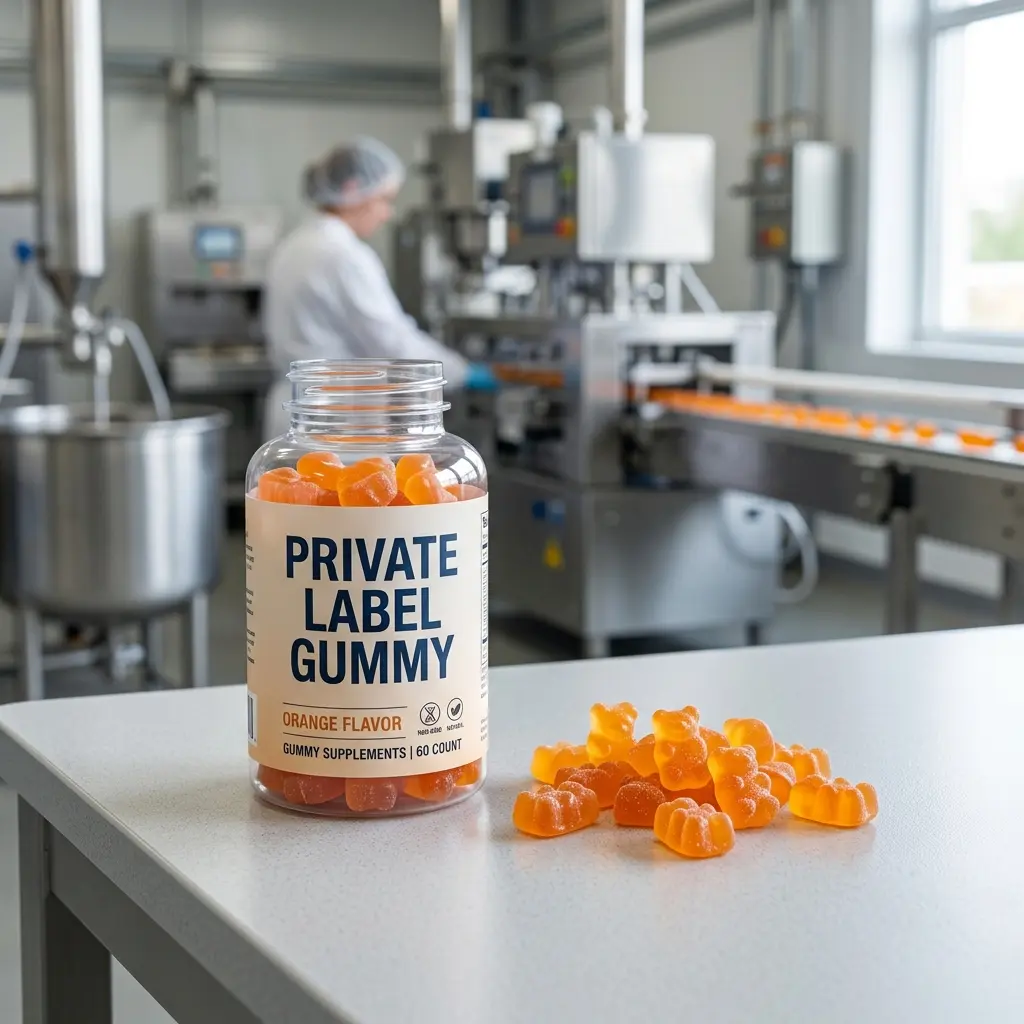
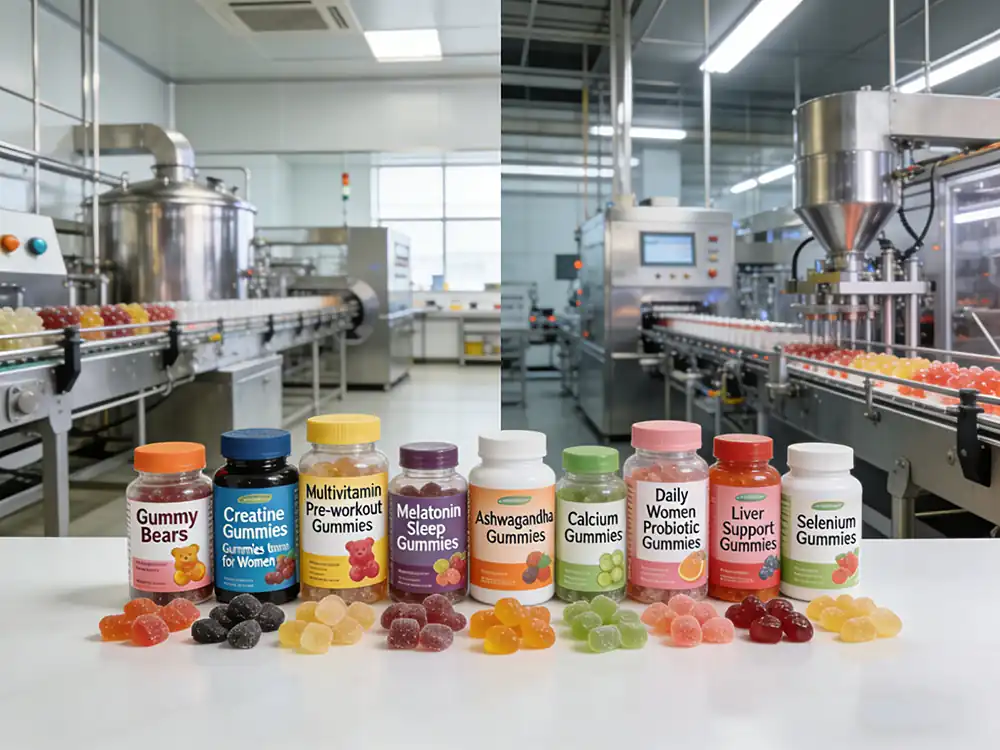
Taking a gummy concept from a sketch on a napkin to a stable, scalable product trips up more brand owners than almost any other supplement format. Whether you want to делать жевательные конфеты as a new brand or scale an existing line, understanding the engineering behind formulation is non-negotiable before you sign a contract with a production partner. Heat-sensitive actives degrade during cooking, pectin-based formulas weep syrup in transit, and inconsistent textures kill repeat purchases. This breakdown is for supplement brand owners, product managers, and founders who need to understand the actual engineering behind gummy development before committing capital to production.
Prerequisites Before You Formulate
Before approaching a производитель жевательной резинки, you need a locked-in target consumer profile and a clear ingredient hierarchy. Know exactly which active ingredients you need, their required daily dosages, and the regulatory maximums for your target market. You also need a realistic budget that accounts for specialized tooling costs and minimum order quantities. Skipping this groundwork guarantees expensive reformulations once the cooking kettles are already running.
You must also define your dietary restrictions early. Vegan, halal, and kosher requirements completely dictate your gelling agent options, which in turn changes your cooking temperatures, drying times, and final texture. A formula designed for gelatin cannot simply swap in pectin without a total structural overhaul.

Step-by-Step: The Gummy Development Process
1. Selecting the Gelling Base
Gelatin provides the classic “chew” and releases flavors quickly, but it limits your market to non-vegan consumers. Pectin offers a softer, cleaner bite and broadens your dietary appeal, but it is highly sensitive to acidity and requires strict pH control during cooking. Some advanced formulations blend pectin and gelatin to balance texture and cost, though this requires precise ratio testing. Leading R&D labs evaluate over 2,000 new gummy formulations annually just to map out how these bases interact with different active ingredients.
2. Integrating Active Ingredients
Not every vitamin or mineral belongs in a gummy. Water-soluble ingredients like vitamin C and B12 dissolve easily into the slurry, but fat-soluble compounds like CoQ10 or omega-3s require emulsification to prevent separation. Heat-sensitive compounds demand staged addition. For example, probiotics must be added post-cooking via a dry dusting or a microencapsulated format that can survive the 60°C depositing temperature. If you just dump raw live cultures into a boiling slurry, you are selling dead bacteria.
3. Cooking and Depositing
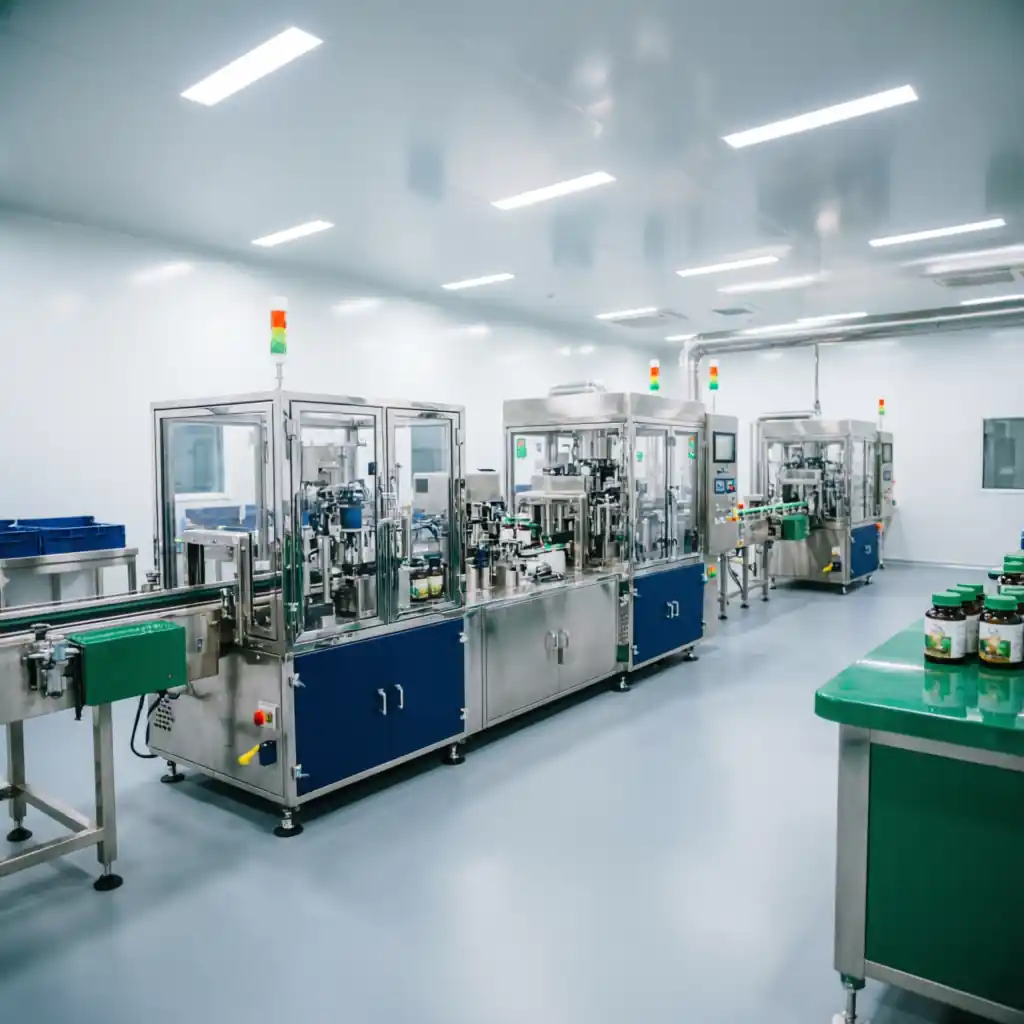
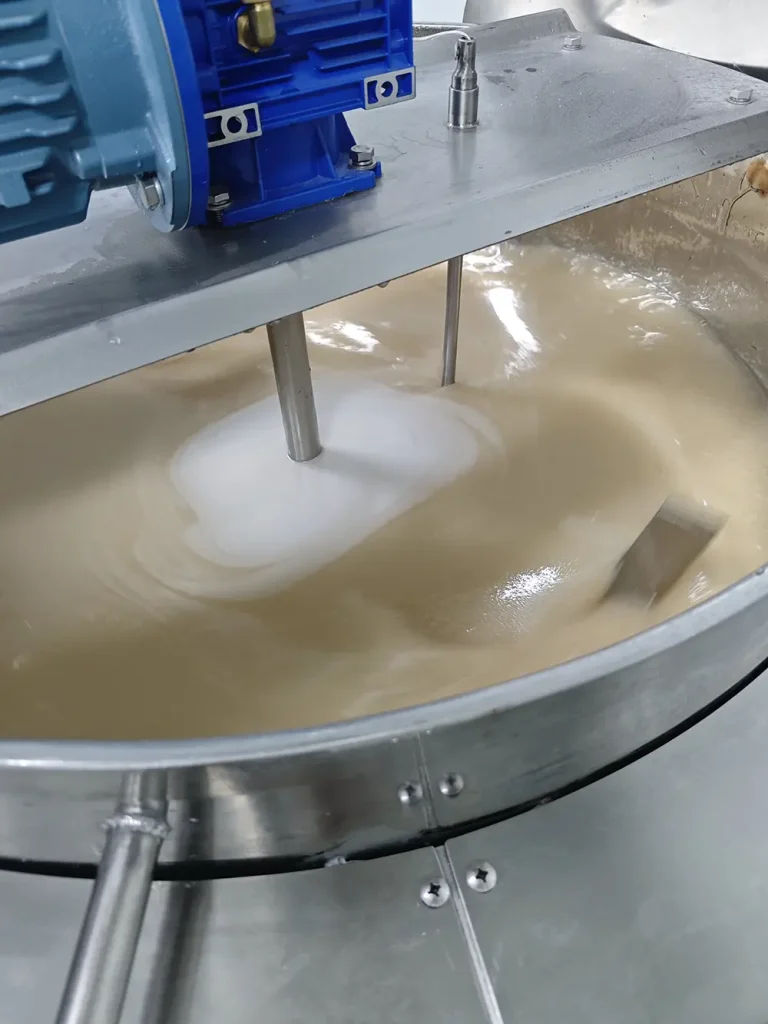
The slurry is heated under vacuum to remove air bubbles and concentrate the sugars, which prevents the gummies from collapsing into hard candies. The mixture is then pumped into starch molds or silicone molds. Starch molding is the industry standard for high-volume Производство мармеладных конфет because it allows for intricate shapes and easy release. However, it requires a dedicated starch drying room and creates significant dust, which is why pharma-grade cleanrooms are non-negotiable for quality operations.
4. Сушка и отверждение
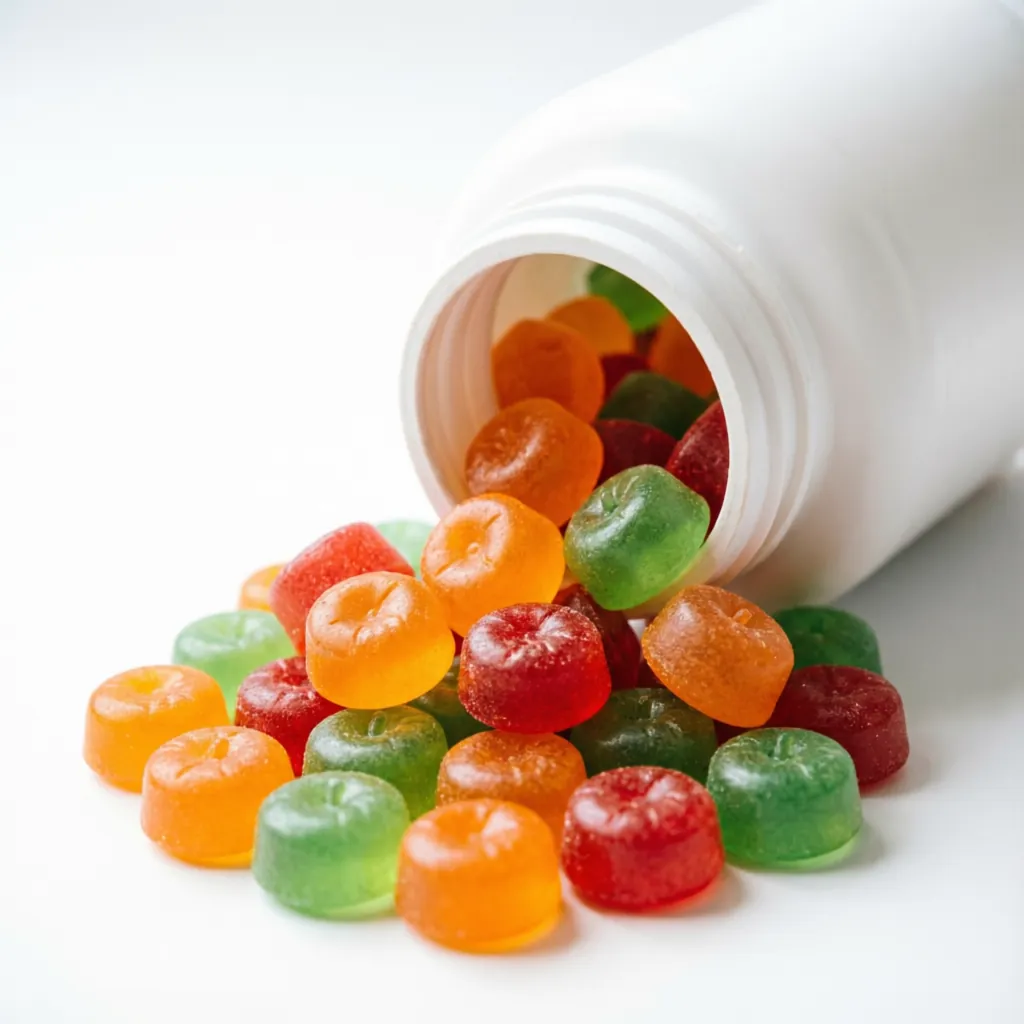
Freshly deposited gummies contain too much moisture for packaging. They must cure in climate-controlled drying rooms for 12 to 48 hours to reach a specific water activity (Aw) level, usually between 0.60 and 0.65. Pull them out too early, and they will stick together in the bottle or grow mold. Leave them in too long, and they turn into hard rubber blocks. This step is where most outsourcing failures occur because impatient brands rush the curing process to meet launch dates.
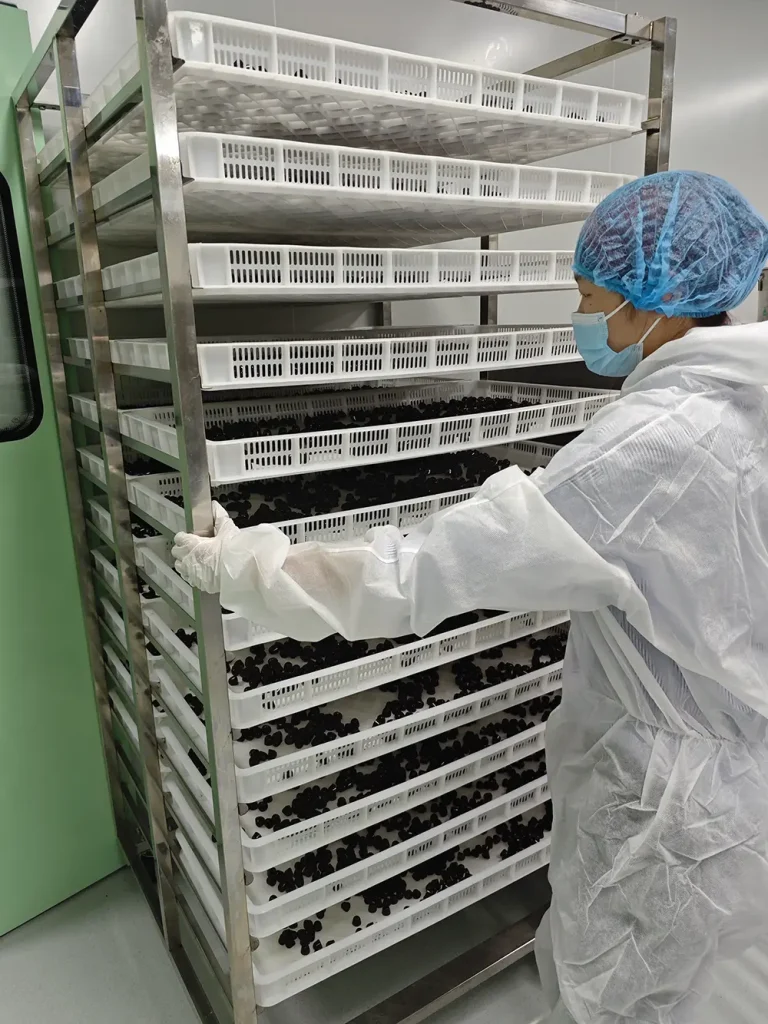
5. Отделка и упаковка
After curing, gummies are demolded, de-starched, and typically tumbled in a light coating of carnauba wax or coconut oil to prevent sticking. Packaging must offer a high moisture barrier. PET jars with induction seals are standard, but stick packs are gaining traction for on-the-go formats. Your packaging choice directly impacts shelf life, especially in humid climates.
Pitfalls: When Formulation Meets Reality
I once consulted for a mid-sized brand that wanted a жевательные конфеты под собственной торговой маркой featuring collagen, vitamin C, and live probiotics. Their previous contract manufacturer dumped all the actives into the slurry at 85°C to save time on the production line. The heat destroyed the probiotics entirely, oxidized the vitamin C, and caused the pectin base to break down into a sticky, unsellable syrup. The brand lost $40,000 in dead stock and six months of launch momentum. This happens when formulators ignore thermal degradation curves and fail to stage the ingredient addition based on specific temperature thresholds.
Another common trap is ignoring syneresis—the process where gummies slowly leak liquid over time. This often happens when formulators use too much acid to mask the taste of minerals like zinc or magnesium. The low pH breaks down the pectin chains over weeks, leaving consumers with a bottle of soggy, leaking candy. Proper buffering agents must be used to balance taste and structural integrity.
Next Steps for Brand Owners
Once your formula is locked, demand a pilot run before committing to full-scale production. A pilot run proves the formula survives the transition from a 10-liter beaker to a 500-liter commercial cooking kettle without burning or separating. You should also request a facility audit to verify their cleanroom standards, checking for 100,000-class environmental controls. Finally, require certificates of analysis (COAs) for every raw material batch and a finished product COA to verify potency retention after the heat processing.
Часто задаваемые вопросы
Can any active ingredient be put into a gummy?
No. Ingredients that require large dosages, like 3 grams of creatine or high doses of magnesium, are physically impossible to fit into a standard 3-gram gummy. Highly reactive minerals like iron often cause oxidation, turning the gummy brown and creating off-flavors. These ingredients are better suited for capsules or powders.
What is the typical lead time for a new gummy formula?
From initial concept to a finished pilot batch, expect 6 to 10 weeks. This includes 2 to 3 weeks of bench-top formulation, 1 to 2 weeks for flavor and texture adjustments, and 2 to 4 weeks for pilot production and stability testing. Full commercial production adds another 3 to 5 weeks depending on the manufacturer’s schedule.
How do I prevent my gummies from sticking together in the bottle?
Sticking is almost always a moisture issue. Ensure your manufacturer dries the gummies to an Aw below 0.65, applies an anti-sticking oil like carnauba wax, and uses packaging with a proper moisture barrier. Adding a desiccant canister to the jar is also highly recommended for markets with high humidity.
Is gelatin or pectin better for my product?
It depends entirely on your target demographic. If you are targeting a mainstream audience that prioritizes texture and you have no dietary restrictions, gelatin is cheaper and easier to work with. If you are targeting vegans, clean-label consumers, or markets with high temperatures where gelatin melts, pectin is the necessary choice despite its higher formulation complexity.
How do I choose the right gummy manufacturing partner?
Look for three things: (1) a documented R&D process with staged ingredient addition protocols, (2) GMP-certified facilities with 100,000-class cleanrooms and verifiable environmental controls, and (3) a track record of producing your specific formula type—pectin-based, gelatin-based, or blended—at commercial scale. Request third-party stability data, not just in-house COAs. A qualified partner will offer pilot runs, transparent thermal processing logs, and post-launch reformulation support.
Данная статья предоставлена компанией Gothink Biology, производителем пищевых добавок из Шэньчжэня, Китай, специализирующимся на услугах OEM/ODM для брендов в сфере здоровья и хорошего самочувствия по всему миру.
Компания Shenzhen Gothink Biotech Co., Ltd. — китайский поставщик пищевых добавок, предлагающий услуги OEM, ODM, CMO и CDMO. Наше предприятие, сертифицированное по стандарту GMP, располагает чистым помещением класса 100 000 с суточной производительностью 16 тонн и годовой мощностью 5 000 тонн. Мы имеем сертификаты ISO9001, ISO22000, HACCP, FDA, HALAL, GMP, KOSHER, BRC, FSSC 22000, PJPH и Vegan. Наша команда разработчиков, возглавляемая учеными с опытом работы в постдокторских программах в таких учреждениях, как лаборатория Колд-Спринг-Харбор и Университет Эмори, занимается разработкой рецептур пищевых добавок в форме жевательных конфет, капсул, таблеток, порошков, жидкостей и капель.
Для получения дополнительной информации посетите gttbio.com или свяжитесь с нашей командой экспертов.